


Micro-mobility refers to small, lightweight vehicles that are designed for short-distance travel, typically within urban environments. This category includes electric scooters, bicycles, and other personal transport devices that facilitate quick and efficient movement in congested areas. The rise of micro-mobility has been fueled by the increasing need for sustainable transportation options, as cities grapple with issues such as traffic congestion, air pollution, and the demand for more efficient public transit systems. As urban populations continue to grow, the appeal of micro-mobility solutions becomes more pronounced, offering a practical alternative to traditional modes of transport.
The concept of micro-mobility is not entirely new; however, its recent surge in popularity can be attributed to advancements in technology and a shift in societal attitudes towards transportation. Electric vehicles, in particular, have gained traction due to their environmental benefits and convenience. The integration of mobile applications for locating and renting these vehicles has further simplified access, making it easier for users to adopt micro-mobility as a viable option for their daily commutes. As cities adapt to these changes, the infrastructure supporting micro-mobility must also evolve to accommodate the growing number of users.
One of the significant challenges cities face in developing micro-mobility charging infrastructure is ensuring accessibility and convenience for users. As urban areas continue to adopt electric scooters and bikes, the need for strategically placed charging stations becomes paramount. A related article that explores the implications of technology in urban mobility is available at this link, which discusses how smart devices can enhance the user experience in micro-mobility solutions. By integrating smart technology, cities can improve the efficiency and effectiveness of their charging infrastructure, ultimately promoting sustainable transportation options.
Key Takeaways
- Micro-mobility is rapidly gaining popularity as a sustainable urban transportation option.
- Adequate charging infrastructure is crucial to support the increasing use of micro-mobility devices.
- Cities face challenges like space constraints and high costs when implementing charging stations.
- Collaboration between government and private sector is key to developing effective charging networks.
- Successful case studies highlight innovative solutions and point towards a promising future for micro-mobility infrastructure.
The Growing Demand for Micro-Mobility Solutions in Cities
Urban areas are experiencing a significant increase in population density, leading to heightened demand for efficient transportation solutions. Traditional public transit systems often struggle to meet the needs of commuters, resulting in overcrowding and delays. In this context, micro-mobility offers a flexible alternative that can alleviate some of the pressure on existing transportation networks. Users appreciate the convenience of being able to travel short distances quickly without the need for a car or lengthy wait times associated with public transit.
Moreover, the environmental impact of transportation is becoming a critical concern for many city dwellers. Micro-mobility options, particularly electric scooters and bicycles, produce fewer emissions compared to cars and contribute to reducing urban air pollution. As awareness of climate change grows, individuals are increasingly seeking sustainable alternatives that align with their values. This shift in consumer behavior has led to a surge in demand for micro-mobility solutions, prompting cities to explore ways to integrate these options into their transportation planning.
The Importance of Charging Infrastructure for Micro-Mobility
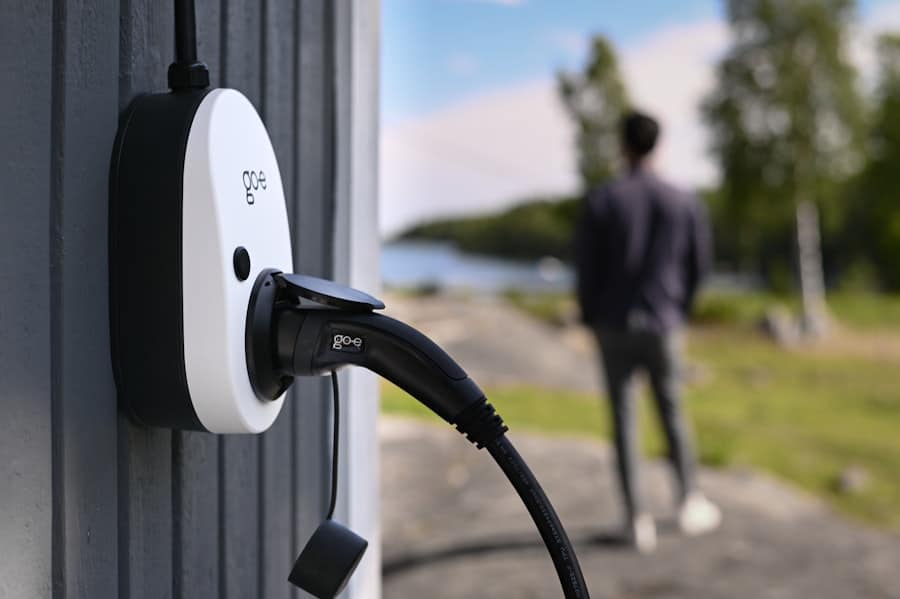
As the adoption of electric micro-mobility vehicles increases, the need for adequate charging infrastructure becomes paramount. Charging stations play a crucial role in ensuring that electric scooters and bikes remain operational and accessible to users. Without sufficient charging facilities, the convenience and reliability of micro-mobility options can be compromised, leading to user frustration and decreased adoption rates. Therefore, developing a robust charging infrastructure is essential for supporting the growth of micro-mobility in urban areas.
In addition to enhancing user experience, a well-planned charging infrastructure can also contribute to the overall sustainability of urban transportation systems. By strategically placing charging stations in high-traffic areas, cities can encourage the use of electric micro-mobility vehicles while reducing reliance on fossil fuel-powered transportation. This not only helps to lower greenhouse gas emissions but also promotes a shift towards more environmentally friendly commuting practices. As cities continue to prioritize sustainability, investing in charging infrastructure will be a key component of their transportation strategies.
Challenges in Implementing Micro-Mobility Charging Infrastructure in Cities

Despite the clear benefits of establishing charging infrastructure for micro-mobility vehicles, several challenges hinder its implementation in urban environments. One significant obstacle is the limited availability of space in densely populated areas. Cities often face competition for land use among various stakeholders, including residential developments, commercial enterprises, and public amenities. Finding suitable locations for charging stations that do not disrupt existing infrastructure or pedestrian pathways can be a complex task.
Another challenge is the financial investment required to develop and maintain charging infrastructure. Cities may struggle to allocate sufficient funds for these projects, particularly when competing priorities exist within their budgets. Additionally, the technology used for charging stations must be reliable and user-friendly to encourage widespread adoption. Ensuring that these systems are accessible and efficient requires careful planning and collaboration among various stakeholders, including city planners, utility companies, and micro-mobility providers.
As cities increasingly embrace micro-mobility solutions, the challenges of establishing adequate charging infrastructure become more pronounced. A related article discusses how innovative technologies can enhance urban mobility and address these infrastructure needs. For those interested in exploring the intersection of technology and urban transport, you can read more about it in this insightful piece on the Samsung Galaxy Chromebook.
Solutions for Overcoming Micro-Mobility Charging Infrastructure Challenges
| Challenge | Description | Impact on Micro-Mobility | Example Metrics |
|---|---|---|---|
| Limited Charging Stations | Insufficient number of charging points available in urban areas. | Reduced vehicle availability and increased downtime. | Charging stations per square km: 2-5 Average wait time for charging: 30-45 minutes |
| Power Grid Constraints | Existing electrical infrastructure may not support high demand from charging. | Potential for outages and limited simultaneous charging capacity. | Grid capacity utilization: 80-95% during peak hours Max simultaneous charges per station: 2-4 |
| Space Limitations | Urban space scarcity limits installation of charging infrastructure. | Challenges in placing stations in convenient locations. | Average station footprint: 10-15 square meters Stations per km of bike lane: 1-2 |
| Standardization Issues | Lack of uniform charging connectors and protocols across devices. | Compatibility problems and increased maintenance costs. | Number of connector types: 3-5 Percentage of vehicles compatible with standard chargers: 60% |
| Maintenance and Vandalism | Frequent damage and wear reduce infrastructure reliability. | Increased operational costs and reduced uptime. | Average downtime per station per month: 10-15% Repair frequency: once every 2 months |
| Regulatory and Permitting Delays | Lengthy approval processes slow down infrastructure deployment. | Delays in expanding charging networks. | Average permit approval time: 3-6 months Number of pending permits: 20-30% of planned stations |
To address the challenges associated with implementing charging infrastructure for micro-mobility vehicles, cities can explore several innovative solutions. One approach is to leverage existing infrastructure by integrating charging stations into public spaces such as parks, transit hubs, or parking lots. This strategy not only maximizes land use but also increases visibility and accessibility for users. By collaborating with local businesses or organizations, cities can create partnerships that facilitate the installation of charging stations in high-traffic areas.
Another potential solution involves utilizing renewable energy sources to power charging stations. By incorporating solar panels or wind turbines into the design of charging facilities, cities can reduce their reliance on traditional energy sources while promoting sustainability. This approach not only addresses environmental concerns but also enhances the resilience of the charging infrastructure by providing a consistent power supply. Additionally, implementing smart technology that allows users to monitor charging station availability through mobile applications can improve user experience and encourage greater adoption of micro-mobility options.
The Role of Government and Private Sector in Developing Charging Infrastructure
The successful development of charging infrastructure for micro-mobility vehicles requires collaboration between government entities and the private sector. Local governments play a critical role in establishing policies and regulations that facilitate the installation of charging stations while ensuring public safety and accessibility. By creating supportive frameworks that encourage investment in charging infrastructure, governments can help stimulate growth in the micro-mobility sector.
On the other hand, private companies involved in micro-mobility services have a vested interest in developing reliable charging solutions. These companies can invest in research and development to create innovative charging technologies that enhance user experience and operational efficiency. Additionally, partnerships between private firms and local governments can lead to shared funding opportunities and resources that benefit both parties. By working together, government agencies and private sector stakeholders can create a comprehensive approach to developing charging infrastructure that meets the needs of urban populations.
Case Studies of Successful Micro-Mobility Charging Infrastructure Implementation
Several cities around the world have successfully implemented charging infrastructure for micro-mobility vehicles, serving as models for others looking to enhance their own systems.
For instance, San Francisco has made significant strides in integrating electric scooter charging stations throughout the city.
By collaborating with scooter-sharing companies and utilizing existing public spaces, San Francisco has created a network of accessible charging points that support the growing demand for electric scooters.
Similarly, Amsterdam has embraced micro-mobility by establishing dedicated bike lanes equipped with charging stations for electric bicycles. This initiative not only promotes cycling as a primary mode of transport but also ensures that users have convenient access to charging facilities. The city’s commitment to sustainable transportation has resulted in increased adoption rates of electric bikes while reducing overall traffic congestion.
The Future of Micro-Mobility Charging Infrastructure in Cities
Looking ahead, the future of micro-mobility charging infrastructure appears promising as cities continue to prioritize sustainable transportation solutions. As technology advances, we can expect to see more innovative charging solutions that enhance user experience and operational efficiency.
For example, wireless charging technology may become more prevalent, allowing users to charge their vehicles without needing physical connections at designated stations.
Furthermore, as urban planners increasingly recognize the importance of integrating micro-mobility into transportation networks, we may see more comprehensive policies that support the development of charging infrastructure. This could include incentives for private companies to invest in charging solutions or funding programs aimed at expanding access to electric micro-mobility options. Ultimately, the evolution of micro-mobility charging infrastructure will play a crucial role in shaping the future of urban transportation as cities strive to create more sustainable and efficient environments for their residents.
FAQs
What is micro-mobility charging infrastructure?
Micro-mobility charging infrastructure refers to the network of charging stations and related facilities designed to support electric micro-mobility devices such as e-scooters, e-bikes, and other small electric vehicles used for short-distance urban travel.
Why is charging infrastructure important for micro-mobility in cities?
Charging infrastructure is essential to ensure that electric micro-mobility devices remain operational and accessible to users. Without adequate charging options, these vehicles cannot be reliably used, limiting their effectiveness as a sustainable urban transportation solution.
What are the main challenges in developing micro-mobility charging infrastructure in cities?
Key challenges include limited public space for installing charging stations, high costs of infrastructure deployment, managing power supply and grid capacity, ensuring equitable access across neighborhoods, and addressing vandalism or theft of charging equipment.
How does limited space in urban areas affect micro-mobility charging infrastructure?
Urban areas often have scarce public space, making it difficult to find suitable locations for charging stations without obstructing pedestrian pathways or other public amenities. This spatial constraint complicates the installation and maintenance of charging infrastructure.
Are there technical challenges related to micro-mobility charging?
Yes, technical challenges include standardizing charging connectors and protocols across different micro-mobility devices, integrating charging stations with the electrical grid, and managing energy demand to avoid overloading local power systems.
What role do regulations and policies play in micro-mobility charging infrastructure?
Regulations and policies can either facilitate or hinder the deployment of charging infrastructure. Supportive policies can provide funding, streamline permitting processes, and set standards, while restrictive regulations may limit where and how charging stations can be installed.
How can cities address the challenge of equitable access to micro-mobility charging?
Cities can prioritize installing charging infrastructure in underserved neighborhoods, subsidize costs for low-income users, and collaborate with micro-mobility providers to ensure that charging options are distributed fairly across different communities.
What are some potential solutions to overcome micro-mobility charging infrastructure challenges?
Solutions include deploying modular and scalable charging stations, using smart grid technologies to optimize energy use, integrating charging points with existing urban furniture (like streetlights or bus stops), and encouraging public-private partnerships to share costs and expertise.
How does micro-mobility charging infrastructure impact sustainability goals?
Effective charging infrastructure supports the widespread adoption of electric micro-mobility, which can reduce reliance on fossil-fuel-powered vehicles, decrease urban air pollution, and contribute to lower greenhouse gas emissions in cities.
Can micro-mobility charging infrastructure be integrated with renewable energy sources?
Yes, charging stations can be powered by renewable energy such as solar or wind, either directly or through the grid, enhancing the environmental benefits of micro-mobility by reducing the carbon footprint associated with electricity consumption.