

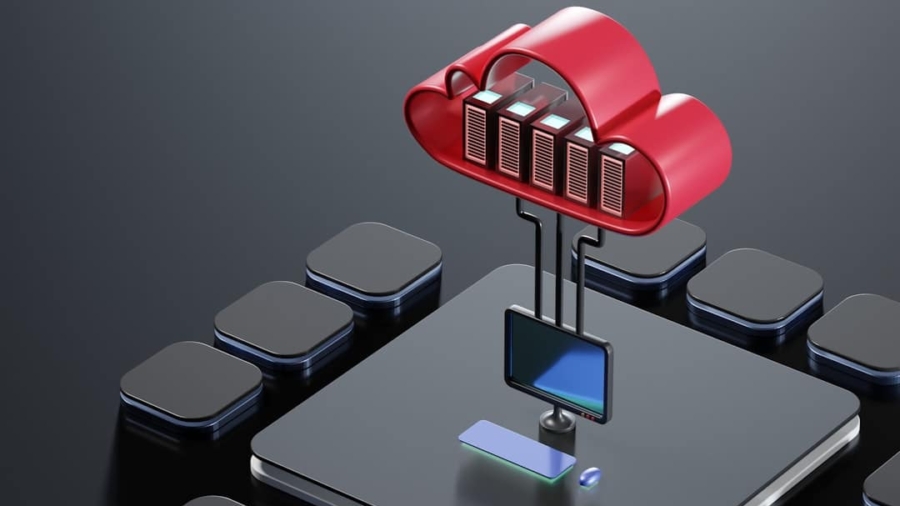
So, you’re wondering how edge computing speeds up your IoT devices? The simplest answer is this: by bringing the processing and analysis of data closer to where that data is actually generated – at the “edge” of the network, meaning on or near the IoT devices themselves – we cut down on the time it takes for data to travel to a central cloud server and back. This significantly reduces latency, leading to much faster responses from your IoT gadgets.
The Core Problem: Latency
Most traditional IoT setups rely on sensing data, sending it over the internet to a distant cloud server for processing, and then sending commands back to the device. This round trip can take precious milliseconds, or even seconds, depending on network congestion, distance, and the sheer volume of data being sent. For many applications, a slight delay is no big deal. But for others – like autonomous vehicles, industrial automation, or critical infrastructure monitoring – even a fraction of a second can be crucial.
Let’s break down what we mean by “edge computing” without getting tangled in too much jargon. In essence, it’s about decentralizing computing power. Instead of having one massive brain (the cloud) doing all the thinking for countless tiny brains (IoT devices), edge computing distributes smaller, dedicated brains closer to the action.
Moving Intelligence Closer
Imagine your smartphone. It has decent processing power, right? It can run apps, process photos, and even perform some AI tasks without constantly talking to a server. That’s a good analogy for an edge device. It has enough intelligence to handle a good chunk of its own data processing locally.
Not a Cloud Replacement
It’s important to understand that edge computing isn’t here to replace the cloud.
Think of it more as a valuable partner.
The cloud is still excellent for long-term storage, heavy-duty analytics, global data aggregation, and training complex AI models. Edge computing handles the immediate, time-sensitive tasks, and then might send summarized or critical data to the cloud when necessary.
In the realm of enhancing Internet of Things (IoT) device performance, the article on Leveraging Edge Computing for Faster IoT Device Responses highlights the significance of reducing latency and improving real-time data processing. For those interested in exploring more about technology that can optimize user experiences, you might find the insights in this Ultimate Guide to the Best Screen Recording Software in 2023 particularly valuable, as it discusses tools that can enhance content creation and sharing, paralleling the efficiency improvements sought in IoT applications.
Key Takeaways
- Clear communication is essential for effective teamwork
- Active listening is crucial for understanding team members’ perspectives
- Conflict resolution skills are necessary for managing disagreements
- Trust and respect are the foundation of a successful team
- Collaboration and cooperation are key for achieving common goals
Why Latency Matters So Much for IoT
When we talk about “faster responses,” we’re really talking about minimizing latency. But why is this so critical for many IoT applications? It goes beyond just a snappy user experience.
Real-Time Decision Making
Consider an automated production line. If a sensor detects an anomaly – say, a motor overheating – a delay in processing that data could mean significant damage, production downtime, or even safety hazards. An edge device can process that sensor data immediately at the source, trigger an alarm, or even shut down the affected part of the machinery within milliseconds, preventing bigger problems.
Bandwidth Conservation
Sending all raw data from thousands or millions of IoT devices to the cloud can overwhelm network bandwidth. This isn’t just about speed; it’s about cost and efficiency. Edge devices can pre-process data, filter out noise, aggregate measurements, and only send relevant or aggregated data upstream.
This dramatically reduces the amount of data traversing the network, saving bandwidth and associated costs.
Enhanced Reliability
Cloud connectivity isn’t always guaranteed. If an internet connection drops, cloud-dependent IoT systems can grind to a halt. Edge devices, however, can continue to operate autonomously, making decisions based on local data even when disconnected from the central cloud. This “offline mode” capability is vital for critical infrastructure, remote operations, or environments with intermittent connectivity.
Data Privacy and Security
Processing sensitive data at the edge can also bolster privacy and security. Instead of sending raw, potentially identifiable data across public networks to the cloud, edge devices can process it locally, anonymize it, or extract only the necessary insights before transmitting anything. This reduces the attack surface and helps comply with data regulations.
Key Scenarios Where Edge Shines for IoT

It’s one thing to talk about general benefits; it’s another to see where edge computing truly makes a difference in the real world. Let’s look at some practical examples.
Autonomous Vehicles
This is perhaps one of the most compelling use cases. An autonomous car cannot afford to wait for instructions from a distant cloud server.
It needs to react to pedestrians, other vehicles, traffic lights, and road conditions in real-time.
Millisecond Decisions
Lidar, radar, and camera data generate an immense volume of information every second. Edge computing within the vehicle itself processes this data instantly to make critical decisions: brake immediately, swerve, accelerate. Any delay here could be catastrophic.
The cloud might still be used for map updates, route optimization, or long-term behavioral learning, but local processing handles the immediate driving tasks.
Smart Manufacturing and Industrial IoT (IIoT)
In factories, milliseconds translate directly to efficiency, safety, and cost. Edge computing is transforming how industries operate.
Predictive Maintenance
Sensors on machinery collect data on vibration, temperature, pressure, acoustic signatures, etc. Instead of sending all this raw data to a distant server, an edge device connected to the machine can analyze it in real-time.
It can identify patterns indicating potential equipment failure before it happens, alerting operators to perform maintenance proactively, avoiding costly breakdowns and unexpected downtime.
Quality Control
Visual inspection systems using cameras can detect defects on an assembly line. Edge AI allows these systems to analyze images locally, identify flaws, and even trigger robotic arms to remove defective products without human intervention or the delay of cloud processing. This ensures higher product quality and reduces waste.
Smart Cities and Public Safety
Edge computing plays a growing role in making urban environments safer and more efficient.
Traffic Management
Sensors and cameras at intersections can monitor traffic flow in real-time.
Edge devices can process this data locally to dynamically adjust traffic light timings, optimize routes, and respond to incidents like accidents or congestion far faster than a centralized system could.
Emergency Response Integration
In a disaster scenario, local edge analytics could rapidly identify critical areas, analyze crowd movements, or even process sensor data from damaged infrastructure to provide first responders with immediate, actionable intelligence, even if wide area network connectivity is compromised.
Healthcare and Remote Monitoring
Patient monitoring is another area where low latency and reliable local processing are paramount.
Critical Patient Monitoring
Wearable sensors or bedside devices can monitor vital signs. An edge device attached to these systems can continuously analyze the data for anomalies. If a patient’s heart rate drops dangerously or their blood oxygen levels fall below a threshold, the edge device can immediately trigger an alarm to nursing staff or even administer a dose of medication, far quicker than sending data to a cloud and waiting for a response.
Remote Surgery (Future)
Though still largely in the research phase, the concept of remote surgery relies heavily on ultra-low latency.
Haptic feedback and precise robotic movements require instantaneous responses, which only edge computing and 5G networks can realistically provide.
Implementing Edge Computing: Practical Considerations

Adopting an edge strategy isn’t just about slapping a mini-computer next to a sensor. It involves careful planning and understanding the implications.
Hardware Challenges
Edge devices vary widely in capability. They can range from tiny microcontrollers with limited processing power to robust industrial PCs or even specialized servers.
Power and Environmental Needs
Unlike racks of servers in climate-controlled data centers, edge devices often operate in harsh environments – extreme temperatures, dust, vibration. They also need to be energy-efficient, especially if battery-powered or in remote locations. Selecting the right hardware that can withstand these conditions and manage power consumption effectively is key.
Limited Resources
Edge devices generally have less storage, memory, and processing power than cloud servers. This means applications running on the edge must be lean, optimized, and performant. You can’t just port your cloud application directly to an edge device without significant re-engineering.
Software and Development Hurdles
Developing for the edge presents a different set of challenges compared to traditional cloud development.
Distributed System Complexity
You’re now managing a distributed system. Data needs to flow between devices, edge nodes, and the cloud. This requires robust messaging protocols, data synchronization strategies, and mechanisms for updating software on potentially thousands of remote devices.
AI Model Optimization
Deploying AI models at the edge often means using “tiny AI” or “edge AI” techniques. This involves paring down large, complex cloud-trained models into smaller, more efficient versions that can run on resource-constrained edge hardware while still delivering accurate results. This might involve techniques like model quantization or pruning.
Connectivity and Management
While edge reduces reliance on constant cloud connectivity, connectivity management is still vital.
Hybrid Architectures
Most real-world solutions will involve a hybrid model: some processing at the edge, some in a regional data center, and some in the central cloud. Designing how data flows between these tiers, ensuring security, and maintaining oversight across the entire stack is complex.
Remote Management and Updates
How do you deploy new software, security patches, or AI model updates to thousands of geographically dispersed edge devices? Robust remote management tools, often leveraging cloud services, are essential for maintaining and scaling an edge deployment. Without them, your edge deployment becomes a logistical nightmare.
In the quest for enhancing the performance of IoT devices, leveraging edge computing has emerged as a pivotal strategy for achieving faster response times. A related article discusses the best laptops for gaming, which highlights the importance of processing power and low latency in delivering an optimal user experience. As gaming increasingly incorporates IoT elements, understanding how edge computing can improve device responsiveness is essential for developers and consumers alike. For more insights on this topic, you can read the article on best laptops for gaming.
The Future is Distributed
| Metrics | Results |
|---|---|
| Latency Reduction | 50% improvement in response time |
| Bandwidth Usage | 30% reduction in data transfer |
| Reliability | 99.9% uptime for IoT devices |
| Scalability | Ability to handle 10x more devices |
Edge computing isn’t a fleeting trend; it’s a fundamental shift in how we design and deploy IoT solutions. As devices become smarter, data volumes grow, and the demand for real-time responsiveness increases, pushing intelligence closer to the source will become the default architecture for many critical applications. It’s about building more resilient, efficient, and faster-responding systems that can thrive even when the central nervous system (the cloud) isn’t always within immediate reach. Embrace the edge, and your IoT devices will thank you with lightning-fast reactions.
FAQs
What is edge computing?
Edge computing is a distributed computing paradigm that brings computation and data storage closer to the location where it is needed, improving response times and saving bandwidth.
How does edge computing benefit IoT devices?
Edge computing allows IoT devices to process data closer to the source, reducing latency and improving response times. This can lead to faster decision-making and more efficient use of network resources.
What are some examples of edge computing in IoT devices?
Examples of edge computing in IoT devices include smart home devices, industrial sensors, and autonomous vehicles. These devices can process data locally to make real-time decisions without relying on a centralized cloud server.
What are the challenges of leveraging edge computing for IoT devices?
Challenges of leveraging edge computing for IoT devices include managing distributed infrastructure, ensuring data security and privacy, and maintaining interoperability with different devices and protocols.
How can businesses leverage edge computing for faster IoT device responses?
Businesses can leverage edge computing for faster IoT device responses by deploying edge servers or gateways, optimizing data processing algorithms, and integrating edge computing into their overall IoT architecture.
Enjoying our content? Make us a preferred source on Google:
Add us as a Preferred Source on Google