

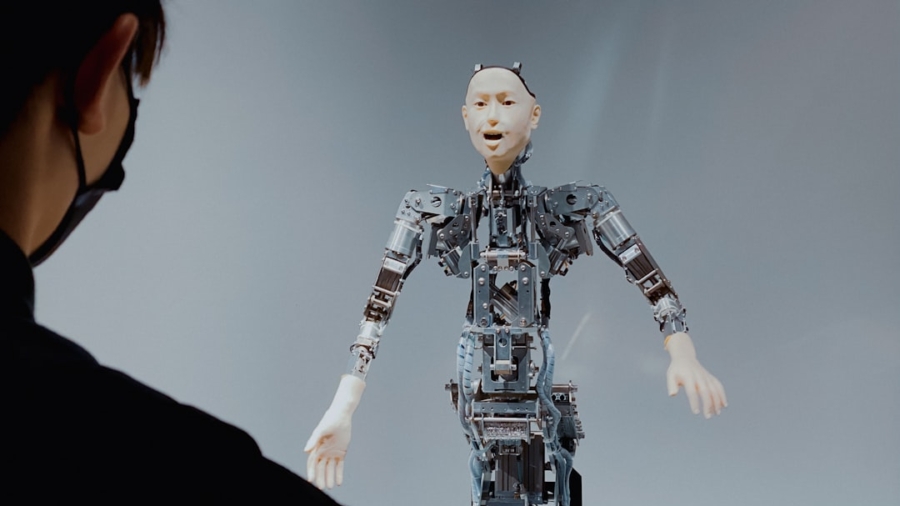
So, you’re wondering about using humanoid robots in e-commerce fulfillment centers. The short answer is: they’re not quite ready for widespread, independent deployment just yet, but the potential is huge, and early integration for specific tasks is already starting to happen.
We’re talking about a future where these robots could significantly augment human capabilities, not necessarily replace them wholesale, especially in the near term.
Why Humanoid Robots in Fulfillment?
The e-commerce fulfillment world is a whirlwind of repetitive tasks, fluctuating demand, and the constant pressure of speed and accuracy. Traditionally, this has relied heavily on human labor, often in physically demanding environments. Automated guided vehicles (AGVs) and autonomous mobile robots (AMRs) have already made significant inroads, handling transport and some basic manipulation. But humanoids offer something different: dexterity and adaptability that come closer to human capabilities. Imagine a robot that can not only pick up a box but also carefully open a package, sort individual items, or even troubleshoot a minor jam on a conveyor belt with human-like precision.
The Core Challenges of E-commerce Fulfillment
Before we dive into how humanoids can help, let’s briefly touch on the inherent challenges that make this such a ripe area for innovation:
- Labor Shortages: Finding and retaining skilled labor for fulfillment centers is a persistent problem, particularly during peak seasons.
- Repetitive Strain Injuries (RSIs): Many tasks involve repetitive motions, leading to injuries and high turnover.
- Variable Product SKUs: E-commerce warehouses deal with an enormous variety of product shapes, sizes, and weights, making traditional automation difficult.
- Fluctuating Demand: Spikes in demand require quick scaling of operations, which is tough with a human workforce.
- Last-Mile Logistics: The final leg of delivery is often the most expensive and complex, and while humanoids aren’t directly involved here, their efficiency upstream impacts it.
In exploring the integration of humanoid robots into e-commerce fulfillment center workflows, it is essential to consider the broader implications of automation in various industries. A related article that delves into the impact of technology on modern business practices can be found at The Verge: An Ambitious Multimedia Effort. This piece discusses how advancements in automation and robotics are reshaping the landscape of e-commerce, highlighting the potential benefits and challenges that come with adopting such innovative solutions in fulfillment operations.
Current Capabilities & Emerging Roles
Right now, humanoid robots are primarily in the research and development phase for complex, unstructured environments. However, their increasing dexterity and AI-driven perception are opening doors for specific, targeted roles within fulfillment centers.
Picking and Packing Augmentation
This is perhaps the most obvious application. Humanoid robots, with their articulated hands and arms, can potentially handle a much wider range of items than traditional grippers.
- Mixed Pallet Unloading: Unloading pallets with a chaotic mix of different-sized boxes and items is a complex task for traditional robots. Humanoids, with advanced vision and grip technologies, could potentially identify, grasp, and move these items more effectively.
- Individual Item Picking (Each Picking): The “holy grail” of warehouse automation. Picking a single tube of toothpaste or a delicate piece of clothing from a bin requires a level of finesse that humanoids are beginning to demonstrate. Their ability to adapt their grip and apply appropriate force is critical here.
- Packing Station Support: Assisting human workers at packing stations by fetching specific packing materials, folding boxes, or even placing items into shipping containers according to specific layouts.
Sorting and Kitting
Beyond just picking, humanoids could play a significant role in organizing and assembling orders.
- Automated Kitting: For businesses that sell bundles of products (e.g., a “starter kit” with multiple items), humanoids could identify all necessary components, pick them, and place them together for assembly or shipment. This is especially useful for complex kits where items might be stored in different locations.
- Returns Processing: This is a notoriously difficult and costly area. Humanoids could potentially inspect returned items, sort them by condition, and place them into designated bins for restocking, refurbishment, or disposal. This requires a high degree of visual perception and decision-making.
Inventory Management and Auditing
Keeping track of inventory is crucial. Humanoids could offer a new approach to this.
- Shelf Scanning and Replenishment: While AMRs can scan aisles, humanoids could potentially reach shelves, identify misplaced items, and even physically reposition them. They could also assist in replenishing stock on shelves from larger storage areas.
- Cycle Counting and Discrepancy Identification: Regularly auditing inventory to ensure accuracy. Humanoids could navigate aisles, visually verify item counts, and flag discrepancies for human review, reducing the manual effort involved.
Integrating with Existing Infrastructure
A key aspect of successful implementation isn’t just what the robots can do, but how well they fit into the current operational landscape.
Collaborative Workspaces
The idea isn’t necessarily to have robots working in isolation, but alongside humans.
- Shared Aisles and Workstations: Humanoids are being designed to navigate safely in environments with human workers, often employing advanced sensor arrays and predictive movement algorithms. This means they can share pathways and even work side-by-side at packing benches without dedicated, segregated zones.
- Human-Robot Handover Points: Designing clear protocols for when a robot passes an item to a human, or vice-versa, ensures a smooth workflow. This might involve specific designated areas or verbal/visual cues.
Data Exchange and System Interoperability
Robots need to talk to the warehouse management system (WMS) and other operational software.
- API Integration: Seamless communication through Application Programming Interfaces (APIs) is critical for robots to receive task assignments, report completion, and update inventory levels in real-time.
- Sensor Data Fusion: Integrating data from robot cameras, lidar, and other sensors with the WMS provides a richer, more accurate picture of the warehouse environment. This could lead to better route optimization, obstacle avoidance, and even predictive maintenance.
Charging and Maintenance Infrastructure
Robots, like any machine, need to be powered and maintained.
- Automated Charging Docks: Humanoids will need to autonomously navigate to charging stations when their battery levels are low, minimizing human intervention.
- Predictive Maintenance Monitoring: Sensors within the robots can monitor their own performance and flag potential issues before they lead to breakdowns, allowing for proactive maintenance scheduling.
The Road Ahead: Challenges and Considerations
While the promise of humanoid robots is exciting, there are significant hurdles to overcome before they become a common sight in fulfillment centers.
Technical Hurdles
This isn’t just about building a body; it’s about building a brain that can handle the unpredictability of a warehouse.
- Dexterity and Grasping: Human hands are incredibly versatile. Replicating that level of dexterity, especially with soft or oddly shaped items, remains a major challenge. Advances in multi-fingered grippers and force feedback are helping, but it’s an ongoing area of research.
- Navigation in Dynamic Environments: Warehouses are constantly changing – forklifts moving, boxes stacked, people walking. Robots need robust navigation systems that can handle these dynamic conditions safely and efficiently.
- Perception and Object Recognition: Accurately identifying a vast array of different products, regardless of lighting conditions, occlusions, or variations in packaging, is crucial. This relies on advanced computer vision and machine learning.
- Battery Life and Endurance: For sustained operation, humanoids will need battery technology that allows for long shifts and quick, efficient recharging.
- Cost: Currently, advanced humanoid robots are expensive to procure, deploy, and maintain. As technology matures and scales, costs are expected to decrease, but initial investment remains a barrier for many.
Operational and Human Factors
It’s not just about the robots; it’s about the people and processes around them.
- Workforce Training and Adaptation: Integrating robots means redefining human roles. Workers will need training to operate, troubleshoot, and collaborate with these new tools. This requires a shift from manual labor to supervisory and maintenance roles.
- Safety Protocols and Standards: Ensuring that robots can operate safely alongside humans is paramount. This involves developing rigorous safety standards, collision avoidance systems, and emergency stop procedures.
- ROI Justification: Businesses need a clear understanding of the return on investment. This means accurately measuring productivity gains, cost savings, and improvements in accuracy and safety. The long-term benefits need to outweigh the significant upfront costs.
Ethical and Societal Implications
As with any major technological shift, there are broader considerations.
- Job Displacement Concerns: While the immediate focus is on augmentation, the long-term impact on employment is a valid concern that needs careful planning and policy consideration, focusing on reskilling and new job creation.
- Data Privacy and Security: Robots will be collecting vast amounts of data about warehouse operations. Ensuring the security and ethical use of this data is critical.
- Public Perception: How will the public react to increasingly autonomous humanoid robots in the supply chain? Transparency and education will be important.
Integrating humanoid robots into e-commerce fulfillment center workflows is a fascinating development that highlights the intersection of technology and logistics. For those interested in exploring how innovative tools can enhance operational efficiency, a related article discusses the transformative potential of advanced keyword research tools in digital marketing strategies. You can read more about it in this insightful piece on keyword research tools, which complements the discussion on automation in e-commerce.
The Future Outlook: Phased Adoption
The integration of humanoid robots into e-commerce fulfillment centers won’t be a sudden revolution but a gradual evolution. We’ll likely see a phased approach:
- Pilot Programs and Niche Applications: Initial deployment will focus on specific, well-defined tasks where the robots offer clear advantages and where the environment can be somewhat controlled.
- Augmentation over Replacement: For the foreseeable future, humanoids will likely augment human workers, handling the most physically demanding, repetitive, or hazardous tasks, allowing humans to focus on more complex problem-solving and oversight.
- Increased Autonomy and Adaptability: As AI and robotics technology matures, the robots will become more autonomous, capable of handling a wider variety of tasks and adapting to unforeseen circumstances with less human intervention.
- Standardization and Ecosystem Development: The industry will eventually move towards more standardized robot platforms, interoperability standards, and a robust ecosystem of developers and service providers.
Ultimately, the goal is to create more efficient, resilient, and safer fulfillment operations. Humanoid robots, with their unique blend of dexterity and adaptability, hold immense promise for achieving this, transforming the backbone of our e-commerce economy step by thoughtful step.
FAQs
What are humanoid robots?
Humanoid robots are robots designed to resemble and mimic human movements and behaviors. They are typically equipped with human-like features such as arms, legs, and a head, and are often used in tasks that require human interaction or dexterity.
How are humanoid robots being integrated into e-commerce fulfillment center workflows?
Humanoid robots are being integrated into e-commerce fulfillment center workflows to assist with tasks such as picking, packing, and sorting items. They can navigate through warehouse environments, locate and retrieve items, and even interact with human workers to collaborate on tasks.
What are the benefits of integrating humanoid robots into e-commerce fulfillment center workflows?
Integrating humanoid robots into e-commerce fulfillment center workflows can lead to increased efficiency, accuracy, and productivity. They can help reduce the physical strain on human workers, minimize errors, and optimize the use of warehouse space.
Are there any challenges associated with integrating humanoid robots into e-commerce fulfillment center workflows?
Challenges associated with integrating humanoid robots into e-commerce fulfillment center workflows include the initial cost of implementation, the need for specialized training for human workers, and potential technical issues or malfunctions.
What is the future outlook for the integration of humanoid robots into e-commerce fulfillment center workflows?
The future outlook for the integration of humanoid robots into e-commerce fulfillment center workflows is promising. As technology continues to advance, humanoid robots are expected to become more sophisticated and capable of handling a wider range of tasks, ultimately transforming the way e-commerce fulfillment centers operate.
Enjoying our content? Make us a preferred source on Google:
Add us as a Preferred Source on Google