

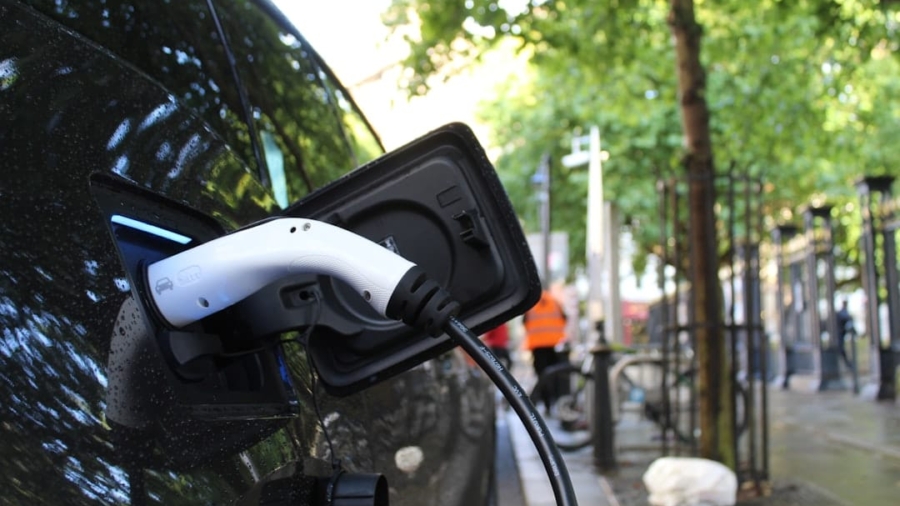
Thinking about plugging your electric car into your home’s power grid? It’s a pretty exciting prospect, and it’s becoming more common than you might think. Essentially, integrating EVs into your home grid means your car can do more than just take power from the grid to charge up; it can also potentially send power back to your house or even back to the wider electrical network. This can save you money, provide backup power, and even help stabilize the grid. Let’s break down what this actually involves and how it might work for you.
When we talk about integrating electric vehicles (EVs) into your home power grid, we’re really talking about bidirectional charging. This is the key technology that allows electricity to flow in both directions – from the grid to the car, and from the car back to your home. It’s not just about having a plug anymore; it’s about smart management of energy.
More Than Just a Battery on Wheels
Think of your EV battery as a giant, portable storage unit. Traditionally, you just used it for driving. Bidirectional charging unlocks its potential to be so much more. It can be a power source for your household needs or a contributor to the larger electricity system.
The Three Main Ways EVs Connect
There are a few ways your EV can interact with your home grid, each with slightly different implications:
Vehicle-to-Load (V2L)
This is the simplest form of bidirectional charging. With V2L, your EV can power external devices or even your entire home for a limited time. It’s like having a very powerful portable generator, but without the noise and emissions. You’ll typically need an adapter and a compatible EV.
Vehicle-to-Home (V2H)
This is an extension of V2L. V2H specifically focuses on using your EV’s battery to power your home’s essential appliances and systems during an outage or peak demand periods. This requires a more sophisticated setup, often including a home energy management system.
Vehicle-to-Grid (V2G)
This is the most advanced concept, where your EV can not only power your home but also send electricity back to the utility grid. Utilities can then use this distributed energy storage to help balance supply and demand, reducing the need for expensive peaker plants and improving grid stability. This usually involves agreements with your utility company.
Integrating electric vehicles into home power grids is a crucial step towards enhancing energy efficiency and sustainability. For those interested in exploring related technological advancements, the article on the features of the Samsung Galaxy Chromebook 2 provides insights into how modern devices can support smart home integrations. You can read more about it here: Exploring the Features of the Samsung Galaxy Chromebook 2.
Key Takeaways
- Clear communication is essential for effective teamwork
- Active listening is crucial for understanding team members’ perspectives
- Setting clear goals and expectations helps to keep the team focused
- Regular feedback and open communication can help address any issues early on
- Celebrating achievements and milestones can boost team morale and motivation
The Hardware You’ll Need for Integration
Getting your EV to play nicely with your home grid isn’t a simple “plug and play” situation for most functionalities.
There’s a bit of hardware involved to make it all happen safely and efficiently.
Your Electric Vehicle Itself
Not all EVs are created equal when it comes to bidirectional charging. This technology needs to be built into the car’s power electronics.
Looking for Bidirectional Capabilities
When shopping for an EV, if you’re keen on using it for V2H or V2G, make sure to check the specifications for bidirectional charging capabilities. Manufacturers are increasingly offering this, but it’s not yet standard across the board. Some models might only support V2L initially, with V2H/V2G functionality unlocked via software updates or additional hardware.
The Charging Equipment
The charger is a crucial piece of the puzzle. A standard EV charger (Level 1 or Level 2) is only designed to pull power from the grid. For bidirectional charging, you need a special kind of charger.
Bidirectional EV Chargers
These “smart” chargers are designed to manage the flow of electricity in both directions. They communicate with your car and your home energy system to determine when and how much power to charge from or discharge to. They’re often more expensive than single-direction chargers but are essential for V2H and V2G.
Home Energy Management Systems (HEMS)
This is the “brain” of your integrated system. A HEMS is a sophisticated piece of technology that monitors and controls your home’s energy consumption and generation. It dictates when to charge your EV, when to use its battery power, and how to interact with the grid.
The Role of Smart Home Technology
A HEMS often ties into your smart home ecosystem. It can prioritize which appliances to power from the EV battery during an outage or when electricity prices are high. It allows for automated decision-making based on your preferences, grid conditions, and electricity rates.
Utility Interconnection and Approval
For V2G, and sometimes even for advanced V2H, you’ll need to work with your utility company. They need to approve the installation and ensure your system meets their safety and operational standards.
Understanding Grid Codes and Regulations
Utilities have specific rules and “grid codes” that equipment must comply with to be connected to the grid. This ensures that your EV, when discharging, doesn’t negatively impact the stability or quality of the power supply for other customers.
How Bidirectional Charging Works in Practice: Use Cases and Benefits

So, what can you actually do with this technology? The benefits can be quite significant, both for your wallet and for your peace of mind.
Saving Money on Electricity Bills
One of the most immediate benefits is the potential to reduce your electricity costs.
Time-of-Use (TOU) Rate Optimization
Many utility companies offer time-of-use electricity rates, meaning electricity is cheaper during off-peak hours (like late at night) and more expensive during peak hours (like late afternoon). With bidirectional charging, you can charge your EV when electricity is cheap and then use that stored energy to power your home during expensive peak hours, effectively buying low and using high.
Peak Shaving
By discharging your EV battery during periods of high demand on the grid (peak hours), you can reduce your reliance on expensive grid power.
This is especially beneficial if your utility has demand charges, which are based on your highest power consumption during a billing period.
Backup Power for Your Home
This is a huge advantage, especially in areas prone to power outages.
Emergency Power Supply
During a grid outage, your EV can become your home’s backup generator. With V2H, you can power essential appliances like refrigerators, lights, and heating/cooling systems, keeping your household comfortable and functional until the grid is restored. This is a much cleaner and quieter alternative to traditional gasoline generators.
Extended Outage Resilience
Depending on your EV’s battery capacity and your home’s energy needs, you could potentially power your home for days during an extended outage.
This offers a significant level of resilience that many homeowners currently lack.
Supporting the Wider Electrical Grid (V2G)
This is where the real innovation for the grid comes in.
Grid Stability Services
Utilities are increasingly looking for ways to balance the grid, especially with the rise of intermittent renewable energy sources like solar and wind. EVs with V2G capabilities can act as distributed energy storage, providing services like frequency regulation and voltage support, which are crucial for maintaining a stable grid.
Reducing Reliance on Fossil Fuels
By acting as storage for renewable energy, EVs can help integrate more solar and wind power into the grid. When renewable generation is high, EVs can charge up.
When renewable generation is low, they can discharge that stored energy, reducing the need for electricity from fossil fuel-powered plants.
Safety Considerations and Installation Requirements

Integrating a bidirectional power system into your home is a serious undertaking, and safety is paramount.
Electrical Safety Standards
Bidirectional charging systems are sophisticated and involve high-voltage electricity. It’s crucial that all components meet rigorous safety standards.
UL Certifications and Other Standards
Ensure that your EV, bidirectional charger, and any home energy management system are certified by recognized safety organizations like Underwriters Laboratories (UL). This guarantees they have been tested for electrical safety and electromagnetic compatibility.
Professional Installation is Key
This isn’t a DIY project for most people. A qualified electrician is essential.
Qualified and Experienced Electricians
You need an electrician who is experienced with home energy systems, EV charging installations, and ideally, has specific training in bidirectional charging technology. They will ensure the system is wired correctly, grounded properly, and compliant with all local electrical codes.
Grid Interconnection Agreements
When you want your EV to interact with the utility grid (V2G), formal agreements are necessary.
Utility Company Approval and Permits
Your utility company will have specific requirements and procedures for approving V2G installations. This often involves submitting plans, undergoing inspections, and signing interconnection agreements that outline the terms of your participation in grid services. This process can vary significantly by region.
Home Electrical Panel Capacity
Your home’s electrical panel needs to be able to handle the power demands, both charging and discharging.
Assessing Your Existing Infrastructure
The electrician will assess your current electrical panel’s capacity. If your system is older or undersized, you might need an upgrade to accommodate the bidirectional charging system. This is an important factor in the overall cost and feasibility of the installation.
Integrating electric vehicles into home power grids presents a unique opportunity to enhance energy efficiency and sustainability. As homeowners increasingly adopt electric vehicles, understanding how to effectively manage this integration becomes crucial. For those interested in optimizing their home environments, exploring related technologies can be beneficial. A useful resource on this topic can be found in an article about the best software for interior design, which discusses innovative solutions that can complement energy management systems. You can read more about it here.
The Future Outlook and What to Expect
| Metrics | Value |
|---|---|
| Number of Electric Vehicles (EVs) in Home | 5 |
| Charging Time (hours) | 4 |
| Electricity Consumption per Charge (kWh) | 30 |
| Cost of Electricity per Charge | 0.12 |
| Impact on Home Power Grid | Low |
Bidirectional EV charging is still emerging, but its potential is immense. Here’s a glimpse of what’s likely to come.
Increasing EV Model Availability
More and more EV manufacturers are embracing bidirectional charging. As the technology matures and becomes more mainstream, expect to see a wider range of models offering this capability.
Beyond Luxury Sedans
What started in some higher-end models is expected to trickle down to more affordable and popular EVs, making this technology accessible to a broader audience.
Evolving Utility Programs and Incentives
Utilities are just beginning to explore the possibilities of V2G.
Pilot Programs and Demand Response
Many utilities are running pilot programs to test V2G and develop business models. As these programs prove successful, we’ll likely see more formal incentive structures and rate plans that reward EV owners for participating in grid services.
Smart Grid Integration
Bidirectional charging is a cornerstone of the “smart grid” of the future, where decentralized energy resources like EVs, solar panels, and battery storage work together to create a more resilient, efficient, and cleaner energy system.
Advancements in Home Energy Management
HEMS will become more sophisticated and integrated.
Seamless Automation
Future HEMS will offer even more seamless automation, learning your habits and preferences to optimize energy usage without requiring constant manual input. They’ll become even better at predicting grid conditions and energy prices to make the most advantageous decisions for you.
The Practicalities for Homeowners
While the technology is exciting, there are still practical considerations for homeowners today.
Cost of Entry
The initial investment in a bidirectional charger and potentially a HEMS can be significant. However, as the market matures, costs are expected to decrease.
Complexity of Set-up
The installation and configuration can be more complex than a standard home EV charger. It’s important to choose installers who are knowledgeable and experienced.
Understanding Your Utility
The specific opportunities and requirements for V2G will heavily depend on your local utility company. It’s worth checking their website or contacting them to understand their current stance and future plans regarding EV integration.
Integrating your electric vehicle into your home power grid is a step towards a more empowered and sustainable energy future. While it involves some investment and careful planning, the benefits in terms of cost savings, energy independence, and environmental impact are substantial and only set to grow.
FAQs
What are electric vehicles (EVs) and how do they work?
Electric vehicles are vehicles that are powered by electric motors and use rechargeable batteries or fuel cells to store and generate electricity. They work by using the stored electricity to power the motor, which then propels the vehicle.
How can electric vehicles be integrated into home power grids?
Electric vehicles can be integrated into home power grids through a process called vehicle-to-home (V2H) or vehicle-to-grid (V2G) technology. This allows EVs to store excess energy from the home grid and then discharge it back into the grid when needed.
What are the benefits of integrating electric vehicles into home power grids?
Integrating electric vehicles into home power grids can help balance energy demand and supply, reduce peak load on the grid, and provide backup power during outages. It can also help reduce overall energy costs and promote the use of renewable energy sources.
What are the challenges of integrating electric vehicles into home power grids?
Challenges of integrating electric vehicles into home power grids include the need for advanced infrastructure, potential strain on the grid during peak charging times, and the development of standardized protocols for V2H and V2G technology.
What are some examples of companies or initiatives working on integrating electric vehicles into home power grids?
Several companies and initiatives are working on integrating electric vehicles into home power grids, including Nissan’s “Vehicle-to-Home” system, Honda’s “Smart Home” project, and various research projects and pilot programs around the world.
Enjoying our content? Make us a preferred source on Google:
Add us as a Preferred Source on Google