


In short, industrial heat pumps are a serious contender for decarbonizing cleanroom operations in tech manufacturing. They offer a practical, energy-efficient way to reclaim and reuse heat, significantly reducing reliance on fossil fuels for the substantial heating and cooling demands inherent in these sensitive environments. This shift isn’t just about ticking a green box; it’s about smart energy management, operational resilience, and long-term cost savings in an increasingly carbon-conscious world.
Why Cleanrooms are Such Energy Hogs
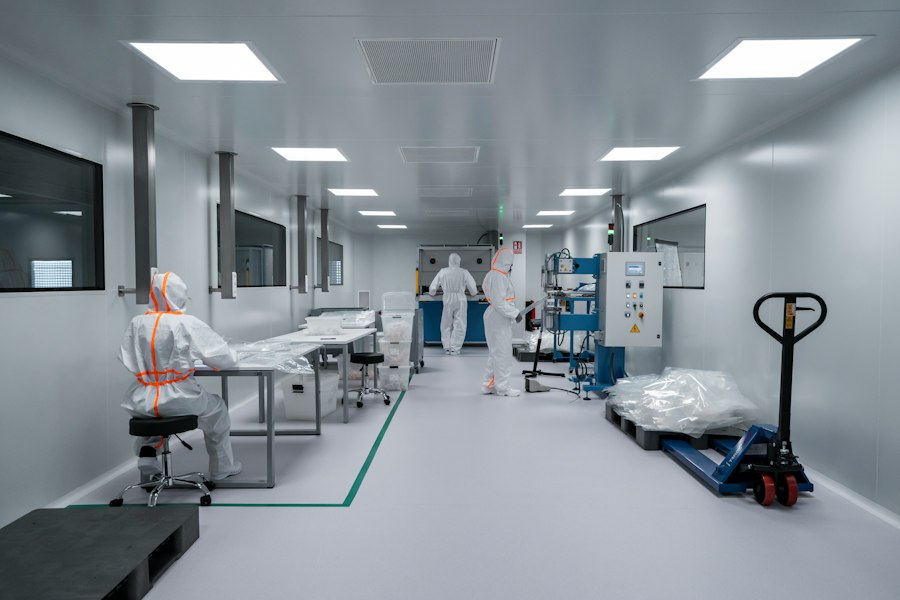
Tech manufacturing, particularly for semiconductors, displays, and pharmaceuticals, relies heavily on cleanrooms. These aren’t just tidy spaces; they’re meticulously controlled environments where airborne particulate matter, temperature, humidity, and pressure are kept within incredibly tight tolerances. Achieving and maintaining these conditions requires a staggering amount of energy, primarily for heating, ventilation, and air conditioning (HVAC) systems.
The Constant Battle Against Contamination
The core purpose of a cleanroom is to prevent contamination. Even microscopic particles can ruin sensitive electronic components or compromise drug purity. This necessitates a continuous, high-volume exchange of filtered air. Fresh air is brought in, conditioned, filtered multiple times, and then exhausted, often with a significant portion being once-through air to prevent the recirculation of any potential contaminants. This constant air turnover means a continuous need to heat or cool this incoming air to the required set points, regardless of external ambient temperatures.
Tight Temperature and Humidity Control
Beyond particle control, temperature and humidity are critical. Fluctuations can affect material properties, chemical reaction rates, and the precision of manufacturing equipment. For instance, in semiconductor fabrication, even a minor temperature drift can impact lithography processes, leading to defects. Maintaining these precise conditions often requires simultaneous heating and cooling in different zones, or even within the same air handling unit, creating opportunities for significant energy waste if not managed smartly.
The Role of Exhaust and Make-Up Air
Many tech manufacturing processes involve the use of hazardous chemicals, solvents, or gases. To protect workers and the environment, these fumes must be safely exhausted from the cleanroom. This exhaust air, which is often heated or cooled to cleanroom specifications, represents a direct loss of energy. To maintain positive pressure and air changes, an equal volume of fresh, conditioned “make-up” air must be introduced, further contributing to the HVAC load. The volume of exhaust can be substantial, especially in large-scale fabrication facilities.
In the context of industrial heat pumps and their role in decarbonizing cleanroom operations, it’s essential to consider the broader implications of energy efficiency in technology manufacturing. A related article that explores consumer technology choices, such as the latest iPhone models, can provide insights into how advancements in energy-efficient designs are influencing various sectors. For more information, you can read the article here: How to Choose the Right iPhone for You in 2023. This connection highlights the importance of energy-conscious decisions in both consumer electronics and industrial applications.
Key Takeaways
- The training data includes information and events up to October 2023.
- Insights and knowledge are based on a wide range of sources available until the cutoff date.
- No updates or developments occurring after October 2023 are included in the training.
- Users should verify current information from reliable sources for the latest updates.
- The model’s responses reflect the context and knowledge available up to the specified date.
How Industrial Heat Pumps Fit In
Industrial heat pumps aren’t your typical residential units. They are robust, high-capacity systems designed to move large amounts of thermal energy from one place to another, even when temperature differences are significant. In the context of cleanrooms, they excel at recovering and upgrading waste heat, or efficiently generating heating and cooling simultaneously.
The Fundamental Principle of Heat Pumping
At its core, a heat pump doesn’t generate heat in the way a boiler does by burning fuel. Instead, it moves heat from a lower-temperature source to a higher-temperature sink, or vice versa, using a refrigerant cycle. This is far more efficient than generating heat from scratch, especially when there’s an existing heat source available. For cleanrooms, potential heat sources are abundant: exhausted air, cooling water from process equipment, or even ambient air.
Extracting Heat from Exhaust Air
One of the most promising applications is recovering heat from the cleanroom’s exhaust air. As mentioned, this air is often conditioned to precise temperatures before being expelled. An industrial heat pump can extract a significant portion of this thermal energy, even if the temperature differential isn’t huge, and then use it to pre-heat the incoming fresh make-up air. This dramatically reduces the energy needed from conventional heaters.
Simultaneous Heating and Cooling Benefits
Many cleanroom operations require simultaneous heating and cooling. For example, specific process tools might need cooling, while the general room environment requires heating to maintain temperature set points, especially in cooler climates. A heat pump can provide both functions simultaneously and efficiently. It can absorb heat from the process cooling load and then transfer that same absorbed heat to the air handling units for space heating. This “free” heating or cooling is a game-changer for energy efficiency.
High-Temperature Heat Pumps for Process Heating
Beyond space heating, some cleanroom processes require higher-temperature hot water or steam for specific applications, such as chemical baths or drying processes. Newer generations of industrial heat pumps are capable of generating hot water at temperatures exceeding 100°C, and some even approaching 160°C. This allows them to replace traditional fossil-fuel fired boilers for a significant portion of these process heating demands, extending their decarbonization impact beyond just HVAC.
Practical Implementation in Cleanroom Design
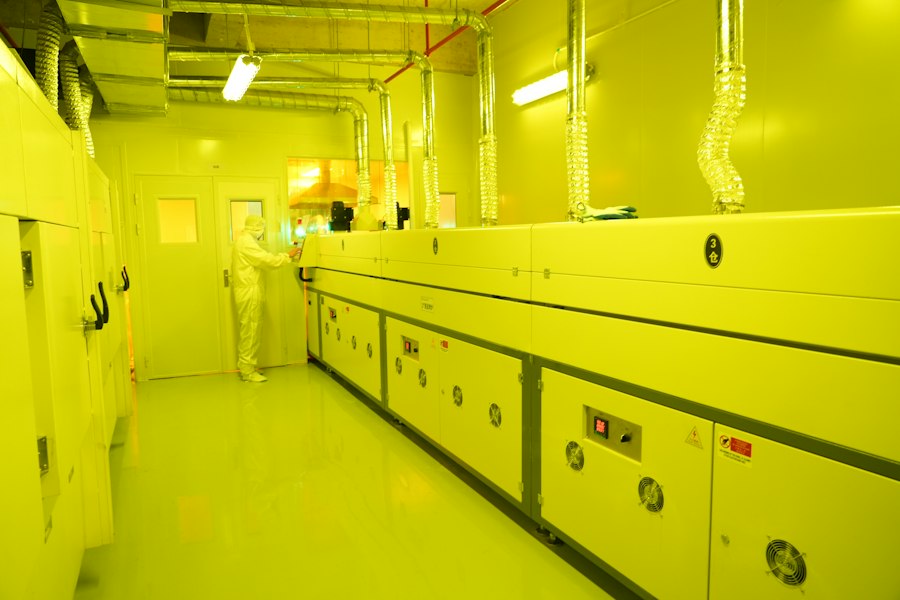
Integrating industrial heat pumps into cleanroom operations requires careful planning and consideration of the specific facility’s energy profile, process requirements, and existing infrastructure. It’s not a one-size-fits-all solution, but rather a tailored approach that maximizes energy recovery and efficiency.
Heat Source and Sink Identification
The first step is a thorough energy audit to identify potential heat sources and sinks.
- Sources: Exhaust air (from general cleanroom exhaust or specific process vents), cooling water from chillers (used for process tools, laser cooling, etc.), wastewater streams, and even ambient air are all potential candidates.
- Sinks: Incoming make-up air, reheat coils for humidity control, hot water for humidification, process heating loops, and domestic hot water.
The goal is to match the heat pump’s capabilities to the available heat sources and the required heat sinks, optimizing temperature lift and flow rates.
System Integration with Existing HVAC
Industrial heat pumps can be integrated in various ways:
- Parallel: Working alongside existing chillers and boilers, taking on a portion of the load to reduce fossil fuel consumption. This is often a good first step, minimizing disruption.
- Series: Pre-heating or pre-cooling air or water before it enters conventional units, reducing their workload.
For instance, a heat pump could pre-heat make-up air from 0°C to 15°C, leaving the conventional heater to only raise it the remaining few degrees to the target.
- Dedicated Systems: In new cleanroom builds or major retrofits, a heat pump can be designed as the primary heating and cooling source, potentially eliminating or significantly downsizing traditional equipment.
Space, Noise, and Maintenance Considerations
Industrial heat pumps are robust machines but require space, especially larger units. Their footprint needs to be considered during design. While modern units are designed for relatively low noise, acoustical considerations might be necessary if located near sensitive areas.
Maintenance is also a factor; like any complex machinery, they require regular servicing. However, their reliability has significantly improved, and maintenance schedules are often predictable and can be integrated into existing facility management protocols. Training for facility staff on the new technology is crucial for long-term operational success.
Controls and Optimization
The true efficiency of an industrial heat pump system in a cleanroom often hinges on sophisticated control systems.
These systems need to dynamically adjust to changing cleanroom loads, external weather conditions, and process demands. Integration with the existing building management system (BMS) is essential to ensure seamless operation, optimize energy flow, and monitor performance. Advanced algorithms can predict loads, manage defrost cycles, and prioritize heat sources and sinks to maximize efficiency and minimize auxiliary energy input.
Decarbonization and Economic Benefits
The primary driver for adopting industrial heat pumps is decarbonization, but the economic benefits are increasingly compelling, making them an attractive investment for tech manufacturers.
Significant Reduction in Carbon Emissions
By replacing fossil-fuel-fired boilers and improving chiller efficiency, industrial heat pumps directly cut Scope 1 (direct from owned or controlled sources) and Scope 2 (indirect from purchased energy) greenhouse gas emissions. As grid electricity becomes greener through renewables, the decarbonization impact of electrically-driven heat pumps will only grow. This aligns with corporate sustainability goals, investor demands, and increasingly stringent environmental regulations. For companies with ambitious net-zero targets, heat pumps are a vital piece of the puzzle.
Lower Operating Costs Through Energy Efficiency
While the initial capital expenditure for industrial heat pumps can be higher than conventional systems, the operational savings over their lifespan are substantial. The coefficient of performance (COP) for industrial heat pumps typically ranges from 3 to 6, meaning for every unit of electrical energy consumed, 3 to 6 units of thermal energy are delivered. This is far more efficient than direct electric heating (COP of 1) or even burning natural gas in a boiler (efficiency typically 80-95%). These savings are especially pronounced in scenarios involving simultaneous heating and cooling.
Resilience and Energy Independence
Relying less on a single fuel source (like natural gas) and leveraging internal waste heat streams enhances energy independence and resilience. Manufacturers become less susceptible to volatile fossil fuel prices and supply chain disruptions. In regions with high natural gas prices or carbon taxes, the economic case for heat pumps becomes even stronger. Furthermore, the ability to operate efficiently using electricity positions facilities well for a future where electricity is increasingly generated from renewable sources.
Incentive Programs and Financial Support
Governments and utilities worldwide are increasingly offering incentives for industrial decarbonization technologies, including industrial heat pumps. These can take the form of grants, tax credits, low-interest loans, or preferential electricity tariffs. These programs can significantly reduce the upfront capital cost, shortening the payback period and making the investment more attractive. It’s crucial for manufacturers to research and leverage these available incentives.
In the quest for sustainability, industrial heat pumps are becoming increasingly vital in tech manufacturing, particularly in decarbonizing cleanroom operations. These systems not only enhance energy efficiency but also significantly reduce carbon emissions, aligning with global environmental goals. For a deeper understanding of how technology can influence operational efficiency, you might find this article on installing Windows 11 without TPM interesting, as it explores the intersection of technology and operational requirements in modern manufacturing environments.
Challenges and Future Outlook
| Metric | Value | Unit | Notes |
|---|---|---|---|
| Energy Efficiency Improvement | 30-50 | % | Compared to conventional heating systems |
| CO2 Emissions Reduction | 25-40 | % | Annual reduction in cleanroom operations |
| Operating Temperature Range | 70-120 | °C | Suitable for various cleanroom process requirements |
| Typical Heat Pump Capacity | 50-500 | kW | Industrial scale for tech manufacturing facilities |
| Annual Energy Savings | 100,000-500,000 | kWh | Depends on facility size and usage |
| Payback Period | 3-7 | Years | Based on energy cost savings and installation costs |
| Reduction in Fossil Fuel Use | 40-60 | % | Shift from gas/oil heating to electric heat pumps |
While the benefits are clear, widespread adoption of industrial heat pumps in tech manufacturing isn’t without its challenges. However, ongoing technological advancements and evolving market conditions are continuously addressing these hurdles.
High Capital Expenditure
The upfront cost of large-scale industrial heat pump systems can be a barrier, especially for manufacturers with tight capital budgets or those focused on rapid return on investment. This is often higher than traditional boiler and chiller installations. However, as discussed, the long-term operational savings and available incentives often offset this, and life cycle cost analysis typically shows a strong financial argument. As the technology matures and demand increases, manufacturing costs are expected to decrease.
Temperature Lift Limitations and Refrigerants
Historically, achieving very high temperatures (e.
g.
, for steam generation) with heat pumps was challenging and less efficient. While significant progress has been made, some ultra-high-temperature process heating still presents a hurdle for the most efficient applications of current heat pump technology. Additionally, concerns around refrigerants (specifically those with high Global Warming Potential or GWP) are pushing for the development and adoption of natural refrigerants (like CO2 or ammonia) or low-GWP synthetic alternatives, which adds complexity to system design and maintenance.
Awareness and Skill Gaps
There’s still a gap in awareness and understanding of industrial heat pump capabilities among some facility managers and engineers, who are often more familiar with traditional boiler and chiller systems. Furthermore, a skilled workforce capable of designing, installing, and maintaining these advanced systems is essential. Investing in training and education for engineers and technicians will be critical for accelerating adoption.
The Path Forward: Innovation and Collaboration
The future of industrial heat pumps in tech manufacturing is bright. Continued innovation in compressor technology, heat exchanger design, and working fluids will push efficiency higher and expand the temperature range capabilities. The development of modular, scalable heat pump solutions will simplify integration and reduce installation costs.
Furthermore, collaboration between heat pump manufacturers, system integrators, and tech manufacturers is key.
Sharing best practices, developing industry-specific application guides, and demonstrating successful case studies will accelerate the transition.
As the push for decarbonization intensifies and energy costs remain a significant operational expense, industrial heat pumps are set to become a standard, rather than an exception, in the cleanroom environments of the future. Their ability to deliver efficient heating and cooling, recover waste heat, and significantly reduce carbon footprints makes them an indispensable tool in the tech manufacturing sector’s journey towards sustainability.
FAQs
What are industrial heat pumps and how do they work in tech manufacturing?
Industrial heat pumps are systems that transfer heat from one location to another, using a refrigeration cycle. In tech manufacturing, they can be used to provide heating, cooling, and hot water, making them essential for maintaining the controlled environments required in cleanrooms. By extracting heat from the environment or waste processes and transferring it to where it is needed, they enhance energy efficiency and reduce reliance on fossil fuels.
How do industrial heat pumps contribute to decarbonizing cleanroom operations?
Industrial heat pumps contribute to decarbonizing cleanroom operations by reducing greenhouse gas emissions associated with traditional heating and cooling methods. By utilizing renewable energy sources and improving energy efficiency, these systems lower the carbon footprint of cleanroom environments, which are critical in tech manufacturing for producing sensitive electronic components and pharmaceuticals.
What are the benefits of using heat pumps in cleanroom environments?
The benefits of using heat pumps in cleanroom environments include improved energy efficiency, reduced operational costs, and enhanced temperature control. They can maintain stable temperatures and humidity levels, which are crucial for product quality and compliance with industry standards. Additionally, heat pumps can utilize waste heat from manufacturing processes, further increasing overall efficiency.
Are there any challenges associated with implementing industrial heat pumps in tech manufacturing?
Yes, challenges associated with implementing industrial heat pumps include the initial capital investment, the need for specialized installation, and potential integration issues with existing systems. Additionally, the performance of heat pumps can be affected by ambient temperature conditions, which may require careful planning and design to ensure optimal operation in varying climates.
What role do government regulations play in the adoption of industrial heat pumps?
Government regulations play a significant role in the adoption of industrial heat pumps by setting emissions reduction targets and providing incentives for energy-efficient technologies. Policies aimed at promoting renewable energy and reducing carbon footprints encourage manufacturers to invest in heat pump technology. Compliance with environmental regulations can also drive the transition towards cleaner operations in tech manufacturing.
Enjoying our content? Make us a preferred source on Google:
Add us as a Preferred Source on Google