

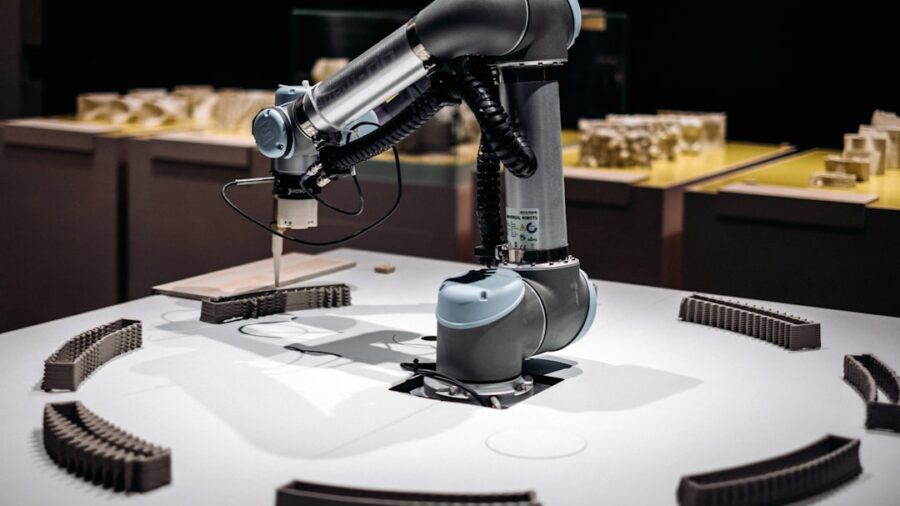
So, you’re curious about how those fancy robots are making a difference in waste recycling? It’s a great question because it directly impacts how much we can actually reuse and how clean our recycled materials become. Basically, robotic sorting systems are designed to speed up and improve the accuracy of separating different types of waste materials. Think of them as super-powered sorters that can identify, pick, and place items much faster and more consistently than manual labor, leading to a significant boost in how much useful stuff we can pull out of the waste stream.
It’s no secret that recycling can be a bit of a messy business. Traditional methods often rely on a mix of magnets, screens, and good old-fashioned human eyes to sort through everything from plastic bottles to cardboard boxes. While these have been the workhorses for decades, they have their limitations. They can be slow, prone to errors, and can expose workers to less-than-ideal conditions. This is where robotic sorting systems come in, offering a more modern and effective solution.
The Need for a Smarter Sort
The sheer volume of waste we generate is staggering, and the composition of that waste is constantly changing. Keeping up with this requires more than just basic sorting. We need systems that can adapt, identify subtle differences, and operate at a pace that matches the flow of materials.
The Growing Mountain of Waste
Every year, we produce more and more garbage. This isn’t just about volume; it’s also about complexity. The rise of single-use plastics, advanced packaging materials, and new product designs means that the job of separating recyclables is becoming increasingly challenging. What might have been easily identifiable years ago can now be a composite material or a very small item, making it harder for traditional methods.
The Limitations of Manual Sorting
While human sorters are invaluable, their work is physically demanding, repetitive, and can be dangerous. There’s a limit to how fast and how accurately a person can pick through a fast-moving stream of waste. Furthermore, when dealing with smaller items or materials that look very similar, human error can creep in, leading to contamination in the recycling stream. This contamination is a big problem because it can devalue the recycled material, making it harder to sell and ultimately less likely to be truly recycled.
Introducing the Robotic Sorter: A New Breed of Recycler
Robotic sorting systems aren’t just about replacing people; they’re about enhancing the entire recycling process. These machines use a combination of advanced sensors, artificial intelligence, and sophisticated robotics to identify and separate materials with remarkable precision.
What Makes a Robot a “Smart” Sorter?
The intelligence behind these systems lies in their ability to “see” and “think.” They are equipped with various sensors that can detect different properties of waste.
Vision Systems: The Eyes of the Robot
High-resolution cameras are a cornerstone of robotic sorting. These cameras can identify objects based on their shape, color, and even texture. Imagine a robot being able to distinguish between a clear PET bottle and a slightly colored one, or a piece of cardboard from a similar-looking piece of paper.
Spectral Analysis: Reading the Material’s DNA
Beyond just visual cues, some robotic sorters use spectral analysis. This technology shines different wavelengths of light onto an object and analyzes how that light is reflected or absorbed. This allows the robot to identify the specific type of plastic, paper, or metal based on its chemical composition. This is crucial for separating different grades of plastic, for instance, which often look identical to the naked eye.
AI and Machine Learning: The Brains of the Operation
What truly elevates these systems is the integration of artificial intelligence (AI) and machine learning (ML). AI algorithms are trained on vast datasets of waste materials. This allows them to learn to recognize an ever-expanding range of items, including those that might be new or unusual. ML means the robots can actually get smarter over time, improving their identification accuracy as they process more materials. If a new type of packaging appears, the system can be updated to recognize it, or it can learn from its own experiences.
The Robotic Arm: The Hands that Do the Work
Once the robot’s “brain” has identified an item, the robotic arm springs into action. These arms are designed for speed and precision, capable of picking up items from a moving conveyor belt and placing them into the correct bin or chute.
Speed and Agility
Modern robotic arms can perform multiple picks per second, far exceeding human capabilities. Their agility allows them to maneuver around other items and select specific objects without disturbing the rest of the stream.
Dexterity and Precision
While speed is important, so is accuracy. Robotic arms are equipped with grippers that can handle a variety of shapes and sizes, from lightweight plastic films to heavier metal cans. This precision minimizes the risk of dropping items or knocking others off course.
In exploring the advancements in waste management, a related article discusses the potential of affiliate marketing in niche sectors, which can be found at this link. Implementing robotic sorting systems to improve waste recycling efficiency not only enhances operational effectiveness but also opens up new avenues for businesses to engage in eco-friendly practices. By leveraging innovative technologies, companies can streamline their recycling processes while simultaneously tapping into the growing market for sustainable solutions.
Key Takeaways
- Clear communication is essential for effective teamwork
- Active listening is crucial for understanding team members’ perspectives
- Setting clear goals and expectations helps to keep the team focused
- Encouraging open and honest feedback fosters a culture of continuous improvement
- Celebrating achievements and milestones boosts team morale and motivation
Boosting Efficiency: The Tangible Benefits of Robotic Sorting
Implementing robotic sorting isn’t just about having shiny new technology; it’s about achieving concrete improvements in how efficiently and effectively we recycle. These systems address many of the bottlenecks and inefficiencies that plague traditional recycling facilities.
Speeding Up the Process
One of the most immediate benefits is the sheer speed at which robots can operate. This has a cascading effect throughout the entire recycling operation.
Increased Throughput
Robotic sorters can process a significantly higher volume of material in the same amount of time compared to manual sorting. This means a recycling facility can handle more waste, potentially reducing the amount that ends up in landfills. It also means that valuable materials are moved through the system more quickly, reducing the time they sit idle.
Reduced Downtime
While human sorters need breaks and can be affected by fatigue, robotic systems can operate continuously. This leads to less downtime and more consistent processing, which is crucial for maintaining operational efficiency and meeting processing targets.
Enhancing Purity and Quality of Recyclables
One of the biggest challenges in recycling is contamination. When the wrong materials get mixed in with the right ones, it can significantly reduce the value and usability of the recycled product. Robots excel at reducing this contamination.
Higher Purity Rates
By accurately identifying and separating materials, robots drastically reduce the amount of incorrect items ending up in the sorted streams. This means cleaner bales of plastic, paper, and metals, which are more desirable for reprocessing companies. Higher purity directly translates to higher market value for the recycled materials.
Identification of Niche Materials
Robots can be programmed to identify and sort materials that are difficult or impossible for humans to consistently pick out, such as specific types of plastics or composite materials. This opens up opportunities to recover and recycle a wider range of valuable resources that might otherwise be lost.
Improving Safety and Working Conditions
The recycling industry, by its nature, can involve hazardous materials and strenuous physical labor. Robotic systems offer a significant upgrade in terms of workplace safety.
Reducing Human Exposure to Hazards
Robots can handle the most dangerous and unpleasant tasks, such as sorting through sharp objects, dealing with potentially contaminated waste, or working in dusty environments. This significantly reduces the risk of injuries for human workers.
Shifting Human Roles to Higher-Value Tasks
By taking over the repetitive and physically demanding sorting tasks, robots free up human workers to focus on more complex, supervisory, or analytical roles. This can lead to more engaging and skilled jobs within the recycling facility, improving employee satisfaction and retaining valuable expertise.
Practical Considerations for Implementation

Thinking about bringing robotic sorting into your recycling operation? It’s not as simple as just plugging in a machine. There are several practical aspects to consider to ensure a successful and efficient integration.
Assessing Your Current Waste Stream
Before you even look at robots, you need to understand what you’re actually dealing with.
The composition and volume of your waste will dictate the type of robotic system you need.
Analyzing Material Composition
What percentage of your waste is plastic? What types of plastic are most common? How much paper and cardboard do you receive?
Understanding the exact makeup of your incoming materials is crucial for selecting robots with the right identification capabilities. For example, if you have a high volume of different plastic types, you’ll need systems with advanced spectral analysis.
Understanding Volume and Flow Rates
How much material are you processing daily or hourly? Robots have specific throughput capacities.
You need to match the robot’s capabilities to your facility’s operational volume to avoid bottlenecks or underutilization of the technology. This also includes understanding the variability in your incoming flow.
Choosing the Right Robotic System
Not all robotic sorting systems are created equal. The best choice will depend on your specific needs and the types of materials you’re handling.
Matching Technology to Task
Are you primarily dealing with rigid containers, flexible films, or a mix of both?
Do you need to identify specific types of paper or metals? Different robotic arms and sensor technologies are better suited for different tasks. For instance, some grippers are designed for delicate films, while others are better for heavier, bulkier items.
Considering Integration with Existing Infrastructure
Your new robotic system will need to fit seamlessly into your current facility.
This means considering conveyor belt speeds, space limitations, and how the sorted materials will be directed to their next stage of processing. Retrofitting can be complex, so planning is key.
The Human Element: Collaboration, Not Replacement
It’s important to dispel the myth that robots are simply there to replace human workers. In reality, successful implementation often involves a collaborative approach.
Training and Upskilling the Workforce
Your existing staff will need to be trained on how to operate, monitor, and maintain the new robotic systems. This is an opportunity to upskill your workforce, creating roles that are more technical and analytical.
Think about training operators, maintenance technicians, and data analysts who can interpret the performance of the robotic systems.
Defining New Roles and Responsibilities
As robots take over certain tasks, human roles will shift. There will be a need for people to oversee the robots, troubleshoot issues, manage data from the systems, and ensure the overall efficiency of the automated sorting process. This can lead to more fulfilling and higher-skilled positions.
The Technology Behind the Magic: Sensors and AI

The impressive capabilities of robotic sorters are down to the sophisticated technology they employ. It’s a blend of cutting-edge hardware and intelligent software working in unison.
The Sensory Array: How Robots See and Analyze
Robots don’t just have cameras; they have a suite of sensors that allow them to gather detailed information about the waste they encounter.
Beyond Basic Cameras: Multi-Spectral Imaging
While standard RGB cameras are common, many advanced systems use multi-spectral or hyperspectral cameras. These cameras capture light across a wider range of the electromagnetic spectrum, allowing them to detect subtle differences in material composition that are invisible to the human eye. This is particularly important for differentiating between various types of plastics, each with its own unique spectral signature.
Other Key Sensors: Metal Detectors, X-rays, and More
Depending on the application, robotic sorters might also incorporate other sensors. Metal detectors can identify ferrous and non-ferrous metals, while X-ray fluorescence (XRF) can provide elemental analysis, helping to identify specific alloys or even hazardous materials. Some systems might even use 3D vision to understand the depth and form of objects more accurately.
The Power of Artificial Intelligence and Machine Learning
The data gathered by these sensors is then processed by powerful AI algorithms. This is where the “intelligence” of the robotic sorter truly shines.
Object Recognition and Classification
AI models are trained to recognize thousands of different objects and material types. They can distinguish between a crushed water bottle, a crumpled newspaper, and a discarded food wrapper. This training involves feeding the AI enormous datasets of images and corresponding material labels.
Continuous Learning and Adaptation
A significant advantage of AI is its ability to learn and adapt over time. As the system encounters new items or variations in existing materials, it can update its recognition models. This means the sorting accuracy can actually improve as the robot operates, making it a highly dynamic and evolving technology. This is particularly valuable in a waste stream that is constantly changing.
Predictive Maintenance and Performance Optimization
Beyond just sorting, AI can also be used to monitor the performance of the robotic system itself. It can predict when maintenance might be needed, identify potential operational issues before they cause downtime, and optimize the sorting parameters for maximum efficiency and purity.
In the quest for enhancing waste recycling efficiency, the implementation of robotic sorting systems has emerged as a groundbreaking solution. These advanced technologies not only streamline the sorting process but also significantly reduce contamination rates in recycling streams. For those interested in optimizing operational efficiency in various sectors, a related article discusses the importance of effective scheduling tools, which can be crucial for managing resources in recycling facilities. You can read more about it in this insightful piece on scheduling software.
Future Trends and Evolving Capabilities
“`html
| Metrics | Before Implementation | After Implementation |
|---|---|---|
| Recycling Efficiency | 60% | 85% |
| Sorting Speed | 100 items/min | 300 items/min |
| Waste Diversion | 40% | 70% |
| Labour Cost | 5000/month | 3000/month |
“`
The world of robotic sorting is not static. The technology is constantly advancing, promising even greater efficiency and expanded capabilities in the years to come.
Increased Dexterity and Specialization
Future robots will likely have even more refined robotic arms and end-effectors (the grippers) capable of handling an even wider array of materials with greater precision. This could include robots designed specifically for sorting very light or brittle materials, or those that can perform delicate manipulation tasks.
Advanced Gripping Technologies
Imagine grippers that can adapt their shape or suction power on the fly, allowing them to pick up anything from a single leaf to a dense block of plastic.
Innovations in soft robotics and adaptive gripping will be key here.
Fine Sorting for Higher-Value Streams
As the technology matures, we’ll see more robots capable of performing highly granular sorting. This means separating materials into very specific grades, such as different colors of PET plastic or specific types of paper fibers. This level of precision can unlock higher-value recycling streams that are currently difficult to achieve.
Deeper Integration with Data Analytics
The data generated by robotic sorting systems is a goldmine of information. Future systems will leverage this data even more effectively.
Real-Time Performance Monitoring and Reporting
Facilities will have access to incredibly detailed real-time dashboards showing the exact composition of incoming waste, sorting accuracy rates, and potential bottlenecks. This allows for proactive management and optimization.
Enhanced Traceability and Material Passporting
In the future, robotic sorting could contribute to a more robust system of material traceability. Imagine being able to generate a “passport” for recycled materials, detailing their origin and composition, which would increase confidence and demand for recycled content.
Enhanced Collaboration Between Humans and Robots
The trend of human-robot collaboration will only deepen. This isn’t just about robots doing the dirty work; it’s about creating smart teams.
Collaborative Robots (Cobots) in Recycling
Cobots, designed to work alongside humans safely, could be deployed for tasks requiring human judgment or fine manipulation that robots currently struggle with. This creates a flexible and adaptable workforce.
AI-Powered Decision Support for Human Operators
AI could provide human operators with real-time insights and recommendations, helping them make better decisions about process adjustments or troubleshooting. The human remains in control, but with enhanced informational support.
By understanding these aspects, from the core technology to the practicalities of implementation and the exciting future possibilities, it becomes clear that robotic sorting systems are not just a passing trend, but a fundamental shift in how we approach waste recycling, making it more efficient, more sustainable, and ultimately, more effective.
FAQs
What are robotic sorting systems for waste recycling?
Robotic sorting systems are advanced technology used in waste recycling facilities to automate the process of sorting and separating different types of materials such as plastics, metals, and paper. These systems use robotic arms and sensors to identify and sort materials, improving efficiency and accuracy in the recycling process.
How do robotic sorting systems improve waste recycling efficiency?
Robotic sorting systems improve waste recycling efficiency by increasing the speed and accuracy of the sorting process. They can work continuously without breaks, reducing the need for manual labor and increasing the overall throughput of materials. This results in higher recycling rates and reduced contamination in the recycling stream.
What are the benefits of implementing robotic sorting systems in waste recycling facilities?
The benefits of implementing robotic sorting systems in waste recycling facilities include increased efficiency, reduced labor costs, improved material recovery rates, and decreased contamination in the recycling stream. Additionally, these systems can help to meet recycling targets and reduce the environmental impact of waste disposal.
Are robotic sorting systems cost-effective for waste recycling facilities?
While the initial investment in robotic sorting systems can be significant, they are often considered cost-effective in the long run due to their ability to improve efficiency, reduce labor costs, and increase material recovery rates. The return on investment for these systems can be substantial, making them a viable option for waste recycling facilities.
What are the challenges of implementing robotic sorting systems in waste recycling facilities?
Challenges of implementing robotic sorting systems in waste recycling facilities include the need for specialized training for operators, potential technical issues with the equipment, and the initial capital investment required. Additionally, integrating these systems into existing recycling processes and facilities may require careful planning and coordination.
Enjoying our content? Make us a preferred source on Google:
Add us as a Preferred Source on Google