

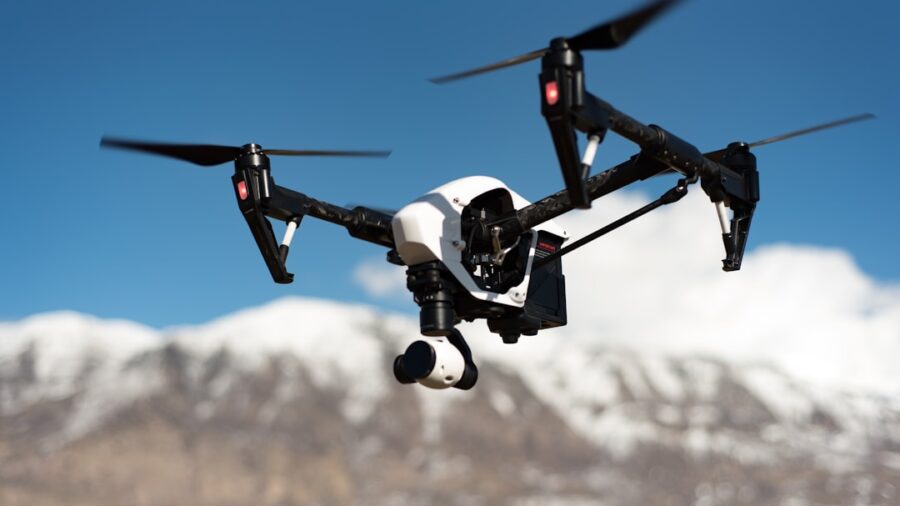
So, you’re wondering if those buzzing drones you see popping up are actually making a difference on offshore oil and gas rigs? The short answer is a resounding yes. Implementing autonomous inspection drones isn’t just a futuristic concept anymore; it’s a practical, evolving reality that’s changing how we keep these massive, complex operations running safely and efficiently. Think less Hollywood sci-fi, more on-the-ground problem-solving.
Why Drones? The Basic Pitch
Let’s be honest, inspecting offshore rigs is a tough gig. It’s dangerous, it’s time-consuming, and it often involves sending people into hazardous areas. Drones, especially the autonomous kind, offer a way to do a lot of this work with significantly reduced risk, often faster, and sometimes with better data than traditional methods. They can get to places humans can’t easily or safely reach, and they can do it repeatedly without fatigue.
In exploring the advancements in technology for the offshore oil and gas industry, the article on implementing autonomous inspection drones highlights the potential for increased safety and efficiency in operations. For further insights into how technology is reshaping various sectors, you might find the article on choosing the best laptop for remote work particularly interesting, as it discusses essential tools that enhance productivity in challenging environments. You can read it here: Discover the Best Laptop for Remote Work Today.
The Nitty-Gritty: What Kinds of Inspections?
This isn’t about just flying a drone around to look pretty. Autonomous drones are being deployed for very specific, critical tasks.
Structural Integrity Checks
The backbone of any rig is its structure. From the legs supporting the platform to the intricate network of pipes and beams, ensuring everything is sound is paramount.
Corrosion Detection
This is a big one. Saltwater and harsh environments are a recipe for corrosion. Drones equipped with high-resolution cameras and specialized sensors can meticulously scan for even the earliest signs of rust or degradation. The advantage here is consistency and thoroughness. A drone can cover an entire section of a pipe or a leg without missing a spot, something a human inspector might inadvertently do due to fatigue or accessibility challenges.
Crack and Defect Identification
Tiny cracks can grow into major problems. Drones can get up close and personal with welds, joints, and load-bearing elements, capturing imagery that allows for detailed analysis of potential fissures or structural weaknesses.
Advanced image processing software can then flag these anomalies for human review.
Weld Inspection
Welds are critical connection points. Autonomous drones can follow pre-programmed flight paths to inspect every weld, looking for imperfections like porosity, undercut, or lack of fusion. This ensures the structural integrity of the entire rig.
Equipment and Asset Monitoring
Beyond the main structure, there’s a whole lot of equipment that needs constant oversight.
Flare Stack Inspections
These tall, often hard-to-reach structures are crucial for safety, but inspecting them is incredibly risky. Drones can ascend flare stacks, capturing detailed imagery of the burner tip, refractory lining, and structural components, identifying issues like erosion, blockage, or damage to insulation.
Crane and Lifting Gear Checks
Cranes are lifelines on a rig, moving materials and equipment. Drones can inspect their booms, cables, and various components for wear and tear, damage, or potential malfunctions without requiring the crane to be taken out of service for extended periods.
Valve and Pipeline Integrity
Thousands of feet of pipelines carry vital fluids and gases. Drones can perform visual inspections of external pipeline surfaces, looking for leaks, dents, or external corrosion. They can also be equipped with thermal cameras to detect abnormal heat signatures that might indicate internal leaks or issues.
Tank and Vessel Inspections
Storage tanks and pressure vessels require regular checks. Drones can navigate the interiors and exteriors of these structures, capturing data on coating integrity, weld quality, and potential signs of stress or damage, all without the need for human entry into potentially confined or hazardous spaces.
The “Autonomous” Factor: What Does It Really Mean?
This is where things get interesting. “Autonomous” doesn’t mean the drone flies itself off the shelf and starts inspecting without human input. It’s a layered approach.
Pre-Planned Missions and Waypoints
The core of autonomy lies in pre-programmed flight paths. Operators define specific areas to inspect, set altitudes, and designate waypoints. The drone then executes this mission with high precision, repeating it identically if needed. This is crucial for consistent data collection over time, making it easy to compare current conditions to past inspections.
Sensor Integration and Data Capture
Drones are packed with sensors. We’re talking high-resolution visible light cameras, thermal imaging cameras, ultrasonic sensors, and even gas detectors. The autonomy allows these sensors to be positioned precisely at the right angle and distance for optimal data capture throughout the programmed mission.
Obstacle Avoidance and Navigation
Modern autonomous drones have sophisticated obstacle avoidance systems. They can identify and navigate around unforeseen obstacles like moving equipment, other drones, or even changes in the rig’s configuration. This significantly reduces the risk of collisions and mission failure.
Real-time Data Transmission and Analysis
While some data is processed onboard, a key aspect of autonomy is the ability to transmit data back to a control center in real-time or near real-time. This allows for immediate review by human experts, enabling faster decision-making and intervention if critical issues are identified. AI and machine learning are increasingly used to analyze this data, flagging potential problems automatically.
Safety First: The Risk Reduction Argument
This is perhaps the most compelling reason for adopting autonomous inspection drones. The offshore oil and gas industry inherently involves significant risks.
Reducing Human Exposure to Hazardous Environments
Think heights, extreme weather, working at sea, and areas with potential for gas leaks or explosions. Sending humans into these zones for routine inspections carries inherent dangers. Drones can take on much of this work, dramatically reducing the time humans spend in high-risk areas.
Minimizing Working at Height Risks
Inspecting tall structures like flare stacks, legs, or elevated pipework often requires extensive work at height. Drones can eliminate or significantly reduce the need for rope access or scaffolding for many of these tasks, a major win for safety.
Faster Emergency Response and Damage Assessment
In the event of an incident, quick and accurate damage assessment is vital. Drones can be launched rapidly to survey the affected areas, providing crucial information to emergency responders and incident managers without putting additional personnel in harm’s way.
Preventing Over-Reliance on Visual Confirmation
Human inspectors are great, but they can miss things. Autonomous drones, with their consistent flight paths and advanced sensor suites, can provide a more comprehensive and objective dataset, reducing the risk of relying solely on visual confirmation which can be subjective.
The integration of autonomous inspection drones in offshore oil and gas rigs is a significant advancement in enhancing safety and efficiency in the industry. A related article discusses how emerging technologies are reshaping operational strategies, providing insights that can help decision-makers identify the most effective solutions for their needs. For further reading on this topic, you can explore the article on technology trends and their impact on various sectors at TechRepublic. This resource offers valuable information that complements the discussion on the implementation of drones in challenging environments.
Operational Efficiency: Saving Time and Money
Beyond safety, there are clear operational benefits.
Reduced Downtime
Traditional inspections can sometimes require significant portions of a rig to be shut down or taken offline. Drones can often perform inspections while operations continue, or with minimal disruption, leading to less lost production time.
Lower Labor Costs
While the initial investment in drone technology and training can be substantial, over the long term, the cost of deploying a drone team can be significantly less than assembling a full crew for manual inspections, especially when factoring in travel, accommodation, and safety equipment.
Improved Data Quality and Management
Autonomous drones capture consistent, high-quality data, often with precise geo-tagging. This creates a digital twin or a comprehensive historical record of the rig’s condition, making it easier to track changes over time, plan maintenance, and predict future needs. This structured data is far more valuable than scattered notes and photographs.
Predictive Maintenance
By analyzing the data collected over time, operators can move from reactive maintenance (fixing things when they break) to predictive maintenance (fixing things before they break). This allows for more efficient scheduling of repairs and procurement of parts, further reducing costs and potential downtime.
Challenges and the Road Ahead
It’s not all smooth sailing. Implementing autonomous inspection drones comes with its own set of hurdles.
Regulatory Frameworks and Airspace Management
Operating drones, especially in complex airspace like offshore environments, involves navigating various aviation regulations and permissions. Ensuring compliance and safe integration with other air traffic (helicopters, fixed-wing aircraft) is an ongoing challenge.
Data Security and Cybersecurity
The vast amounts of data collected by drones need to be securely stored and transmitted. Protecting this sensitive information from cyber threats is paramount, especially in industries that are critical national infrastructure.
Skill Gaps and Training
Operating, maintaining, and analyzing data from autonomous drone systems requires specialized skills. There’s a need for ongoing training and upskilling of the existing workforce to adapt to these new technologies.
Environmental Factors and Reliability
Offshore environments are harsh. Drones need to be robust enough to withstand high winds, saltwater spray, extreme temperatures, and potential impacts. Ensuring their reliability in these conditions is crucial for successful deployment.
Integration with Existing Systems
Seamlessly integrating drone data and workflows into existing asset management and maintenance systems can be complex. This requires careful planning and investment in compatible software and hardware.
Public Perception and Acceptance
While less of an issue on a remote rig, the broader public perception of drone technology can sometimes be a factor. However, within the industry, the focus is increasingly on the tangible benefits.
The Future is Now
Despite the challenges, the trend is clear. Autonomous inspection drones are no longer a niche technology for offshore oil and gas. They are becoming an integral part of ensuring the safety, efficiency, and sustainability of these vital operations. As the technology continues to mature, and as more companies embrace its potential, we’ll see even greater advancements in what these intelligent aerial assistants can achieve. It’s about using smart technology to make a tough job safer and smarter, and that’s a practical improvement anyone can get behind.
FAQs
What are autonomous inspection drones?
Autonomous inspection drones are unmanned aerial vehicles equipped with sensors and cameras that can navigate and collect data without human intervention. They are programmed to perform specific tasks such as inspecting offshore oil and gas rigs for maintenance and safety purposes.
How are autonomous inspection drones implemented in offshore oil and gas rigs?
Autonomous inspection drones are deployed to conduct routine inspections of offshore oil and gas rigs. They are programmed to fly predetermined routes, capture high-resolution images and videos, and collect data on the condition of the infrastructure. This data is then analyzed to identify potential issues and prioritize maintenance activities.
What are the benefits of using autonomous inspection drones in offshore oil and gas rigs?
The use of autonomous inspection drones in offshore oil and gas rigs offers several benefits, including improved safety by reducing the need for human workers to perform dangerous inspections, cost savings by minimizing downtime and maintenance expenses, and more accurate and comprehensive data collection for better decision-making.
What are the challenges of implementing autonomous inspection drones in offshore oil and gas rigs?
Challenges in implementing autonomous inspection drones in offshore oil and gas rigs include regulatory compliance, ensuring the reliability and accuracy of the data collected, and addressing potential cybersecurity risks associated with the use of unmanned aerial vehicles in sensitive industrial environments.
What is the future outlook for the use of autonomous inspection drones in offshore oil and gas rigs?
The future outlook for the use of autonomous inspection drones in offshore oil and gas rigs is promising, with continued advancements in drone technology, data analytics, and artificial intelligence. This is expected to further enhance the efficiency, safety, and cost-effectiveness of inspections and maintenance activities in the offshore energy industry.
Enjoying our content? Make us a preferred source on Google:
Add us as a Preferred Source on Google