


Wearable technology has rapidly evolved over the past decade, transforming the way individuals monitor their health and fitness. From smartwatches to fitness bands, these devices have become integral to personal health management, offering insights into various physiological metrics. Among the myriad of features these gadgets provide, hydration tracking has emerged as a critical component.
As awareness of the importance of hydration grows, so does the demand for innovative solutions that can help individuals maintain optimal fluid levels. Wearable tech is at the forefront of this movement, providing real-time data and personalized recommendations that empower users to make informed decisions about their hydration habits.
Dehydration can lead to a host of health issues, including fatigue, decreased cognitive function, and impaired physical performance. As such, wearable technology that monitors hydration levels can play a pivotal role in promoting wellness. By leveraging sensors and algorithms, these devices can offer users insights into their hydration status, helping them to stay on track with their fluid intake throughout the day.
Key Takeaways
- Wearable technology is increasingly used to monitor hydration levels for better health and performance.
- Proper hydration is crucial for physical and cognitive functions, making tracking essential.
- Advances in sensors and algorithms have improved the accuracy of hydration tracking in wearables.
- Wearable devices help motivate users to maintain better hydration habits through real-time feedback.
- Despite progress, current wearable tech faces challenges like sensor limitations and data accuracy issues.
The Importance of Hydration for Health and Performance
Hydration is fundamental to human health, influencing everything from physical performance to cognitive function. Water constitutes approximately 60% of the human body, playing a vital role in regulating temperature, transporting nutrients, and facilitating cellular processes. When the body is adequately hydrated, it operates efficiently; however, even mild dehydration can lead to significant declines in performance and well-being.
For athletes and active individuals, maintaining optimal hydration levels is crucial for peak performance. Studies have shown that dehydration can impair endurance, strength, and overall athletic performance, making it essential for athletes to monitor their fluid intake closely. Beyond athletic performance, hydration is equally important for cognitive function.
Research indicates that even slight dehydration can negatively impact mood, concentration, and memory. For instance, a study published in the Journal of Nutrition found that participants who were mildly dehydrated experienced increased feelings of fatigue and anxiety, along with decreased cognitive performance. This underscores the importance of staying hydrated not just for physical activities but also for daily tasks that require mental acuity.
As such, understanding one’s hydration needs and ensuring adequate fluid intake is vital for both physical and mental health.
Advancements in Wearable Tech for Hydration Tracking

The landscape of wearable technology has seen remarkable advancements in recent years, particularly in the realm of hydration tracking. Early iterations of fitness trackers primarily focused on step counting and heart rate monitoring; however, modern devices now incorporate sophisticated sensors capable of measuring hydration levels more accurately. For example, some wearables utilize bioimpedance analysis to assess body composition and fluid balance.
This technology sends a small electrical current through the body to measure resistance, providing insights into hydration status based on how well water conducts electricity. Additionally, advancements in skin temperature sensors and sweat analysis have further enhanced hydration tracking capabilities. Some devices can analyze sweat composition to determine electrolyte levels and overall hydration status.
This level of detail allows users to understand not only how much water they need to consume but also how their electrolyte balance may be affected by factors such as exercise intensity or environmental conditions. As technology continues to evolve, we can expect even more sophisticated methods for tracking hydration to emerge, making it easier for users to stay informed about their fluid needs.
How Wearable Tech Is Making Hydration Tracking More Accurate
Accuracy in hydration tracking is paramount for users who rely on wearable technology to guide their fluid intake. Traditional methods of monitoring hydration often involve subjective assessments or generalized recommendations that may not account for individual variability. Wearable tech addresses this issue by providing personalized data based on real-time physiological metrics.
For instance, some advanced wearables can track changes in heart rate variability and body temperature during exercise, allowing them to adjust hydration recommendations dynamically based on the user’s activity level and environmental conditions. Moreover, machine learning algorithms are increasingly being integrated into wearable devices to enhance accuracy further. These algorithms analyze historical data from users to identify patterns and predict future hydration needs based on factors such as activity type, duration, and intensity.
By learning from individual behaviors and responses to different conditions, these devices can offer tailored advice that is more relevant than generic guidelines. This level of personalization not only improves accuracy but also fosters a deeper understanding of one’s unique hydration requirements.
The Role of Wearable Tech in Encouraging Better Hydration Habits
| Metric | Description | Impact of Wearable Tech | Example Devices |
|---|---|---|---|
| Hydration Level Accuracy | Precision in measuring body water content | Improved from ±10% to ±3% with advanced sensors | Gatorade GX, LVL Hydration Monitor |
| Real-Time Monitoring | Ability to track hydration continuously | Enabled 24/7 tracking and instant alerts for dehydration | Fitbit Charge, Garmin Vivosmart |
| User Compliance | Percentage of users following hydration recommendations | Increased by 25% due to personalized reminders | Apple Watch, Hydrate Spark |
| Integration with Health Apps | Syncing hydration data with overall health metrics | Enhanced holistic health insights and goal setting | Samsung Galaxy Watch, WHOOP Strap |
| Battery Life | Duration wearable can track hydration without recharge | Extended from 12 hours to 5 days in newer models | Garmin Fenix, Fitbit Inspire |
Wearable technology plays a significant role in promoting better hydration habits among users by providing constant feedback and reminders. Many devices come equipped with features that alert users when they are falling behind on their hydration goals or when it’s time to take a drink. These reminders can be particularly beneficial for individuals who lead busy lives or are engaged in intense physical activities where they may forget to hydrate regularly.
By integrating these prompts into daily routines, wearables help users develop a more mindful approach to their fluid intake. Furthermore, the gamification aspect of many wearable devices encourages users to engage with their hydration goals actively. Some applications allow users to set challenges or compete with friends regarding their water intake, creating a sense of community and accountability.
This social aspect can be a powerful motivator for individuals who may struggle with maintaining proper hydration on their own. By transforming hydration tracking into an interactive experience, wearable tech fosters healthier habits that can lead to long-term improvements in overall wellness.
Challenges and Limitations of Current Wearable Tech for Hydration Tracking
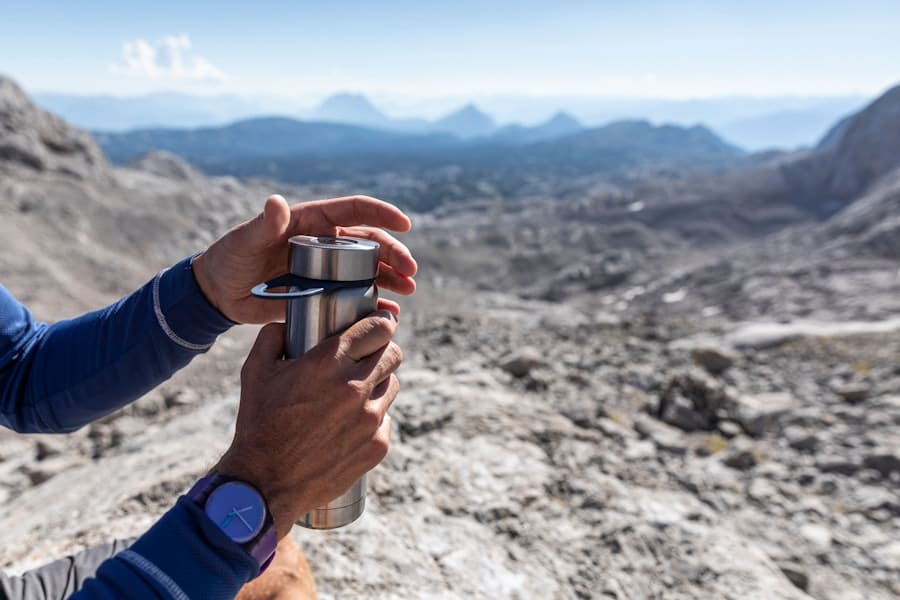
Despite the advancements in wearable technology for hydration tracking, several challenges and limitations remain. One significant issue is the accuracy of hydration measurements across different devices. While some wearables utilize advanced sensors and algorithms, others may rely on less reliable methods that do not provide an accurate representation of an individual’s hydration status.
This inconsistency can lead to confusion among users who may not know which device or method to trust when it comes to monitoring their fluid intake. Another challenge lies in the user interface and experience of these devices. While many wearables offer sophisticated tracking capabilities, they may not always present data in an easily digestible format.
Users may find it overwhelming to interpret complex metrics or navigate through multiple screens to find relevant information about their hydration status. Additionally, battery life remains a concern; frequent charging can deter users from consistently wearing their devices or utilizing all available features effectively. Addressing these challenges will be crucial for manufacturers aiming to enhance user satisfaction and engagement with hydration tracking technologies.
The Future of Wearable Tech in Hydration Tracking
Looking ahead, the future of wearable technology in hydration tracking appears promising as innovations continue to emerge at a rapid pace. One potential direction is the integration of artificial intelligence (AI) into wearable devices, allowing for even more sophisticated analysis of hydration needs based on a broader range of variables. AI could enable wearables to consider factors such as diet, climate conditions, and individual health metrics when providing personalized hydration recommendations.
This level of customization could significantly enhance user experience and effectiveness in maintaining optimal hydration levels. Moreover, as research into the human microbiome advances, there may be opportunities for wearables to incorporate gut health data into hydration tracking. Understanding how gut health influences fluid absorption and retention could lead to more comprehensive insights into an individual’s hydration needs.
Additionally, advancements in materials science may pave the way for more comfortable and unobtrusive wearable designs that seamlessly integrate into daily life without compromising functionality.
The Impact of Wearable Tech on Improving Hydration Tracking
The impact of wearable technology on improving hydration tracking cannot be overstated. As individuals become increasingly aware of the importance of proper hydration for health and performance, wearable devices offer valuable tools for monitoring fluid intake effectively. Through advancements in sensor technology and data analytics, these devices provide personalized insights that empower users to make informed decisions about their hydration habits.
While challenges remain in terms of accuracy and user experience, ongoing innovations promise a future where wearable tech will play an even more significant role in promoting optimal hydration practices. As we continue to explore the intersection of technology and health, it is clear that wearable devices will remain at the forefront of efforts to enhance our understanding and management of hydration needs in an increasingly demanding world.
In exploring the advancements in wearable technology, it’s fascinating to see how these devices are not only enhancing hydration tracking but also improving overall health monitoring. For instance, a related article discusses the capabilities of the Samsung Galaxy S22, which includes features that can complement hydration tracking through its health monitoring applications. You can read more about it in the article Unlock the Possibilities with Samsung Galaxy S22.
FAQs
What is wearable technology for hydration tracking?
Wearable technology for hydration tracking refers to devices such as smartwatches, fitness bands, or specialized sensors that monitor a person’s fluid intake and hydration levels in real time. These devices use various sensors and algorithms to estimate hydration status and remind users to drink water.
How do wearable devices track hydration?
Wearable hydration trackers use sensors that monitor physiological indicators like sweat rate, skin temperature, heart rate, and bioelectrical impedance. Some devices analyze sweat composition or use algorithms to estimate fluid loss and hydration needs, providing personalized hydration recommendations.
What are the benefits of using wearable tech for hydration tracking?
Benefits include improved accuracy in monitoring hydration status, personalized reminders to drink water, prevention of dehydration-related health issues, enhanced athletic performance, and better overall health management. Wearables provide continuous, real-time data that can help users maintain optimal hydration.
Are wearable hydration trackers accurate?
While wearable hydration trackers have improved significantly, their accuracy can vary depending on the technology used and individual differences. They provide useful estimates but may not replace clinical hydration assessments. Ongoing advancements continue to enhance their precision.
Can wearable hydration trackers be used by athletes?
Yes, many athletes use wearable hydration trackers to monitor fluid loss during training and competition. These devices help optimize hydration strategies, improve endurance, and reduce the risk of dehydration-related performance decline or heat-related illnesses.
Do wearable hydration trackers require calibration or maintenance?
Some devices may require initial calibration or periodic updates to maintain accuracy. Maintenance depends on the specific device and may include charging, cleaning sensors, or updating software. Users should follow manufacturer guidelines for optimal performance.
Are wearable hydration trackers suitable for all age groups?
Most wearable hydration trackers are designed for adults and older children, but suitability varies by device. Some wearables are specifically designed for athletes or individuals with medical conditions. It is advisable to consult product specifications and healthcare providers for use in children or elderly individuals.
How do wearable hydration trackers notify users to drink water?
Wearable devices typically use alerts such as vibrations, sounds, or on-screen notifications to remind users to hydrate. These reminders are often based on personalized hydration goals and real-time monitoring of fluid loss or hydration status.
Can wearable hydration trackers integrate with other health apps?
Many wearable hydration trackers can sync with smartphones and integrate data with popular health and fitness apps. This integration allows users to track hydration alongside other health metrics like activity, sleep, and nutrition for a comprehensive wellness overview.
Where can I purchase wearable hydration tracking devices?
Wearable hydration trackers are available through electronics retailers, sporting goods stores, and online marketplaces. It is important to research and choose devices from reputable manufacturers that meet your specific hydration tracking needs.