

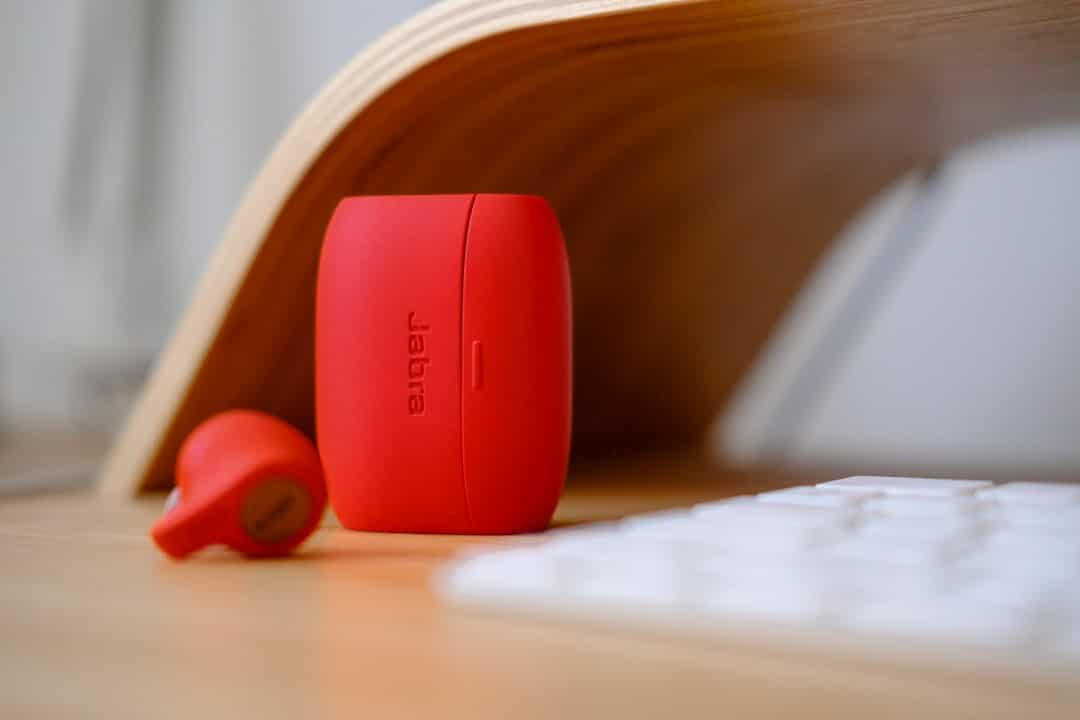
Wearable devices have transformed personal health monitoring capabilities. These portable electronic devices, typically worn on the wrist or integrated into clothing, contain sensors that measure physiological parameters including heart rate, movement, and sleep patterns. The market includes fitness trackers, smartwatches, and specialized health monitoring devices that collect continuous biometric data.
Sleep represents a critical physiological process essential for physical recovery, memory consolidation, and metabolic regulation. Research demonstrates that inadequate or poor-quality sleep correlates with increased risks of cardiovascular disease, diabetes, obesity, and cognitive impairment. Wearable sleep tracking technology utilizes accelerometers, heart rate sensors, and in some cases, additional biometric sensors to monitor sleep duration, sleep stages, and sleep efficiency.
These devices provide quantitative data on sleep metrics, enabling users to identify patterns and potential sleep disturbances that may require attention or lifestyle modifications.
Key Takeaways
- Wearable devices provide continuous monitoring of sleep patterns and quality.
- They collect detailed sleep data for personalized analysis and insights.
- Users can improve sleep habits based on data-driven recommendations.
- Integration of wearables into daily routines enhances sleep management.
- Future developments promise more advanced features for sleep enhancement.
Monitoring Sleep Patterns
Monitoring sleep patterns is one of the primary functions of wearable devices, and it is essential for understanding how well an individual sleeps. Most wearable devices utilize accelerometers and heart rate monitors to track movement and physiological changes during sleep. By analyzing this data, these devices can provide insights into various stages of sleep, including light sleep, deep sleep, and REM (rapid eye movement) sleep.
This information is invaluable for users seeking to optimize their sleep quality, as it allows them to identify trends and patterns that may be affecting their rest. For instance, a user might discover that they consistently experience disruptions during the night due to environmental factors or lifestyle choices. By examining the data collected by their wearable device, they may notice that their deep sleep duration decreases on nights when they consume caffeine late in the day or when they engage in vigorous exercise close to bedtime.
This level of insight enables users to make informed adjustments to their routines, ultimately leading to improved sleep quality. Furthermore, many wearable devices offer features that allow users to set sleep goals and receive reminders to maintain a consistent sleep schedule, reinforcing healthy habits.
Tracking Sleep Quality
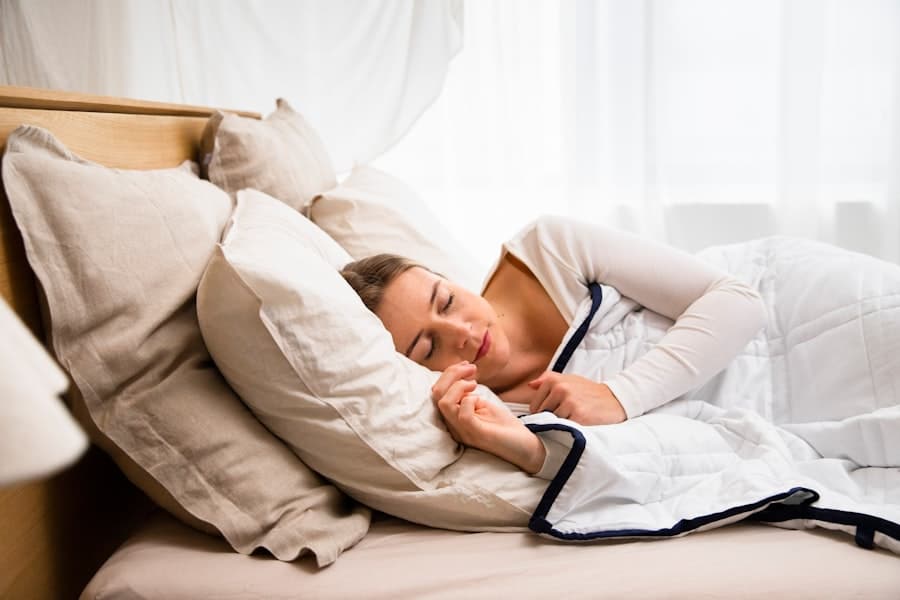
In addition to monitoring sleep patterns, wearable devices excel at tracking sleep quality. Sleep quality encompasses various factors, including the duration of sleep, the number of awakenings throughout the night, and the overall efficiency of sleep cycles. Wearable devices often provide a comprehensive analysis of these elements, allowing users to assess not just how long they slept but also how restorative that sleep was.
For example, a device may indicate that a user spent eight hours in bed but only achieved six hours of actual sleep due to frequent awakenings or prolonged periods of wakefulness. The ability to track sleep quality can be particularly beneficial for individuals who struggle with insomnia or other sleep disorders. By providing detailed insights into their nightly rest, wearable devices can help users identify specific issues that may be contributing to poor sleep quality.
For instance, a user might find that their sleep quality declines significantly on nights when they engage in screen time before bed. Armed with this knowledge, they can take proactive steps to limit exposure to blue light in the evening, thereby enhancing their overall sleep experience.
Analyzing Sleep Data
Analyzing sleep data is a critical component of leveraging wearable devices for improved sleep health. Most wearable devices come equipped with companion apps that aggregate and present data in user-friendly formats. These apps often include visualizations such as graphs and charts that illustrate trends over time, making it easier for users to interpret their sleep patterns and quality.
For example, a user might review a weekly report that highlights their average sleep duration, the percentage of time spent in each sleep stage, and any notable disturbances throughout the week. Moreover, some advanced wearable devices utilize machine learning algorithms to provide personalized insights based on an individual’s unique sleep data. These algorithms can identify correlations between various factors—such as daily activity levels, stress levels, and dietary habits—and their impact on sleep quality.
For instance, a user may receive recommendations suggesting that they engage in relaxation techniques before bedtime if the data indicates elevated heart rates during the night. This level of analysis empowers users to take control of their sleep health by making informed decisions based on concrete evidence rather than guesswork.
Improving Sleep Habits
| Metric | Description | How Wearables Enhance Analysis | Example Data |
|---|---|---|---|
| Total Sleep Duration | Amount of time spent asleep during the night | Automatically tracks sleep start and end times for accurate duration measurement | 7 hours 45 minutes |
| Sleep Stages | Time spent in light, deep, and REM sleep phases | Uses heart rate variability and movement sensors to differentiate sleep stages | Light: 3h 20m, Deep: 2h 10m, REM: 2h 15m |
| Sleep Efficiency | Percentage of time in bed actually spent sleeping | Combines movement and heart rate data to detect wakefulness and restlessness | 88% |
| Sleep Onset Latency | Time taken to fall asleep after going to bed | Monitors movement and physiological signals to detect sleep onset | 15 minutes |
| Awakenings | Number and duration of times waking up during the night | Detects interruptions via motion and heart rate spikes | 3 awakenings, total 20 minutes awake |
| Heart Rate Variability (HRV) | Variation in time between heartbeats, indicating recovery and stress levels | Continuous HRV monitoring during sleep to assess rest quality | Average HRV: 55 ms |
| Respiratory Rate | Number of breaths per minute during sleep | Monitors breathing patterns to detect abnormalities like sleep apnea | 14 breaths/min |
| Sleep Score | Composite score summarizing overall sleep quality | Integrates multiple metrics to provide actionable insights | 85/100 |
Improving sleep habits is a primary goal for many individuals using wearable devices. Armed with insights from their tracked data, users can implement targeted strategies to enhance their nightly rest. For example, if a user discovers that they consistently wake up feeling groggy after nights with irregular bedtimes, they may choose to establish a more consistent sleep schedule.
This could involve setting a specific bedtime and wake-up time each day, even on weekends, to regulate their internal body clock. Additionally, wearable devices often provide features that encourage healthy pre-sleep routines. Many devices include guided breathing exercises or relaxation techniques designed to help users wind down before bed.
By incorporating these practices into their nightly routine, users can create an environment conducive to restful sleep. Furthermore, some wearables offer reminders to disconnect from electronic devices an hour before bedtime, promoting healthier habits that can lead to improved sleep quality over time.
Integrating Wearable Devices with Sleep Routine
Integrating wearable devices into a daily sleep routine can significantly enhance the effectiveness of these tools in promoting better rest. Users can begin by wearing their devices consistently at night to ensure accurate tracking of their sleep patterns and quality. This commitment allows for more reliable data collection over time, enabling users to identify trends and make informed adjustments based on their findings.
Moreover, many wearable devices are designed to sync seamlessly with other smart home technologies. For instance, users can connect their wearables with smart lighting systems that gradually dim as bedtime approaches or smart thermostats that adjust room temperature for optimal sleeping conditions. This integration creates a holistic approach to improving sleep hygiene by aligning environmental factors with personal health data collected by the wearable device.
By fostering an environment tailored to individual needs and preferences, users can maximize the benefits of their wearable technology.
Benefits of Using Wearable Devices for Sleep Enhancement
The benefits of using wearable devices for enhancing sleep are manifold and extend beyond mere tracking capabilities. One significant advantage is the empowerment that comes from having access to personalized data about one’s own body and habits. This self-awareness fosters a proactive approach to health management; individuals are more likely to make positive changes when they can see tangible evidence of how their behaviors impact their well-being.
Additionally, wearable devices often foster accountability through goal-setting features and progress tracking. Users can set specific targets for sleep duration or quality and receive notifications when they meet or fall short of these goals. This gamification aspect encourages individuals to prioritize their sleep health actively.
Furthermore, many wearables offer community features where users can share experiences and tips with others on similar journeys toward better sleep hygiene. This sense of community can provide motivation and support as individuals work toward improving their rest.
Conclusion and Future Developments
As technology continues to evolve, the future of wearable devices in the realm of sleep enhancement looks promising. Innovations such as improved sensor technology and artificial intelligence are likely to lead to even more accurate tracking and analysis capabilities. For instance, future wearables may incorporate advanced biometric sensors capable of monitoring additional physiological markers such as blood oxygen levels or even brain wave activity during sleep.
The integration of telehealth services may also allow users to share their data with healthcare professionals for more comprehensive assessments and tailored interventions regarding sleep disorders or other related health issues. In summary, wearable devices have transformed how individuals approach their sleep health by providing valuable insights into patterns and quality while empowering users to make informed decisions about their habits.
As technology advances further, these tools will undoubtedly play an even more significant role in promoting better sleep hygiene and overall well-being in our increasingly fast-paced world.
Wearable devices have revolutionized the way we monitor and improve our sleep quality, providing insights that were previously unattainable. For a deeper understanding of how these devices enhance our daily lives beyond sleep, you might find the article on com/how-smartwatches-are-enhancing-connectivity/’>how smartwatches are enhancing connectivity particularly interesting.
This article explores the broader implications of wearable technology, including its impact on communication and health monitoring, which complements the analysis of sleep quality enhancement.
FAQs
What are wearable devices used for in sleep quality analysis?
Wearable devices monitor various physiological signals such as heart rate, movement, and oxygen levels to assess sleep patterns and quality. They provide data on sleep duration, stages, and disturbances.
How do wearable devices track sleep stages?
Wearables use sensors like accelerometers and photoplethysmography (PPG) to detect movement and heart rate variability, which help estimate different sleep stages including light, deep, and REM sleep.
Are wearable devices accurate in measuring sleep quality?
While wearable devices offer convenient and continuous sleep monitoring, their accuracy can vary compared to clinical sleep studies (polysomnography). They are generally reliable for tracking sleep duration and patterns but may be less precise in identifying specific sleep disorders.
Can wearable devices help improve sleep quality?
Yes, by providing insights into sleep habits and patterns, wearable devices can help users identify factors affecting their sleep and encourage healthier sleep routines through personalized feedback and recommendations.
Do wearable devices detect sleep disorders?
Some advanced wearable devices can detect signs of sleep disorders such as sleep apnea by monitoring oxygen saturation and breathing patterns, but they are not a substitute for professional medical diagnosis.
What types of data do wearable devices collect for sleep analysis?
Wearables typically collect data on movement (actigraphy), heart rate, heart rate variability, respiratory rate, and blood oxygen levels to analyze sleep quality and disturbances.
Are wearable sleep trackers suitable for all age groups?
Most wearable sleep trackers are designed for adults and older children, but suitability can vary depending on the device. It is important to choose age-appropriate devices and consult healthcare providers for children or individuals with specific health conditions.
How do wearable devices enhance traditional sleep studies?
Wearables enable long-term, real-world sleep monitoring outside of clinical settings, providing more comprehensive data on sleep patterns over time, which can complement traditional sleep studies.
What are the limitations of wearable devices in sleep quality analysis?
Limitations include potential inaccuracies in detecting sleep stages, inability to diagnose complex sleep disorders definitively, and variability in data quality depending on device type and user compliance.
Can wearable devices integrate with other health apps for sleep improvement?
Many wearable devices sync with health and wellness apps, allowing users to track sleep alongside other health metrics like activity and stress, facilitating a holistic approach to improving sleep quality.