

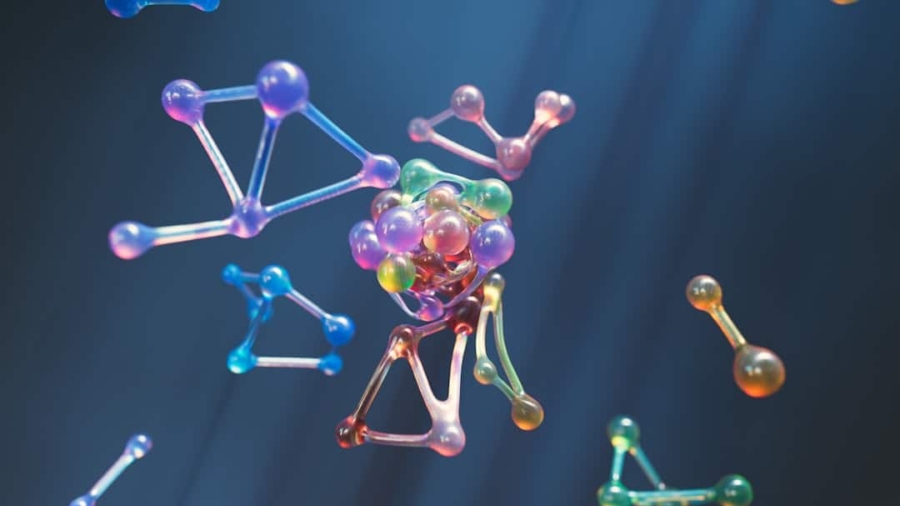
Synthetic biology is fundamentally changing how we make things, offering a path toward more sustainable manufacturing. Essentially, it’s about re-engineering biological systems – think cells or bacteria – to produce chemicals, materials, and energy more efficiently and with less environmental impact than traditional methods. Instead of relying on fossil fuels and environmentally harsh chemical processes, we’re leveraging nature’s own toolkit, optimized by science. This shift has massive implications for reducing waste, lowering carbon footprints, and creating products that are often biodegradable or renewable.
Traditional manufacturing often involves high temperatures, harsh chemicals, and significant waste streams. It’s a resource-intensive process that can leave a lasting environmental mark. Synthetic biology offers an alternative: using living organisms as microscopic factories.
Precision Production with Microbes
Imagine bacteria engineered to churn out specific chemicals or polymers. This isn’t science fiction; it’s happening. Microbes can be programmed to synthesize complex molecules with incredible precision, often in milder conditions than chemical synthesis.
This means less energy consumption and fewer hazardous byproducts.
For example, instead of extracting plant compounds through energy-intensive methods, we can engineer yeast to produce them directly.
Renewable Feedstocks and Reduced Waste
Many synthetic biology processes can utilize renewable feedstocks like agricultural waste, CO2, or even sunlight. This contrasts sharply with the petrochemical industry, which relies on finite fossil resources. Furthermore, the goal is often to design processes where byproducts are minimal or even useful, moving towards a circular economy where waste from one process becomes a valuable input for another.
In exploring the transformative impact of synthetic biology on sustainable manufacturing processes, it is interesting to consider how advancements in technology influence various aspects of our lives, including the tools we provide for our children. For instance, an article on choosing the right tablet for your child discusses the importance of technology in education and development, which parallels the way synthetic biology is shaping the future of manufacturing. To learn more about selecting the best tablet for your child’s needs, you can read the article here: How to Choose Your Child’s First Tablet.
Key Takeaways
- Clear communication is essential for effective teamwork
- Active listening is crucial for understanding team members’ perspectives
- Setting clear goals and expectations helps to keep the team focused
- Regular feedback and open communication can help address any issues early on
- Celebrating achievements and milestones can boost team morale and motivation
Revolutionizing Material Production
The materials we use daily, from plastics to textiles, have significant environmental footprints. Synthetic biology is providing innovative ways to create these materials with sustainability in mind.
Bio-based Plastics: Beyond Degradable
We’ve all heard about biodegradable plastics, but synthetic biology is pushing the boundaries further. It’s enabling the creation of bioplastics that don’t just break down but are also derived from renewable resources in the first place. Think about polymers produced by bacteria feeding on sugar, capable of mimicking the properties of traditional plastics without the petroleum.
PHAs: Nature’s Polymers
Polyhydroxyalkanoates (PHAs) are a prime example. These polyesters are naturally produced by bacteria as energy storage compounds. Scientists are engineering various bacterial strains to produce different types of PHAs, offering a range of material properties that can substitute for conventional plastics like polyethylene and polypropylene. The beauty of PHAs is their biodegradability in natural environments, addressing the persistent plastic pollution problem.
Sustainable Textiles and Apparel
The fashion industry is notoriously resource-intensive, from water usage in cotton farming to harsh dyes and synthetic fibers derived from petroleum. Synthetic biology is offering solutions across the textile value chain.
Engineered Silk and Spider Silk
Imagine producing large quantities of high-performance silk without silkworms. Companies are using engineered microbes to produce silk proteins, including synthetic spider silk. Spider silk is renowned for its exceptional strength and elasticity, making it ideal for everything from high-performance athletic wear to medical implants. This bio-based production eliminates the need for animal farming and offers a scalable, sustainable alternative.
Bio-Dyes and Pigments
Traditional dyes often contain heavy metals and toxic chemicals, leading to significant water pollution. Synthetic biology is enabling the creation of bio-dyes from engineered microorganisms. These vibrant, sustainably produced pigments can significantly reduce the environmental impact of textile dyeing, offering safer alternatives for both workers and the environment.
Transforming Chemical Synthesis and Fuel Production

The chemical industry is a cornerstone of modern society, but it’s also a major contributor to pollution. Synthetic biology is offering cleaner, more efficient pathways for chemical synthesis and bio-fuel production.
Green Chemical Manufacturing
Many essential chemicals, from industrial solvents to pharmaceutical intermediates, are currently synthesized using energy-intensive and often hazardous processes. Synthetic biology is developing modular cellular factories that can produce these chemicals more selectively and with fewer toxic byproducts.
Bio-based Solvents and Adhesives
Instead of petrochemical solvents, imagine industrial solvents produced by fermentation.
This approach not only reduces reliance on fossil fuels but can also lead to less toxic, more biodegradable alternatives. Similarly, bio-based adhesives, formulated from materials produced by engineered microbes, are emerging as sustainable alternatives to synthetic glues derived from petroleum products.
Biofuels: A Step Towards Energy Independence
While not a complete solution, advanced biofuels produced through synthetic biology offer a way to reduce our reliance on fossil fuels for transportation and other energy needs. The focus here is on “drop-in” biofuels that can be used in existing infrastructure without extensive modifications.
Algae for Biofuel Production
Algae are particularly promising for biofuel production.
They grow rapidly, can be cultivated on non-arable land or in wastewater, and produce lipids (oils) that can be converted into fuels. Synthetic biology is being used to engineer algae strains to optimize lipid production, making the process more efficient and cost-effective.
Microbial Production of Advanced Biofuels
Beyond traditional ethanol, synthetic biology is enabling the production of advanced biofuels like isobutanol, farnesene, and diesel-range hydrocarbons from microbes. These molecules are chemically closer to gasoline and diesel, offering higher energy density and better performance than ethanol.
Engineering microbes to produce these directly bypasses energy-intensive upgrading processes.
Innovations in Waste Valorization and Pollution Control

Waste is a significant challenge globally. Synthetic biology offers innovative solutions for not just reducing waste but also transforming it into valuable resources and cleaning up existing pollution.
Turning Waste into Resources
Instead of discarding industrial, agricultural, or even municipal waste, synthetic biology can enable its conversion into useful products. This concept is central to the idea of a circular economy.
Biorefineries: Integrated Waste Conversion
Imagine a biorefinery that takes agricultural residues (like corn stover or sugarcane bagasse) or food waste and uses engineered microbes to convert it into a range of valuable products – from biofuels and biochemicals to bioplastics. This approach maximizes resource utilization and minimizes waste going to landfills.
CO2 Utilization
Perhaps one of the most exciting applications is using synthetic biology to capture and utilize carbon dioxide, a major greenhouse gas. Engineered microbes can be designed to “eat” CO2 and convert it into valuable organic chemicals, fuels, or even building blocks for materials. This transforms a pollutant into a resource, offering a potential pathway for carbon negative manufacturing.
Bioremediation for Environmental Cleanup
Pollution cleanup is often an expensive and challenging endeavor. Synthetic biology is providing new tools for bioremediation, using engineered organisms to break down or detoxify contaminants in soil and water.
Decontamination of Pollutants
Microbes can be engineered to degrade specific pollutants, such as heavy metals, pesticides, or petroleum hydrocarbons. For example, bacteria can be programmed to absorb heavy metals from contaminated water or to break down persistent organic pollutants into less harmful compounds. This approach is often more environmentally friendly and cost-effective than traditional physical or chemical cleanup methods.
Synthetic biology is making significant strides in transforming sustainable manufacturing processes, as highlighted in a recent article that explores innovative technologies reshaping various industries. This evolution not only enhances efficiency but also reduces environmental impact, paving the way for a greener future. For a deeper understanding of how technology is influencing modern lifestyles, you can read about the latest advancements in wearable tech in this article on Wear OS by Google, which showcases the intersection of style and functionality in today’s digital age.
The Road Ahead: Challenges and Opportunities
| Metrics | Data |
|---|---|
| Reduction in carbon emissions | Up to 50% reduction in carbon emissions compared to traditional manufacturing processes |
| Resource efficiency | Increased resource efficiency by up to 80% through bio-based production methods |
| Waste reduction | Up to 90% reduction in waste generated during manufacturing processes |
| Renewable feedstocks | Utilization of renewable feedstocks such as agricultural waste and algae for production |
| Product diversity | Ability to produce a wide range of products including biofuels, bioplastics, and pharmaceuticals |
While the potential of synthetic biology in sustainable manufacturing is immense, there are still hurdles to overcome. Scaling up these processes from the lab to industrial production is a significant challenge, requiring robust engineering and economic viability.
Scaling Up and Economic Viability
Moving from laboratory-scale experiments to industrial production requires considerable investment, optimization, and engineering expertise. The economics must also make sense; bio-based products need to be competitive with their traditional counterparts in terms of cost and performance. This often involves improving the efficiency of microbial strains, optimizing fermentation processes, and developing efficient downstream purification methods.
Regulatory Landscape and Public Acceptance
As with any new technology, clear and consistent regulatory frameworks are essential. Ensuring the safety of engineered organisms and their products, as well as addressing public perception and ethical considerations, are crucial for widespread adoption. Transparency and open dialogue are key to building trust.
Integration with Other Technologies
The true power of synthetic biology often lies in its integration with other advanced technologies, such as artificial intelligence for strain design and optimization, advanced robotics for high-throughput experimentation, and process engineering for efficient scale-up. This interdisciplinary approach will accelerate the development and implementation of sustainable manufacturing solutions.
Synthetic biology holds incredible promise for creating a manufacturing landscape that is not only efficient but also environmentally responsible. By harnessing the power of biology, we can move away from resource-intensive, polluting practices towards a future where innovation and sustainability go hand in hand. It’s an exciting time to be witnessing and contributing to this transformation.
FAQs
What is synthetic biology?
Synthetic biology is a field of science that involves the design and construction of new biological parts, devices, and systems, as well as the re-design of existing, natural biological systems for useful purposes.
How is synthetic biology revolutionizing sustainable manufacturing processes?
Synthetic biology is revolutionizing sustainable manufacturing processes by enabling the production of bio-based materials, chemicals, and fuels using renewable resources and environmentally friendly processes. This reduces the reliance on fossil fuels and minimizes the environmental impact of manufacturing.
What are some examples of sustainable products produced using synthetic biology?
Examples of sustainable products produced using synthetic biology include bio-based plastics, biofuels, enzymes for industrial processes, and sustainable agricultural products such as bio-based pesticides and fertilizers.
What are the potential benefits of using synthetic biology in manufacturing?
The potential benefits of using synthetic biology in manufacturing include reduced carbon emissions, decreased reliance on non-renewable resources, lower production costs, and the ability to create new, sustainable products with improved performance and functionality.
What are some challenges associated with the use of synthetic biology in manufacturing?
Challenges associated with the use of synthetic biology in manufacturing include regulatory hurdles, public perception and acceptance, potential safety and ethical concerns, and the need for further research and development to optimize processes and scale up production.
Enjoying our content? Make us a preferred source on Google:
Add us as a Preferred Source on Google