

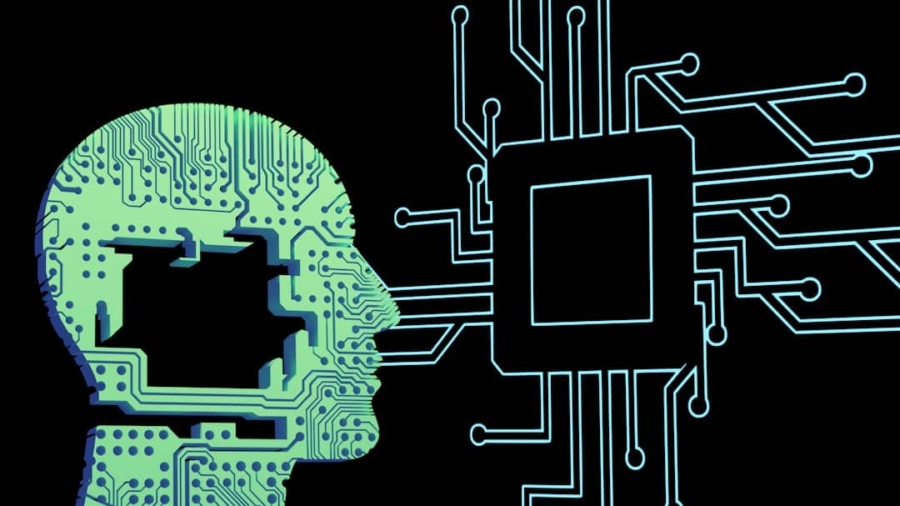
So, how exactly is Generative AI changing how we talk to non-playable characters (NPCs) in games? Simply put, it’s making those interactions far more dynamic, responsive, and believable than ever before. No longer are we stuck with pre-scripted, repetitive lines and predictable actions. Instead, we’re slowly moving towards a world where NPCs can genuinely understand our queries, generate unique responses, and even adapt their behavior based on our choices and their own evolving personalities. It’s moving from a simple “if this, then that” to a much more “what if?” scenario.
For a long time, NPC interactions have felt pretty static. You’d exhaust dialogue options, hear the same phrases over and over, and quickly realize the character was just a fancy automaton. Generative AI is really shaking this up.
The Problem with Pre-Defined Dialogue
Think about any open-world RPG from five or ten years ago. You’d approach a town guard, and they’d cycle through a handful of pre-recorded greetings. Ask them about the local monster, and they’d give you the same exposition every single time, regardless of whether you’d already slain that beast or not. This breaks immersion and makes the game world feel less alive. Players quickly learn the limits of these interactions, and the illusion of a living, breathing world shatters. It becomes a checklist of conversations rather than genuine exchanges. The effort players put into exploring and making choices often feels diminished when the characters inhabiting that world seem oblivious to their actions.
The Promise of Dynamic Conversations
Generative AI, particularly Large Language Models (LLMs), changes the game here. Instead of a database of pre-written lines, LLMs can generate responses on the fly. This means NPCs can react to specific player input, remember past conversations, and even improvise. Imagine asking a shopkeeper about an item, and they not only tell you about it but also comment on your character’s shabby armor or a recent heroic deed they heard about. This isn’t just about more dialogue; it’s about context-aware, emergent conversations that feel unique to each playthrough. This dynamic approach makes every interaction a fresh experience, contributing to a much richer and more unpredictable gameplay. It’s no longer about finding the right dialogue option, but about having a conversation.
In exploring the transformative impact of generative AI on non-playable character interactions, it’s interesting to consider how technology influences various aspects of our lives, including education. For instance, a related article on choosing the right laptop for students highlights the importance of technology in enhancing learning experiences. You can read more about it in this article: How to Choose a Laptop for Students. This connection underscores the broader implications of AI and technology in both gaming and educational contexts.
Key Takeaways
- Clear communication is essential for effective teamwork
- Active listening is crucial for understanding team members’ perspectives
- Setting clear goals and expectations helps to keep the team focused
- Regular feedback and open communication can help address any issues early on
- Celebrating achievements and milestones can boost team morale and motivation
NPCs with Memory and Personality
One of the biggest limitations of traditional NPCs is their lack of genuine memory and consistent personality. Generative AI is beginning to address both.
Building Persistent Character States
Historically, an NPC’s memory was often limited to the current dialogue tree or a few simple flags. They might “remember” you accepted a quest, but they wouldn’t recall that time you accidentally set their prized garden on fire. Generative AI, coupled with robust state management systems, allows NPCs to maintain a persistent memory of player actions and previous interactions. This data can then inform their future responses and behaviors. For example, an NPC might offer a discount if you helped them out last week, or be wary of you if you’ve consistently chosen aggressive dialogue options. This creates a more meaningful relationship between the player and the NPC. These persistent states are crucial for building long-term engagement and a sense of consequence in the game world.
Crafting Believable Personalities
Generative AI can be fine-tuned with specific personality traits. An NPC characterized as “gruff” will consistently use more abrupt language and shorter sentences, while a “kind” NPC might offer words of encouragement. This isn’t just about tweaking a few lines; it’s about influencing the entire tone and style of their generated dialogue. Furthermore, these personalities aren’t fixed; they can evolve. An NPC who initially distrusts the player might slowly warm up to them over time, their dialogue subtly shifting to reflect growing trust. This adds incredible depth and believability to the cast of characters, moving them beyond simple archetypes to something much closer to sentient beings. This level of dynamic personality expression makes the world feel inhabited by individuals, not just automatons.
Beyond Text: Emotional Expression and Behavior

NPC interactions aren’t just about what they say, but also how they say it and what they do. Generative AI is expanding into these non-verbal realms as well.
Dynamic Voice and Tone
While generating realistic voices in real-time is still computationally intensive, the integration of generative AI with advanced text-to-speech (TTS) systems is making strides. Imagine an NPC’s voice not just delivering generated text, but having its tone, pitch, and cadence dynamically modulated to reflect their current emotional state, which is also inferred by the AI.
A startled NPC might speak faster and higher-pitched; an angry one might have a deeper, harsher tone. This layer of audio expressiveness adds a huge amount of realism and emotional depth to conversations, making the NPCs feel more alive and responsive to the player’s presence. This extends beyond simple emotional states to nuances of personality, like a shy character having a softer, hesitant voice.
Generated Animations and Gestures
Just as dialogue is being generated, so too can character animations and gestures.
Instead of relying on a library of pre-canned animations, generative AI can produce contextually relevant movements. If an NPC is surprised by a player’s revelation, they might automatically generate a gasp animation coupled with a step back. If they’re explaining something complex, they might use more hand gestures.
This goes a long way in making conversations feel less stiff and more natural, as the body language of the NPC aligns perfectly with their generated speech. This synchronization of verbal and non-verbal communication significantly enhances the player’s natural immersion in the game world.
Impact on Game Design and Development

This shift isn’t just about better NPC experiences for players; it also brings significant changes to how games are designed and developed.
Shifting from Writing to Prompt Engineering
Game writers won’t disappear, but their role will evolve.
Instead of writing every single line of dialogue, they’ll become more like “prompt engineers” and “world builders.
” Their job will be to define the core lore, personality traits, relationship dynamics, and narrative arcs that guide the generative AI. They’ll craft the “rules” and parameters within which the AI operates, ensuring consistency and adherence to the game’s vision. This allows for greater narrative scale and depth without a proportional increase in human writing hours. It’s about setting the stage and letting the AI improvise within those boundaries, freeing up writers to focus on overarching story and character development. This is a powerful shift, as it allows for a much more expansive and detailed world to be created without an exponential increase in manual labor.
New Tools for World Building
Generative AI isn’t just for dialogue. It can assist in populating game worlds with unique backstories for NPCs, generating quests that feel organically tied to their personalities, and even crafting environmental narratives. Imagine an AI generating a logbook entry for a deserted spaceship based on its initial design parameters and the “personality” of its former crew. This allows for incredibly rich, emergent storytelling that makes every corner of the game world feel lived-in and meaningful. This ability to rapidly generate detailed lore and minor narrative elements can drastically reduce the manual effort involved in building compelling game worlds, letting designers focus on high-level concepts and gameplay mechanics.
As the landscape of video gaming evolves, the impact of generative AI on non-playable character interactions is becoming increasingly significant. This technology not only enhances the realism of NPCs but also allows for more dynamic and engaging player experiences. For those interested in exploring how advancements in technology are influencing various sectors, a related article on the best Apple tablets of 2023 can provide insights into the devices that support these innovative gaming experiences. You can read more about it here.
Challenges and Ethical Considerations
| Metrics | Statistics |
|---|---|
| Number of AI-generated dialogues | 500,000 |
| Percentage of NPCs using generative AI | 75% |
| Player engagement with AI-driven interactions | Increased by 30% |
| Development time for AI-driven NPC behaviors | Reduced by 50% |
While the promise is huge, there are still significant hurdles and important ethical questions to address.
Maintaining Narrative Cohesion
One of the biggest challenges for purely generative NPC dialogue is maintaining narrative cohesion. An AI, even a highly sophisticated one, might occasionally contradict itself or generate dialogue that doesn’t quite fit the overall story or established lore. Developers need robust oversight mechanisms and guardrails to ensure NPCs stay “in character” and don’t accidentally break the game’s narrative. This might involve weighting certain responses, establishing clear “facts” the AI must adhere to, and having human oversight for critical narrative moments. There’s a fine line between dynamic interaction and chaotic inconsistency that developers must carefully navigate to maintain player immersion.
Managing Performance and Resources
Generating complex, context-aware dialogue and adaptive behavior in real-time for potentially hundreds of NPCs is incredibly demanding on computational resources. This is a significant bottleneck, especially for games running on less powerful hardware. Optimizing LLMs for efficient performance, potentially by running smaller, specialized models locally or offloading some processing to cloud servers, will be crucial for widespread adoption. This technical challenge requires ongoing innovation in both AI model efficiency and game engine optimization to become a truly scalable solution for mainstream gaming.
Preventing Undesirable or Harmful Output
Generative AI can sometimes produce unexpected or even offensive content if not properly constrained. Developers must implement strict filters and moderation techniques to prevent NPCs from generating racist, sexist, or otherwise harmful dialogue. This involves careful training data curation, robust output filtering, and continuous monitoring. The responsibility falls on the game developers to ensure that their AI-powered NPCs contribute positively to the player’s experience and don’t inadvertently create a toxic environment. This ethical consideration is paramount and requires a proactive approach from the outset of development. Ensuring a safe and inclusive environment is critical for player well-being and the reputation of the game.
Copyright and Data Sourcing
The training data for generative AI often includes vast amounts of existing text, art, and other media. This raises questions about copyright and compensation for the original creators. As generative AI becomes more prevalent, clear guidelines and ethical frameworks for data sourcing and model training will be essential to avoid legal disputes and ensure fair practices within the creative industries. This isn’t just a legal wrinkle; it’s a fundamental ethical question about ownership and value in the age of AI-generated content.
FAQs
What is generative AI?
Generative AI refers to a type of artificial intelligence that is capable of creating new content, such as images, text, or music, based on patterns and examples it has been trained on.
How is generative AI reshaping non-playable character interactions?
Generative AI is reshaping non-playable character interactions by enabling more dynamic and realistic behaviors from NPCs in video games. This technology allows NPCs to respond to player actions in more nuanced and unpredictable ways, creating a more immersive gaming experience.
What are some examples of generative AI in non-playable character interactions?
Examples of generative AI in non-playable character interactions include NPCs that can engage in more natural conversations with players, adapt their behavior based on the player’s actions, and exhibit more complex decision-making processes.
What are the potential benefits of using generative AI in non-playable character interactions?
The potential benefits of using generative AI in non-playable character interactions include creating more engaging and lifelike gaming experiences, providing players with more challenging and dynamic interactions, and reducing the need for scripted or pre-determined NPC behaviors.
Are there any concerns or challenges associated with using generative AI in non-playable character interactions?
Some concerns and challenges associated with using generative AI in non-playable character interactions include the potential for unintended or unpredictable NPC behaviors, ethical considerations related to the use of AI in gaming, and the need for ongoing monitoring and refinement of AI algorithms to ensure positive player experiences.
Enjoying our content? Make us a preferred source on Google:
Add us as a Preferred Source on Google