

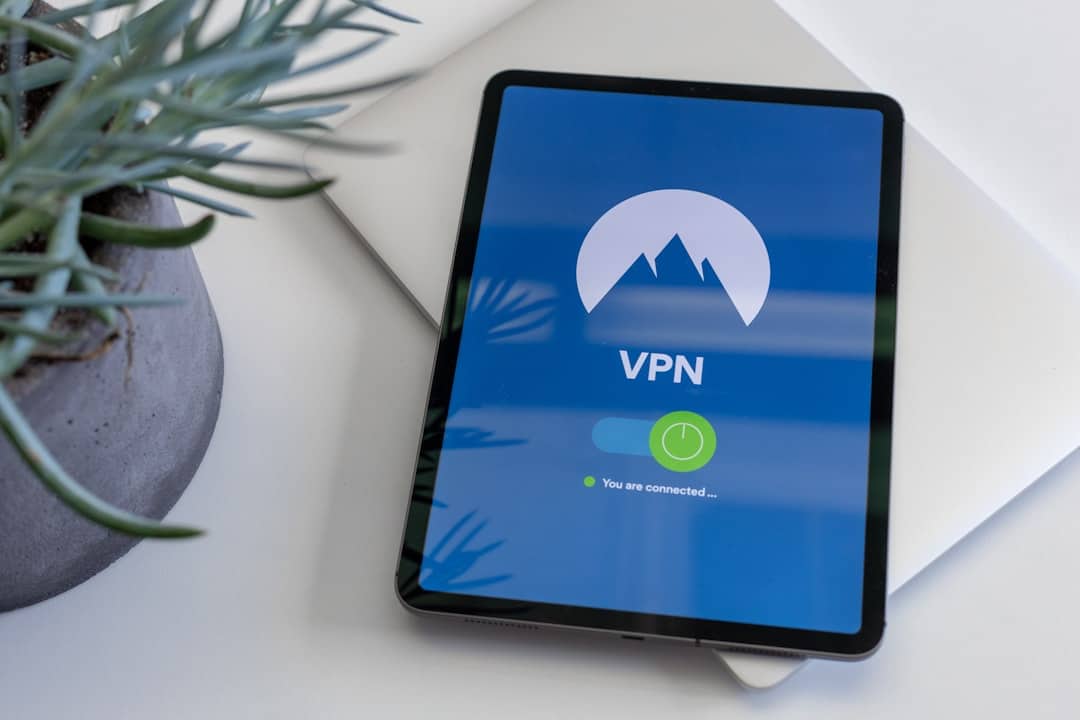
Decentralized Virtual Private Networks (dVPNs) represent a significant evolution in the realm of online privacy and security. Unlike traditional VPNs, which rely on centralized servers to route internet traffic, dVPNs leverage a distributed network of nodes operated by individual users. This innovative architecture not only enhances user privacy but also democratizes access to the internet by removing reliance on single entities that can be susceptible to government regulations or corporate interests.
The rise of dVPNs is a response to growing concerns over surveillance, data breaches, and the monopolization of internet services by a handful of corporations. The concept of decentralization is rooted in blockchain technology, which underpins many dVPN solutions. By utilizing a peer-to-peer network, dVPNs allow users to connect directly with one another, creating a more resilient and secure environment for online activities.
This model not only mitigates the risks associated with data logging and centralized control but also fosters a community-driven approach to internet access. As users become increasingly aware of their digital footprints and the implications of data privacy, dVPNs are emerging as a viable alternative for those seeking greater autonomy over their online presence.
Key Takeaways
- Decentralized VPNs (dVPNs) offer enhanced online freedom by distributing network control among users rather than central servers.
- dVPNs improve user privacy by encrypting data and preventing centralized data collection.
- They help bypass censorship and geographic restrictions by routing traffic through multiple decentralized nodes.
- Security is strengthened in dVPNs due to their distributed architecture, reducing single points of failure.
- Despite benefits, dVPNs face challenges like network speed, scalability, and user adoption hurdles.
The Benefits of Using Decentralized VPNs for Online Freedom
One of the most compelling advantages of dVPNs is their ability to enhance online freedom. In an age where governments and corporations are increasingly monitoring internet usage, dVPNs provide a shield against intrusive surveillance practices. By routing traffic through a decentralized network, users can obscure their online activities from prying eyes, thereby reclaiming their right to privacy.
This is particularly crucial in regions where internet access is heavily regulated or censored, as dVPNs empower individuals to bypass restrictions and access information freely. Moreover, dVPNs promote net neutrality by allowing users to connect with peers rather than relying on a single service provider. This decentralized approach diminishes the risk of throttling or prioritization of certain types of traffic, ensuring that all users have equal access to online resources.
The ability to choose from various nodes within the network also means that users can select connections based on speed, reliability, or geographic location, further enhancing their online experience. As a result, dVPNs not only protect individual freedoms but also contribute to a more equitable digital landscape.
How Decentralized VPNs Protect User Privacy

Privacy is a cornerstone of the dVPN model, as these networks are designed to minimize data collection and enhance user anonymity. Traditional VPN services often require users to trust a central provider with their data, which can lead to potential misuse or exploitation. In contrast, dVPNs operate on a trustless framework where no single entity has control over user data.
This is achieved through encryption protocols and distributed ledger technology that ensure data remains secure and private throughout its journey across the network. Additionally, many dVPNs employ advanced cryptographic techniques that further bolster user privacy. For instance, some platforms utilize onion routing, similar to the Tor network, which layers multiple encryption protocols to obscure the origin and destination of internet traffic.
This multi-layered approach makes it exceedingly difficult for any third party to trace user activities back to their source. Furthermore, because dVPN nodes are operated by individual users rather than corporations, there is less incentive for data logging or tracking, allowing users to browse the internet with greater peace of mind.
The Role of Decentralized VPNs in Bypassing Censorship and Restrictions
Censorship remains a pressing issue in many parts of the world, where governments impose strict controls over internet access and content availability. dVPNs serve as powerful tools for circumventing these restrictions by enabling users to connect with nodes located in regions with fewer limitations. This capability allows individuals to access blocked websites, social media platforms, and other online resources that may be otherwise unavailable due to governmental censorship.
For example, in countries like China and Iran, where internet censorship is pervasive, dVPNs have become essential for activists, journalists, and everyday citizens seeking unfiltered access to information. By connecting to a decentralized network, users can effectively mask their IP addresses and appear as if they are browsing from a different location. This not only helps them evade government surveillance but also allows them to share information and communicate freely without fear of retribution.
The ability to bypass censorship through dVPNs underscores their importance in promoting free speech and fostering an open internet.
The Security Advantages of Decentralized VPNs
| Metric | Description | Impact on Online Freedom | Example Data |
|---|---|---|---|
| Number of Nodes | Total participating nodes in the dVPN network | Higher node count increases network resilience and reduces censorship risk | 5000+ nodes globally |
| Data Encryption Level | Strength of encryption protocols used (e.g., AES-256) | Stronger encryption protects user privacy and prevents data interception | AES-256 bit encryption |
| Decentralization Degree | Percentage of nodes controlled by independent operators | Higher decentralization reduces single points of failure and control | 95% independent nodes |
| Latency (ms) | Average network delay experienced by users | Lower latency improves user experience and accessibility | 50-100 ms |
| Bypass Success Rate | Percentage of attempts to bypass censorship that succeed | Higher success rate means better access to restricted content | 98% |
| User Anonymity | Level of user identity protection (e.g., no logs, anonymous payments) | Enhances freedom by protecting users from surveillance | No logs, anonymous token payments |
| Network Uptime | Percentage of time the dVPN network is operational | Higher uptime ensures consistent access to uncensored internet | 99.9% |
Security is another critical aspect where dVPNs excel compared to traditional VPN services. The decentralized nature of these networks inherently reduces the risk of single points of failure that can be exploited by malicious actors. In a centralized VPN model, if a server is compromised, all users connected to that server may be at risk.
Conversely, in a dVPN setup, even if one node is attacked or goes offline, the overall network remains intact and functional. Moreover, many dVPNs incorporate robust security features such as end-to-end encryption and multi-factor authentication. These measures ensure that user data remains confidential and protected from interception during transmission.
Additionally, because dVPN nodes are often run by individual users rather than corporations, there is less likelihood of large-scale data breaches that can occur when centralized databases are targeted by hackers. This decentralized approach not only enhances security but also fosters trust among users who are increasingly wary of data privacy issues.
The Potential Challenges and Limitations of Decentralized VPNs

Despite their numerous advantages, dVPNs are not without challenges and limitations. One significant hurdle is the variability in performance across different nodes within the network. Since dVPNs rely on individual users to provide bandwidth and resources, connection speeds can fluctuate based on the quality and availability of these nodes.
Users may experience slower speeds or intermittent connectivity when accessing certain nodes, which can be frustrating for those accustomed to the reliability of traditional VPN services. Additionally, the decentralized nature of these networks can lead to concerns regarding accountability and support. In traditional VPN models, users have a clear point of contact for customer service and technical support.
However, in a dVPN environment where nodes are operated by individuals rather than a centralized company, users may find it challenging to resolve issues or seek assistance when problems arise. This lack of centralized support can deter some users from fully embracing dVPN technology despite its potential benefits.
How Decentralized VPNs Empower Users to Take Control of Their Online Experience
dVPNs fundamentally shift the power dynamics of internet usage by empowering individuals to take control of their online experiences.
This participatory model encourages greater engagement with technology and fosters a sense of community among users who share similar values regarding privacy and freedom.
Furthermore, dVPNs enable users to make informed choices about their online activities. With the ability to select from various nodes based on personal preferences—such as speed, location, or trustworthiness—users can tailor their internet experience to suit their needs. This level of customization is often absent in traditional VPN services, where users must accept predetermined server options without much flexibility.
By providing this degree of control, dVPNs not only enhance user satisfaction but also promote a more informed and conscientious approach to online behavior.
The Future of Decentralized VPNs and Their Impact on Online Freedom
As awareness of digital privacy issues continues to grow, the future of decentralized VPNs appears promising. With increasing numbers of individuals seeking alternatives to traditional internet services that prioritize user privacy and autonomy, dVPNs are likely to gain traction in both developed and developing regions alike. The ongoing evolution of blockchain technology will further enhance the capabilities of dVPNs, potentially leading to even more secure and efficient networks.
Moreover, as governments around the world grapple with issues related to censorship and surveillance, dVPNs may play an essential role in advocating for online freedom. By providing individuals with tools to bypass restrictions and protect their privacy, these networks can contribute significantly to the global movement for digital rights. As more people recognize the importance of maintaining control over their online experiences, decentralized VPNs will likely become an integral part of the broader conversation surrounding internet freedom and privacy in the digital age.
Decentralized VPNs (dVPNs) are revolutionizing the way we think about online privacy and freedom, allowing users to bypass censorship and maintain anonymity.
?</h3>
<p>A decentralized VPN (dVPN) is a virtual private network that operates on a distributed network of nodes rather than centralized servers. It uses blockchain or peer-to-peer technology to route internet traffic through multiple independent nodes, enhancing privacy and security.</p>
<h3>How do decentralized VPNs differ from traditional VPNs?</h3>
<p>Unlike traditional VPNs that rely on centralized servers controlled by a single company, dVPNs use a network of independent nodes operated by various users. This decentralization reduces the risk of data breaches, censorship, and single points of failure.</p>
<h3>How do dVPNs enhance online freedom?</h3>
<p>dVPNs enhance online freedom by bypassing censorship and geo-restrictions without relying on centralized authorities. Their distributed nature makes it harder for governments or organizations to block or monitor user traffic, promoting unrestricted access to information.</p>
<h3>Are decentralized VPNs more secure than traditional VPNs?</h3>
<p>Decentralized VPNs can offer increased security by distributing traffic across multiple nodes, reducing the risk of data interception or logging by any single entity. However, security also depends on the specific dVPN protocol and the trustworthiness of participating nodes.</p>
<h3>Can decentralized VPNs protect my privacy?</h3>
<p>Yes, dVPNs can improve privacy by preventing centralized data collection and minimizing the risk of user activity being logged or monitored. The use of encryption and distributed routing helps keep user data confidential.</p>
<h3>Do decentralized VPNs require special software or setup?</h3>
<p>Most dVPNs require users to install specific client software or browser extensions to connect to the decentralized network. Setup is generally straightforward, but it may vary depending on the dVPN provider.</p>
<h3>Are decentralized VPNs legal to use?</h3>
<p>In most countries, using a decentralized VPN is legal. However, users should be aware of local laws regarding VPN usage and internet access, as some regions restrict or regulate VPN services.</p>
<h3>Can decentralized VPNs improve internet speed?</h3>
<p>Internet speed on a dVPN can vary depending on the number and quality of nodes in the network. While some users may experience faster connections due to distributed routing, others might face slower speeds compared to traditional VPNs.</p>
<h3>How do decentralized VPNs handle payments?</h3>
<p>Many dVPNs use cryptocurrencies or tokens for payments, leveraging blockchain technology for transparent and secure transactions. This can provide additional privacy compared to traditional payment methods.</p>
<h3>Are decentralized VPNs suitable for streaming and gaming?</h3>
<p>Some dVPNs support streaming and gaming by providing access to geo-restricted content and reducing latency through optimized node selection. However, performance can vary, so users should check the specific dVPN’s capabilities.</p>
<div class="clear"></div> </div>
<footer class="entry-meta">
<div class="entry-tax"><span>Tags: No tags</span></div>
<div class="aux-single-post-share">
<div class="aux-tooltip-socials aux-tooltip-dark aux-socials aux-icon-left aux-medium aux-tooltip-social-no-text" >
<span class="aux-icon auxicon-share" ></span>
</div>
</div>
</footer>
</div>
<nav class="aux-next-prev-posts nav-skin-thumb-arrow">
<section class="np-prev-section has-nav-thumb" >
<a href="https://enicomp.com/how-ai-is-improving-cybersecurity-forensics-2/">
<div class="np-arrow">
<div class="aux-hover-slide aux-arrow-nav aux-outline">
<span class="aux-svg-arrow aux-medium-left"></span>
<span class="aux-hover-arrow aux-svg-arrow aux-medium-left"></span>
</div>
<img width="80" height="80" src="https://enicomp.com/wp-content/uploads/2025/12/image-882-80x80.jpg" class="auxin-attachment auxin-featured-image attachment-80x80" alt="Photo Forensics" /> </div>
<p class="np-nav-text">Previous Post</p>
<h4 class="np-title">How AI Is Improving Cybersecurity Forensics</h4>
</a>
</section>
<section class="np-next-section has-nav-thumb" >
<a href="https://enicomp.com/how-decentralized-vpns-dvpns-enhance-online-freedom-2/">
<div class="np-arrow">
<div class="aux-arrow-nav aux-hover-slide aux-outline">
<span class="aux-svg-arrow aux-medium-right"></span>
<span class="aux-hover-arrow aux-svg-arrow aux-medium-right"></span>
</div>
<img width="80" height="80" src="https://enicomp.com/wp-content/uploads/2025/12/image-885-80x80.jpg" class="auxin-attachment auxin-featured-image attachment-80x80" alt="Photo VPN" /> </div>
<p class="np-nav-text">Next Post</p>
<h4 class="np-title">How Decentralized VPNs (dVPNs) Enhance Online Freedom</h4>
</a>
</section>
</nav>
</article>
</div><!-- end content -->
</div><!-- end primary -->
<aside class="aux-sidebar aux-sidebar-primary">
<div class="sidebar-inner">
<div class="sidebar-content">
<div class="aux-widget-area"><section id="block-4" class=" aux-open widget-container widget_block">
<h2 class="wp-block-heading">POPULAR</h2>
</section><section id="block-33" class=" aux-open widget-container widget_block">
<h2 class="wp-block-heading">CATEGORIES</h2>
</section><section id="categories-3" class=" aux-open widget-container widget_categories"><h3 class="widget-title">Categories</h3>
<ul>
<li class="cat-item cat-item-162"><a href="https://enicomp.com/category/5g-wireless-communication-technologies/">5G, Wireless & Communication Technologies</a> (178)
<ul class=)