

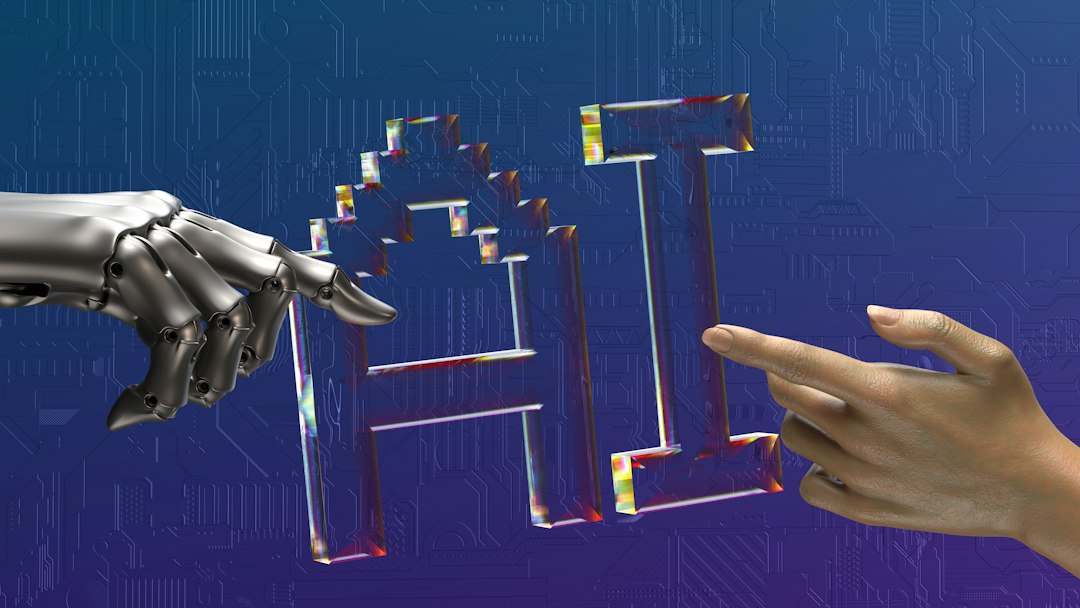
Adaptive learning engines in higher education use real-time diagnostic analytics to personalize the learning experience by continuously assessing a student’s understanding and adjusting content delivery accordingly. This isn’t just about figuring out if someone got an answer right or wrong; it’s a deep dive into why they might be struggling or excelling, using data to offer the most relevant next steps. Think of it as a highly responsive, digital tutor that’s always taking your pulse and tailoring its approach based on what it learns in that exact moment.
The Core Concept: Adapting to You, Not Just the Class
At its heart, adaptive learning is about individualization at scale. Traditional classrooms, even with great instructors, often struggle to cater to the incredibly diverse learning needs and paces of each student. Some students grasp concepts quickly and are ready for more challenging material, while others need additional practice, different explanations, or a review of foundational topics. Adaptive learning engines step in to bridge this gap, using technology to create a dynamic learning path for each individual.
Beyond Static Content: A Dynamic Flow
Unlike a textbook or a pre-recorded lecture that presents information in a fixed sequence, an adaptive engine’s content flow is anything but static. It’s constantly evaluating student interactions – every click, every answer, every pause – to decide what to present next. Did you ace that quiz on photosynthesis? Great, let’s move you to cellular respiration. Struggling with algebraic equations? Here are some more practice problems, perhaps a different tutorial video, or a foundational review of basic arithmetic operations. The goal is to keep you in that sweet spot of productive struggle, where the material is challenging enough to be engaging but not so overwhelming that you give up.
The Role of Algorithms and AI
Behind the scenes, sophisticated algorithms and artificial intelligence (AI) are the workhorses. These aren’t just simple if-then statements; they often involve machine learning models that can identify patterns in student performance across a vast dataset. This allows the system to make educated guesses about common misconceptions, predict future struggles, and recommend resources that have proven effective for similar learners in the past. It’s a continuous feedback loop: students interact, the system collects data, algorithms analyze, and the learning path adapts.
In exploring the impact of adaptive learning engines in higher education, it is also worthwhile to consider the advancements in technology that support these innovations. A related article titled “The Best Tech Products of 2023” provides insights into the latest tools and resources that can enhance the learning experience. You can read more about these developments and how they integrate with adaptive learning systems by visiting this link.
Key Takeaways
- The training data includes information and events up to October 2023.
- Insights and knowledge are based on a wide range of sources available until the cutoff date.
- No updates or developments occurring after October 2023 are included in the training.
- Users should verify current information from reliable sources for the latest updates.
- The model’s responses reflect the context and knowledge available up to the specified date.
How Real-Time Diagnostic Analytics Actually Work

This is where the magic, or rather, the sophisticated engineering, happens. “Real-time diagnostic analytics” sounds technical, and it is, but its purpose is straightforward: to understand what a student knows, how well they know it, and why they might be struggling, all happening continuously during the learning process.
Capturing Granular Interaction Data
It begins with data capture. Every interaction a student has with the learning platform is a data point. This includes:
- Correct/Incorrect Answers: The most basic form of data, indicating initial understanding.
- Time Spent on Questions/Tasks: Longer times might indicate struggle or careful consideration.
- Number of Attempts: Multiple attempts before getting it right can reveal persistent difficulty.
- Types of Errors Made: Did they make a calculation error, a conceptual error, or misinterpret the question?
- Navigation Patterns: Which resources did they access? Did they skip certain sections?
- Confidence Levels (Self-Reported or Inferred): Some systems ask for confidence, others infer it from response speed.
- Clickstream Data: What buttons did they click? Did they use hints?
This isn’t just about the final answer; it’s about the journey to that answer. Understanding the process is key to providing targeted help.
Building a Dynamic Student Profile
As this data streams in, the adaptive engine constructs and continuously updates a “student profile” or “knowledge model” for each learner. This profile isn’t static; it evolves with every interaction. It maps out what concepts the student has mastered, which ones they are developing, and where significant gaps exist.
Identifying Knowledge Gaps and Misconceptions
This is the “diagnostic” part. The system doesn’t just grade; it diagnoses. If a student consistently makes a certain type of error in geometry, the system might diagnose a fundamental misunderstanding of spatial reasoning or a specific theorem. If they struggle with problems involving fractions, it might trace it back to a weak grasp of basic division. This diagnostic capability is critical because it moves beyond simply identifying a wrong answer to understanding the underlying conceptual issue.
Inferring Learning Styles and Preferences (Emerging Area)
While more advanced, some engines also attempt to infer learning styles or preferences. Does a student respond better to visual explanations (videos, diagrams) or textual ones? Do they prefer hands-on simulations or multiple-choice questions? By tracking engagement with different types of content and observing success rates, the system can begin to tailor the format of the instruction as well as the content. This is a complex area, as learning styles are often debated, but the intent is to provide the most effective medium for each learner.
Adapting Content Delivery in Real-Time

Once the diagnostic analytics have painted a picture of a student’s current understanding, the adaptive engine springs into action, adjusting the learning path dynamically. This is where the personalized experience truly comes alive.
Tailoring the Learning Path
The most immediate adaptation is in the sequence and difficulty of the learning materials.
- Skipping Known Material: If a student demonstrates mastery of a concept through a pre-assessment or early performance, the system can allow them to bypass introductory modules and move directly to more advanced topics, preventing boredom and increasing efficiency.
- Providing Remediation: Conversely, if a student struggles, the system can automatically loop them back to foundational material, offer alternative explanations, provide additional practice problems, or recommend supplementary resources like articles or videos from different perspectives.
- Varying Difficulty: Questions and tasks aren’t presented in a fixed order of difficulty. The system can dynamically adjust the challenge level based on current performance, ensuring the student is always working at an optimal level – not too easy, not too hard.
Recommending Specific Resources
Beyond just changing the sequence, adaptive engines can recommend very specific resources.
If the diagnostic analytics pinpoint a weakness in understanding the Krebs cycle, the system might suggest:
- A different animation explaining the process.
- Practice problems focusing solely on the inputs and outputs of the cycle.
- A link to a specific chapter in a textbook.
- A virtual lab simulation related to metabolic pathways.
The recommendation isn’t generic; it’s highly targeted to the identified gap.
Offering Targeted Feedback and Hints
Instead of simply marking an answer wrong, adaptive systems can provide immediate, targeted feedback. This might include:
- Elaborated Explanations: Explaining why an answer is incorrect and guiding the student toward the right conceptual understanding.
- Contextual Hints: If a student is stuck, a hint might appear that nudges them in the right direction without giving away the full answer, encouraging problem-solving.
- Step-by-Step Solutions (Post-Attempt): After a student has made an attempt, the system might walk them through the correct solution process, highlighting where they went astray.
Leveraging Different Pedagogical Approaches
Adaptive engines can also employ different pedagogical approaches based on student needs. For example, some students might benefit from a discovery-based approach where they experiment and learn from the consequences, while others might thrive with direct instruction.
The system, informed by diagnostic data, can choose which approach to emphasize for a given student and concept. This includes varying the types of questions (multiple choice, open-ended, drag-and-drop, simulations) to assess understanding from different angles.
Benefits in Higher Education
The adoption of adaptive learning engines in higher education brings a host of benefits, impacting both student outcomes and institutional efficiency.
Enhanced Student Engagement and Motivation
When learning is personalized and relevant, students are more likely to stay engaged. They don’t get bored by material they already know, nor do they become frustrated by being constantly overwhelmed. The feeling of being “seen” and supported in their individual learning journey can significantly boost motivation and persistence, reducing dropout rates in challenging courses.
Improved Learning Outcomes and Retention
By targeting specific weaknesses and reinforcing strengths, adaptive learning can lead to deeper understanding and better retention of material. Students aren’t just memorizing for a test; they are building a robust knowledge foundation, as the system ensures mastery before moving on. This translates to higher grades, better performance in subsequent courses, and ultimately, more prepared graduates.
More Efficient Use of Instructor Time
Instructors in large classes often struggle to provide individualized attention. Adaptive engines can offload some of the diagnostic and remedial heavy lifting, freeing up instructors to focus on higher-level tasks. Instead of spending hours grading routine assignments or reteaching basic concepts to a few students, they can:
- Focus on Complex Discussions: Facilitate richer, more in-depth discussions.
- Provide Targeted Mentorship: Offer one-on-one support to students identified by the system as needing significant intervention.
- Analyze Class-Wide Trends: Use the aggregate data from the adaptive engine to identify common class-wide misconceptions and adjust their teaching strategies accordingly.
Scalability and Accessibility
Adaptive learning allows for personalization at a scale that’s impossible in traditional settings. A single instructor can effectively manage hundreds, even thousands, of students, each receiving a tailored learning experience. This also improves accessibility, as students with different learning paces, prior knowledge, or even physical limitations can learn at their own speed and in a manner that suits them best. It also helps bridge equity gaps by ensuring that every student, regardless of their background, receives targeted support.
Valuable Data for Program Improvement
Beyond individual student benefits, the aggregate data collected by adaptive engines provides invaluable insights for institutions.
- Curriculum Optimization: Faculty can see which topics consistently cause difficulty for a large number of students, prompting a review of how those topics are taught or structured in the curriculum.
- Course Design Insights: Data can reveal if certain instructional materials are more effective than others, informing future course design choices.
- Early Intervention: Institutions can identify students at risk of failure much earlier, allowing for timely outreach and support services (e.g., tutoring, academic advising).
In the realm of educational technology, the integration of adaptive learning engines has become increasingly significant, particularly in how they leverage real-time diagnostic analytics to enhance student outcomes in higher education. A related article that explores the intersection of technology and creativity can be found at best software for 2D animation, which highlights tools that can complement adaptive learning by fostering engaging and interactive learning experiences. This synergy between adaptive learning and creative software not only supports personalized education but also encourages students to explore their artistic potential.
Challenges and Considerations
| Metric | Description | Impact on Adaptive Learning | Example Use Case |
|---|---|---|---|
| Student Engagement Rate | Percentage of active participation in learning modules | Helps tailor content difficulty and format to maintain interest | Adjusting lesson complexity based on engagement dips |
| Real-Time Assessment Scores | Immediate results from quizzes and exercises | Enables instant feedback and personalized remediation | Providing targeted practice problems after low scores |
| Learning Path Adaptation Frequency | Number of times the learning path is adjusted per student | Measures responsiveness of the engine to student needs | Changing course modules based on diagnostic analytics |
| Time to Mastery | Average time taken by students to master a concept | Identifies areas needing additional support or resources | Allocating extra tutorials for difficult topics |
| Predictive Performance Accuracy | Accuracy of predicting student outcomes based on analytics | Improves early intervention strategies | Flagging at-risk students for counseling or tutoring |
| Content Recommendation Precision | Relevance of suggested learning materials to student needs | Enhances personalized learning experience | Suggesting supplementary videos or readings based on gaps |
While the benefits are significant, implementing and utilizing adaptive learning engines effectively in higher education comes with its own set of challenges and important considerations.
Initial Investment and Development Costs
Developing or licensing a high-quality adaptive learning engine, especially one with robust diagnostic analytics, requires a substantial financial investment. This includes software development, content creation that can be atomized and dynamically recombined, and infrastructure costs. For institutions, adopting these systems means committing significant resources.
Integration with Existing Systems
Higher education institutions typically use a variety of learning management systems (LMS), student information systems (SIS), and other administrative tools. Integrating a new adaptive engine seamlessly with these existing platforms can be technically complex and require significant IT resources. Data flow, single sign-on capabilities, and gradebook synchronization are crucial for a smooth user experience.
Content Creation and Atomization
For an adaptive engine to truly adapt, the learning content needs to be broken down into granular, “atomized” components (e.g., individual concepts, short exercises, specific examples). This allows the system to mix and match content dynamically. Creating such modular content, tagged with metadata about concepts, prerequisites, and learning objectives, is a massive undertaking and fundamentally different from simply uploading a PDF textbook. Many existing course materials aren’t structured in this way.
Faculty Training and Buy-In
Adaptive learning isn’t just a technological shift; it’s a pedagogical one. Faculty need to understand how these systems work, how to interpret the data they provide, and how to integrate them effectively into their teaching practice.
This requires comprehensive training and a clear articulation of how these tools can enhance, rather than replace, their role.
Gaining faculty buy-in is critical for successful adoption.
Data Privacy and Ethical Concerns
The collection of such granular student data raises important privacy and ethical questions. How is student data stored and protected? Who has access to it? How is it used? Institutions must have clear policies and robust security measures in place to safeguard sensitive student information, adhering to regulations like FERPA (Family Educational Rights and Privacy Act) in the United States. There are also ethical considerations around algorithmic bias, ensuring the system doesn’t inadvertently disadvantage certain groups of students.
Avoiding the “Black Box” Problem
Some adaptive engines can feel like a “black box” to both students and instructors, where it’s unclear why the system is making certain recommendations or adaptations. Transparency is important. Students should ideally understand why they are being directed to certain content, and instructors need clear dashboards and reports to understand student progress and the system’s interventions. Without this transparency, trust can erode.
Not a Panacea: The Human Element
It’s crucial to remember that adaptive learning engines are tools, not replacements for human instructors. While they excel at diagnosing knowledge gaps and personalizing content delivery, they can’t replicate the empathy, critical thinking, nuanced discussion, or emotional support that a human educator provides. The most effective implementations often involve a blended approach, where the adaptive engine handles personalized practice and remediation, freeing the instructor to focus on higher-order thinking, complex problem-solving, and building a sense of community.
FAQs
What is an adaptive learning engine?
An adaptive learning engine is a technology that personalizes educational experiences by adjusting the content and pace of learning based on individual student performance and needs. It utilizes algorithms to analyze data and provide tailored resources, ensuring that each student receives the support they require to succeed.
How do real-time diagnostic analytics work in adaptive learning?
Real-time diagnostic analytics involve the continuous collection and analysis of student data as they engage with learning materials. This data includes performance metrics, engagement levels, and learning behaviors. The adaptive learning engine uses this information to identify areas where students may struggle and to adjust the learning path accordingly, providing immediate feedback and resources to enhance understanding.
What are the benefits of using adaptive learning engines in higher education?
Adaptive learning engines offer several benefits in higher education, including personalized learning experiences, improved student engagement, and enhanced retention rates. By catering to individual learning styles and paces, these engines help students grasp complex concepts more effectively and can lead to better academic outcomes.
Can adaptive learning engines be integrated with existing educational platforms?
Yes, adaptive learning engines can often be integrated with existing educational platforms and learning management systems (LMS). Many adaptive learning solutions are designed to complement traditional teaching methods and can be implemented alongside existing curricula to enhance the overall educational experience.
What role do educators play in the implementation of adaptive learning engines?
Educators play a crucial role in the implementation of adaptive learning engines by guiding the integration process, interpreting analytics data, and providing support to students. They can use insights gained from the adaptive learning system to tailor their teaching strategies, address individual student needs, and foster a more effective learning environment.
Enjoying our content? Make us a preferred source on Google:
Add us as a Preferred Source on Google