

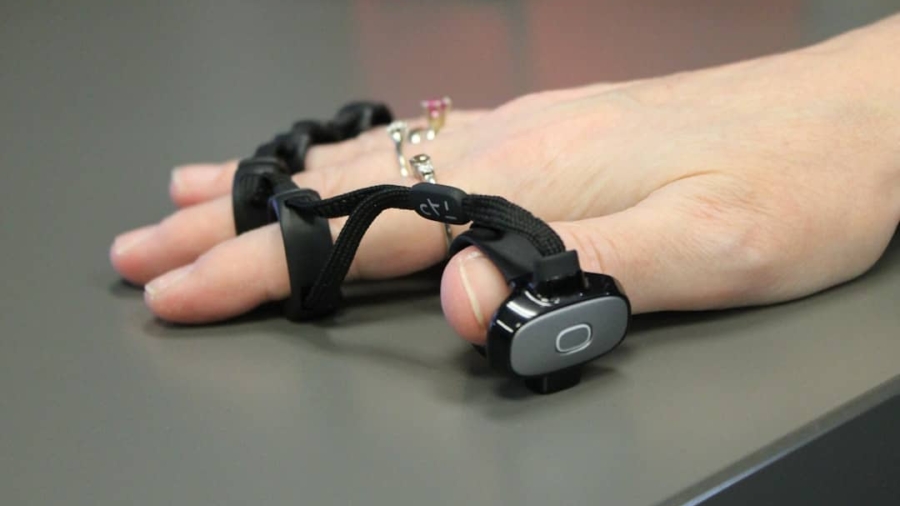
Haptic feedback is quickly evolving beyond simple rumble packs, transforming how we interact with games. Instead of just feeling a generic vibration, new innovations allow for nuanced sensations that mimic textures, impacts, and even environmental cues, drawing us deeper into virtual worlds. This shift moves us from merely receiving feedback to truly feeling the game, making every interaction more tangible and impactful.
For decades, haptic feedback in gaming meant a motor spinning an unbalanced weight, creating a generic rumble. It served its purpose, indicating an explosion or a hit, but lacked detail. Modern haptics are designed to deliver a far more sophisticated range of sensations, moving from a blunt “shaking” to precise, localized, and varied tactile experiences.
From Motors to Actuators
The biggest driver of this change is the move from traditional eccentric rotating mass (ERM) motors to linear resonant actuators (LRAs) and other advanced haptic technologies. ERMs are great for producing strong, low-frequency vibrations, but they’re slow to start and stop, and can’t produce a wide range of frequencies or precise patterns. LRAs, on the other hand, are much faster, can generate a broader spectrum of frequencies, and allow for finer control over the intensity and duration of feedback.
This precision is crucial for mimicking diverse sensations, from the crisp click of a button to the subtle brush of fabric.
The Science of Touch
Understanding how humans perceive touch is fundamental to designing effective haptic feedback. Our skin contains various mechanoreceptors, each sensitive to different types of stimuli – pressure, vibration, texture, temperature. Innovators are learning to activate these receptors in specific ways to create a convincing illusion of touch. For instance, rapidly changing frequencies can simulate texture, while sustained pressure changes can convey weight or impact. This scientific approach ensures that the feedback isn’t just felt, but interpreted by the brain as a natural part of the virtual experience.
In the realm of immersive gaming, the advancements in haptic feedback technologies are revolutionizing player experiences, making them more engaging and realistic.
A related article that delves deeper into the integration of haptic feedback in gaming is available at
5G Innovations (13) Wireless Communication Trends (13) Article (343) Augmented Reality & Virtual Reality (893)
- Metaverse (262)
- Virtual Workplaces (35)
- VR & AR Games (34)
Cybersecurity & Tech Ethics (803)
- Cyber Threats & Solutions (3)
- Ethics in AI (33)
- Privacy Protection (32)
Drones, Robotics & Automation (484)
- Automation in Industry (33)
- Consumer Drones (33)
- Industrial Robotics (33)
EdTech & Educational Innovations (342)
- EdTech Tools (18)
- Online Learning Platforms (4)
- Virtual Classrooms (34)
Emerging Technologies (1,971) FinTech & Digital Finance (446) Frontpage Article (1) Gaming & Interactive Entertainment (380) Health & Biotech Innovations (707)
- AI in Healthcare (3)
- Biotech Trends (4)
- Wearable Health Devices (504)
News (97) Reviews (129) Smart Home & IoT (445)
- Connected Devices (3)
- Home Automation (4)
- Robotics for Home (33)
- SmartPhone (48)
Space & Aerospace Technologies (342)
- Aerospace Innovations (4)
- Commercial Spaceflight (3)
- Space Exploration (62)
Sustainable Technology (777) Tech Careers & Jobs (337) Tech Guides & Tutorials (1,135)
- DIY Tech Projects (3)
- Getting Started with Tech (60)
- Laptop & PC (58)
- Productivity & Everyday Tech Tips (322)
- Social Media (64)
- Software (319)
- Software How-to (3)
Uncategorized (146)