

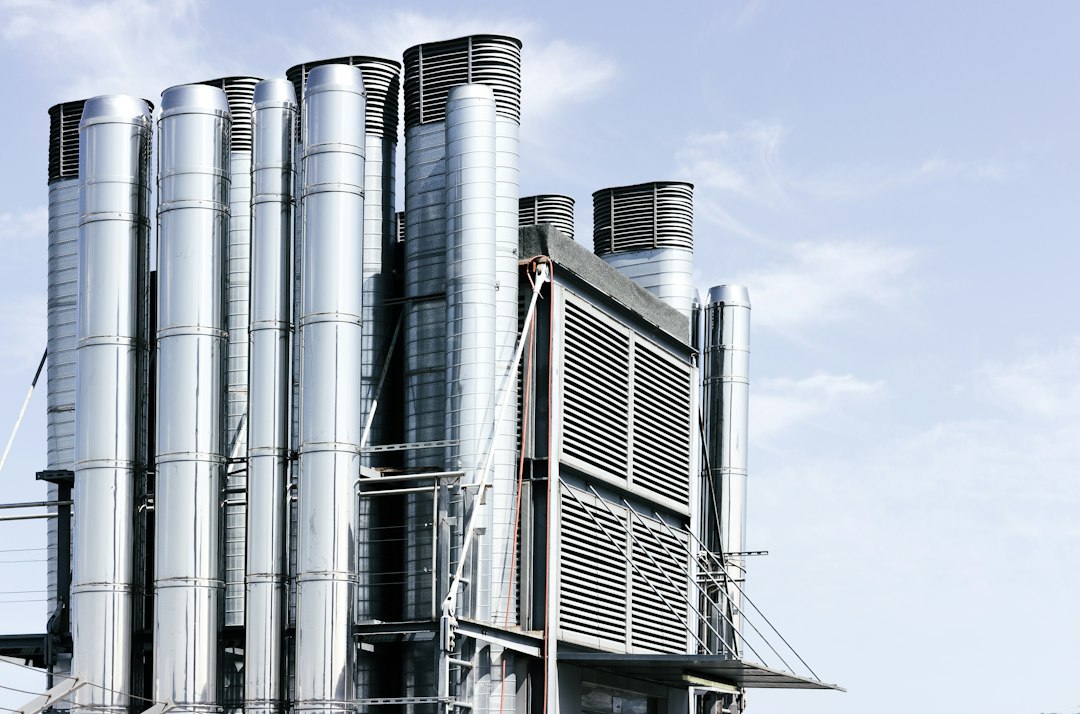
Green hydrogen electrolysis is a game-changer for industrial decarbonization, essentially splitting water into hydrogen and oxygen using electricity from renewable sources. This process offers a pathway to produce a clean fuel and feedstock that can replace fossil fuels in heavy industries, drastically cutting greenhouse gas emissions. It’s a key technology for moving towards a net-zero economy, especially in sectors that are hard to electrify directly.
Understanding Green Hydrogen’s Core Mechanics
At its heart, green hydrogen production is about electrochemistry. We’re taking water (H₂O) and applying an electric current to break it down. The “green” part comes from where that electricity originates: exclusively from renewable energy sources like solar, wind, or hydropower. This ensures the entire process, from power generation to hydrogen production, is virtually carbon-free.
The Electrolysis Process Explained
Electrolysis isn’t a new concept; it’s been understood for centuries. However, applying it at an industrial scale with clean power is the recent breakthrough. An electrolyzer is the piece of equipment that makes this happen. It consists of an anode and a cathode, separated by an electrolyte. When electricity flows through, water molecules at the anode lose electrons to form oxygen gas and hydrogen ions (protons). These protons then travel through the electrolyte to the cathode, where they gain electrons to form hydrogen gas. The key is to capture and purify these gases for various industrial applications.
Types of Electrolyzer Technologies
Not all electrolyzers are built the same. Currently, three main types are at different stages of maturity and offer distinct advantages for various applications.
Alkaline Electrolyzers (AEL)
Alkaline electrolyzers are the oldest and most mature technology. They typically use a liquid electrolyte, usually potassium hydroxide (KOH), and operate at moderate temperatures. Their robust design and relatively lower cost make them a strong contender for large-scale, continuous operation. They are known for their long lifespan and ability to handle impurities in the water feed to some extent. However, they are less responsive to rapid changes in electricity input, which can be a consideration when pairing with intermittent renewable energy sources like wind or solar without significant buffering.
Proton Exchange Membrane (PEM) Electrolyzers
PEM electrolyzers are a more recent development and have gained significant traction due to their dynamic operating capabilities. They use a solid polymer electrolyte membrane, which allows for a compact design and high current density. PEM electrolyzers can respond quickly to fluctuations in renewable energy supply, making them ideal for direct integration with variable sources. This responsiveness is crucial for optimizing the use of intermittent renewables and maximizing the efficiency of the overall system. While their capital cost is generally higher than AELs, their flexibility and purity of hydrogen output are significant advantages.
Solid Oxide Electrolyzers (SOEC)
Solid Oxide Electrolyzers operate at much higher temperatures, typically between 500-850°C. This high operating temperature allows them to utilize waste heat from industrial processes, significantly improving their overall electrical efficiency. Instead of liquid or polymer electrolytes, SOECs use a solid ceramic material that conducts oxygen ions. While still in an earlier stage of commercialization compared to AEL and PEM, their potential for high efficiency and reversibility (they can also act as fuel cells) makes them an exciting technology, particularly for industrial settings with available waste heat. Their ability to co-electrolyze steam and CO2 to produce syngas (a mixture of hydrogen and carbon monoxide) also opens doors for sustainable chemical production.
In exploring the advancements in green hydrogen electrolysis, a related article discusses the broader implications of clean power in industrial decarbonization. This piece highlights how integrating renewable energy sources can significantly reduce carbon emissions across various sectors. For more insights on this topic, you can read the article here: Hacker Noon Covers a Range of Topics Across the Tech Sector.
Key Takeaways
- The training data includes information and events up to October 2023.
- Insights and knowledge are based on a wide range of sources available until the cutoff date.
- No updates or developments occurring after October 2023 are included in the training.
- Users should verify current information from reliable sources for the latest updates.
- The model’s responses reflect the context and knowledge available up to the specified date.
Why Industrial Decarbonization Needs Green Hydrogen
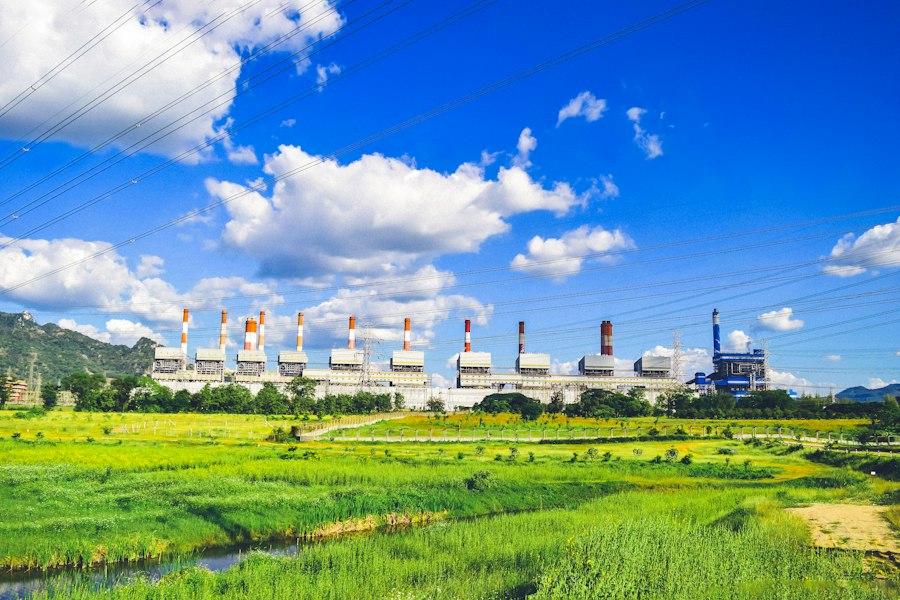
Heavy industries—think steel, cement, ammonia, and refining—are notoriously difficult to decarbonize. They rely on high-temperature processes, chemical reactions, and feedstocks that traditionally come from fossil fuels, leading to substantial greenhouse gas emissions. Direct electrification isn’t always feasible or efficient for these processes. This is where green hydrogen steps in as a critical enabler.
Replacing Fossil Fuels in High-Temperature Processes
Many industrial processes require intense heat, often generated by burning natural gas or coal. Green hydrogen can serve as a direct replacement for these fossil fuels, burning cleanly to produce only water vapor. This is particularly relevant for steelmaking, where traditional blast furnaces use coke (from coal) both as a reducing agent and a fuel. Using hydrogen for direct reduced iron (DRI) processes eliminates these emissions entirely. Similarly, in cement production, hydrogen can fuel kilns, reducing the reliance on fossil fuels.
Green Hydrogen as a Sustainable Feedstock
Beyond fuel, hydrogen is a vital chemical feedstock for several key industries. The production of ammonia, a crucial component for fertilizers, currently relies heavily on hydrogen derived from natural gas (grey hydrogen), which is a significant source of CO2 emissions. Switching to green hydrogen for ammonia synthesis offers a clear path to decarbonize the agricultural sector’s footprint. Refineries also use vast quantities of hydrogen for desulfurization and other processes; replacing this with green hydrogen can dramatically reduce their emissions. Methanol production, another important industrial chemical, can also shift to green hydrogen as a feedstock, leading to lower-carbon chemical outputs.
Addressing Emissions from Hard-to-Abate Sectors
Some sectors are particularly challenging to decarbonize due to their inherent processes. Aviation and shipping, for example, require high-energy-density fuels that batteries currently cannot provide for long-haul journeys. Green hydrogen can be converted into synthetic fuels (e-fuels) like green ammonia or liquid organic hydrogen carriers (LOHCs), which can then be used in existing infrastructure or modified engines. While this conversion process adds an energy penalty, it provides a viable decarbonization pathway for these critical transport sectors.
Scaling Up: Challenges and Solutions
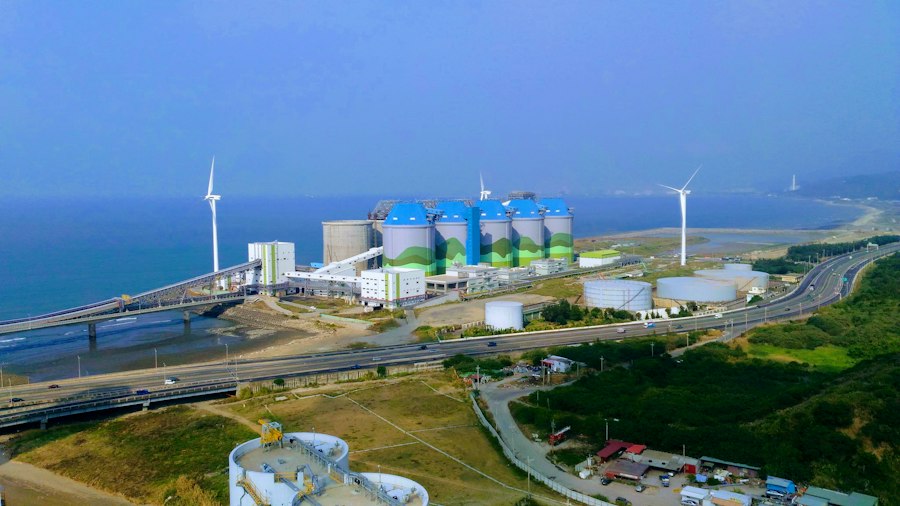
While the potential of green hydrogen is immense, scaling its production and deployment to meet industrial demand presents several significant challenges. These include the sheer scale of renewable energy needed, the cost of electrolysis, and the development of robust infrastructure.
The Renewable Energy Imperative
Producing green hydrogen on an industrial scale requires a massive increase in renewable energy generation. The electricity consumption for electrolysis is substantial, and for the hydrogen to be truly “green,” this electricity must come exclusively from dedicated renewable sources or from grids with a high renewable energy penetration.
This means accelerating the deployment of solar farms, wind parks, and other renewable assets at an unprecedented pace. Solutions involve optimizing the co-location of electrolyzers with renewable energy projects to minimize transmission losses and maximize efficiency.
For instance, offshore wind farms could directly power offshore hydrogen production facilities.
Cost Reduction Strategies
The current cost of green hydrogen is a significant barrier to widespread adoption, often making it less competitive than fossil fuel-derived hydrogen (grey hydrogen). Several factors contribute to this cost, including the capital expenditure (CAPEX) of electrolyzers, the cost of electricity, and operational expenses (OPEX).
Electrolyzer Technology Advancements
Ongoing research and development are focused on reducing the CAPEX of electrolyzers.
This includes improving materials, optimizing cell design, and scaling up manufacturing processes. As manufacturing volumes increase, economies of scale are expected to drive down the unit cost of electrolyzers, similar to what has been observed in solar PV and battery technologies. Automated production lines and modular designs also contribute to cost reduction.
Decreasing Renewable Electricity Prices
The good news is that the cost of renewable electricity continues to fall rapidly.
As solar and wind power become the cheapest forms of electricity generation in many regions, the most significant input cost for green hydrogen production is naturally decreasing. Long-term power purchase agreements (PPAs) for renewable energy can provide stable and predictable electricity prices, making green hydrogen more economically viable.
Operational Efficiencies
Optimizing the operation of electrolyzers, including improved system integration, enhanced durability, and reduced maintenance requirements, will also contribute to lower operational expenses. This involves smart control systems that can efficiently manage variable renewable energy inputs and optimize hydrogen production rates.
Maximizing the utilization rate of electrolyzers is also key to spreading out the capital cost over a larger volume of hydrogen produced.
Infrastructure Development
The existing hydrogen infrastructure is primarily designed for grey hydrogen and is often localized around specific industrial users. Scaling green hydrogen will require significant investment in new infrastructure for production, storage, and distribution.
Production Hubs
Developing large-scale green hydrogen production hubs, often co-located with abundant renewable energy resources (e.g., deserts for solar, windy coastlines for wind), will be essential. These hubs can serve multiple industrial off-takers and benefit from shared infrastructure.
Storage Solutions
Hydrogen is a light gas and requires specific storage solutions.
This can involve compressing it to very high pressures, liquefying it at extremely low temperatures, or storing it in underground caverns (salt caverns are particularly promising). Each method has its own energy penalty and cost implications. Developing cost-effective and safe large-scale storage is crucial for managing the intermittent nature of renewable energy and ensuring a reliable supply of hydrogen.
Distribution Networks
Transporting hydrogen over long distances efficiently is another challenge.
Dedicated hydrogen pipelines are the most efficient method for large volumes, but building new pipeline networks is a massive undertaking. Blending hydrogen into existing natural gas pipelines (up to certain concentrations) is a near-term option, but it limits the purity and volume of hydrogen delivered. Shipping hydrogen in its liquefied form or as ammonia/LOHCs is an alternative for international trade.
Policy and Market Drivers
Government policies and market mechanisms play a crucial role in accelerating the adoption of green hydrogen and overcoming the initial cost barriers. Without supportive frameworks, the transition will be significantly slower.
Government Support and Incentives
Many governments worldwide are recognizing the strategic importance of green hydrogen and are implementing policies to support its development. This includes research and development grants, capital subsidies for electrolyzer projects, tax credits, and carbon pricing mechanisms. Carbon pricing, in particular, can make fossil fuel-derived hydrogen more expensive, leveling the playing field for green hydrogen. Production tax credits, similar to those for renewable electricity, can directly reduce the cost of green hydrogen for producers.
Offtake Agreements and Demand Creation
One of the biggest challenges for green hydrogen producers is securing long-term off-take agreements with industrial consumers. Governments can help by creating mandates for green hydrogen use in specific sectors or by providing guarantees for demand. Early public procurement initiatives can also stimulate demand and provide certainty for investors. Programs that support the conversion of existing industrial facilities to use hydrogen are also critical.
International Collaboration and Standards
Green hydrogen is inherently an international commodity, with the potential for global trade. International collaboration is vital for harmonizing standards, developing certification schemes to ensure hydrogen is genuinely “green,” and facilitating cross-border projects. Establishing robust certification frameworks will build confidence in the market and prevent greenwashing. Joint research initiatives can also accelerate technological advancements and reduce overall costs.
Green hydrogen electrolysis is gaining attention as a pivotal technology for achieving industrial decarbonization through the use of clean power. This innovative approach not only helps reduce carbon emissions but also enhances energy efficiency in various sectors. For those interested in exploring how different technologies can contribute to sustainability, a related article discusses the best software for interior design in 2023, highlighting tools that can optimize energy use in building design. You can read more about it here. By integrating such technologies, industries can move closer to their decarbonization goals while promoting a greener future.
The Road Ahead: Impact and Future Prospects
| Metric | Value | Unit | Notes |
|---|---|---|---|
| Electrolyzer Efficiency | 65-75 | % LHV | Typical efficiency range for PEM and alkaline electrolyzers |
| Hydrogen Production Capacity | 10-1000 | MW | Industrial scale electrolyzer capacity range |
| CO2 Emissions Reduction | 90-100 | % | Compared to grey hydrogen production |
| Renewable Energy Source | Solar, Wind | Types | Primary clean power sources for electrolysis |
| Water Consumption | 9 | Liters per kg H2 | Water required for electrolysis per kg of hydrogen |
| Capital Expenditure (CapEx) | 800-1200 | USD/kW | Estimated cost range for electrolyzer installation |
| Operational Expenditure (OpEx) | 2-4 | USD/kg H2 | Estimated operational cost for hydrogen production |
| Hydrogen Purity | 99.99 | % | Typical purity level for industrial applications |
| Electrolyzer Lifetime | 60,000-80,000 | Operating hours | Expected lifespan before major maintenance |
| Industrial Decarbonization Potential | Up to 30 | % reduction | Potential CO2 reduction in heavy industries using green hydrogen |
The journey to scale green hydrogen is complex but holds immense promise for radically transforming industrial landscapes and achieving ambitious climate goals. The impact extends beyond decarbonization, fostering innovation and creating new economic opportunities.
Beyond Decarbonization: Economic and Environmental Benefits
While decarbonization is the primary driver, green hydrogen offers a suite of additional benefits. Economically, it can create new industries, jobs in manufacturing, engineering, and renewable energy sectors. Regions with abundant renewable resources can become net energy exporters in the form of green hydrogen. Environmentally, beyond cutting CO2 emissions, replacing fossil fuels with hydrogen can also reduce local air pollutants associated with industrial activities, leading to improved public health outcomes. It also offers energy independence, reducing reliance on volatile fossil fuel markets.
The Role of Hydrogen in a Circular Economy
Green hydrogen can play a pivotal role in a broader circular economy. For instance, in conjunction with carbon capture technologies, it can enable the production of synthetic fuels and chemicals from captured CO2, effectively recycling carbon emissions. This creates a closed-loop system where carbon is reused rather than released into the atmosphere. The by-product of electrolysis, oxygen, can also be captured and utilized in industrial processes or medical applications, further enhancing the efficiency and sustainability of the entire system.
Integration with Other Energy Vectors
Green hydrogen isn’t a standalone solution; its true power lies in its ability to integrate with and complement other energy technologies. It can act as an energy storage medium, converting excess renewable electricity into a storable and transportable form, thus balancing grid loads. It can also provide backup power for critical infrastructure through fuel cells. As part of a smart energy system, hydrogen offers flexibility and resilience, acting as a bridge between the electricity sector, industry, and transport.
The shift to green hydrogen electrolysis for industrial decarbonization is not just a technological upgrade; it’s a fundamental reimagining of our industrial systems. While challenges remain, the clear pathway to a cleaner, more sustainable future that it offers makes it an undeniable cornerstone of the global energy transition.
FAQs
What is green hydrogen electrolysis?
Green hydrogen electrolysis is a process that uses renewable energy sources, such as wind or solar power, to split water into hydrogen and oxygen through electrolysis. The hydrogen produced is considered “green” because it is generated without emitting carbon dioxide, making it a clean fuel alternative for various industrial applications.
How does green hydrogen contribute to industrial decarbonization?
Green hydrogen can significantly reduce carbon emissions in industries that rely on fossil fuels, such as steel, cement, and chemical manufacturing. By replacing carbon-intensive fuels with hydrogen in processes like high-temperature heating and chemical reactions, industries can lower their greenhouse gas emissions and move towards more sustainable operations.
What are the main challenges in scaling green hydrogen production?
Key challenges in scaling green hydrogen production include the high costs of electrolysis technology, the need for significant investments in renewable energy infrastructure, and the current limitations in hydrogen storage and transportation. Additionally, developing a robust supply chain and regulatory frameworks is essential for widespread adoption.
What role do renewable energy sources play in green hydrogen production?
Renewable energy sources are crucial for green hydrogen production as they provide the electricity needed for the electrolysis process. The use of solar, wind, or hydroelectric power ensures that the hydrogen produced is free from carbon emissions, aligning with global efforts to transition to cleaner energy systems and combat climate change.
What are the potential applications of green hydrogen in industry?
Green hydrogen has various potential applications in industry, including serving as a fuel for transportation, a feedstock for chemical production (such as ammonia), and a means of energy storage. It can also be used in high-temperature industrial processes, helping to decarbonize sectors that are difficult to electrify directly.
Enjoying our content? Make us a preferred source on Google:
Add us as a Preferred Source on Google