

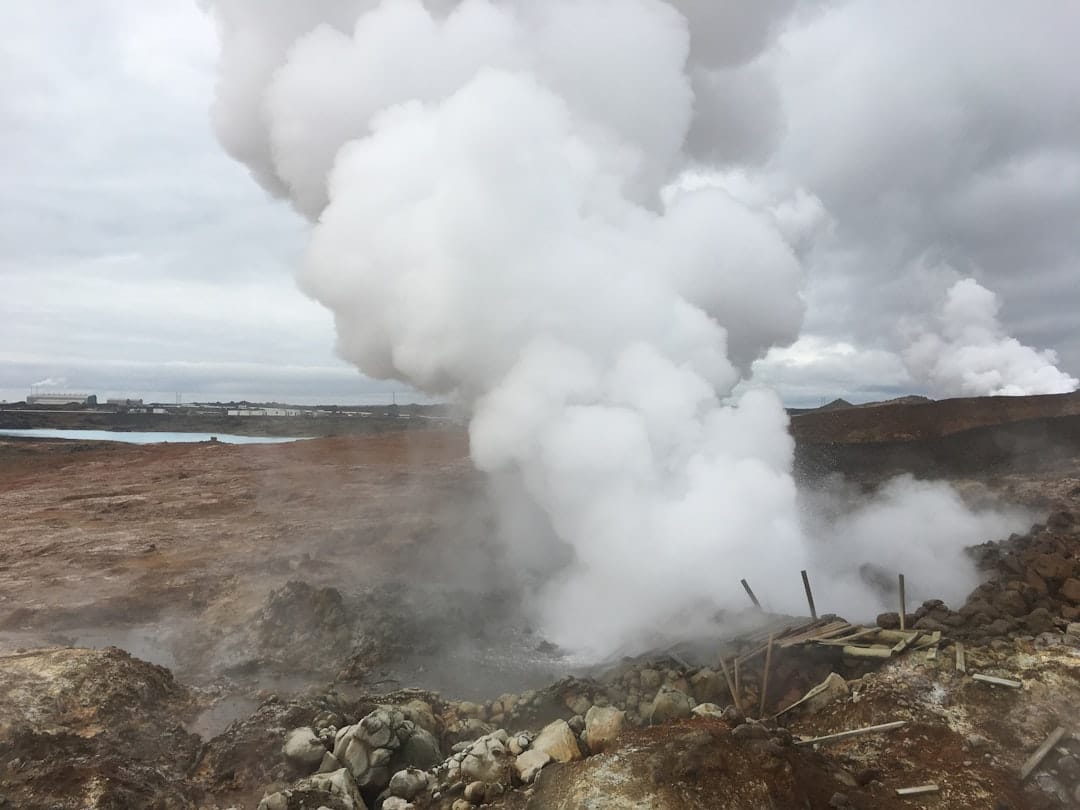
Geothermal energy is derived from the natural heat stored beneath the Earth’s surface. This heat originates from the planet’s formation and the radioactive decay of minerals. It is a renewable energy source that can be harnessed for various applications, including electricity generation, direct heating, and cooling systems. The Earth’s core maintains a temperature that can reach up to 7,000 degrees Fahrenheit (approximately 3,900 degrees Celsius), and this immense heat can be accessed through various technologies.
Geothermal energy is categorized into three main types: low-temperature, medium-temperature, and high-temperature resources. Low-temperature geothermal energy is typically used for heating applications, while high-temperature resources are often utilized for electricity generation. The versatility of geothermal energy makes it an attractive option for both residential and commercial use, as it can provide a consistent and reliable energy source with minimal environmental impact.
Geothermal energy is becoming an increasingly popular option for residential heating and cooling due to its efficiency and sustainability. For those interested in exploring the benefits of geothermal systems further, a related article can provide valuable insights into the latest technologies and installations. You can read more about it in this article on the top 10 best astrology software for PC and Mac in 2023, which, while focused on a different topic, highlights the importance of innovative solutions in various fields: Top 10 Best Astrology Software for PC and Mac 2023.
Key Takeaways
- Geothermal energy uses the earth’s natural heat for efficient residential heating and cooling.
- It offers significant benefits including energy savings, reliability, and reduced carbon footprint.
- Installation costs can be high initially but are offset by long-term savings and government incentives.
- Geothermal systems require minimal maintenance compared to traditional HVAC systems.
- Evaluating your home’s location and energy needs is crucial to determine if geothermal energy is a suitable option.
How Does Geothermal Energy Work for Residential Heating and Cooling?
Geothermal energy systems for residential heating and cooling primarily utilize ground-source heat pumps (GSHPs). These systems take advantage of the relatively stable temperatures found in the ground, which remain consistent throughout the year. In winter, the system extracts heat from the ground and transfers it into the home, while in summer, it reverses the process by removing heat from the indoor air and transferring it back into the ground. This process is efficient and can significantly reduce energy consumption compared to traditional heating and cooling methods.
The installation of a geothermal system involves burying a series of pipes, known as a ground loop, in the yard. These pipes are filled with a heat-transfer fluid that circulates through the system. The heat pump then extracts or dissipates heat as needed, depending on the season. The efficiency of geothermal systems is often measured by their coefficient of performance (COP), which indicates how much heating or cooling is produced per unit of energy consumed. Generally, geothermal systems have a COP ranging from 3 to 5, meaning they can produce three to five times more energy than they consume.
The Benefits of Geothermal Energy for Residential Use

One of the primary benefits of geothermal energy for residential use is its efficiency. Geothermal systems can significantly lower energy bills due to their ability to provide heating and cooling at a fraction of the cost of conventional systems. Homeowners often report savings of 30% to 60% on their heating and cooling expenses after switching to geothermal systems. This cost-effectiveness makes geothermal energy an appealing option for those looking to reduce their overall energy expenditures.
In addition to financial savings, geothermal energy systems are known for their longevity and low maintenance requirements. A well-installed geothermal system can last for 25 years or more for the indoor components and up to 50 years for the ground loop. This durability translates into fewer replacements and repairs over time, further enhancing the economic advantages of geothermal systems. Furthermore, because they do not rely on fossil fuels, geothermal systems contribute to energy independence and reduce reliance on external energy sources.
The Cost of Installing Geothermal Heating and Cooling Systems

The initial cost of installing a geothermal heating and cooling system can be significant compared to traditional HVAC systems. Homeowners can expect to pay between $10,000 and $30,000 for a complete installation, depending on factors such as system size, ground conditions, and local labor costs. While this upfront investment may seem daunting, it is essential to consider the long-term savings on energy bills and maintenance costs that can offset this initial expenditure.
Financing options are available to help homeowners manage the costs associated with geothermal installations. Many companies offer payment plans or financing programs that allow homeowners to spread out payments over time. Additionally, some regions provide incentives or rebates that can further reduce the overall cost of installation. It is advisable for homeowners to conduct thorough research and obtain multiple quotes from qualified contractors to ensure they receive a fair price for their geothermal system.
Geothermal energy is becoming an increasingly popular choice for residential heating and cooling due to its efficiency and sustainability. Homeowners looking to explore this option may find it beneficial to read a related article that discusses the advantages and installation process of geothermal systems. For more insights on how technology can enhance your living experience, check out this informative piece on smartwatches and their compatibility with various devices at smartwatches and rooted phones. This resource can provide valuable information on integrating modern technology into your home, complementing the benefits of geothermal energy systems.
Environmental Impact of Geothermal Energy
| Metric | Value | Unit | Notes |
|---|---|---|---|
| Average Coefficient of Performance (COP) | 3.5 – 5.0 | Ratio | Efficiency range for geothermal heat pumps |
| Typical Installation Depth | 100 – 400 | Feet | Depth of ground loops for residential systems |
| Energy Savings Compared to Conventional HVAC | 25 – 50 | Percent | Annual energy savings for heating and cooling |
| Average System Lifespan | 20 – 25 | Years | Typical operational lifespan of geothermal heat pumps |
| Ground Loop Warranty | 50 | Years | Common warranty period for ground loop piping |
| Installation Cost Range | 10,000 – 30,000 | Units | Initial cost range for residential systems (excluding incentives) |
| Average Annual Maintenance Cost | 100 – 300 | Units | Estimated yearly maintenance expenses |
| Carbon Emission Reduction | 30 – 60 | Percent | Reduction compared to fossil fuel heating systems |
Geothermal energy is often touted for its minimal environmental impact compared to fossil fuels. The extraction and use of geothermal energy produce significantly lower greenhouse gas emissions, contributing to efforts to combat climate change. Unlike coal or natural gas, which release carbon dioxide and other pollutants when burned, geothermal systems operate with little to no emissions during their operation.
Moreover, geothermal energy has a small land footprint compared to other renewable sources like wind or solar power. The ground loops required for residential systems can be installed underground without disrupting the landscape significantly. However, it is important to note that improper management of geothermal resources can lead to issues such as land subsidence or induced seismicity in certain areas. Therefore, responsible development practices are essential to ensure that geothermal energy remains a sustainable option.
Geothermal energy is becoming an increasingly popular choice for residential heating and cooling due to its efficiency and sustainability. Homeowners looking to understand more about the benefits and implementation of geothermal systems may find it helpful to explore related topics such as energy efficiency strategies. For instance, a comprehensive guide on optimizing energy use can be found in this article on energy efficiency tools. This resource provides valuable insights that can complement the advantages of geothermal energy, helping homeowners make informed decisions about their heating and cooling options.
Maintenance and Upkeep of Geothermal Systems
Geothermal systems are generally low-maintenance compared to traditional heating and cooling systems. Once installed, they require minimal upkeep to ensure optimal performance. Regular maintenance typically includes checking the heat pump’s filters, inspecting the ground loop for leaks, and ensuring that the system’s components are functioning correctly. Homeowners are encouraged to schedule annual professional inspections to identify any potential issues before they become significant problems.
The longevity of geothermal systems also contributes to their low maintenance needs. With proper installation and care, many components can last decades without requiring replacement. This durability not only reduces maintenance costs but also minimizes disruptions in home comfort. Homeowners who invest in geothermal systems often find that their long-term reliability outweighs the initial installation challenges.
Government Incentives for Geothermal Energy
To promote the adoption of renewable energy sources like geothermal energy, various government incentives are available at both federal and state levels.
In the United States, the federal government offers tax credits for homeowners who install geothermal heat pumps.
The Residential Renewable Energy Tax Credit allows homeowners to deduct a percentage of their installation costs from their federal taxes, making geothermal systems more financially accessible.
In addition to federal incentives, many states provide their own programs aimed at encouraging renewable energy use. These may include rebates, grants, or low-interest loans specifically for geothermal installations. Homeowners should research local programs and consult with qualified contractors who are familiar with available incentives in their area. Taking advantage of these financial incentives can significantly reduce the overall cost of installing a geothermal system.
Is Geothermal Energy Right for Your Home?
Determining whether geothermal energy is suitable for a particular home involves several factors. First, homeowners should consider their geographic location and local climate conditions. Geothermal systems are most effective in areas with stable ground temperatures; however, they can be adapted for use in various climates with appropriate design considerations.
Another critical factor is the available land space for installation. Geothermal systems require sufficient outdoor space for ground loops or vertical boreholes. Homes with limited yard space may need to explore alternative configurations or consider other heating and cooling options. Additionally, homeowners should evaluate their long-term plans; if they intend to stay in their home for many years, investing in a geothermal system may yield significant benefits over time.
In conclusion, geothermal energy presents a viable option for residential heating and cooling that offers numerous advantages, including efficiency, cost savings, and environmental benefits. While initial installation costs may be higher than traditional systems, long-term savings and government incentives can make it an attractive investment for many homeowners. By carefully considering individual circumstances and conducting thorough research, homeowners can determine if geothermal energy is the right choice for their needs.
FAQs
What is geothermal energy for residential heating and cooling?
Geothermal energy for residential heating and cooling uses the stable temperature of the earth beneath the surface to regulate indoor temperatures. It involves a geothermal heat pump system that transfers heat to or from the ground to provide efficient heating in winter and cooling in summer.
How does a geothermal heat pump system work?
A geothermal heat pump system circulates a fluid through underground pipes called a ground loop. In winter, it extracts heat from the ground and transfers it indoors. In summer, the process reverses, and heat from the home is transferred back into the cooler ground, providing air conditioning.
What are the benefits of using geothermal energy for home heating and cooling?
Benefits include significant energy savings, reduced greenhouse gas emissions, lower utility bills, consistent indoor comfort, and a long system lifespan. Geothermal systems are also quiet and require minimal maintenance compared to conventional HVAC systems.
Is geothermal energy suitable for all residential properties?
While geothermal systems can be installed in most locations, suitability depends on factors like soil composition, land availability, and local climate. A professional site assessment is necessary to determine if a property can support a geothermal heat pump system.
What is the typical cost and payback period for installing a geothermal heating and cooling system?
The initial installation cost is higher than traditional systems, often ranging from $10,000 to $30,000 depending on system size and site conditions. However, energy savings typically result in a payback period of 5 to 10 years, after which homeowners benefit from reduced operating costs.