


Digital learning has become a cornerstone of education, but keeping students engaged and committed through an entire course can be a real challenge.
Gamification engines offer a powerful solution by injecting game-like elements into the learning process.
Essentially, these engines provide the underlying framework and tools to implement gamified strategies, helping educators design experiences that boost student motivation, participation, and ultimately, retention. They’re not just about adding badges; they’re about strategically applying game design principles to make learning more compelling and sticky.
Understanding Gamification Engines
So, what exactly are we talking about when we say “gamification engine”? Think of it as the brain behind the gamified experience. It’s the software or platform that allows you to set up rules, track progress, award points, manage leaderboards, and generally run the “game” aspects of your digital learning environment. It’s not just an idea; it’s the practical toolset that makes gamification feasible and scalable.
Beyond Simple Badges
Many people hear “gamification” and immediately think of badges and points. While those are certainly elements, a true gamification engine goes much deeper. It provides the capability to design complex reward systems, create narratives, introduce challenges, facilitate collaboration, and personalize the learning path based on individual student performance. It’s about creating a more immersive and interactive experience, not just slapping on some digital stickers. A robust engine allows for dynamic feedback, adaptable difficulty levels, and meaningful progression that connects directly to learning objectives.
Core Components of an Engine
At its heart, a gamification engine typically includes several key components. First, there’s a rules engine that defines how points are earned, when badges are awarded, or what unlocks the next level. Then, you’ll often find a progress tracking system that monitors student activity and achievement. A reward management system handles the distribution of virtual items, points, or access to new content. Many also feature communication tools for notifications and social interaction, along with robust analytics to help educators understand what’s working and what isn’t. These components work together to provide a holistic framework for implementing gamified learning experiences effectively.
In exploring the impact of gamification engines in digital learning, it is essential to consider various strategies that enhance student retention. A related article that delves into innovative multimedia approaches in education is available at The Verge: An Ambitious Multimedia Effort. This piece discusses how integrating diverse media formats can engage learners more effectively, complementing the gamification strategies aimed at improving educational outcomes.
Key Takeaways
- The training data includes information and events up to October 2023.
- Insights and knowledge are based on a wide range of sources available until the cutoff date.
- No updates or developments occurring after October 2023 are included in the training.
- Users should verify information for any changes or new data post-October 2023.
- The model’s responses reflect the context and knowledge available up to the specified date.
Strategic Implementation for Retention
Simply having a gamification engine isn’t enough; you need a thoughtful strategy to leverage its capabilities for student retention. The goal isn’t just to make learning “fun” for a moment, but to foster sustained engagement and a sense of accomplishment that encourages students to see the course through to the end.
Aligning Game Mechanics with Learning Objectives
This is crucial. The game elements you introduce must directly support your learning goals. If a student is earning points for something irrelevant to the course material, those points quickly become meaningless. For example, if the goal is to master complex problem-solving, challenges that require applying learned concepts to novel situations will be far more effective than just completing multiple-choice quizzes. The engine facilitates this by allowing educators to link specific activities and achievements directly to measurable learning outcomes. This ensures that every “game” action contributes to genuine understanding and skill development.
Crafting Meaningful Progression
Students are more likely to stick with a course if they see clear progress and understand what comes next. A gamification engine can facilitate this by structuring the course into levels, stages, or quests. Each completed level could unlock new content, more advanced challenges, or even access to special resources. This sense of advancement, coupled with visible indicators of progress (like progress bars or skill trees), provides a continuous motivator. It taps into our natural desire for mastery and achievement, encouraging learners to push forward to see what lies ahead.
Fostering a Sense of Community
Learning can feel isolating, especially in purely digital environments. Gamification engines can be powerful tools for building community. Features like team-based challenges, collaborative projects where students earn points together, or even leaderboards that celebrate top performers (without shaming others) can create a shared experience. Discussion forums where points are awarded for helpful contributions or peer feedback mechanisms can further enhance this. When students feel connected to their peers and instructors, they are more likely to remain invested in the course and support each other through difficult patches.
Designing Engaging Gamified Experiences
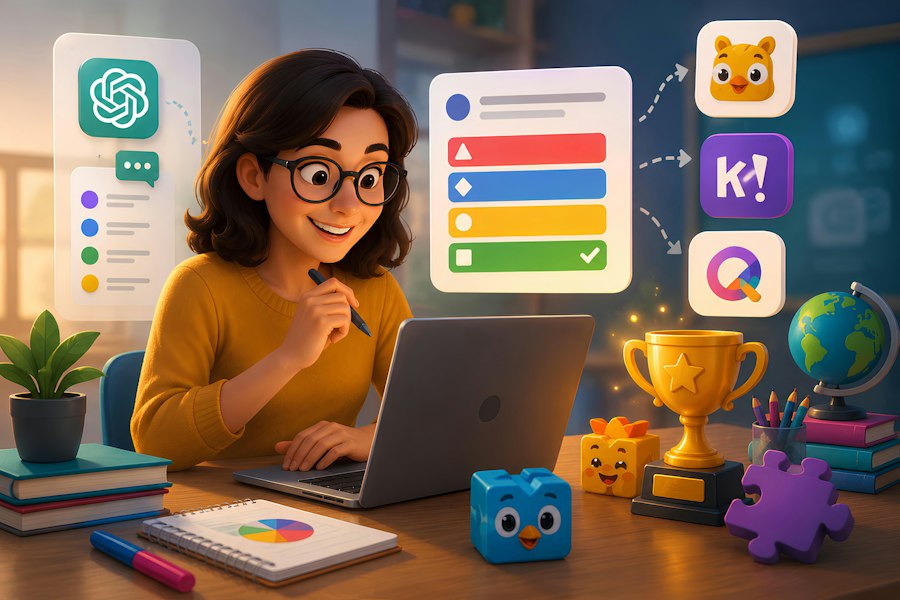
Once you have your engine and your strategy, the next step is to design the actual gamified experiences. This is where creativity meets educational psychology, using the engine’s tools to build compelling interactions.
The Power of Narrative
Humans are wired for stories. Integrating a narrative or storyline into your digital course can dramatically increase engagement.
A gamification engine can support this by structuring the course content around a “quest” or a “mystery” to solve. Each module could be a chapter, each assignment a challenge that moves the story forward. For instance, a history course could be framed as a journey through time, with students “discovering” artifacts (content) and “solving historical puzzles” (assignments).
This narrative arc provides context and purpose beyond simply completing tasks, making the learning journey feel more meaningful.
Dynamic Challenges and Adaptive Difficulty
One size does not fit all in learning. A sophisticated gamification engine allows for dynamic challenges and adaptive difficulty. This means that as a student demonstrates mastery in one area, the engine can present more advanced content or more complex problems.
Conversely, if a student struggles, the system can offer remedial exercises or alternative pathways to ensure understanding before moving on. This personalization keeps high-achievers challenged and prevents struggling students from becoming overwhelmed, a major factor in reducing dropout rates. The engine can track performance metrics and automatically adjust the learning path, creating a truly tailored experience.
Meaningful Rewards and Feedback
Rewards should be more than just points.
While points and badges have their place, more meaningful rewards could include unlocking exclusive content (e.g., advanced topics, guest lecturer interviews), access to special tools, or even real-world recognition (e.g., a certificate of completion that unlocks professional development opportunities). Immediate and constructive feedback is also paramount. A gamification engine can be configured to provide instant feedback on tasks, explaining why an answer was correct or incorrect, which is much more valuable than just a score.
This constant feedback loop guides students, corrects misconceptions, and reinforces learning, making them feel supported throughout their journey.
Measuring Success and Iterating
Implementing gamification isn’t a “set it and forget it” process. To truly boost student retention, you need to continuously monitor its effectiveness and be prepared to adapt your approach.
Key Metrics for Retention
How do you know if your gamified strategies are actually working? You need to look at specific data points that go beyond traditional grades. Key metrics for retention include:
- Completion Rates: The most direct measure. Are more students finishing the course now than before gamification?
- Engagement Rates: How often are students logging in? How much time are they spending on learning activities? Are they participating in discussions or group tasks?
- Activity Completion: Are students completing all assignments, not just the mandatory ones? Are they attempting optional challenges?
- Persistence: Are students progressing through the course at a consistent pace, or are there significant drops in activity after certain modules?
- Feedback and Sentiment: Are students expressing positive views about the gamified elements? Do they feel more motivated? This can be gathered through surveys or informal feedback channels.
A good gamification engine will often have built-in analytics dashboards to help track these metrics, providing educators with valuable insights into student behavior and engagement patterns.
Iterative Design and A/B Testing
Educational design, especially with gamification, benefits immensely from an iterative approach. This means implementing a strategy, measuring its impact, and then refining it based on the data. For example, if you notice a drop-off in engagement after a particular challenge, you might need to adjust its difficulty, provide more support, or re-evaluate its relevance to the learning objectives.
Sophisticated gamification engines might even support A/B testing, allowing you to present different gamified elements to different student groups and compare their effectiveness. For instance, one group might get leaderboards, while another gets team-based challenges. By systematically testing and refining elements, educators can optimize their gamified learning environments for maximum retention and learning impact. This continuous improvement ensures that the gamification remains fresh, relevant, and effective for all learners.
In exploring innovative approaches to enhance student engagement, the concept of gamification engines in digital learning has gained significant attention. A related article discusses how one founder recognized the potential of sustainable energy, which parallels the transformative impact that gamification can have on educational environments. By integrating game-like elements into learning platforms, educators can create more immersive experiences that not only captivate students but also improve retention rates. For more insights on recognizing potential in various fields, you can read the article here.
Potential Pitfalls and Considerations
| Gamification Strategy | Metric | Impact on Student Retention | Example Usage |
|---|---|---|---|
| Points and Badges | Increase in course completion rate | +15% retention over 6 months | Rewarding students for completing modules |
| Leaderboards | Engagement rate | +20% active participation | Ranking students based on quiz scores |
| Progress Bars | Motivation to continue learning | +12% reduction in dropout rates | Visual tracking of course progress |
| Challenges and Quests | Time spent on platform | +25% increase in session duration | Weekly learning challenges with rewards |
| Immediate Feedback | Improvement in quiz scores | +18% higher average scores | Instant feedback on answers |
| Social Interaction Features | Peer collaboration rate | +22% increase in group activities | Discussion boards and team quests |
While gamification engines offer immense potential, it’s important to be aware of common pitfalls. Not every gamified approach is inherently effective, and sometimes, poorly implemented gamification can even backfire, leading to disengagement rather than retention.
Avoiding Superficial Gamification
One of the biggest mistakes is adding gamified elements without careful thought to their purpose. Simply introducing points or badges without connecting them to meaningful learning objectives can lead to what’s often called “pointification” or “badgeification.” Students might just go through the motions to earn rewards, rather than truly engaging with the material. This superficial approach doesn’t foster deep learning or long-term retention. The engine should be used to support genuine pedagogical goals, not just to decorate a course. Ensure that every game mechanic serves a clear educational purpose.
The Risk of Over-Competition
While some level of competition can be motivating, relying too heavily on leaderboards or individual competitive elements can have negative consequences. It can discourage struggling students, create anxiety, and foster an environment where students prioritize beating others over genuine learning or helping peers. For many, constant comparison can be demotivating and lead to withdrawal from the course.
Consider balancing competitive elements with cooperative ones, or focus on self-competition (students trying to beat their own previous scores). Some students thrive on competition, but a diverse learning environment requires options that cater to different motivational profiles. A well-designed engine allows for flexibility in how competitive elements are displayed and weighted.
Ensuring Accessibility and Inclusivity
Gamification, like any digital learning strategy, must be designed with accessibility and inclusivity in mind. Ensure that all game elements are accessible to students with disabilities (e.g., screen reader compatibility, keyboard navigation). Also, be mindful of cultural biases or references in game design that might alienate certain student groups. The goal is to create an engaging experience for everyone, not just a subset of learners. This might involve offering alternative ways to achieve rewards or complete challenges, and avoiding elements that might be perceived as trivializing serious academic content for some students. The flexibility of a good gamification engine can assist in providing these alternative pathways and accommodations.
By understanding these potential issues and proactively addressing them, educators can harness the full power of gamification engines to create truly transformative and retentive digital learning experiences.
FAQs
What is a gamification engine in digital learning?
A gamification engine in digital learning is a software platform that integrates game mechanics and elements into educational content to enhance student engagement and motivation.
How can gamification engines help boost student retention in digital learning?
Gamification engines can boost student retention in digital learning by making the learning experience more interactive, enjoyable, and rewarding, which can lead to increased motivation, participation, and knowledge retention.
What are some common game mechanics used in gamification engines for digital learning?
Common game mechanics used in gamification engines for digital learning include points, badges, leaderboards, levels, challenges, rewards, feedback, progress tracking, and competition.
Are there any challenges or limitations associated with using gamification engines in digital learning?
Some challenges or limitations associated with using gamification engines in digital learning include the need for careful design to ensure alignment with learning objectives, potential over-reliance on extrinsic rewards, and the risk of disengagement if not implemented effectively.
How can educators effectively implement gamification engines in digital learning environments?
Educators can effectively implement gamification engines in digital learning environments by setting clear learning goals, aligning game mechanics with educational objectives, providing meaningful feedback, fostering a supportive learning community, and continuously evaluating and refining the gamified experience based on student feedback and performance.
Enjoying our content? Make us a preferred source on Google:
Add us as a Preferred Source on Google