

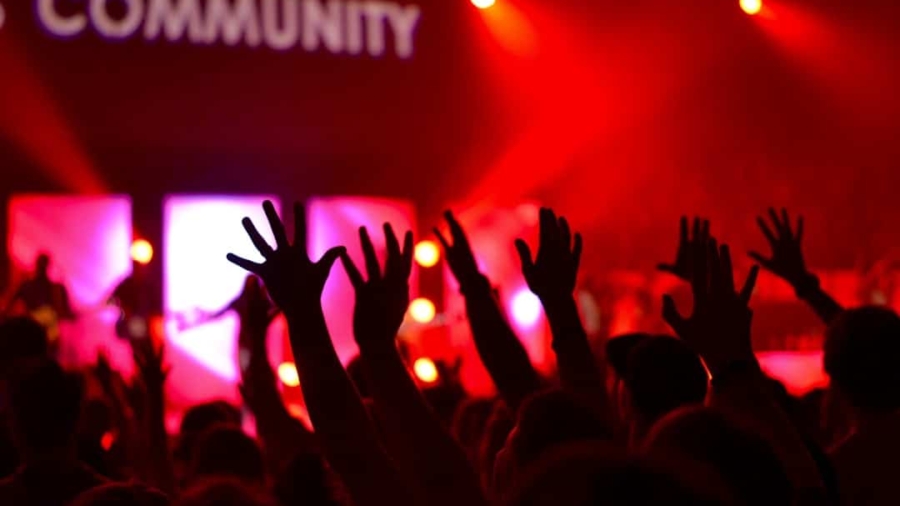
Alright, let’s talk about how we can build stronger communities in our virtual hangouts, especially when there isn’t a central boss calling all the shots. The big question here is: how do we get people to collectively govern themselves in these decentralized online spaces? The core idea is to empower the community itself to make decisions, resolve conflicts, and guide the evolution of their shared virtual world, rather than relying on a single company or individual. It’s about shared responsibility and creating a sense of ownership among participants.
First off, what are we even talking about when we say “decentralized virtual spaces”? Think beyond your typical Facebook group or Discord server run by a single admin. We’re looking at things like DAOs (Decentralized Autonomous Organizations), blockchain-based metaverses, open-source collaborative platforms, and even certain modding communities in games. The key characteristic is that no single entity holds absolute control. Power, or at least significant influence, is distributed among the participants.
Why Decentralization Matters for Community
This decentralized nature isn’t just a technical detail; it fundamentally changes the dynamics of community.
- No Central Point of Failure: If the original creator loses interest or a company goes bankrupt, the community can still thrive. The virtual space isn’t beholden to a single gatekeeper.
- Reduced Censorship Risks: Without a central authority, it’s harder for external forces to shut down or heavily moderate content and discussions based on arbitrary rules. The community itself sets the norms.
- Genuine Ownership and Engagement: When people feel like they genuinely own a part of the space and have a say in its future, their engagement and commitment skyrocket. It’s not just a platform they use; it’s a world they help build.
Common Challenges in Decentralized Spaces
While the benefits are compelling, decentralized spaces come with their own set of tricky problems when it comes to governance.
- Decision-Making Gridlock: How do you get hundreds, or even thousands, of people to agree on a path forward, especially for complex issues? Voting mechanisms can be slow and contentious.
- Lack of Clear Leadership: Without a designated leader, who steps up to organize, mediate, and drive initiatives? Spontaneous leadership can emerge, but it’s not always consistent.
- Security Vulnerabilities to Attacks: Malicious actors can exploit the open nature of decentralized systems. Sybil attacks (where one person controls many identities) or concentrated token ownership can skew voting and discussions.
- Onboarding and Education Gaps: For newcomers, understanding the intricacies of a decentralized governance model can be overwhelming. This can lead to exclusion or apathy.
- Maintaining Cohesion and Shared Vision: Over time, different factions or interests might emerge, threatening the unity and common goals of the community.
In exploring the concept of fostering community governance in decentralized virtual spaces, it is essential to consider the broader implications of technology on user engagement and interaction. A related article that delves into the impact of technology on user experiences is available at How to Choose a Smartphone for Games. This piece discusses the importance of selecting the right technology to enhance user participation, which is a crucial aspect of effective community governance in digital environments.
Key Takeaways
- Clear communication is essential for effective teamwork
- Active listening is crucial for understanding team members’ perspectives
- Setting clear goals and expectations helps to keep the team focused
- Regular feedback and open communication can help address any issues early on
- Celebrating achievements and milestones can boost team morale and motivation
Laying the Groundwork: Core Principles for Community Governance
So, how do we tackle these challenges? It starts with some foundational principles that guide how the community operates and makes decisions.
Defining Shared Values and Mission
Before any fancy voting mechanisms or dispute resolution systems, the community needs to agree on why they exist and what they stand for.
- Crafting a Community Constitution/Manifesto: This doesn’t need to be a legally binding document but rather a clear statement of purpose, core beliefs, and aspirational goals. It acts as a north star.
- Consensus-Building Workshops: Facilitated discussions, online polls, and brainstorming sessions can help surface and synthesize the community’s collective values. This is less about voting and more about understanding shared perspectives.
Establishing Robust Communication Channels
Effective governance hinges on clear and accessible communication. People need to know what’s happening and have avenues to participate.
- Dedicated Discussion Forums: Structured forums (e.g., Discourse, Reddit, custom web forums) for different types of proposals, discussions, and announcements.
- Real-time Chat for Collaboration: Platforms like Discord, Matrix, or Telegram can facilitate immediate discussion, though it’s important to archive important decisions.
- Transparent Decision Logs: A publicly accessible record of all proposals, votes, and outcomes, along with who participated. This builds trust and accountability.
Promoting Digital Literacy and Education
A well-informed community is a capable community. Learning how decentralized governance works takes effort.
- User-Friendly Guides and FAQs: Simple, jargon-free explanations of how to propose ideas, vote, and participate in different governance processes.
- Regular Q&A Sessions/Town Halls: Opportunities for community members to directly ask questions about governance, proposals, and project direction.
- Mentorship Programs: Experienced community members can guide newcomers through the governance processes.
Structuring Decision-Making: Mechanisms for Collective Action

Once the groundwork is laid, we need practical ways for the community to actually make decisions. This is where different governance models come into play.
Iterative Proposal and Discussion Frameworks
Big decisions are rarely made in one go. They evolve through discussion.
- Idea Incubation Phase: A low-friction space where members can float preliminary ideas, gather initial feedback, and refine their concepts before a formal proposal.
- Formal Proposal Submission: A structured template for submitting proposals, including a clear problem statement, proposed solution, rationale, and potential impact.
- Community Feedback Rounds: Dedicated periods for community members to comment, ask questions, and suggest amendments to proposals.
Voting and Consensus-Reaching Methods
Choosing how to vote is critical, as it impacts fairness and participation.
- Token-Based Voting (for DAOs): Where voting power is tied to the amount of governance tokens held.
This aligns incentives but can lead to plutocracy if not carefully designed.
- Quadratic Voting: A more nuanced approach where buying additional votes becomes increasingly expensive, aiming to give more power to broader support over concentrated interests.
- Weighted Voting with “Proof of Contribution”: Instead of just tokens, voting power could also be influenced by a user’s historical contributions, Reputation Score, or time spent in the community.
- Delegative Democracy (Liquid Democracy): Members can vote directly on issues or delegate their voting power to another trusted member (a “delegate”). This allows for specialized representation and reduced voter fatigue.
- Consensus vs. Majority Vote: Understanding when to aim for broad consensus (often for fundamental changes) versus a simple majority (for smaller, more frequent decisions).
Roles and Responsibilities within Governance
Even in a decentralized space, some structure helps things run smoothly.
These roles are typically temporary, elected, or based on voluntary contributions, rather than fixed hierarchies.
- Community Facilitators/Moderators (Non-Coercive): Individuals who help guide discussions, ensure respectful interactions, and enforce community-agreed norms without dictating content.
- Working Groups or Sub-Committees: Groups formed to tackle specific issues or projects, reporting back to the broader community. These can be temporary or semi-permanent.
- Treasury Management Committees: In DAOs with treasuries, these groups propose and execute spending based on community approval.
- Conflict Resolution Panels: A selected group of respected community members who mediate disputes and suggest resolutions, subject to community ratification.
Empowering Participation and Sustaining Engagement

Getting people involved and keeping them involved is the secret sauce for thriving decentralized governance.
Lowering Barriers to Entry
Making it easy for new members to understand and engage is paramount.
- Simplified User Interfaces: Governance tools should be intuitive, not require a blockchain engineering degree to use.
- Clear and Concise Information: Avoid jargon. Explain complicated concepts in plain language.
- Micro-Contributions Encouraged: Not every contribution needs to be a full proposal. Small actions like providing feedback, upvoting good ideas, or helping new members should be recognized.
Fostering a Culture of Contribution and Ownership
It’s not just about voting; it’s about active participation in building something together.
- Recognition and Reputation Systems: Acknowledging and rewarding valuable contributions (e.g., “karma,” badges, or on-chain reputation scores) can incentivize positive behavior.
- Grants and Bounties for Community Work: Providing funding for members to develop tools, content, or features that benefit the entire community.
- Pathways for Leadership Development: Mentoring those who show leadership potential and providing opportunities for them to take on more responsibility in a structured way.
Managing Conflict and Disagreement Constructively
Disagreements are inevitable, but how they’re handled defines a community.
- Established Conflict Resolution Processes: Clear steps for addressing disputes, from informal mediation to formal arbitration by community-elected panels.
- Code of Conduct Enforcement: Community-agreed rules of engagement that are transparently enforced by elected moderators or automated systems.
- “Forking” as a Last Resort: In truly decentralized systems, if fundamental disagreements arise that cannot be resolved, members always have the option to fork the project or community, taking their efforts in a different direction. While disruptive, it’s a powerful incentive for reasonable compromise.
In exploring the concept of fostering community governance in decentralized virtual spaces, it’s interesting to consider how the underlying infrastructure can impact these environments. A related article discusses the best VPS hosting providers for 2023, which can play a crucial role in supporting decentralized applications and communities. By choosing the right hosting solution, developers can enhance the performance and reliability of their platforms, ultimately contributing to more effective governance. For more insights, you can read the article on VPS hosting providers.
Evolving Governance: Adapting to Change and Growth
| Metrics | Data |
|---|---|
| Number of decentralized virtual spaces | 50 |
| Community engagement rate | 75% |
| Number of governance proposals | 100 |
| Percentage of community members participating in governance | 60% |
A healthy virtual community isn’t static; its governance needs to be able to adapt and improve over time.
Iterative Improvement of Governance Mechanisms
The way decisions are made should also be a subject of ongoing community discussion and improvement.
- “Meta-Governance” Proposals: Ideas specifically about changing the governance process itself, like how votes are weighted or who can propose new rules.
- Regular Governance Reviews: Scheduled discussions or surveys to assess the effectiveness of current governance structures and identify areas for improvement.
- Learning from Other Communities: Studying successful and unsuccessful governance experiments in other decentralized virtual spaces and adapting best practices.
Scaling Governance with Community Growth
What works for 100 people might not work for 10,000.
- Modularization of Responsibilities: As the community grows, different aspects of governance (e.g., technical development, moderation, treasury) can be delegated to specialized sub-DAOs or working groups.
- Tiered Participation Models: Allowing for different levels of engagement, where some members focus on direct voting, while others contribute to discussions, and a smaller group takes on more active roles in proposal creation and implementation.
- Automated and AI-Assisted Governance (with caution): Exploring how technology can help automate routine tasks, summarize proposals, or even flag potential conflicts, but always with human oversight and intervention.
Ensuring Long-Term Sustainability and Resilience
The goal is to build a community that can last and thrive.
- Strategic Planning and Vision Documents: Periodically revisiting and updating the community’s long-term goals and strategic direction.
- Funding Mechanisms for Public Goods: Establishing sustainable ways to fund shared resources, infrastructure, or community-driven initiatives (e.g., treasury diversification, grant programs).
- Succession Planning (for key roles): Even in decentralized systems, some roles may become crucial. Having processes for new individuals to step into these roles ensures continuity.
Fostering community governance in decentralized virtual spaces isn’t just about picking the right tools; it’s about cultivating a culture of shared responsibility, active participation, and continuous adaptation. It’s a journey, not a destination, but one that offers the promise of more resilient, equitable, and engaging online communities.
FAQs
What is community governance in decentralized virtual spaces?
Community governance in decentralized virtual spaces refers to the process by which members of a virtual community collectively make decisions and establish rules for the management and operation of the community. This can include voting on proposals, setting guidelines for behavior, and managing resources within the virtual space.
How does community governance work in decentralized virtual spaces?
Community governance in decentralized virtual spaces often operates through the use of blockchain technology and smart contracts. Members of the community can propose and vote on changes or decisions, and the outcomes are recorded on the blockchain, ensuring transparency and immutability.
What are the benefits of fostering community governance in decentralized virtual spaces?
Fostering community governance in decentralized virtual spaces can lead to increased transparency, accountability, and inclusivity within the community. It allows members to have a voice in the decision-making process and can help build a stronger sense of ownership and belonging.
What are some challenges associated with community governance in decentralized virtual spaces?
Challenges of community governance in decentralized virtual spaces can include reaching consensus among a diverse group of members, preventing manipulation or collusion, and ensuring that decisions align with the overall goals and values of the community.
How can community governance in decentralized virtual spaces be effectively implemented?
Effective implementation of community governance in decentralized virtual spaces requires clear communication, robust governance mechanisms, and ongoing community engagement. It is important to establish clear processes for decision-making and to continuously evaluate and adapt the governance structure based on the needs and feedback of the community.
Enjoying our content? Make us a preferred source on Google:
Add us as a Preferred Source on Google