

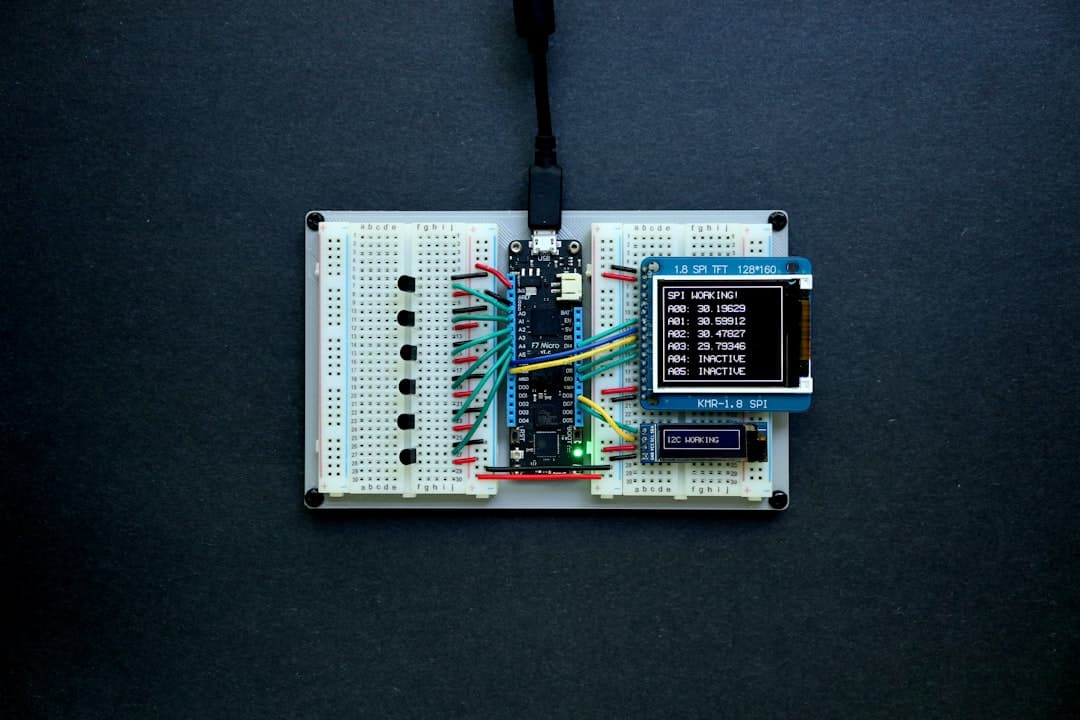
Bio-integrated electronics represent a significant advancement in the field of prosthetics, merging biological systems with electronic devices to enhance functionality and user experience. This innovative approach aims to create prosthetic limbs that not only mimic the natural movement of human limbs but also interact seamlessly with the body’s biological systems. By integrating sensors, actuators, and communication technologies into prosthetic devices, researchers and engineers are working to develop solutions that can adapt to the user’s needs in real-time, providing a more intuitive and responsive experience.
The integration of electronics into prosthetics is not merely a technological enhancement; it signifies a shift towards a more holistic understanding of human-machine interaction. As the demand for more sophisticated prosthetic solutions grows, bio-integrated electronics offer the potential to improve the quality of life for individuals with limb loss. This article will explore the current state of prosthetic technology, the advantages and challenges of bio-integrated systems, recent innovations, and the broader implications of these advancements on society.
In the realm of advanced prosthetics, the integration of bio-electronics holds significant promise for enhancing user experience and functionality. A related article that delves into the technological advancements and software tools that facilitate the creation of training videos for such innovative devices can be found at this link. This resource provides insights into the best software options available, which can be invaluable for developers and researchers looking to educate users about the capabilities of bio-integrated prosthetics.
Key Takeaways
- Bio-integrated electronics enhance prosthetics by closely interfacing with the human body for improved control and feedback.
- Current prosthetics technology is advancing but still faces limitations in natural movement and sensory integration.
- Benefits include increased functionality, better user comfort, and more intuitive operation of prosthetic limbs.
- Challenges involve technical complexity, biocompatibility issues, and high development costs.
- Future prospects include more seamless integration, advanced sensory feedback, and ethical considerations around accessibility and identity.
The Current State of Prosthetics Technology
Prosthetics technology has evolved significantly over the past few decades, transitioning from rudimentary mechanical devices to advanced systems that incorporate electronic components. Traditional prosthetics often relied on passive mechanisms that provided limited functionality and required significant effort from the user to operate. However, modern prosthetic devices now utilize motors, sensors, and microcontrollers to enhance movement and control. These advancements have led to the development of myoelectric prosthetics, which use electrical signals generated by muscle contractions to control the movement of artificial limbs.
Despite these advancements, many current prosthetic devices still face limitations in terms of adaptability and user comfort. While myoelectric systems have improved functionality, they often require extensive training for users to master their operation. Additionally, issues such as weight, battery life, and the need for regular maintenance can hinder user satisfaction. As a result, there is a growing interest in bio-integrated electronics as a means to address these challenges and create more effective prosthetic solutions.
Advantages of Bio-Integrated Electronics in Prosthetics
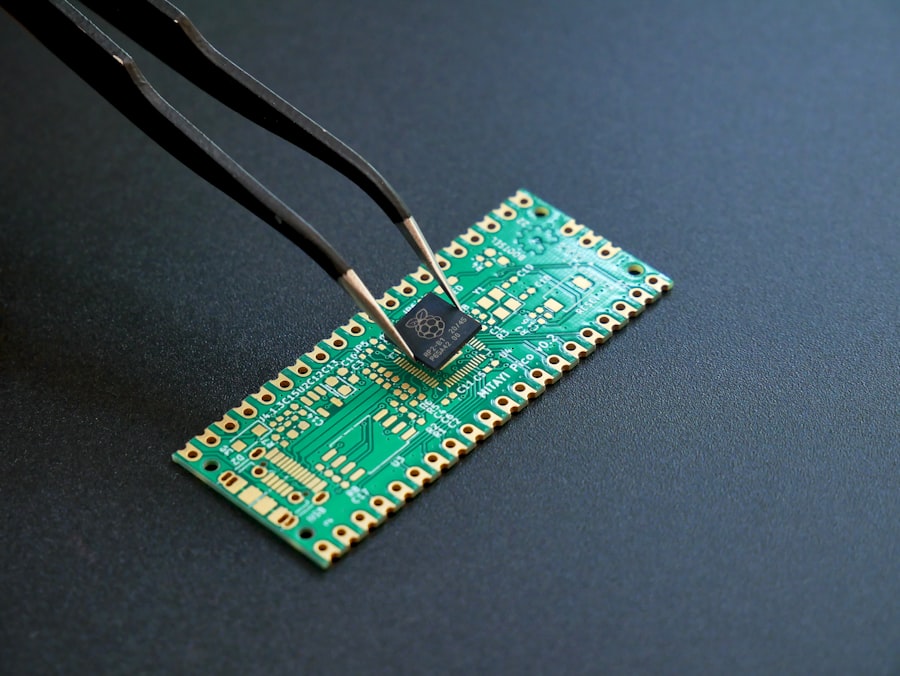
One of the primary advantages of bio-integrated electronics in prosthetics is their ability to provide real-time feedback and adaptability. By incorporating sensors that monitor physiological signals such as muscle activity or nerve impulses, these devices can adjust their movements based on the user’s intentions. This level of responsiveness can significantly enhance the user experience, allowing for more natural and fluid motion that closely resembles that of biological limbs.
Moreover, bio-integrated systems can facilitate better communication between the prosthetic device and the user’s nervous system. This connection can lead to improved control over the prosthetic limb, enabling users to perform complex tasks with greater ease. For instance, advanced bio-integrated prosthetics can allow for nuanced movements such as grasping delicate objects or adjusting grip strength based on the item being held. This capability not only enhances functionality but also contributes to a greater sense of agency for users, fostering independence in daily activities.
Challenges and Limitations of Bio-Integrated Electronics in Prosthetics
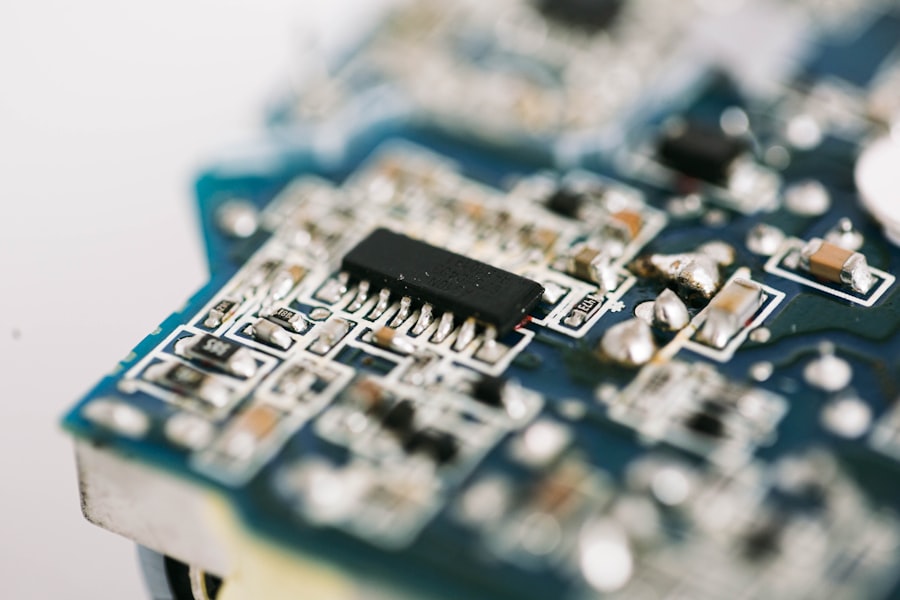
Despite their potential benefits, bio-integrated electronics in prosthetics also face several challenges and limitations. One significant hurdle is the complexity of integrating electronic components with biological systems. Achieving a seamless interface between the two requires advanced materials and technologies that can withstand the rigors of daily use while remaining biocompatible. Issues such as skin irritation or rejection by the body can complicate the long-term use of these devices.
Additionally, the cost associated with developing and manufacturing bio-integrated prosthetics can be prohibitive. Advanced materials, sophisticated sensors, and intricate designs contribute to higher production costs, which may limit accessibility for many individuals who could benefit from these technologies. Furthermore, ongoing maintenance and potential upgrades can add to the financial burden for users. Addressing these economic challenges is crucial for ensuring that bio-integrated prosthetics are available to a broader population.
In the realm of advanced prosthetics, the integration of bio-electronics is paving the way for more intuitive and responsive devices. A related article discusses the latest innovations in technology, highlighting how these advancements can enhance user experience and functionality. For those interested in exploring the best devices available, you can check out this insightful piece on Apple laptops that showcases how technology continues to evolve and influence various fields, including healthcare and prosthetic development.
Innovations and Breakthroughs in Bio-Integrated Electronics for Prosthetics
| Metric | Description | Value / Range | Unit | Notes |
|---|---|---|---|---|
| Signal Acquisition Accuracy | Precision of bio-electronic sensors in detecting neural or muscular signals | 85 – 95 | Percent (%) | Higher accuracy improves prosthetic responsiveness |
| Response Time | Time delay between signal detection and prosthetic movement | 10 – 50 | Milliseconds (ms) | Lower response time enhances natural movement |
| Power Consumption | Energy used by bio-integrated electronics during operation | 5 – 20 | Milliwatts (mW) | Lower power consumption extends battery life |
| Biocompatibility Index | Measure of material compatibility with human tissue | 90 – 99 | Percent (%) | Higher index reduces risk of rejection or inflammation |
| Durability | Operational lifespan of bio-integrated components under normal use | 2 – 5 | Years | Longer durability reduces maintenance frequency |
| Weight | Mass of the bio-integrated electronic components | 50 – 150 | Grams (g) | Lighter weight improves user comfort |
| Signal-to-Noise Ratio (SNR) | Ratio of useful signal to background noise in sensor data | 20 – 40 | Decibels (dB) | Higher SNR leads to clearer signal interpretation |
| Integration Complexity | Level of difficulty in embedding electronics with biological tissue | Medium to High | Qualitative | Advanced techniques required for seamless integration |
Recent years have seen significant innovations in bio-integrated electronics for prosthetics, driven by advancements in materials science, robotics, and neuroscience. Researchers are exploring new materials that can mimic the flexibility and sensitivity of human skin while providing durability and protection for electronic components. For example, soft robotics has emerged as a promising field, utilizing flexible materials that allow for more natural movement patterns in prosthetic limbs.
In addition to material innovations, breakthroughs in neural interfaces have opened new avenues for controlling prosthetic devices. Techniques such as targeted muscle reinnervation (TMR) enable better communication between the nervous system and prosthetic limbs by rerouting nerves to new muscle sites. This approach allows users to control their prosthetics with greater precision and reduces the learning curve associated with traditional myoelectric systems. These innovations are paving the way for more intuitive and effective bio-integrated prosthetic solutions.
Impact of Bio-Integrated Electronics on Prosthetic Functionality and User Experience
The integration of bio-electronics into prosthetics has a profound impact on both functionality and user experience. Enhanced sensory feedback mechanisms allow users to receive tactile information from their environment through their prosthetic limbs. This capability can significantly improve their ability to interact with objects and navigate various settings, leading to increased confidence in using their devices.
Furthermore, the psychological benefits associated with improved functionality cannot be overlooked. Users who feel more connected to their prosthetic devices often report higher levels of satisfaction and a greater sense of normalcy in their daily lives. The ability to perform tasks that were previously challenging or impossible can lead to improved mental well-being and social engagement. As bio-integrated electronics continue to evolve, they hold the promise of transforming not only how individuals use prosthetics but also how they perceive themselves within society.
Future Applications and Possibilities of Bio-Integrated Electronics in Prosthetics
Looking ahead, the future applications of bio-integrated electronics in prosthetics are vast and varied. One potential direction is the development of fully autonomous prosthetic limbs that can learn from user behavior and adapt accordingly. By employing machine learning algorithms, these devices could analyze patterns in movement and adjust their responses in real-time, further enhancing user experience.
Additionally, there is potential for integrating bio-electronics with other emerging technologies such as augmented reality (AR) or virtual reality (VR). These technologies could provide users with immersive training environments where they can practice using their prosthetics in simulated scenarios before applying those skills in real life. Such applications could not only improve proficiency but also foster a sense of community among users through shared experiences.
Ethical and Societal Implications of Bio-Integrated Electronics in Prosthetics
The rise of bio-integrated electronics in prosthetics raises important ethical and societal questions that warrant consideration.
As these technologies become more advanced, issues related to equity and access will become increasingly prominent.
Ensuring that all individuals who need prosthetic devices can access cutting-edge solutions is essential for promoting inclusivity within society.
Moreover, there are concerns regarding privacy and data security associated with bio-integrated systems that collect personal physiological data. As these devices become more interconnected with digital platforms, safeguarding user information will be critical to maintaining trust between manufacturers and consumers. Additionally, discussions around the implications of enhancing human capabilities through technology will continue to evolve as society grapples with what it means to be human in an age of advanced prosthetics.
In conclusion, bio-integrated electronics represent a transformative force in the field of prosthetics, offering numerous advantages while also presenting challenges that must be addressed. As research continues to advance this technology, it is crucial to consider its broader implications on individuals and society as a whole.
The future holds promise for enhanced functionality and improved quality of life for those who rely on prosthetic devices, but it will require careful navigation of ethical considerations and equitable access to ensure that these innovations benefit all users.
FAQs
What are bio-integrated electronics in prosthetics?
Bio-integrated electronics refer to electronic devices that are designed to seamlessly interface with biological tissues. In prosthetics, these electronics enable enhanced communication between the prosthetic limb and the user’s nervous system, improving control and sensory feedback.
How do bio-integrated electronics improve prosthetic functionality?
They improve functionality by providing real-time neural signals to control the prosthetic, enabling more natural and precise movements. Additionally, they can offer sensory feedback, allowing users to perceive touch, pressure, or temperature through the prosthetic.
What materials are commonly used in bio-integrated electronics for prosthetics?
Materials used include flexible, biocompatible polymers, conductive hydrogels, and stretchable metals. These materials ensure the electronics can conform to body tissues without causing irritation or damage.
Are bio-integrated electronics safe for long-term use in prosthetics?
Yes, when properly designed and tested, bio-integrated electronics are safe for long-term implantation or attachment. They are engineered to minimize immune response and maintain functionality over extended periods.
What challenges exist in developing bio-integrated electronics for prosthetics?
Challenges include ensuring long-term biocompatibility, maintaining stable and reliable neural interfaces, managing power supply and data transmission, and creating devices that are comfortable and durable for daily use.