


Artificial Intelligence (AI) technologies are being implemented across multiple industries, creating significant changes in workplace operations and employment patterns. Current developments in machine learning algorithms, natural language processing systems, and robotic automation have modified traditional approaches to task execution, decision-making processes, and service provision. Organizations worldwide are incorporating AI systems into their operational frameworks, resulting in measurable impacts on workforce composition and job requirements.
The adoption of AI in professional environments extends beyond simple automation of manual tasks. Research indicates that AI implementation affects job creation, skill requirements, and productivity metrics across various sectors. Studies show that while certain job categories face displacement, new roles emerge that require different competencies, particularly in areas involving human-AI collaboration and system management.
Current AI integration presents several challenges for labor markets, including the need for workforce retraining, adaptation of educational curricula, and development of regulatory frameworks. Economic analyses suggest that the transition period involves both job displacement in routine-based roles and job creation in technology-related fields.
The relationship between AI systems and human workers continues to evolve, with emerging models of collaboration rather than complete replacement becoming more prevalent. Research findings suggest that successful AI implementation often involves redesigning work processes to optimize both technological capabilities and human expertise, rather than simply substituting one for the other.
Key Takeaways
- AI is transforming the workplace by automating tasks and reshaping job roles.
- While AI may displace some jobs, it also creates new opportunities and industries.
- Continuous skills development and training are essential to keep pace with AI advancements.
- Ethical considerations and social impacts must be addressed to ensure fair AI integration.
- Successful future work environments rely on effective human-AI collaboration and adaptation strategies.
The Role of AI in Automation and Job Displacement
One of the most discussed aspects of AI’s impact on the workforce is its role in automation, which has the potential to displace a significant number of jobs across various industries. Tasks that were once performed by humans are increasingly being taken over by intelligent systems capable of executing them more efficiently and accurately. For instance, in manufacturing, robots equipped with AI algorithms can assemble products at a speed and precision that far surpasses human capabilities.
Similarly, in sectors like retail and customer service, chatbots and virtual assistants are handling inquiries and transactions, reducing the need for human staff. However, while automation may lead to job displacement in certain areas, it is essential to recognize that not all jobs are equally vulnerable. Research indicates that routine and repetitive tasks are more susceptible to automation, while roles requiring creativity, emotional intelligence, and complex problem-solving are less likely to be replaced.
For example, jobs in healthcare that involve patient interaction and nuanced decision-making are less likely to be automated compared to data entry positions.
AI’s Potential to Create New Job Opportunities

Despite concerns about job displacement, AI also holds significant potential for creating new job opportunities. As organizations adopt AI technologies, they require skilled professionals to develop, implement, and maintain these systems. This demand has led to a surge in job openings for data scientists, machine learning engineers, and AI ethicists.
For instance, according to a report by the World Economic Forum, it is estimated that by 2025, 97 million new roles may emerge that are more adapted to the new division of labor between humans and machines. Moreover, AI can enhance existing jobs by automating mundane tasks, allowing employees to focus on higher-value activities that require human insight and creativity. In fields such as marketing, AI tools can analyze consumer behavior and preferences at scale, enabling marketers to craft more personalized campaigns.
This shift not only increases efficiency but also fosters innovation as employees are freed from repetitive tasks to engage in strategic thinking and creative problem-solving. The emergence of new roles and the transformation of existing ones underscore the dynamic nature of the labor market in an AI-driven world.
The Impact of AI on Skills and Training
As AI continues to reshape the workforce, the skills required for success are evolving rapidly. Traditional educational pathways may no longer suffice in preparing individuals for the demands of an AI-centric job market. Instead, there is a growing emphasis on developing skills that complement AI technologies.
Critical thinking, adaptability, emotional intelligence, and digital literacy are becoming increasingly important as workers navigate a landscape where collaboration with machines is commonplace. To address this skills gap, organizations and educational institutions must prioritize training programs that equip individuals with the necessary competencies. Upskilling initiatives can take various forms, from formal education programs focused on data analysis and programming to informal learning opportunities such as online courses and workshops.
For example, companies like Google have launched initiatives like “Google Career Certificates,” which provide training in high-demand fields such as data analytics and project management without requiring a four-year degree. By investing in continuous learning and development, both employees and employers can better prepare for the future workforce.
Ethical and Social Implications of AI in the Workplace
| Metric | Current Value | Projected Value (2030) | Impact Description |
|---|---|---|---|
| Percentage of Jobs Automated | 15% | 30% | Increase in automation leading to job displacement in routine tasks |
| New Job Roles Created by AI | 500,000 | 2,000,000 | Growth in AI-related roles such as data scientists, AI trainers, and ethicists |
| Average Work Hours Saved per Week | 2 hours | 6 hours | Efficiency gains from AI tools reducing manual workload |
| Percentage of Workforce Requiring Reskilling | 20% | 45% | Need for continuous learning to adapt to AI-driven changes |
| Increase in Remote Work Adoption | 30% | 55% | AI enabling better remote collaboration and productivity tools |
| AI Contribution to Global Productivity Growth | 1.5% | 4.0% | AI-driven innovations boosting overall economic output |
The integration of AI into the workplace raises significant ethical and social implications that must be carefully considered. One major concern is the potential for bias in AI algorithms, which can lead to discriminatory practices in hiring, promotions, and performance evaluations. If not properly managed, these biases can perpetuate existing inequalities within organizations and society at large.
For instance, studies have shown that facial recognition technology often exhibits racial bias, leading to higher error rates for individuals from marginalized communities. Additionally, there are concerns about privacy and surveillance in workplaces increasingly reliant on AI technologies. The use of monitoring tools powered by AI can lead to a culture of distrust among employees if they feel their every move is being scrutinized.
Striking a balance between leveraging technology for productivity while respecting individual privacy rights is crucial for fostering a healthy work environment. Organizations must establish clear ethical guidelines for AI use that prioritize transparency, accountability, and fairness.
The Importance of Human-AI Collaboration
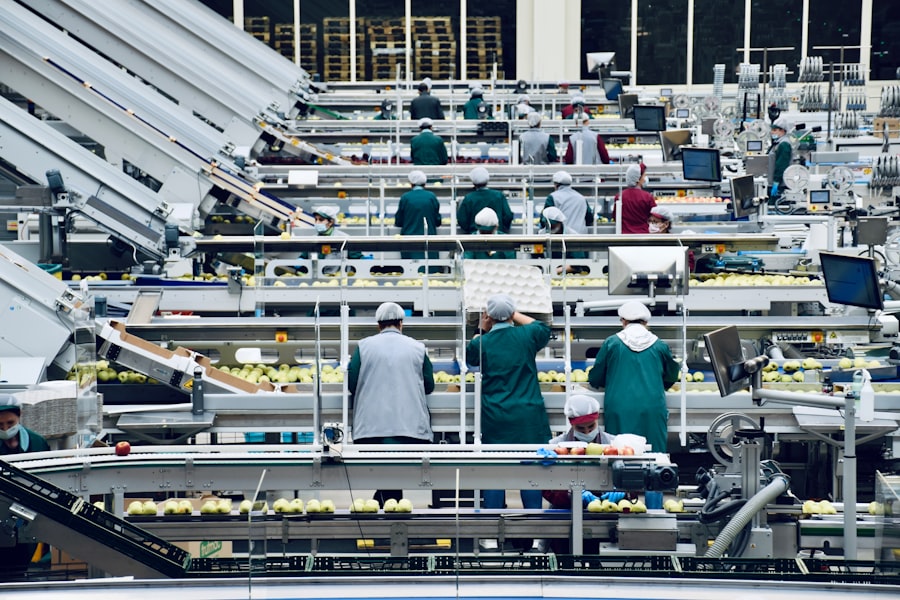
As AI technologies become more integrated into daily operations, the concept of human-AI collaboration emerges as a vital aspect of the future workplace. Rather than viewing AI as a replacement for human workers, organizations should focus on how these technologies can augment human capabilities. This collaborative approach can lead to enhanced decision-making processes where AI analyzes vast amounts of data while humans provide context and intuition.
For example, in healthcare settings, AI can assist doctors by analyzing medical images or predicting patient outcomes based on historical data. However, the final diagnosis and treatment plan still rely on human expertise and empathy. This synergy between human intelligence and artificial intelligence not only improves efficiency but also enhances the quality of services provided.
Emphasizing collaboration over competition between humans and machines will be essential for maximizing the benefits of AI in the workplace.
Strategies for Adapting to the Changing Workforce
To thrive in an evolving job market shaped by AI advancements, both individuals and organizations must adopt proactive strategies for adaptation. For individuals, embracing a mindset of lifelong learning is crucial. This involves staying informed about industry trends, seeking out training opportunities, and being open to acquiring new skills that align with emerging technologies.
Networking with professionals in relevant fields can also provide valuable insights into career paths that leverage AI. Organizations play a pivotal role in facilitating this adaptation by fostering a culture of innovation and continuous improvement. Implementing flexible training programs that allow employees to upskill or reskill as needed can help mitigate the impact of job displacement due to automation.
Additionally, creating cross-functional teams that encourage collaboration between employees with diverse skill sets can drive innovation and enhance problem-solving capabilities within the organization.
Embracing the Future of Work with AI
As we navigate the complexities of an increasingly automated world, embracing the future of work with AI requires a balanced perspective that acknowledges both challenges and opportunities. While concerns about job displacement are valid, it is equally important to recognize the potential for new roles and enhanced collaboration between humans and machines. By prioritizing skills development, ethical considerations, and innovative strategies for adaptation, we can create a workforce that thrives alongside advancing technology.
The journey toward an AI-driven future is not merely about technological advancement; it is about shaping a work environment that values human contributions while harnessing the power of artificial intelligence. As we move forward into this new era, fostering a culture of collaboration between humans and machines will be essential for unlocking the full potential of both workers and technology alike.
In the discussion of how artificial intelligence is reshaping the workplace, it’s interesting to consider the broader implications of technology on various industries. For instance, the article on best free software for 3D modeling in 2023 highlights how advancements in software tools are enabling more creative and efficient workflows, which can complement the integration of AI in design and production processes. This synergy between AI and innovative software is likely to redefine roles and enhance productivity in the future of work.
FAQs
What is the impact of AI on job automation?
AI is increasingly capable of automating routine and repetitive tasks across various industries, which can lead to the displacement of certain jobs. However, it also creates opportunities for new roles that require human oversight, creativity, and complex problem-solving.
How will AI change the skills required in the workforce?
AI is driving demand for skills such as data analysis, machine learning, programming, and digital literacy. Additionally, soft skills like critical thinking, adaptability, and emotional intelligence are becoming more important as humans work alongside AI systems.
Will AI lead to widespread job loss?
While AI may replace some jobs, it is also expected to generate new employment opportunities in emerging fields. The overall effect on employment depends on factors like industry, geography, and how businesses and governments manage workforce transitions.
How can workers prepare for the future with AI?
Workers can prepare by continuously updating their skills, focusing on lifelong learning, and gaining expertise in areas that complement AI technologies. Emphasizing creativity, interpersonal skills, and complex decision-making can also enhance job security.
What industries are most affected by AI?
Industries such as manufacturing, transportation, customer service, healthcare, and finance are experiencing significant AI-driven changes. Automation and AI tools are transforming workflows, improving efficiency, and reshaping job roles in these sectors.
How does AI impact workplace productivity?
AI can enhance productivity by automating mundane tasks, providing data-driven insights, and enabling faster decision-making. This allows human workers to focus on higher-value activities, potentially increasing overall organizational efficiency.
Are there ethical concerns related to AI in the workplace?
Yes, ethical concerns include data privacy, algorithmic bias, job displacement, and the transparency of AI decision-making. Addressing these issues requires responsible AI development, clear policies, and ongoing dialogue among stakeholders.
What role do governments play in managing AI’s impact on work?
Governments can support workforce transitions through education and training programs, social safety nets, and regulations that promote fair labor practices and ethical AI use. Policy frameworks are essential to balance innovation with social welfare.