

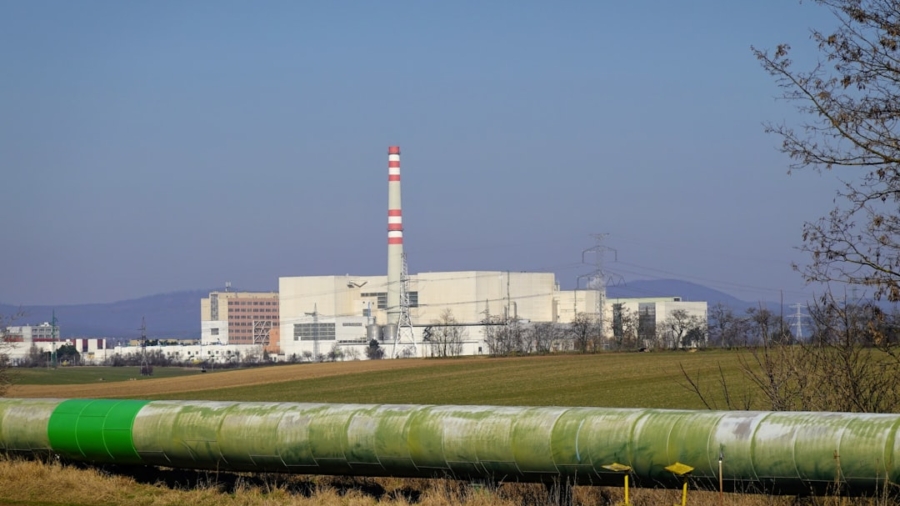
Hey there! Let’s dive into how green hydrogen can revolutionize heavy industry automation. The big takeaway right off the bat is that green hydrogen presents a fantastic opportunity to decarbonize some of the toughest, most energy-intensive sectors out there, and in doing so, it can unlock new levels of automation and efficiency. It’s not just about cleaner energy; it’s about making industrial processes smarter, more robust, and less reliant on volatile fossil fuel markets.
Why Green Hydrogen Matters for Heavy Industry
Heavy industries, think steel, cement, chemicals, and shipping, are notoriously difficult to decarbonize. They often require massive amounts of high-temperature heat or have inherent process emissions. This is where green hydrogen shines. Unlike “grey” hydrogen (produced from natural gas with CO2 emissions) or “blue” hydrogen (produced from natural gas with carbon capture, which is still a developing technology), green hydrogen is made by splitting water using renewable electricity, producing zero carbon emissions at the point of production.
For automation, this means a few things. First, a reliable, clean energy source can power automated systems without the carbon footprint.
Second, certain processes that currently rely on fossil fuels can be directly replaced with hydrogen, enabling cleaner, and often more precise, automated control.
Third, the infrastructure built for hydrogen production and distribution can itself be highly automated, creating a ripple effect of efficiency.
In the quest for sustainable energy solutions, the article “Exploring Green Hydrogen Production Methods for Heavy Industry Automation” provides valuable insights into innovative approaches for generating green hydrogen. A related article that complements this discussion is available at Discover the Best Tablet for On-Stage Lyrics Today, which highlights the importance of technology in enhancing performance and efficiency in various industries, including those that may benefit from the adoption of green hydrogen technologies. Together, these articles underscore the intersection of technology and sustainability in modern industrial practices.
Electrolysis: The Core of Green Hydrogen Production
At the heart of green hydrogen production lies electrolysis. This process uses electricity to split water (H2O) into hydrogen (H2) and oxygen (O2). It sounds simple, but the technology within electrolysis is evolving rapidly, with different methods offering unique advantages for various industrial applications.
Alkaline Electrolysis (AEL)
Alkaline electrolysis is a mature technology, meaning it’s been around for a while and is pretty well understood. It uses a liquid alkaline electrolyte, typically potassium hydroxide (KOH), and operates at relatively low temperatures. Think of it like a seasoned pro – reliable and robust.
- Pros for Heavy Industry: AEL systems are generally less expensive to build and operate than some of the newer technologies, especially at larger scales. Their mature status means a well-established supply chain and experienced operators. This can be a big draw for heavy industries looking for proven solutions.
- Challenges for Automation: AEL systems can be less flexible in terms of rapid power fluctuations compared to some newer technologies. This means they are better suited for a steady, continuous power supply, which might require buffering or careful integration with intermittent renewable energy sources. Also, working with corrosive liquid electrolytes requires specific safety protocols and material considerations for automated systems.
Proton Exchange Membrane (PEM) Electrolysis
PEM electrolysis is the newer kid on the block, often favored for its dynamic response and compact design. It uses a solid polymer electrolyte membrane to separate the hydrogen and oxygen, eliminating the need for a liquid electrolyte.
- Pros for Heavy Industry: PEM electrolyzers can handle variable power inputs much better than AEL. This makes them ideal for direct coupling with renewable energy sources like wind and solar, which can fluctuate. Their compact size and high-pressure output can also simplify downstream compression needs, which is a boon for automated storage and distribution.
- Challenges for Automation: The materials used in PEM electrolyzers, particularly the platinum-group metals (PGMs) in the catalysts, can be more expensive. While their dynamic response is great, it also demands more sophisticated control systems for optimal performance and integration with automated industrial processes.
Solid Oxide Electrolysis Cell (SOEC)
SOEC technology operates at much higher temperatures, typically between 500-850°C. This high-temperature operation is a double-edged sword: it requires more energy to reach those temperatures but also allows for higher electrical efficiency if waste heat is available.
- Pros for Heavy Industry: Many heavy industries, like steel and cement, produce significant amounts of waste heat. SOEC can harness this waste heat, dramatically improving overall efficiency and reducing the electrical input required for hydrogen production. This waste heat integration can be a game-changer for economic viability and energy optimization in these sectors, making automation more attractive due to lower operational costs.
- Challenges for Automation: The high operating temperatures present unique material science challenges and require specialized components and safety measures. Automating systems that operate at such extreme temperatures requires robust sensors, actuators, and control algorithms that can withstand these conditions and manage potential thermal runaway scenarios.
Integrating Green Hydrogen into Existing Industrial Processes
Simply producing green hydrogen isn’t enough; it needs to be effectively integrated into the complex fabric of heavy industry. This is where automation really comes into play, enabling seamless transitions and optimizing new hydrogen-fueled processes.
Hydrogen as a Fuel Source
Many industrial furnaces, boilers, and kilns currently run on natural gas or other fossil fuels. These can often be retrofitted to burn hydrogen, either as a blend or as a pure fuel.
- Automated Fuel Switching: Automation systems can be built to dynamically switch between hydrogen and other fuels based on availability and cost. This allows industries to gradually transition while maintaining operational flexibility. Imagine sensors monitoring hydrogen supply and real-time energy prices, automatically adjusting the fuel mix for optimal performance and cost-efficiency.
- Combustion Optimization: Burning hydrogen has different characteristics than natural gas. Automated combustion control systems are crucial to optimize efficiency, manage NOx emissions (which can be a concern with hydrogen combustion), and ensure safety. This involves precise air-fuel ratio control and flame monitoring.
Hydrogen as a Feedstock
In industries like steelmaking (Direct Reduced Iron – DRI) and chemical production (ammonia, methanol), hydrogen is not just a fuel; it’s a critical chemical feedstock.
- Automated Process Control: Replacing carbon-intensive feedstocks with green hydrogen requires precise process control. Automation can manage hydrogen injection rates, reaction temperatures, and pressures to ensure product quality and maximize yield. For example, in green steel production using DRI, automated systems will monitor the purity and flow of hydrogen, ensuring it efficiently reduces iron ore without unwanted byproducts.
- Quality and Purity Monitoring: The purity of hydrogen is vital for many industrial applications. Automated sensor networks can continuously monitor hydrogen purity, alerting operators to any deviations and diverting off-spec hydrogen if necessary. This ensures downstream processes receive a consistent and high-quality feedstock.
Hydrogen Storage and Distribution
Once produced, green hydrogen needs to be stored and distributed, often in significant quantities. Automation is key to managing this efficiently and safely.
- Automated Compression and Liquefaction: Hydrogen takes up a lot of space, so it’s often compressed or liquefied for storage and transport. Automated systems control the multi-stage compression process, manage liquefaction (which requires very low temperatures), and monitor the integrity of storage tanks.
- Pipeline Management: If hydrogen is transported via pipelines (either new ones or existing ones repurposed for hydrogen), automated leak detection, flow control, and pressure management systems are essential for both safety and efficiency. This ensures hydrogen reaches its destination reliably and without waste.
Safety and Regulatory Considerations for Automated Hydrogen Systems
Working with hydrogen, especially at industrial scales, requires an unwavering focus on safety. While automation can enhance safety by reducing human exposure and improving monitoring, it also introduces new considerations.
Automated Leak Detection and Emergency Shutdown
Hydrogen is a very light gas and can be explosive when mixed with air in certain concentrations. Robust, automated leak detection systems are paramount.
- Multi-Sensor Networks: Installing a network of hydrogen sensors (electrochemical, catalytic, thermal conductivity) across production, storage, and utilization points, integrated with a central control system. These sensors need to be highly reliable and resistant to harsh industrial environments.
- Automated Shutdown Sequences: In the event of a significant leak or other hazardous condition, automated emergency shutdown systems (ESD) must be able to rapidly and safely cease operations, isolate hydrogen flows, and vent systems. This requires carefully engineered and regularly tested logic controllers.
Remote Monitoring and Control
Automation inherently allows for remote monitoring and control, which can greatly enhance safety by removing personnel from potentially hazardous areas.
- Digital Twins and Predictive Maintenance: Creating digital twins of hydrogen production and utilization facilities allows operators to monitor performance in real-time, simulate operational changes, and predict potential failures. This facilitates predictive maintenance, addressing issues before they become critical.
- Cybersecurity for Industrial Control Systems: As systems become more automated and interconnected, cybersecurity becomes a critical safety aspect. Protecting Industrial Control Systems (ICS) from cyber threats is essential to prevent malicious attacks or accidental operational disruptions that could lead to dangerous situations.
In the quest for sustainable energy solutions, the article on choosing the right technology highlights the importance of integrating advanced systems into various sectors, including heavy industry.
Exploring green hydrogen production methods for heavy industry automation not only addresses the pressing need for cleaner energy sources but also emphasizes the role of innovative technologies in enhancing efficiency and reducing carbon footprints.
As industries evolve, understanding how to select and implement these technologies becomes crucial for achieving sustainability goals.
The Economic and Environmental Impact of Green Hydrogen Automation
Beyond the technical practicalities, the successful adoption of green hydrogen with advanced automation has significant economic and environmental upsides for heavy industry. It’s not just about compliance; it’s about competitive advantage.
Cost Reduction Through Efficiency
While the initial investment in green hydrogen infrastructure can be substantial, automation can drive down operational costs over the long term.
- Optimized Energy Consumption: Automated control of electrolyzers to maximize efficiency in response to renewable energy availability, or leveraging waste heat with SOEC, directly reduces energy costs.
- Reduced Labor Costs: While not eliminating jobs, automation shifts the type of labor required towards oversight, maintenance, and data analysis, potentially reducing direct operational labor and improving overall productivity.
- Process Optimization and Yield Improvement: Through precise automated control, industrial processes can be optimized to reduce waste, improve product quality, and increase yield, directly impacting the bottom line.
Enhanced Sustainability and Carbon Footprint Reduction
This is the primary driver for green hydrogen, and automation plays a key role in maximizing its environmental benefits.
- Verified Carbon Neutrality: Automated monitoring and reporting systems can track the carbon intensity of hydrogen production and use, providing verifiable data for sustainability reporting and ensuring the “green” credentials are met.
- Compliance with Emissions Regulations: As carbon pricing and emissions regulations tighten globally, adopting automated green hydrogen solutions can help heavy industries stay ahead of regulatory curves, avoiding penalties and gaining a competitive edge.
Market Opportunities and Competitive Advantage
Industries that successfully integrate green hydrogen into their automated processes are likely to gain a significant market advantage.
- “Green” Product Differentiation: Producing “green steel,” “green cement,” or “green chemicals” allows companies to differentiate their products in a market increasingly focused on sustainability. This can lead to premium pricing and access to new customer segments.
- Energy Independence and Resilience: By relying on locally produced green hydrogen powered by renewable energy, heavy industries can reduce their dependence on volatile fossil fuel markets and enhance their energy security. Automated systems ensure this transition is smooth and reliable.
In essence, the move towards green hydrogen in heavy industry isn’t just an energy transition; it’s an operational revolution facilitated by advanced automation. It’s about building smarter, cleaner, and more resilient industrial ecosystems for the future.
FAQs
What is green hydrogen production?
Green hydrogen production refers to the process of generating hydrogen gas using renewable energy sources, such as wind or solar power, to power the electrolysis of water. This method produces hydrogen without emitting greenhouse gases, making it an environmentally friendly alternative to traditional hydrogen production methods.
What are the benefits of green hydrogen for heavy industry automation?
Green hydrogen offers several benefits for heavy industry automation, including its potential to reduce carbon emissions, improve energy efficiency, and provide a sustainable energy source for industrial processes. It can also help industries meet their sustainability goals and reduce their reliance on fossil fuels.
What are the different methods of green hydrogen production for heavy industry automation?
There are several methods of green hydrogen production for heavy industry automation, including alkaline electrolysis, proton exchange membrane (PEM) electrolysis, and solid oxide electrolysis. Each method has its own advantages and challenges, and the choice of method depends on factors such as energy availability, cost, and scale of production.
What are the challenges of implementing green hydrogen production for heavy industry automation?
Challenges of implementing green hydrogen production for heavy industry automation include the high initial investment costs, the need for infrastructure development, and the intermittency of renewable energy sources. Additionally, the scalability of green hydrogen production to meet the demands of heavy industry automation remains a challenge.
What is the potential future impact of green hydrogen production on heavy industry automation?
The potential future impact of green hydrogen production on heavy industry automation is significant, as it offers a sustainable and low-carbon energy source for industrial processes. It has the potential to reduce greenhouse gas emissions, improve energy security, and drive innovation in the heavy industry sector. However, widespread adoption will depend on technological advancements, policy support, and cost competitiveness.
Enjoying our content? Make us a preferred source on Google:
Add us as a Preferred Source on Google