

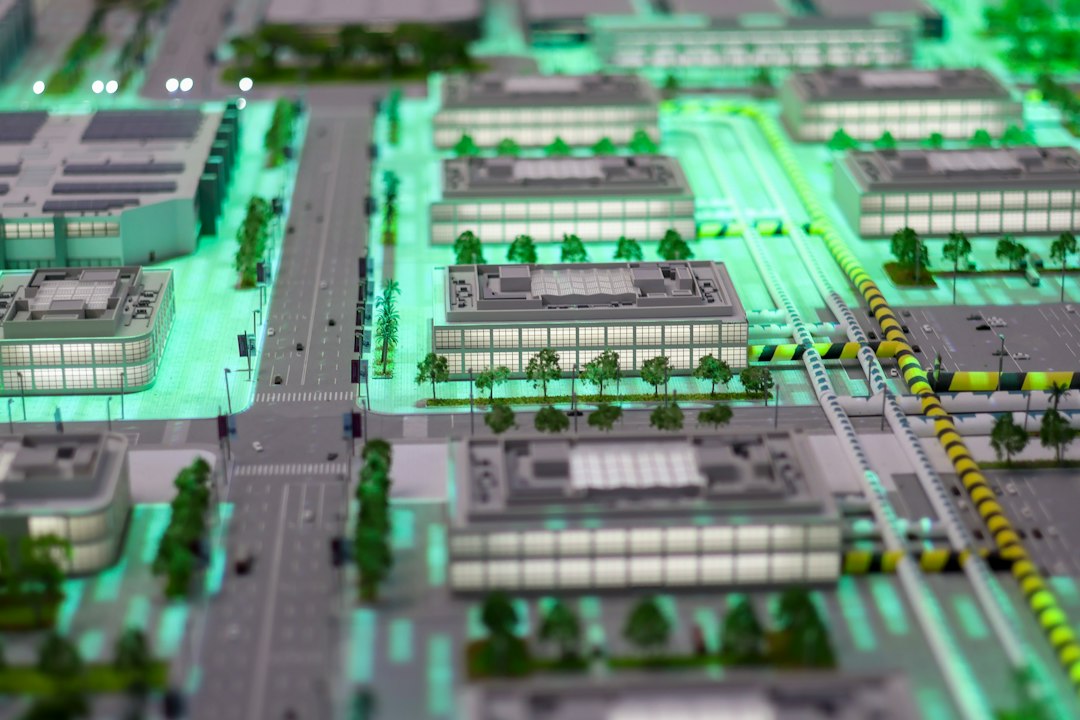
Edge computing helps smart campuses deliver real-time IoT services by bringing data processing closer to where the data is generated, like sensors and devices. This significantly reduces latency, improves responsiveness, and offers a more efficient way to manage the vast amounts of data produced across a university environment. Think of it as putting mini-data centers right where they’re needed most, instead of sending everything to a distant, centralized cloud.
Why Campuses Need Edge for IoT
Smart campuses are increasingly reliant on the Internet of Things (IoT) for everything from energy management to student safety. Without edge computing, the sheer volume of data generated by thousands of sensors, cameras, and smart devices would overwhelm traditional network infrastructures. Trying to send every single byte of data to a remote cloud for processing introduces unavoidable delays and consumes immense bandwidth, which isn’t practical or efficient for applications requiring immediate action.
The Latency Challenge
Imagine a smart parking system that needs to direct drivers to available spots in real-time. If the sensor data from each parking space has to travel to a cloud server hundreds or thousands of miles away, be processed, and then send instructions back, there will be noticeable delays. Drivers might miss spots, or the system could provide outdated information. Edge computing keeps this processing local, often within the parking garage itself or a nearby campus building, ensuring instantaneous updates and guidance. This direct, low-latency communication is critical for time-sensitive applications.
Bandwidth and Cost Considerations
Sending raw video feeds from hundreds of security cameras to a central cloud 24/7 is not only a massive drain on network bandwidth but also incredibly expensive in terms of data transfer costs and cloud storage. Edge devices can process this video locally, for example, by only sending alerts when specific events (like unauthorized access or unusual activity) are detected, or by compressing the data significantly before transmission. This intelligent filtering and processing at the “edge” drastically reduces the amount of data that needs to travel further, leading to substantial cost savings and a more resilient network.
Enhanced Data Security and Privacy
While the cloud offers robust security features, processing sensitive data closer to its source, rather than transmitting it across public networks, can enhance security and privacy. For instance, student attendance data or highly localized environmental readings might not need to leave the campus network. Edge computing allows universities to maintain more control over their data, ensuring compliance with privacy regulations and reducing exposure to potential breaches during transit. Data can be anonymized or aggregated at the edge before any necessary transmission to the cloud, further bolstering privacy.
Edge computing plays a crucial role in enhancing the efficiency of smart campuses by enabling real-time IoT services for universities. For a deeper understanding of how technology is transforming educational environments, you can explore a related article that discusses the latest trends and innovations in this field. Check out the article on technology news and reviews at Enicomp for more insights into the impact of edge computing on modern educational institutions.
Key Takeaways
- The training data includes information and events up to October 2023.
- Insights and knowledge are based on a wide range of sources available until the cutoff date.
- No updates or developments occurring after October 2023 are included in the training.
- Users should verify current information from reliable sources for the latest updates.
- The model’s responses reflect the context and knowledge available up to the specified date.
Core Applications of Edge in Smart Campuses
The practical applications of edge computing across a smart university campus are extensive and diverse, touching almost every aspect of campus life and operations.
Real-Time Security and Surveillance
This is one of the most impactful areas. Imagine AI-powered cameras monitoring building entrances, detecting unusual behavior, or identifying unauthorized individuals. With edge processing, these cameras can analyze video streams locally, flagging suspicious activity instantly without delay. This means security personnel are alerted immediately to potential threats, allowing for a faster, more effective response. Facial recognition for restricted areas or anomaly detection in student common areas can be performed with minimal latency, enhancing overall campus safety.
Intelligent Building Management
Optimizing energy consumption and maintaining comfortable environments across numerous buildings is a complex task. Edge computing enables smart HVAC systems to react in real-time to occupancy levels, external weather conditions, and even predicted usage patterns. Sensors detecting room occupancy can directly communicate with local climate control units to adjust temperatures or lighting, turning them off in empty rooms to save energy. Similarly, fault detection in building infrastructure can be identified and addressed immediately by localized edge analytics, preventing minor issues from escalating into major problems.
Smart Transportation and Parking
As discussed earlier, smart parking systems benefit immensely from edge computing. Real-time availability updates, guided navigation, and even automated parking fee collection can be managed at the edge. Beyond parking, campus shuttle services can use edge analytics to optimize routes based on real-time traffic and passenger demand, reducing wait times and fuel consumption. Autonomous campus vehicles or delivery robots also rely on ultra-low latency edge processing for navigation, obstacle avoidance, and rapid decision-making to ensure safe operation.
Augmented Learning Environments
Edge computing can transform classrooms and laboratories. Imagine interactive learning tools that provide personalized feedback instantly, or VR/AR experiences that require seamless, real-time data processing to feel truly immersive. In smart labs, edge devices can monitor experiments, analyze sensor data from equipment, and provide immediate alerts for deviations or potential hazards. This immediate feedback loop enhances the learning experience and safety for students and researchers alike.
Asset Tracking and Management
For large campuses with valuable equipment, library resources, or even shared vehicles, edge computing can provide highly accurate and real-time asset tracking. IoT tags on equipment can communicate with local edge gateways, providing precise location data and usage statistics. This helps prevent theft, streamlines inventory management, and ensures resources are available when needed. For instance, in a university hospital or research facility, tracking critical medical equipment or lab samples with edge intelligence ensures efficiency and regulatory compliance.
How Edge Integrates with Existing Campus Infrastructure
Implementing edge computing isn’t about ripping out existing systems; it’s about intelligently augmenting and integrating with what’s already there. A well-planned edge strategy leverages existing network infrastructure while introducing new capabilities.
Leveraging Campus Network Fabric
University campuses typically have robust wired and wireless network infrastructures. Edge devices, whether they are smart cameras, gateways, or micro-servers, connect directly to this network. They can communicate with each other locally, with on-premises data centers, or with public cloud services, depending on the application’s requirements. The key is to optimize data flow by keeping what’s critical at the edge and sending only aggregated or less time-sensitive data upstream.
Existing Wi-Fi 6/6E and emerging 5G private networks on campus are ideal backbones for supporting a distributed edge architecture due to their high bandwidth and low latency characteristics.
Hybrid Cloud Approach
Most universities already utilize some form of cloud services. Edge computing doesn’t replace the cloud; it complements it. This creates a powerful hybrid cloud model.
Edge devices handle immediate, time-sensitive processing, while the cloud provides long-term data storage, complex analytics (like historical trend analysis), and resource-intensive AI model training. For example, edge devices might detect an anomaly, and the cloud might then analyze a broader dataset to understand the root cause or predict future occurrences. Data generated at the edge can be curated and then selectively uploaded to the cloud for deeper insights, regulatory compliance, or archiving, creating a seamless flow of information.
Open Standards and Interoperability
For successful integration, universities need to prioritize solutions that adhere to open standards and support interoperability.
This prevents vendor lock-in and allows different devices and platforms to communicate effectively. APIs (Application Programming Interfaces) play a crucial role, enabling various edge applications to exchange data and control instructions. A modular approach, where different edge components can be added or upgraded independently, ensures scalability and future-proofing. This also simplifies management, allowing IT teams to integrate solutions from various providers into a cohesive smart campus ecosystem.
Deploying Edge Computing: Practical Steps and Considerations
Rolling out edge computing across a large campus requires careful planning, infrastructure assessment, and a clear understanding of the university’s specific needs and priorities.
Phased Implementation
Attempting a campus-wide edge deployment all at once is often overwhelming and prone to issues. A more pragmatic approach is a phased implementation. Start with a pilot project in a specific area or for a particular application, such as smart parking in one garage or intelligent lighting in a single building. This allows the IT team to test the technology, understand its complexities, and refine the deployment strategy before scaling up. Learning from these initial phases helps mitigate risks and optimize subsequent rollouts.
Infrastructure Assessment and Upgrades
Before deployment, a thorough assessment of the existing network infrastructure is essential. This includes evaluating network capacity, power availability at proposed edge locations, and physical security for edge devices. Depending on the scale and demands of the edge applications, upgrades to network switches, Wi-Fi access points, or even fiber optic cabling might be necessary. It’s also crucial to consider environmental factors like temperature and humidity for edge hardware that might be deployed in less-than-ideal locations.
Security from the Edge to the Cloud
Security must be a top priority from day one. Edge devices represent new potential entry points into the network, so they need robust security measures. This includes device authentication, data encryption at rest and in transit, regular software updates, and secure configuration management. Network segmentation can isolate edge devices from critical campus systems, limiting the blast radius of any potential breach. Furthermore, a comprehensive security policy should extend from the edge all the way to the cloud, ensuring consistent protection across the entire hybrid architecture.
Skills and Staffing
Adopting edge computing will likely require new skills within the university’s IT department. Staff may need training in areas such as IoT device management, network automation, containerization technologies (like Kubernetes for deploying edge applications), and data analytics at the edge.
Universities might also consider strategic partnerships with technology providers or managed service providers to bridge any skill gaps, especially during the initial deployment and scaling phases.
Building an internal team with the necessary expertise is a long-term investment that will pay dividends.
Edge computing plays a crucial role in enhancing the functionality of smart campuses by facilitating real-time IoT services for universities. This innovative approach allows institutions to process data closer to the source, thereby improving response times and reducing latency. For a deeper understanding of how these technologies are transforming educational environments, you might find this related article on