

This article explores the application of drones in firefighting, focusing on thermal imaging and extinguishing capabilities.
Firefighting, a profession historically reliant on human endurance and robust equipment, is undergoing a technological evolution. Drones, also known as Unmanned Aerial Vehicles (UAVs), are emerging as valuable tools, offering new perspectives and functionalities in responding to and managing fires. Their ability to reach inaccessible areas, provide real-time data, and even deliver extinguishing agents represents a significant advancement in fire suppression and safety. This introduction will outline the fundamental advantages drones bring to the firefighting domain, setting the stage for a deeper examination of their specific applications.
Historical Context of Firefighting Technology
Firefighting has a long history of innovation driven by necessity. From rudimentary buckets of water passed hand-to-hand to the development of steam-powered pumps and, later, motorized fire engines, each era brought incremental improvements. Manual labor was the bedrock, requiring immense courage and physical effort. The introduction of breathing apparatus and specialized protective gear marked a significant step in enhancing firefighter safety. However, these technologies primarily focused on enabling humans to operate within hazardous environments. The concept of employing autonomous or remotely operated systems to augment or even replace certain human tasks is a more recent paradigm shift, with drones representing a potent manifestation of this technological leap.
The Evolving Role of Technology in Emergency Response
Modern emergency response, including firefighting, is increasingly integrating advanced technologies. Beyond drones, this encompasses sophisticated communication systems, Geographic Information Systems (GIS) for situational awareness, and advanced modeling for predicting fire spread. The goal is not to replace the human element entirely but to equip first responders with tools that amplify their effectiveness, improve safety, and provide a more comprehensive understanding of complex situations. Drones fit squarely into this trend, offering a versatile platform for data collection and intervention that was previously unachievable or impractical.
Defining Drones (UAVs) in the Firefighting Context
For the purposes of this article, a drone refers to an aircraft without a human pilot on board. These vehicles are controlled remotely by a human operator or can fly autonomously following pre-programmed flight plans or using artificial intelligence. In firefighting, drones are typically equipped with various payloads, including cameras, sensors, and delivery systems for extinguishing agents. Their inherent maneuverability, relatively low cost compared to manned aircraft, and ability to operate in environments too dangerous for humans make them particularly attractive for fire services.
Drones have revolutionized various industries, including firefighting, by utilizing advanced technologies such as thermal imaging and automated extinguishing systems. For a deeper understanding of how innovative tools are shaping niche markets, you can explore the article on the best niche for affiliate marketing in TikTok. This article highlights the growing trends in technology and marketing, which can be beneficial for those looking to leverage new tools like drones in their business strategies. To read more, visit this link.
Thermal Imaging: Seeing Through Smoke and Darkness
One of the most impactful applications of drones in firefighting is their integration with thermal imaging cameras. Fires, by their very nature, often occur in environments characterized by dense smoke, darkness, and obscured visibility. Thermal imaging allows firefighters to “see” heat signatures, effectively piercing through these visual impediments. This capability provides critical real-time information that can dramatically alter incident response strategies.
How Thermal Imaging Works
Thermal imaging cameras, also known as infrared cameras, detect infrared radiation emitted by objects. All objects above absolute zero emit infrared radiation, and the intensity of this radiation is related to the object’s temperature. The camera’s sensor captures this radiation and translates it into a visual image, often displayed in false colors where different colors represent different temperature ranges. For example, hotter objects might appear red or yellow, while cooler objects appear blue or green in a typical thermal image.
The Physics of Infrared Radiation and Heat Detection
Infrared radiation is a form of electromagnetic radiation that lies beyond the visible spectrum, meaning humans cannot see it. When objects absorb energy, their atoms vibrate more vigorously, leading to the emission of infrared radiation. The hotter an object is, the more energy it absorbs and the more intensely it radiates infrared energy. Thermal cameras are designed to be highly sensitive to these differences in infrared emission, allowing them to detect temperature variations with remarkable precision. This is the fundamental principle that allows them to cut through smoke, as smoke, while visually opaque, does not entirely block infrared radiation, especially at wavelengths detectable by these cameras.
Understanding Emissivity and its Impact on Thermal Images
Emissivity is a property of a material’s surface that describes its efficiency in emitting thermal radiation. It ranges from 0 (a perfect reflector) to 1 (a perfect emitter, like a blackbody). Different materials have different emissivities. For instance, a shiny metallic surface will have a low emissivity and may not appear as hot as it actually is in a thermal image, while a matte black surface will have a high emissivity and will appear hotter. Firefighters utilizing thermal imaging must be aware of emissivity to accurately interpret the thermal data, particularly when assessing the temperature of different materials or identifying hidden heat sources.
Applications of Thermal Imaging in Fire Situations
The ability to visualize heat has direct and profound implications for firefighting operations.
Identifying the Seat of the Fire and Hidden Hotspots
In a building fire, smoke can mask the origin of the flames. A thermal camera can quickly pinpoint the hottest areas, indicating the location of the fire’s source. This allows for targeted application of water or extinguishing agents, reducing the time and resources needed for suppression. Furthermore, fires can smolder within walls or concealed spaces, creating hidden hotspots that pose a significant risk of re-ignition. Thermal imaging can detect these unseen heat sources, enabling firefighters to address them proactively before they escalate into a new blaze. This is like being able to see the embers of a campfire through a tent flap, allowing you to douse them before they catch the fabric.
Assessing Structural Integrity and Evacuation Routes
Beyond locating active flames, thermal imaging can reveal compromised structural elements that may have been weakened by heat. Areas showing extreme temperature differentials could indicate structural damage, guiding firefighters to avoid collapsing sections or to reinforce them. During an evacuation, thermal cameras can help identify individuals who may have succumbed to heat or smoke inhalation within obscured areas, facilitating rescue efforts. They can also detect areas of significant heat trapped within a structure that might pose a danger to retreating personnel, helping to chart safer egress paths.
Wildfire Monitoring and Hotspot Detection
For wildfires, the challenge is often one of scale and rapid spread. Drones equipped with thermal cameras provide an aerial overview of the fire perimeter, identifying advancing fire fronts and, crucially, hotspots that may have been missed by ground crews. This information is invaluable for strategizing containment lines, allocating resources effectively, and preventing the fire from spreading into unburned areas. They can track the fire’s progress like a watchful eye in the sky, identifying the tendrils of the inferno.
Post-Incident Investigations and Re-ignition Prevention
After a fire has been extinguished, hotspots can remain, posing a risk of re-ignition. Thermal imaging allows investigators to thoroughly scan the affected area, ensuring that all heat sources have been neutralized. This capability is vital for post-incident investigations, helping to determine the cause of the fire and verify that it has been completely suppressed.
Drone-Based Extinguishing Systems
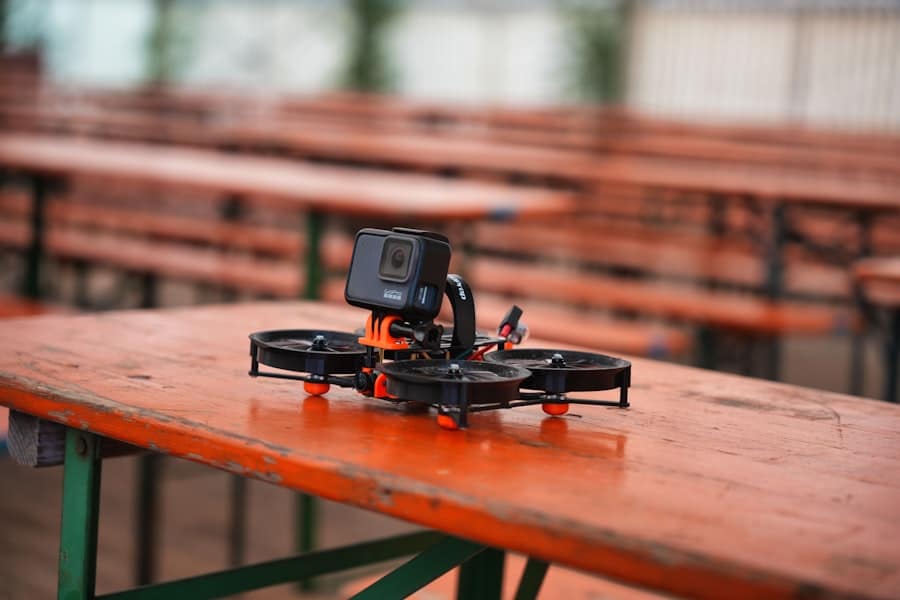
While thermal imaging provides crucial data, drones are also being developed and deployed with the capability to deliver extinguishing agents. This is a more nascent but rapidly developing area, offering the potential for rapid, localized suppression of fires in circumstances where traditional methods are difficult or hazardous to employ.
Types of Extinguishing Agents and Delivery Mechanisms
The type of extinguishing agent and its delivery method are critical considerations for drone-based systems. The effectiveness of the agent is dictated by the nature of the fire, and the delivery mechanism must overcome the challenges of aerial deployment.
Water-Based Extinguishing Agents
Water remains the most common and versatile extinguishing agent. Drones can be equipped with small, onboard water tanks and high-pressure nozzles to deliver targeted streams or mists of water. These systems are most effective for smaller fires or for cooling hot surfaces. The challenge lies in the weight of water, limiting the operational envelope of smaller drones. Imagine a hummingbird carrying a minuscule watering can to nurture a wilting bloom.
Micro-Drones with Water Cannons
Advancements in micro-drone technology have led to the development of small drones capable of carrying and deploying small quantities of water. These are particularly useful for precisely targeting small, incipient fires in hard-to-reach locations, such as electrical substations or aircraft engines. Their precision is akin to a surgeon’s scalpel rather than the broad sweep of a fire hose.
Larger Drones for Targeted Water Drops
Larger, more robust drones can carry a more substantial payload of water, allowing for more significant fire suppression efforts. These systems are being developed for applications where a precise, controlled water drop is needed, perhaps to protect specific assets or to create a firebreak. They offer a more focused approach than the broad coverage of aerial tankers.
Chemical Extinguishing Agents
For specific types of fires, such as those involving flammable liquids or electrical equipment, chemical extinguishing agents are more appropriate. Drones can be fitted with dispensers for dry chemical powders or specialized foams.
Dry Chemical Extinguishers on Drones
Dry chemical powders work by interrupting the chemical chain reaction of a fire. Drones equipped with these dispensers can rapidly deliver a cloud of powder to smother the flames, particularly effective for Class B (flammable liquids) and Class C (electrical) fires. This is like a fine mist of talcum powder to choke the flames.
Foam Delivery Systems
Foam agents are designed to blanket a fire, cutting off its oxygen supply and cooling the fuel. Drones can be configured to deploy foam concentrate or pre-mixed foam, useful for suppressing fires involving flammable liquids or for creating protective barriers. The foam acts as a blanket of insulation, smothering the fire.
CO2 and Other Specialty Agents
Carbon dioxide (CO2) is another effective agent for certain fire types, as it displaces oxygen. Drones may be equipped with small CO2 cylinders for targeted application, particularly in enclosed spaces where it would be dangerous for humans to enter. Specialty agents, such as those used for metal fires, are also being explored for drone deployment.
Operational Considerations for Drone Extinguishing
Deploying drones for extinguishing fires presents unique challenges and requires careful planning.
Payload Limitations and Flight Duration
The weight of extinguishing agents significantly impacts a drone’s payload capacity and flight duration. Firefighting drones must balance the amount of agent they can carry with their ability to remain airborne for a sufficient period to complete their mission. This often necessitates rapid deployment and return-to-base cycles. It’s a constant dance between carrying enough ammunition and having enough fuel to get to the target.
Accuracy and Precision of Delivery
Achieving accurate and precise delivery of extinguishing agents is paramount. Drones utilize GPS, inertial navigation systems, and advanced flight control algorithms to ensure they reach the intended target. However, wind conditions and other environmental factors can affect accuracy, requiring skilled operators and sophisticated stabilization systems. The precision required is akin to dropping a single tear onto a specific point.
Safety Protocols and Risk Mitigation
Operating drones in active fire environments introduces safety risks. Protocols must be in place to maintain safe distances from flames, avoid structural collapses, and prevent potential collisions with manned aircraft or other obstacles. Operator training and adherence to strict safety guidelines are essential. The drone is a tool, and like any tool, it must be wielded with care and respect for the environment it operates within.
Drone Operations and Integration into Firefighting Command
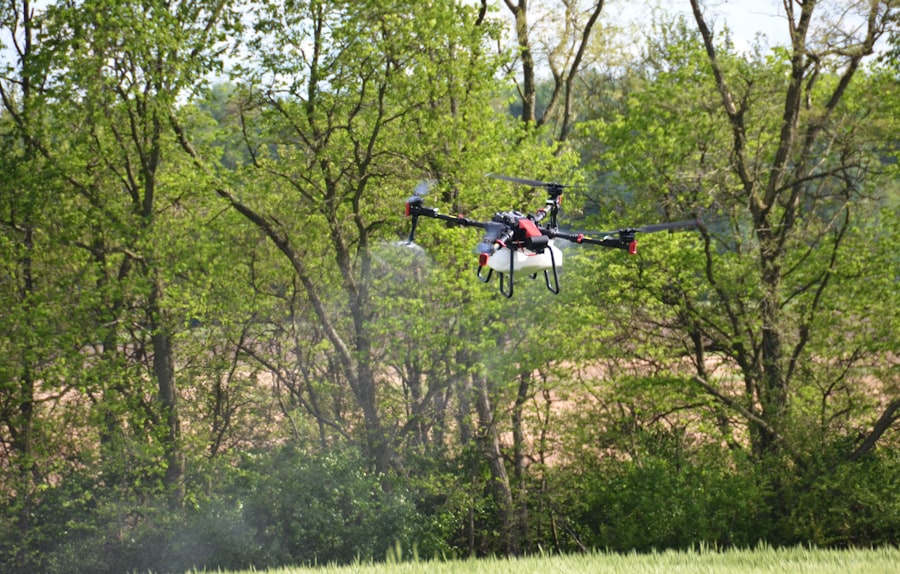
The effective deployment of drones in firefighting requires careful integration into existing command structures and operational protocols. Simply having the technology is insufficient; it must be seamlessly incorporated to maximize its benefits.
Establishing Drone Units and Dedicated Operators
The establishment of dedicated drone units within fire departments is a crucial step. These units require specialized training for pilots, spotters, and data analysts. Understanding the capabilities and limitations of different drone platforms, as well as the regulations governing their operation, is essential for safe and effective deployment. The drone pilot is not just someone flying a radio-controlled toy; they are an extension of the incident commander’s senses.
Training and Certification of Drone Pilots
Drone pilots need comprehensive training that goes beyond basic flight skills. This includes understanding aerial reconnaissance, thermal imaging interpretation, basic fire behavior, and emergency response protocols. Many jurisdictions require specific certifications for commercial drone operation, which also apply to public safety use. This training ensures they can operate safely and effectively in dynamic, high-pressure environments.
Developing Standard Operating Procedures (SOPs) for Drone Deployment
Clear and well-defined Standard Operating Procedures (SOPs) are vital for consistent and reliable drone deployment. These SOPs should outline when and how drones will be deployed, the types of missions they will undertake, communication protocols with incident command, and emergency procedures. Without SOPs, drone deployment can become ad-hoc and less effective. Think of SOPs as the choreography for a complex dance, ensuring every move is precise and coordinated.
Communication and Data Management
The real-time data generated by drones is only valuable if it can be effectively communicated and managed.
Real-Time Data Transmission to Incident Command
Drones can transmit live video feeds and other sensor data directly to incident command posts. This allows commanders to have an unprecedented level of situational awareness, making more informed decisions in real-time. The drone acts as a pair of eyes in the sky, relaying vital intelligence.
Video Streaming and Telemetry
Modern drones are equipped with sophisticated communication systems capable of streaming high-definition video and transmitting telemetry data (flight information such as altitude, speed, and battery status) back to the ground station. This stream of information is the lifeline between the drone and the decision-makers on the ground.
Data Overlay and Augmented Reality
Future developments may include overlaying real-time data, such as building schematics or geographical information, onto the drone’s video feed, creating an augmented reality view for commanders. This would provide an even richer and more contextually relevant understanding of the incident scene.
Data Storage and Post-Incident Analysis
The data collected by drones, including video footage and sensor readings, can be stored for post-incident analysis. This information is invaluable for debriefing, identifying areas for improvement, and for use in training exercises. It provides a digital forensic record of the event.
Collaboration with Manned Aircraft and Ground Crews
Drones operate most effectively when integrated into a coordinated response with manned aircraft and ground crews.
Establishing “Deconfliction Zones” in Airspace
Airspace management is critical. Firefighting operations often involve helicopters and fixed-wing aircraft. Drones must operate within designated “deconfliction zones” or under specific air traffic control instructions to prevent mid-air collisions. This requires precise coordination and communication.
Complementary Roles in Reconnaissance and Suppression
Drones can perform reconnaissance tasks that might be too dangerous or time-consuming for manned aircraft, such as detailed inspections of specific areas. They can also provide targeted suppression capabilities that complement the broader coverage of larger water-dropping aircraft. Each has its niche, and together they form a more comprehensive toolkit.
Drones are revolutionizing firefighting efforts, particularly through the use of thermal imaging and extinguishing technologies. These advancements allow firefighters to quickly assess fire hotspots and deploy targeted extinguishing measures, significantly improving response times and safety. For those interested in exploring more about the tools that can enhance communication in emergency situations, you might find this article on translation software quite insightful. Understanding how to effectively communicate during a crisis can be just as crucial as the technology used to combat the flames.
Challenges and Future Directions
| Metric | Description | Typical Value / Range | Unit |
|---|---|---|---|
| Thermal Camera Resolution | Resolution of the thermal imaging sensor used in drones | 320 x 240 to 640 x 480 | Pixels |
| Thermal Sensitivity | Minimum temperature difference the sensor can detect | 0.05 to 0.1 | °C |
| Flight Time | Maximum operational time per battery charge | 20 to 45 | Minutes |
| Extinguishing Agent Capacity | Amount of fire suppressant the drone can carry | 1 to 5 | Liters |
| Effective Extinguishing Range | Distance from which the drone can effectively apply suppressant | 3 to 10 | Meters |
| Maximum Operating Altitude | Maximum height at which the drone can operate effectively | 120 to 500 | Meters |
| Thermal Imaging Frame Rate | Number of thermal images captured per second | 9 to 30 | Frames per second (fps) |
| Payload Capacity | Maximum weight the drone can carry including extinguishing agents | 2 to 10 | Kilograms |
| Communication Range | Maximum distance for remote control and data transmission | 1 to 5 | Kilometers |
| Response Time | Time taken from deployment to arrival at fire site | 5 to 15 | Minutes |
Despite the significant potential of drones in firefighting, several challenges remain, and the field is continually evolving. Addressing these challenges and embracing future advancements will be key to unlocking the full potential of this technology.
Regulatory Hurdles and Airspace Restrictions
One of the primary hurdles has been navigating the complex regulatory landscape surrounding drone operation. Airspace regulations, privacy concerns, and limitations on operating beyond visual line of sight (BVLOS) can restrict deployment. As the technology matures and safety records improve, regulations are gradually adapting, but there is still work to be done. Imagine trying to drive a new type of car through a city with old traffic laws; the technology is ready, but the rules haven’t quite caught up.
Privacy Concerns and Data Security
The use of drones, especially those equipped with high-resolution cameras, raises privacy concerns. Fire departments must establish clear policies regarding data collection, storage, and access to ensure public trust and compliance with privacy laws. Secure data management practices are also crucial to prevent unauthorized access to sensitive information.
Limitations of Current Drone Technology
While rapidly advancing, current drone technology has limitations. Battery life, payload capacity, and susceptibility to adverse weather conditions (high winds, heavy rain, extreme temperatures) remain significant factors. Continued research and development in battery technology, aerodynamics, and materials science are essential to overcome these limitations.
Advancements in Drone Autonomy and AI
The integration of artificial intelligence (AI) and increased drone autonomy holds immense promise for the future of drone firefighting.
Autonomous Navigation and Obstacle Avoidance
Future drones will likely feature enhanced autonomous navigation capabilities, allowing them to fly complex missions with minimal human intervention. Advanced AI algorithms for obstacle avoidance will enable drones to safely operate in cluttered and unpredictable environments, adapting to changing conditions autonomously. This moves beyond a remote-controlled car to an intelligent agent capable of making on-the-fly decisions.
AI-Powered Fire Detection and Analysis
AI can be used to analyze the data collected by drone sensors, identifying fire signatures, estimating fire intensity, and even predicting fire spread with greater accuracy. This can help incident commanders make more informed decisions even faster. The drone will not just be a camera, but a smart sensor feeding intelligent insights.
Integration with Other Emerging Technologies
The true power of drones in firefighting will be realized through their integration with other emerging technologies.
Internet of Things (IoT) and Sensor Networks
Connecting drones with IoT sensor networks deployed in critical infrastructure or within communities can provide a more comprehensive picture of fire events. Drones can act as mobile data collectors, relaying information from fixed sensors and providing a dynamic view of the incident.
Advanced Predictive Modeling and Simulation
Data collected by drones can feed into advanced predictive modeling and simulation software, allowing fire departments to better anticipate fire behavior and plan more effective response strategies. This allows for proactive rather than purely reactive measures.
Conclusion
Drones have transitioned from novelties to indispensable tools in the modern firefighting arsenal. Their ability to provide real-time thermal imaging, enabling firefighters to “see” through smoke and darkness, as well as their evolving capabilities for delivering extinguishing agents, offers a significant enhancement to fire suppression and safety. While challenges related to regulation, technology limitations, and integration remain, the trajectory of advancement is clear. The continued development of autonomy, AI, and collaborative capabilities with other technologies promises to further solidify the drone’s role as a critical asset in protecting lives and property from the destructive force of fire. The integration of drones represents a paradigm shift, equipping firefighters with capabilities that were once the realm of science fiction, allowing them to fight fires smarter, faster, and safer.
FAQs
What role do drones play in firefighting operations?
Drones assist firefighting by providing aerial surveillance, real-time data, and access to hard-to-reach areas. They help in assessing fire spread, locating hotspots, and guiding ground crews for more effective response.
How does thermal imaging technology benefit firefighting drones?
Thermal imaging allows drones to detect heat signatures through smoke and darkness, identifying fire hotspots and victims. This capability enhances situational awareness and helps prioritize firefighting efforts.
Can drones actively extinguish fires, or are they only used for observation?
Some firefighting drones are equipped with small extinguishing systems, such as water or fire retardant dispensers, enabling them to suppress small fires or hotspots. However, most drones primarily serve observation and assessment roles.
What are the advantages of using drones over traditional firefighting methods?
Drones provide faster deployment, safer access to dangerous or inaccessible areas, and detailed aerial views without risking firefighter safety. They also improve efficiency by delivering precise information for targeted firefighting.
Are there any limitations or challenges associated with firefighting drones?
Limitations include limited flight time due to battery life, payload capacity constraints for carrying extinguishing agents, and regulatory restrictions on drone operations near emergency scenes. Weather conditions like heavy smoke or strong winds can also affect drone performance.