

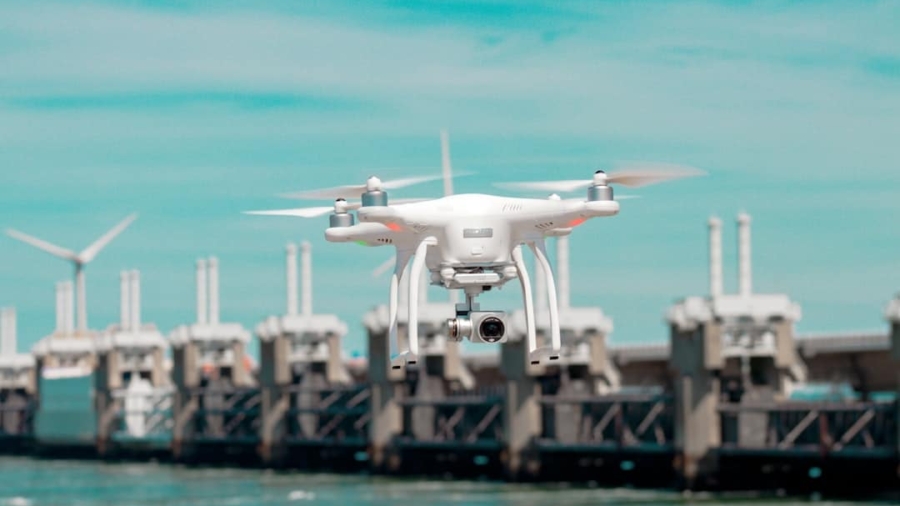
Got a medical emergency that needs a specific item, like blood, an antidote, or a diagnostic kit, stat? You might be wondering how those crucial supplies get to you, especially if you’re in a remote area or traffic is a nightmare. Drone delivery systems for urgent medical supplies are increasingly becoming a practical solution to this very challenge. Simply put, they’re aircraft without a pilot that are remotely controlled or fly autonomously, specifically tasked with transporting time-sensitive medical goods. Think of them as high-speed, on-demand couriers for life-saving items.
Why Drones for Medical Deliveries? Speed and Access
The biggest draw for using drones in medical supply chains is undeniably their speed. When every minute counts, a drone can bypass congested roads, difficult terrain, and even geographical barriers like rivers or mountains. This ability to fly directly from point A to point B, often at speeds exceeding ground vehicles, can drastically reduce delivery times.
Cutting Through Congestion
Traditional ground transportation, while reliable for many things, can be crippled by traffic jams, road closures, or simply the sheer distance involved. This is particularly problematic in urban environments during peak hours or in rural areas where roads may be unpaved or simply scarce. Drones operate in a three-dimensional space, largely unaffected by these ground-level obstacles.
Reaching the Underserved
For communities that are geographically isolated or lack robust transportation infrastructure, drones offer a lifeline. Remote villages, island populations, or areas hit by natural disasters can receive critical medical supplies much faster and more reliably than if they were dependent on traditional delivery methods. This expands access to healthcare by bringing essential medicines and equipment directly to those who need them most, regardless of their location.
The Urgency Factor
The nature of medical emergencies dictates speed. A patient losing blood needs a transfusion quickly. Someone experiencing a severe allergic reaction needs an epinephrine auto-injector immediately. For these situations, the time saved by a drone can be the difference between a positive outcome and a tragic one. Drones are uniquely suited to handle these high-urgency scenarios.
In exploring the innovative applications of drone technology, a related article discusses the top trends shaping various industries in 2023, highlighting the increasing importance of efficient logistics solutions. This article emphasizes how advancements in drone delivery systems, particularly for urgent medical supplies, are becoming a crucial part of modern healthcare infrastructure. For more insights on these trends, you can read the full article here: Top Trends on LinkedIn 2023.
How it Works: The Technology Behind the Flight
Drone delivery for medical supplies isn’t just about strapping a box to a remote-controlled toy. It involves sophisticated technology and established operational procedures to ensure safety, reliability, and compliance.
The Drone Itself: More Than Just Rotors
Modern medical drones are built for carrying payloads and navigating complex environments. They come in various shapes and sizes, from small, multi-rotor designs capable of carrying lighter items over shorter distances, to larger, fixed-wing or hybrid models that can travel further and carry more substantial payloads.
Payload Capacity and Temperature Control
The type of medical supply dictates the drone’s requirements. A small vial of vaccine might need a different type of packaging than a unit of packed red blood cells. Drones designed for medical transport often feature specialized, temperature-controlled compartments to maintain the integrity of sensitive medications, vaccines, or biologics. This is crucial because many medical supplies degrade if they are not kept within specific temperature ranges. The payload capacity also varies widely, with some drones able to carry a few kilograms and others designed for more significant loads.
Navigation and Communication Systems
Precise navigation is paramount. Drones use a combination of GPS, inertial navigation systems (INS), and various sensors (like lidar and cameras) to pinpoint their location and plot their course accurately. Reliable communication systems are also vital, allowing for real-time monitoring and control from ground operators. This includes systems for sending and receiving flight data, telemetry, and emergency commands.
Logistics and Infrastructure: The Ground Game
While the drone handles the air, a considerable amount of planning and infrastructure is needed on the ground to make the entire system work smoothly.
Take-off and Landing Zones
Designated take-off and landing (or “landing”) zones are essential. These can range from hospital rooftops and rural clinic helipads to specially prepared landing pads in more remote areas. The size and condition of these zones are important considerations for safe drone operations, especially in challenging weather conditions.
Automated Loading and Unloading
To maximize efficiency, particularly for frequent deliveries, automated systems for loading and unloading medical supplies are being developed and implemented. This can involve mechanisms that securely attach and detach payloads, minimizing human intervention and potential for error.
Command and Control Centers
Sophisticated command and control centers are the brains of the operation. Here, flight plans are managed, drones are monitored, weather conditions are assessed, and air traffic is coordinated. These centers are staffed by trained operators who oversee the entire delivery process.
What Can Drones Carry? The Medical Payload
The range of medical supplies that can be delivered by drones is constantly expanding as the technology matures and regulations adapt. The key factor is that the item must fit within the drone’s payload capacity and can be stabilized and protected during flight.
Life-Saving Medications and Vaccines
This is perhaps the most immediate and impactful application. Drones are ideal for delivering critical medications that are needed quickly, such as antibiotics for severe infections, specific antidotes for poisonings, or emergency contrast agents for medical imaging. In the realm of public health, the rapid delivery of vaccines to remote or hard-to-reach populations is a significant advantage, especially during outbreaks.
Blood and Plasma Products
For transfusions, the speed of delivery is crucial. Drones equipped with temperature-controlled compartments can transport blood units or plasma products to accident scenes, remote clinics, or even directly to operating theaters if required, significantly reducing the transit time compared to ground transport. Maintaining the cold chain for these biological products is a critical requirement addressed by specialized drone systems.
Diagnostic Kits and Samples
Rapid diagnostic testing is becoming increasingly important in healthcare. Drones can deliver rapid test kits for diseases like malaria or COVID-19 to screening sites or even directly to patients’ homes. Conversely, they can also be used for the timely return of clinical samples (blood, urine, tissue) from remote locations to central laboratories for analysis, speeding up diagnosis and treatment initiation.
Medical Equipment and Devices
While larger equipment is generally not feasible, smaller, critical medical devices can be transported. This could include specialized surgical tools needed for an urgent procedure, portable ultrasound devices for remote assessments, or even defibrillators in emergency response scenarios. The weight and bulk of these items are key limiting factors.
Challenges and Limitations: What’s Holding Them Back?
Despite the promise, drone delivery for medical supplies isn’t a perfect solution for every scenario, and several hurdles need to be cleared for widespread adoption.
Regulatory Hurdles and Airspace Management
One of the biggest challenges is navigating the complex web of aviation regulations. Airspace is a shared resource, and ensuring that drones can operate safely alongside manned aircraft requires robust systems for air traffic management, deconfliction, and certification.
This involves collaboration between drone operators, aviation authorities, and other stakeholders to develop clear guidelines and protocols.
Beyond Visual Line of Sight (BVLOS) Operations
Many of the most impactful drone delivery scenarios require operations beyond the visual line of sight of the operator. Gaining regulatory approval for BVLOS flights, which offers the greatest range and efficiency, is a significant and ongoing process. This requires demonstrating high levels of safety and reliability through extensive testing and validation.
Integration into Existing Healthcare Systems
Integrating drone delivery seamlessly into existing healthcare logistics and workflows requires significant adaptation.
This includes retraining staff, developing new protocols for ordering, receiving, and managing drone-delivered supplies, and ensuring interoperability with existing inventory management systems.
Weather and Environmental Factors
Drones are vehicles, and like any vehicle, they are susceptible to weather conditions. High winds, heavy rain, snow, or fog can ground drones, impacting their reliability. While some advanced drones are designed to handle challenging weather, extreme conditions can still pose significant limitations.
Payload Limitations and Range
As mentioned, the weight and size of medical supplies that can be carried are limited by the drone’s design. For particularly heavy or bulky items, ground transport or traditional aviation might still be the only viable option. Similarly, the range of battery-powered drones can limit the distance they can cover in a single flight.
Security and Privacy Concerns
Ensuring the security of medical supplies during transit is paramount. There are concerns about potential tampering, theft, or unauthorized access to sensitive medications or patient information. Robust encryption, secure payload mechanisms, and chain-of-custody protocols are essential to address these issues. Privacy concerns also arise if drones capture video or other data during their flights.
In the evolving landscape of healthcare logistics, the implementation of drone delivery systems for urgent medical supplies is gaining significant attention. These innovative solutions not only enhance the speed of delivery but also improve access to critical resources in remote areas. For those interested in exploring the technological advancements that support such systems, a related article discusses the best laptops for coding and programming, which are essential tools for developers working on drone technology. You can read more about it here.
The Future of Medical Drone Delivery: What’s Next?
The field of medical drone delivery is rapidly evolving, with significant advancements on the horizon.
Increased Automation and AI
Artificial intelligence (AI) is poised to play a much larger role in optimizing drone delivery operations. AI can be used for route planning, predicting weather-related disruptions, managing fleet logistics, and even assisting in automated loading and unloading processes. This will lead to more efficient and intelligent delivery networks.
Swarm Delivery and Network Optimization
The concept of “swarm delivery,” where multiple drones coordinate to deliver a larger consignment or cover a wider area, is being explored. This, coupled with sophisticated network optimization algorithms, could create highly efficient and resilient delivery systems capable of responding to widespread medical needs.
Expansion of Services and Geographical Reach
As the technology matures and regulations become more supportive, we can expect to see drone delivery expand beyond initial pilot programs to become a more common and integrated part of healthcare logistics. This will include reaching more remote populations, supporting routine medical supply needs, and even facilitating emergency medical personnel reaching patients in critical situations.
On-Demand Medical Support
The ultimate vision for some is a truly on-demand medical support system, where specialized medical equipment or medications can be dispatched via drone within minutes of a request. This could revolutionize emergency response and extend the reach of advanced medical care to previously inaccessible locations.
Integration with Healthcare Infrastructure
The future also involves deeper integration of drone delivery systems with existing hospital and clinic infrastructure. This could mean automated drone ports integrated into new building designs or seamless data exchange between drone logistics platforms and electronic health records and inventory management systems. The goal is to make drone delivery as frictionless as possible for healthcare providers and patients alike.
In conclusion, drone delivery systems for urgent medical supplies are not science fiction; they are a rapidly developing reality offering tangible benefits. By overcoming logistical hurdles and embracing technological advancements, these airborne couriers are set to play an increasingly vital role in ensuring that essential medical resources reach those who need them, precisely when they need them, regardless of geographical limitations or ground-level challenges.
FAQs
What are drone delivery systems for urgent medical supplies?
Drone delivery systems for urgent medical supplies are unmanned aerial vehicles that are used to transport medical supplies such as blood, vaccines, and medications to remote or hard-to-reach areas.
How do drone delivery systems for urgent medical supplies work?
Drone delivery systems for urgent medical supplies work by using GPS technology to navigate to a specified location. The medical supplies are loaded onto the drone, and it is then remotely piloted to the destination where the supplies are needed.
What are the benefits of using drone delivery systems for urgent medical supplies?
The benefits of using drone delivery systems for urgent medical supplies include faster delivery times, especially in remote or disaster-stricken areas, reduced transportation costs, and the ability to reach areas that are inaccessible by traditional means of transportation.
What are the challenges of implementing drone delivery systems for urgent medical supplies?
Challenges of implementing drone delivery systems for urgent medical supplies include regulatory hurdles, limited payload capacity, weather conditions, and public acceptance of drone technology.
Are drone delivery systems for urgent medical supplies being used in real-world scenarios?
Yes, drone delivery systems for urgent medical supplies are being used in real-world scenarios in countries such as Rwanda and Ghana, where they have been successfully used to deliver blood and vaccines to remote areas. Additionally, during the COVID-19 pandemic, drone delivery systems were used to transport medical supplies in various countries.
Enjoying our content? Make us a preferred source on Google:
Add us as a Preferred Source on Google