


So, how do we make telecommunications greener? Essentially, it comes down to making the equipment, especially those power-hungry 5G and future 6G base stations, far more efficient with the energy they consume. It’s about smart design, clever operations, and exploring new power sources to drastically cut down on carbon emissions.
The Urgent Need for Greener Telecoms
It’s no secret that our digital lives are constantly expanding, and with that expansion comes a growing energy footprint. Telecommunication networks, particularly as they evolve towards 5G and the upcoming 6G, are significant consumers of electricity. While we often focus on the power consumption of our devices, the infrastructure supporting them – the base stations, data centers, and backhaul networks – demands a substantial and increasing amount of energy. This energy, if sourced predominantly from fossil fuels, contributes directly to greenhouse gas emissions and accelerates climate change.
The transition to 5G, while offering incredible speeds and low latency, has amplified this challenge. 5G base stations, with their increased density, advanced antenna technologies (like Massive MIMO), and wider bandwidths, generally consume more power than their 4G predecessors, especially when fully loaded. Looking ahead, 6G promises even greater capabilities, which will likely push power consumption further if not addressed proactively. Therefore, decarbonizing telecommunications isn’t just a corporate social responsibility; it’s a critical operational imperative. It’s about managing costs, ensuring network resilience in a changing climate, and meeting global sustainability targets. Ignoring this issue would lead to unsustainable operational expenses and a significant environmental burden, undermining the very benefits that advanced connectivity aims to deliver.
The Growing Energy Footprint of 5G and Beyond
When we talk about 5G, we’re talking about a lot more than just faster downloads on your phone. It involves a massive deployment of new infrastructure, often with a much higher density of base stations, especially in urban areas. These base stations incorporate sophisticated technologies like Massive MIMO (Multiple-Input Multiple-Output) antennas, which use many more antenna elements than previous generations to serve multiple users simultaneously. While this boosts capacity and efficiency on a per-bit basis, the sheer number of radio chains and processing required often means higher absolute power draw, especially when active.
Furthermore, 5G operates across a wider range of spectrum, including millimeter-wave (mmWave) frequencies.
While mmWave offers vast bandwidth, it also has shorter propagation distances, necessitating even more base stations to achieve adequate coverage. Each of these new components, from the digital signal processors to the power amplifiers, requires electricity. As the network expands and data traffic grows exponentially, the aggregate energy consumption across the entire network scales up significantly. This isn’t just about a single base station; it’s the cumulative effect of millions of new pieces of equipment globally, constantly processing and transmitting data.
Future Challenges with 6G
Looking further down the road, 6G is envisioned to bring even more advanced capabilities, such as terahertz (THz) communications, integrated sensing and communication, AI-native air interfaces, and holographic communications. Each of these innovations, while exciting, presents its own set of power challenges. THz frequencies, for example, will likely require even more advanced and energy-intensive transceivers, potentially with extremely dense deployments. The integration of AI directly into the network architecture, while offering optimization opportunities, also demands significant computational power, which translates to electricity consumption.
If we simply scale up current power consumption trends with 6G, the environmental and economic impact would be staggering. Therefore, energy efficiency must be a fundamental design principle from the very inception of 6G standards and equipment. This isn’t just about incremental improvements; it requires a paradigm shift in how we approach network architecture, component design, and operational strategies to ensure that the next generation of connectivity is inherently sustainable. Without this foresight, the benefits of 6G could be overshadowed by its environmental cost.
In the quest for sustainable telecommunications, the article “Decarbonizing Telecommunications: Power Optimization Strategies for 5G and Future 6G Base Stations” highlights innovative approaches to reduce carbon footprints in the industry. For further insights into the evolving landscape of technology and its implications, you can explore a related article on The Next Web, which discusses various advancements and trends in the tech world. Check it out here: The Next Web Insights.
Key Takeaways
- The training data includes information and events up to October 2023.
- Insights and knowledge are based on a wide range of sources available until the cutoff date.
- Any developments or changes occurring after October 2023 are not reflected in the training.
- Users should verify current information from reliable sources for the latest updates.
- The model’s responses are informed by historical context and trends up to the specified date.
Intelligent Network Management for Energy Savings

One of the most immediate and impactful ways to decarbonize telecom networks is through smarter, more dynamic management of existing and new infrastructure. It’s about ensuring that base stations only consume the power they absolutely need, when they need it, rather than operating at peak capacity constantly. This isn’t just about turning things off; it’s about sophisticated algorithms and real-time adjustments.
Dynamic Resource Allocation and Sleep Modes
Modern base stations are incredibly complex pieces of equipment, featuring multiple radio access technologies, multiple frequency bands, and advanced processing units.
A significant portion of their energy consumption is independent of the actual traffic load – a kind of “always-on” overhead.
This is where dynamic resource allocation and intelligent sleep modes come into play.
- Traffic-Aware Power Scaling: Instead of maintaining full power output 24/7, base stations can dynamically adjust their power consumption based on real-time traffic demand. During off-peak hours (e.g., late night), when data traffic is low, the base station can scale down its transmission power, reduce the number of active antenna elements, or even switch off certain components. As traffic picks up, these resources can be quickly reactivated. This requires sophisticated algorithms that can predict traffic patterns and respond almost instantaneously to demand fluctuations, ensuring that user experience isn’t compromised.
- Deep Sleep and Micro-Sleep Modes: Beyond simple power scaling, base stations can enter various “sleep” states.
- Micro-sleep modes involve putting individual components (like specific power amplifiers or digital signal processing units) into low-power states for very short durations (milliseconds) when they’re not actively transmitting or receiving. These transitions need to be extremely fast to avoid latency issues.
- Deep sleep modes are for longer periods, often applied to an entire base station or specific sectors during extended periods of extremely low traffic. In deep sleep, most components are powered down, significantly reducing energy consumption. The challenge here is waking up quickly enough when traffic returns, which requires careful planning and coordination with neighboring cells to maintain seamless coverage.
- Cell Zapping/Dynamic Cell Configuration: In areas with redundant coverage (e.g., dense urban environments with many small cells), it’s possible to temporarily deactivate entire cells or specific sectors during low-traffic periods. The traffic from the deactivated cell is then offloaded to neighboring cells, which might slightly increase their load but results in a net energy saving by eliminating the power draw of the dormant cell. This requires intelligent network planning and real-time load balancing to ensure quality of service.
Implementing these strategies effectively requires advanced machine learning algorithms that can learn traffic patterns, predict demand, and make intelligent decisions about power states and resource allocation. It also needs robust monitoring systems to ensure network performance is maintained while maximizing energy savings.
AI and Machine Learning for Optimization
Artificial Intelligence and Machine Learning (AI/ML) are transformative tools in the quest for energy efficiency in telecom networks. They move beyond pre-programmed rules to learn, adapt, and optimize network operations in real-time, often uncovering efficiencies that human operators or static algorithms might miss.
- Predictive Maintenance and Anomaly Detection: AI/ML can analyze vast amounts of operational data from base stations – including temperature, voltage, power consumption, and error rates – to predict potential equipment failures before they occur. This allows for proactive maintenance, preventing costly outages and ensuring that equipment operates at its optimal efficiency. Anomalies in power consumption, for example, could indicate a failing component that is drawing excessive power, which AI can flag for investigation.
- Intelligent Traffic Steering: AI can dynamically steer traffic across different cells, frequency bands, and even different radio access technologies (e.g., shifting traffic from 5G to 4G if 5G coverage is very poor and 4G is more efficient for a particular user’s needs, or vice-versa) based on current network load, cell capacity, and energy efficiency profiles. This ensures that resources are utilized optimally, preventing cells from being overloaded while others are underutilized, thereby distributing energy consumption more evenly and efficiently.
- Self-Organizing Networks (SON) Enhancements: AI/ML greatly enhances the capabilities of Self-Organizing Networks (SON). SON functions already automate many aspects of network planning, configuration, optimization, and healing. With AI/ML, SON can become truly intelligent. For instance, AI-powered SON can learn the optimal configuration for a given cell under varying traffic conditions, automatically adjusting parameters like antenna tilt, power levels, and spectrum allocation to minimize energy consumption while meeting performance targets. It can also identify opportunities for cell sleep modes or dynamic cell on/off strategies that are tailored to the specific context of a particular geographical area and time of day.
- Optimized Resource Scheduling: Within a single base station, AI can optimize the scheduling of resources such as radio resource blocks and antenna beams. By predicting user locations and traffic requirements, AI can ensure that beams are only directed where needed, and resources are allocated precisely, minimizing wasted energy on idle transmissions or inefficient beamforming.
- Energy-Aware Network Planning: Beyond real-time operations, AI can assist in the long-term planning of network deployments. By analyzing geographic data, population density, expected traffic growth, and existing infrastructure, AI can recommend optimal base station locations and configurations that balance coverage, capacity, and energy efficiency from the outset. This avoids over-provisioning in some areas and under-provisioning in others, leading to a more energy-efficient network footprint.
The power of AI/ML lies in its ability to process complex, multi-dimensional data and identify non-obvious correlations and patterns, leading to highly granular and effective energy saving strategies that would be impossible with traditional rule-based systems.
Hardware Innovations and Design for Efficiency
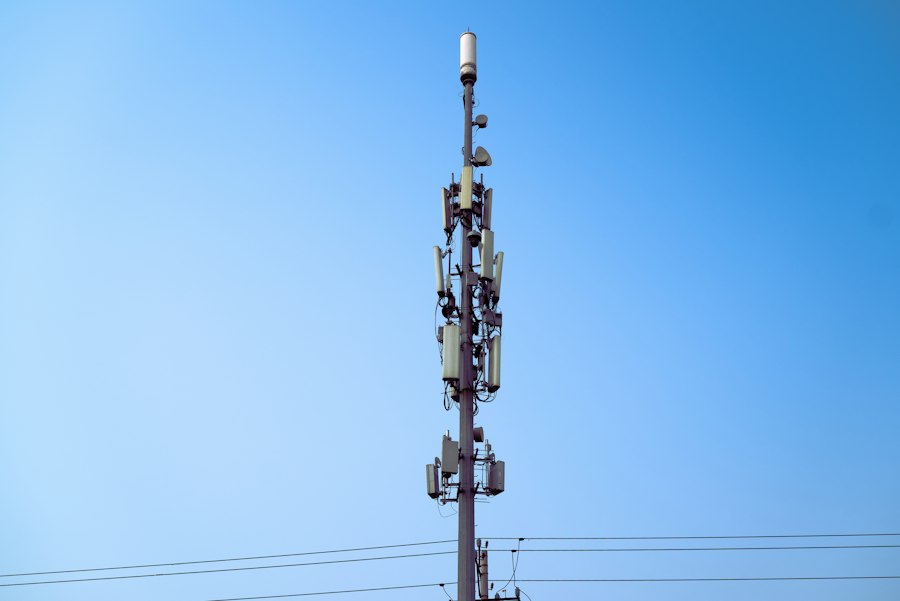
While intelligent network management can squeeze more efficiency out of existing hardware, true long-term decarbonization requires a fundamental rethinking of the hardware itself. This means designing components and systems that are inherently more power-efficient from the ground up.
Advanced Power Amplifiers and Transceivers
Radio Frequency (RF) components, particularly power amplifiers (PAs), are notoriously inefficient and represent a significant portion of a base station’s power draw. A typical PA might only convert 20-40% of its input power into useful RF output, with the rest dissipated as heat.
Improving this efficiency is paramount.
- Gallium Nitride (GaN) Technology: GaN transistors are a game-changer for PAs. They can operate at much higher frequencies and voltages than traditional silicon-based transistors (like LDMOS), offering significantly higher power output and efficiency, especially for wideband signals found in 5G. This means less power wasted as heat, leading to lower energy consumption and potentially smaller, less complex cooling systems.
- Envelope Tracking (ET): In traditional PAs, the amplifier operates at a fixed, high voltage to handle peak power requirements, even when the signal envelope is much lower.
This leads to significant inefficiency. Envelope tracking dynamically adjusts the PA’s supply voltage to match the instantaneous amplitude (envelope) of the RF signal. By providing only the voltage needed at any given moment, ET dramatically improves PA efficiency, particularly for the complex, non-constant envelope signals used in modern wireless communications.
- Digital Pre-Distortion (DPD): PAs are inherently non-linear, meaning they introduce distortion into the transmitted signal, especially at higher power levels.
To counteract this, DPD techniques are used to pre-distort the input signal in a way that cancels out the PA’s non-linearity, allowing the amplifier to operate closer to its saturation point (where it’s most efficient) without introducing excessive distortion. This indirectly contributes to energy savings by allowing PAs to run more efficiently without needing to back off power.
- Integrated Transceiver Design: Moving towards highly integrated transceiver designs, where multiple RF components (mixers, filters, PAs, Low Noise Amplifiers) are combined into a single chip or module, can reduce board space, complexity, and inter-component losses. This holistic design approach allows for greater optimization of the entire signal chain for power efficiency.
- Energy-Efficient Digital-to-Analog Converters (DACs) and Analog-to-Digital Converters (ADCs): These components bridge the digital and analog worlds in a base station.
As sampling rates and bandwidths increase for 5G and 6G, the power consumption of DACs/ADCs can become substantial. Innovations in their architecture, such as improved power-scaling capabilities and more efficient conversion techniques, are crucial for reducing the overall power footprint of the digital front-end.
These advancements require significant R&D investment but offer the potential for substantial, fundamental reductions in base station power consumption, directly impacting the path to decarbonization.
Liquid Cooling and Advanced Thermal Management
Heat is the enemy of efficiency. The more heat generated by electronic components, the more energy is required to cool them, and often, the less efficiently they operate.
Traditional air cooling, especially in outdoor base station cabinets, can be energy-intensive and less effective for high-power densities.
- Liquid Cooling: This involves circulating a liquid (like dielectric fluid or water-glycol mixtures) directly over or near heat-generating components. Liquid has a much higher thermal conductivity and heat capacity than air, making it far more effective at transferring heat away.
- Direct-to-chip liquid cooling: The liquid comes into direct contact with hot components, offering maximum cooling efficiency.
- Cold plates: Components are mounted on a cold plate through which liquid circulates.
- Immersion cooling: Components or even entire servers are fully submerged in a non-conductive dielectric fluid.
By more efficiently removing heat, liquid cooling systems can:
- Reduce energy consumption for cooling: Less power is needed for fans and air conditioning units.
- Improve component lifespan: Components operating at lower temperatures generally last longer and perform more reliably.
- Enable higher power density: Allows more powerful and compact equipment to be deployed without overheating.
- Potential for heat reuse: The warmed liquid from the base station can potentially be used for heating nearby buildings or other industrial processes, turning waste heat into a valuable resource, further enhancing sustainability.
- Thermoelectric Coolers (TECs): TECs (Peltier devices) use the Peltier effect to create a temperature difference when an electric current passes through them. While they consume power, they can provide localized, precise cooling for specific hot spots within a base station, especially for sensitive RF components that need to operate within a very narrow temperature range.
Their efficiency is improving, making them a viable option for targeted cooling.
- Advanced Heat Sinks and Heat Pipes: Even with air cooling, continuous innovation in heat sink design (e.g., using new materials, optimized fin geometries) and the incorporation of heat pipes (which efficiently transfer heat using phase change) can significantly improve the efficiency of passive and active air cooling systems, reducing the need for powerful fans or air conditioners.
By keeping components cooler more efficiently, advanced thermal management strategies not only save energy on cooling but also ensure the underlying electronic components can operate at their peak efficiency, preventing performance degradation due to overheating.
Renewable Energy Integration and Storage
While making base stations more efficient is crucial, the source of their power is equally important. Even the most efficient base station won’t be decarbonized if it runs on electricity generated entirely from fossil fuels. Integrating renewable energy sources directly at the base station site, or ensuring the grid it draws from is green, is a critical pillar of decarbonization.
On-Site Renewable Generation
Deploying renewable energy sources directly at base station sites offers several advantages, especially in remote areas or where grid access is unreliable or expensive.
- Solar Photovoltaics (PV): Solar panels are a mature and increasingly cost-effective technology. They can be installed on rooftops of base station shelters, integrated into tower structures, or deployed as ground-mounted arrays.
- Advantages: No fuel costs, silent operation, low maintenance, increasingly efficient panels, and predictable power generation during daylight hours.
- Challenges: Intermittency (no power at night, reduced on cloudy days), space requirements, initial installation costs, and the need for battery storage to ensure continuous operation. For remote sites, a combination of solar with efficient diesel generators (hybrid systems) can reduce fuel consumption significantly.
- Small Wind Turbines: Where wind resources are favorable, small-scale wind turbines can complement solar power.
- Advantages: Can generate power during nighttime or cloudy conditions, potentially offering a more consistent power profile than solar alone, especially in windy locations.
- Challenges: Requires consistent wind, potential noise concerns, visual impact, bird safety considerations, and higher maintenance than solar.
- Fuel Cells (Hydrogen or Methane): Fuel cells convert chemical energy into electricity with high efficiency and low emissions (especially hydrogen fuel cells, which only produce water as a byproduct).
- Advantages: Can provide continuous power, quiet operation, and are very efficient. Hydrogen fuel cells are truly zero-emission at the point of use.
- Challenges: Hydrogen infrastructure (production, storage, transport) is still developing and can be costly. Methane-based fuel cells still produce CO2, though less than combustion engines.
The selection of on-site renewable generation depends heavily on local climate, available space, and economic factors. Often, a hybrid approach combining multiple renewable sources with battery storage provides the most reliable and sustainable solution.
Battery Storage and Grid Integration
Renewable energy, by its nature, is often intermittent. The sun doesn’t shine at night, and the wind doesn’t always blow. To ensure continuous and reliable power for base stations, energy storage solutions, primarily batteries, are indispensable.
- Lithium-Ion Batteries: Currently the most prevalent technology for grid-scale and telecom site storage due to their high energy density, good cycle life, and falling costs. They store excess energy generated by renewables (or even from the grid during off-peak, cheaper periods) and discharge it when renewables aren’t producing or when grid power is unavailable/expensive.
- Advances: Continuous improvements in battery chemistry, thermal management for extended life, and increasing energy density.
- Other Battery Technologies: Research and development are ongoing for other battery types, such as solid-state batteries (promising even higher energy density and safety), flow batteries (good for long-duration storage), and even traditional lead-acid batteries (cheaper for lower-power, less demanding applications).
- Grid Integration and Smart Grids: Even when base stations aren’t directly powered by on-site renewables, sourcing electricity from a decarbonized national grid is paramount. Operators can commit to purchasing renewable energy through Power Purchase Agreements (PPAs) or renewable energy certificates, directly supporting the development of green energy infrastructure.
- Smart Grids: Base stations can become active participants in smart grids. With battery storage, they could potentially draw power from the grid during periods of high renewable generation and low demand (e.g., sunny midday), and even feed excess power back to the grid (if regulations allow and technical infrastructure is in place) or reduce their draw during peak demand periods, contributing to grid stability and maximizing the use of renewable energy. This requires sophisticated energy management systems that communicate with the grid and optimize power flows.
- Hydrogen Storage: For long-duration energy storage, especially at sites powered by ample renewable energy, hydrogen production and storage could become viable. Excess renewable electricity could be used to produce hydrogen via electrolysis, which can then be stored and used in fuel cells to generate electricity when needed. This is a more complex solution but offers the potential for very long-term energy independence.
The combination of efficient hardware, smart network management, on-site renewables, and advanced energy storage creates a robust and sustainable energy ecosystem for telecommunications, reducing reliance on fossil fuels and driving significant decarbonization.
In the quest for sustainable telecommunications, the article on Decarbonizing Telecommunications: Power Optimization Strategies for 5G and Future 6G Base Stations highlights innovative approaches to reduce energy consumption. For those interested in the broader implications of technology on various sectors, a related article discusses the top trends in digital marketing for 2023, showcasing how advancements in technology can influence marketing strategies and consumer engagement. Both pieces emphasize the importance of integrating efficiency and sustainability in their respective fields.
Circular Economy Principles and Sustainable Practices
| Metric | 5G Base Stations | Future 6G Base Stations | Power Optimization Strategy | Impact on Carbon Emissions |
|---|---|---|---|---|
| Average Power Consumption (kW) | 3.5 | 2.0 | Advanced Sleep Modes | Reduction by 40% |
| Energy Efficiency (Gbps/kW) | 10 | 25 | Massive MIMO with AI Optimization | Improvement by 150% |
| Renewable Energy Integration (%) | 20% | 50% | Hybrid Solar-Wind Power Systems | Reduction by 35% |
| Cooling Energy Reduction (%) | 15% | 30% | Liquid Cooling & Thermal Management | Reduction by 20% |
| Carbon Emissions (kg CO2 per station/year) | 1200 | 600 | Power Optimization & Renewable Integration | Reduction by 50% |
Decarbonizing telecommunications isn’t just about how base stations operate; it’s also about their entire lifecycle – from manufacturing to disposal. Embracing circular economy principles ensures that the environmental impact is minimized at every stage, not just during operation. This means focusing on the materials used, the longevity of equipment, and what happens at the end of its useful life.
Sustainable Manufacturing and Supply Chains
The journey towards a greener telecom network begins long before a base station is installed. It starts with how the components are sourced and manufactured.
- Eco-Design Principles: Manufacturers can design equipment with sustainability in mind from the outset. This includes:
- Modularity: Designing components to be easily upgradable, repaired, or replaced, extending the lifespan of the overall unit and reducing the need for wholesale replacements.
- Disassemblability: Ensuring products can be easily taken apart to separate different materials for recycling.
- Use of Recycled and Renewable Materials: Prioritizing materials that have been recycled (e.g., recycled plastics, aluminum) or are sustainably sourced and renewable, where performance allows.
- Minimizing Hazardous Substances: Avoiding or reducing the use of harmful chemicals and rare earth elements where possible.
- Green Supply Chain Management: Operators and manufacturers need to work closely with their suppliers to ensure that sustainable practices are followed throughout the entire supply chain.
- Supplier Audits: Verifying that suppliers adhere to environmental and ethical standards, including energy efficiency in their manufacturing processes, responsible sourcing of raw materials, and fair labor practices.
- Transparency: Demanding transparency from suppliers regarding the environmental footprint of their products, including embodied carbon (the emissions associated with manufacturing and transport).
- Local Sourcing: Where feasible, sourcing components locally can reduce transportation emissions.
- Reduced Embodied Carbon: Beyond operational emissions, the “embodied carbon” of telecom equipment – the greenhouse gases emitted during its extraction, manufacturing, transportation, and construction – is significant. Manufacturers need to innovate to reduce these upstream emissions. This could involve using lower-carbon manufacturing processes, designing lighter equipment to reduce transport emissions, and optimizing logistics.
By focusing on sustainable manufacturing and supply chains, the telecom industry can reduce its environmental impact even before equipment is deployed, laying a foundation for a truly circular approach.
Refurbishment, Reuse, and Recycling
At the end of a base station’s operational life, or when components are upgraded, how they are handled profoundly impacts sustainability. Moving away from a linear “take-make-dispose” model towards a circular one is crucial.
- Refurbishment and Reuse:
- Component Refurbishment: Instead of discarding an entire base station, individual components (e.g., power supplies, RF modules, computing boards) can be refurbished, repaired, and put back into service, either in existing networks or in less demanding applications. This extends the useful life of valuable materials and reduces the need for new manufacturing.
- Equipment Reuse: Entire older generation base stations (e.g., 4G equipment) can be repurposed for deployments in rural areas or developing countries where 5G capabilities might be overkill or grid infrastructure is limited, as long as they meet operational requirements. This is a significant way to extract maximum value from existing assets.
- Secondary Markets: Fostering robust secondary markets for telecom equipment allows components and systems to find new homes and continue operating, rather than being prematurely scrapped.
- Material Recycling: When refurbishment or reuse is no longer viable, the focus shifts to comprehensive recycling.
- E-waste Management: Telecom equipment is a significant source of electronic waste (e-waste), which contains valuable metals (copper, gold, silver, platinum group metals) as well as hazardous substances. Robust E-waste management programs are essential to recover these valuable materials and safely dispose of harmful ones.
- Closed-Loop Recycling: Working towards closed-loop recycling where materials from old telecom equipment are recycled and then used to produce new telecom equipment, minimizing the reliance on virgin raw materials. This requires cooperation between operators, manufacturers, and specialized recyclers.
- Material Traceability: Implementing systems to track the materials used in equipment helps in efficient sorting and recycling processes.
Embracing these circular economy principles not only reduces waste and resource depletion but also mitigates the emissions associated with extracting and processing new raw materials, contributing significantly to the decarbonization goals of the telecommunications industry.
FAQs
What is decarbonization in the context of telecommunications?
Decarbonization in telecommunications refers to the process of reducing carbon emissions associated with the operation of telecom networks, particularly in the deployment and maintenance of base stations. This involves implementing strategies that optimize energy consumption, utilize renewable energy sources, and enhance overall efficiency to minimize the environmental impact of telecommunications infrastructure.
How do power optimization strategies benefit 5G and future 6G base stations?
Power optimization strategies benefit 5G and future 6G base stations by improving energy efficiency, reducing operational costs, and lowering carbon footprints. These strategies can include advanced cooling techniques, energy-efficient hardware, and intelligent software algorithms that manage power usage dynamically based on demand, ultimately leading to more sustainable network operations.
What role do renewable energy sources play in decarbonizing telecommunications?
Renewable energy sources, such as solar and wind power, play a crucial role in decarbonizing telecommunications by providing clean energy to power base stations and network infrastructure. By integrating renewable energy solutions, telecom operators can significantly reduce their reliance on fossil fuels, thereby decreasing greenhouse gas emissions and contributing to a more sustainable energy ecosystem.
What are some examples of power optimization technologies used in base stations?
Examples of power optimization technologies used in base stations include advanced energy management systems, energy-efficient hardware components (like low-power processors and high-efficiency power amplifiers), and smart grid technologies that allow for real-time monitoring and adjustment of energy consumption. Additionally, techniques such as sleep mode for inactive components and dynamic power scaling based on traffic demand are also employed.
What challenges do telecommunications companies face in decarbonizing their networks?
Telecommunications companies face several challenges in decarbonizing their networks, including the high initial costs of upgrading infrastructure, the need for technological innovation, regulatory hurdles, and the integration of renewable energy sources into existing systems. Additionally, ensuring reliability and performance while transitioning to greener technologies can pose significant operational challenges.
Enjoying our content? Make us a preferred source on Google:
Add us as a Preferred Source on Google