


When it comes to connected medical wearables and the real-time patient data they collect, the biggest cybersecurity vulnerabilities often lie in the transmission channels, the devices themselves, and the backend systems that process this sensitive telemetry. Protecting this information requires a multi-layered approach that addresses weak points in data encryption, device authentication, software integrity, and network security, all while ensuring uninterrupted data flow for critical patient care. It’s about building resilience into every link of the chain, from the sensor on a patient’s skin to the physician’s screen.
The Unique Landscape of Medical Wearable Security
Securing medical wearables isn’t just about preventing data breaches; it’s about safeguarding patient safety and trust. Unlike general consumer electronics, a compromise in a medical wearable could lead to incorrect treatment decisions, denial of service for critical monitoring, or even direct harm to a patient. These devices, ranging from continuous glucose monitors (CGMs) to cardiac rhythm trackers and smart patches for vital signs, operate in a highly sensitive environment where real-time accuracy and availability are paramount.
Data Sensitivity and Impact
The data collected by medical wearables is exceptionally sensitive. It often includes not only basic physiological parameters like heart rate, temperature, and blood oxygen saturation but also highly personal health information (PHI) such as glucose levels, ECG readings, sleep patterns, and medication adherence. If this data is intercepted or altered, the consequences can be severe. For example, a manipulated glucose reading could lead to dangerous insulin dosing, or a false alarm could trigger unnecessary emergency services.
Beyond direct harm, the unauthorized disclosure of such intimate health details can lead to discrimination, blackmail, or identity theft, eroding patient trust in both the technology and the healthcare providers using it.
The potential for reputational damage to device manufacturers and healthcare organizations is also significant.
Real-Time Requirements
Many medical wearables are designed for continuous, real-time monitoring. This means data is constantly being collected and transmitted, often wirelessly, to a hub or directly to a cloud service. The immediacy of this data is often crucial for timely medical interventions. This real-time requirement introduces specific security challenges. Encryption and authentication processes must be efficient enough not to introduce unacceptable latency, which could delay critical alerts or data updates. Any disruption to this continuous flow, whether due to a denial-of-service attack or a system error, can have immediate and detrimental effects on patient care. Balancing robust security with the need for high availability and low latency is a delicate act.
Device Constraints and Lifespan
Medical wearables are often small, power-constrained devices. This limits the computational resources available for complex encryption algorithms, secure boot processes, and extensive security monitoring. They may also have limited memory for robust operating systems or security patches. Furthermore, these devices often have a prolonged lifespan in the field, sometimes years, meaning they need to remain secure against evolving threats without frequent hardware upgrades. Over-the-air (OTA) updates are essential for patching vulnerabilities, but these updates themselves must be secured against tampering. The challenge lies in integrating strong security from the ground up, recognizing these inherent limitations, and planning for secure maintenance over the device’s entire operational life.
In the realm of healthcare technology, the importance of safeguarding connected medical wearables cannot be overstated, particularly in light of the increasing reliance on real-time patient telemetry. A related article that discusses the latest advancements in technology, including the best devices for secure data management, can be found at this link. Understanding the intersection of cybersecurity and medical technology is crucial for ensuring patient safety and data integrity in an increasingly connected world.
Key Takeaways
- The training data includes information and events up to October 2023.
- Insights and knowledge are based on a wide range of sources available until the cutoff date.
- No updates or developments occurring after October 2023 are included in the training.
- Users should verify current information from reliable sources for the latest updates.
- The model’s responses reflect the context and knowledge available up to the specified date.
Common Vulnerability Vectors
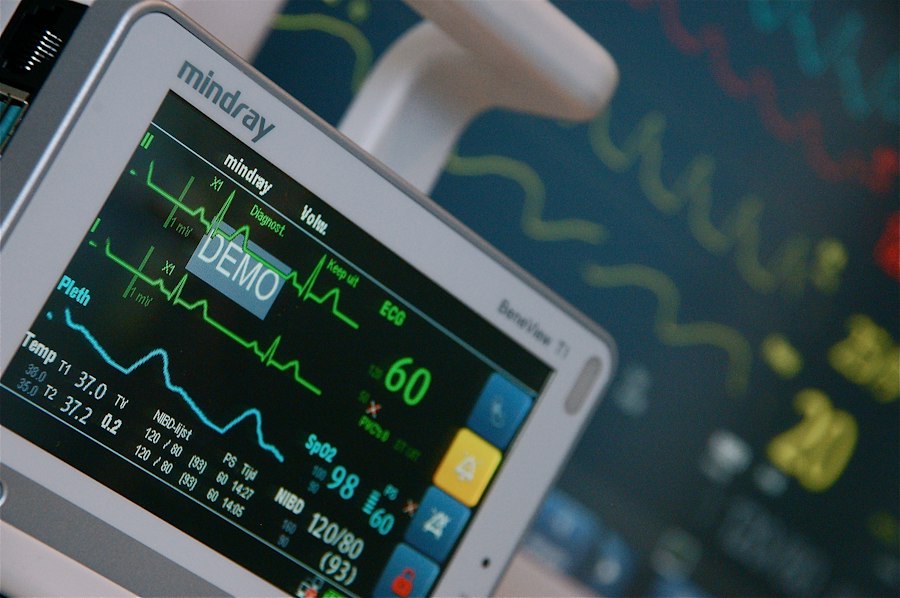
Understanding where the weak points typically lie is the first step toward building stronger defenses. For connected medical wearables, these vulnerabilities can be broadly categorized into several key areas, each presenting a distinct challenge.
Insecure Communication Protocols
The way data travels from the wearable to a receiver and then onward to a healthcare system is a prime target for attackers. Many wearables rely on wireless communication protocols like Bluetooth Low Energy (BLE), Wi-Fi, or proprietary radio frequencies. If these protocols are not implemented with robust encryption and authentication mechanisms, data can be intercepted or altered in transit.
Lack of Strong Encryption
One of the most fundamental security flaws is the absence or weakness of encryption for data in transit. If data is sent unencrypted, anyone with the right tools can eavesdrop and read sensitive patient telemetry. Even if encryption is present, using outdated or weak algorithms (e.g., certain legacy cryptographic suites) or poorly managed keys can render it ineffective. Attackers might exploit these weaknesses to perform “man-in-the-middle” attacks, where they intercept the communication, decrypt it, potentially modify the data, and then re-encrypt and forward it, making both the wearable and the receiving system believe they are communicating directly. This could lead to falsified readings, delayed alerts, or even malicious commands being sent to the device if it has bidirectional communication capabilities.
Insufficient Authentication
Beyond encryption, it’s critical that only authorized devices and systems can communicate with each other. Weak authentication mechanisms, or their complete absence, can allow unauthorized devices to connect to a wearable, impersonate it, or impersonate a legitimate receiver. For instance, an attacker might pretend to be a patient’s smartphone app to extract data from a CGM, or pretend to be the CGM itself to inject false data into a monitoring system. Default or hardcoded credentials that are not changed by users or administrators, or simple password schemes, are particularly vulnerable. Proper mutual authentication, where both ends of the communication verify each other’s identity, is crucial for preventing such impersonation attacks.
Device-Level Weaknesses
The wearable device itself, often a small, embedded system, can harbor numerous vulnerabilities if not designed and manufactured with security in mind. These range from software flaws to physical tampering.
Unsecured Firmware and Software
The firmware operating on the wearable is essentially its brain. If this firmware contains vulnerabilities, such as buffer overflows, memory leaks, or unhandled exceptions, an attacker could potentially crash the device, gain unauthorized control, or extract data. Lack of secure boot mechanisms means that an attacker could also load malicious firmware onto the device. Furthermore, if the software is not regularly updated with security patches, known vulnerabilities can persist for extended periods, providing easy entry points for attackers. Side-loading of malicious applications or unauthorized firmware updates is a significant risk without strong code signing and verification.
Exposed Hardware Interfaces
Many wearables have physical interfaces, even if they are primarily designed for wireless operation. These might include USB ports for charging or configuration, debug ports (like JTAG or UART) used during development, or even exposed internal test points. If these interfaces are not properly secured, disabled, or removed in the production version of the device, an attacker with physical access could exploit them to extract firmware, inject malicious code, bypass security controls, or gain low-level access to the device’s internal workings.
This is particularly relevant for devices that might be left unattended or are easily accessible to individuals other than the patient.
Cloud and Backend System Vulnerabilities
The journey of patient telemetry doesn’t end at the wearable or a local hub; it often extends to cloud-based platforms and backend healthcare systems for storage, analysis, and clinician access. These larger systems introduce their own set of security challenges.
Insecure APIs and Data Storage
Application Programming Interfaces (APIs) are the gateways through which data moves between wearables, mobile apps, and backend services. Insecure APIs, such as those with improper authentication, authorization flaws, or vulnerabilities like SQL injection, can allow attackers to access, alter, or delete patient data stored in the cloud. Similarly, the databases and storage systems holding this sensitive telemetry must be rigorously secured. Weak access controls, unencrypted data at rest, or misconfigured cloud storage buckets are common pitfalls that can lead to massive data breaches, exposing thousands or even millions of patient records.
Weak Identity and Access Management
Who has access to what data, and under what conditions? Poorly implemented Identity and Access Management (IAM) systems in the backend can leave critical patient telemetry vulnerable. This includes weak password policies, lack of multi-factor authentication (MFA) for clinician and patient portals, excessive privileges granted to users, or inadequate logging of access attempts. If an attacker compromises an account with high privileges, they could gain widespread access to sensitive data, potentially altering patient records, disabling monitoring, or disrupting healthcare operations. Regular auditing of access logs and adherence to the principle of least privilege are essential.
Mitigating Risks Through Design and Practice

Protecting real-time patient telemetry isn’t a one-time task; it’s an ongoing commitment that starts from the design phase and continues through the entire lifecycle of the device and its associated systems.
Security by Design
Embedding security from the very beginning of the development process is the most effective way to address vulnerabilities. Retrofitting security is always more difficult, costly, and less effective.
Threat Modeling
Before a single line of code is written or a circuit board is designed, performing thorough threat modeling is crucial. This involves systematically identifying potential threats, vulnerabilities, and attack vectors against the wearable, its communication channels, and the backend systems.
Asking “What could go wrong?” and “How could an attacker achieve X?” helps anticipate risks. This process should consider the device’s specific functions, data flows, user interactions, and operating environment. The output of threat modeling informs design decisions, such as which cryptographic algorithms to use, where to implement authentication, and what data to encrypt.
Secure Development Lifecycle (SDL)
Adopting a Secure Development Lifecycle (SDL) ensures that security considerations are integrated into every stage of development, from requirements gathering and design to testing, deployment, and maintenance.
This includes conducting security reviews of code, using static and dynamic analysis tools to find vulnerabilities, performing penetration testing, and adhering to secure coding guidelines. It also means training developers in secure coding practices and fostering a security-aware culture within the development team. The SDL should also mandate robust version control and secure handling of development environments to prevent supply chain attacks.
Robust Data Protection
Ensuring the confidentiality, integrity, and availability of patient data is paramount.
This requires strong measures at every point where data is processed, stored, or transmitted.
End-to-End Encryption
Data should be encrypted from the moment it leaves the wearable until it reaches its final, authorized destination, and even while at rest in storage. This “end-to-end” approach minimizes the windows of opportunity for interception. For data in transit, strong, industry-standard cryptographic protocols (e.g., TLS 1.3 with strong cipher suites) must be used, ensuring proper key management and certificate validation.
For data at rest, disk encryption and database encryption should be implemented. Key management is critical here; cryptographic keys must be securely generated, stored, distributed, and rotated, ideally using hardware security modules (HSMs) or trusted execution environments where possible.
Data Integrity and Authentication
Beyond encryption, mechanisms to ensure data integrity are vital. This means verifying that data has not been tampered with during transmission or storage.
Message authentication codes (MACs) or digital signatures can be used to ensure that the data received is exactly the same as the data sent. Robust authentication for all communication endpoints—wearable, hub, mobile app, and backend—is equally important. This often involves mutual authentication using strong cryptographic credentials (e.g., X.509 certificates, strong symmetric keys) to ensure that only authorized and trusted entities can communicate and exchange patient telemetry.
Continuous Monitoring and Updates
The threat landscape is constantly evolving, so security cannot be a static achievement.
Ongoing vigilance and adaptability are essential.
Regular Security Audits and Penetration Testing
Even with security by design, vulnerabilities can emerge. Regular, independent security audits and penetration testing are crucial for identifying weaknesses that might have been missed or have developed over time. These tests should simulate real-world attack scenarios against the entire system: the wearable, mobile apps, communication channels, and backend infrastructure.
Findings from these audits must be addressed promptly and systematically. Continuous security posture management tools can also help identify misconfigurations or compliance deviations in real-time.
Over-the-Air (OTA) Updates and Patch Management
The ability to securely update firmware and software on medical wearables is critical for patching newly discovered vulnerabilities. OTA update mechanisms must themselves be secure, employing strong authentication, encryption, and code signing to prevent malicious updates from being pushed to devices.
A robust patch management process involves continuous monitoring of vulnerability databases, rapid development and testing of patches, and efficient, secure deployment to all affected devices. Clear communication with users and healthcare providers about update schedules and their importance is also vital to ensure timely adoption.
Regulatory Compliance and Best Practices
Navigating the regulatory landscape for medical devices is complex, and cybersecurity is an increasingly central component. Adherence to established standards and best practices is not just about compliance; it’s about building inherently more secure and trustworthy products.
Adherence to Industry Standards
Several international and national standards provide frameworks for cybersecurity in medical devices. These standards offer guidance on risk management, design controls, and post-market surveillance related to security.
ISO 27001 and ISO 81001-5-1
ISO 27001 is a widely recognized international standard for information security management systems (ISMS). While not specific to medical devices, it provides a comprehensive framework for managing information security risks across an organization, which is highly relevant for manufacturers of medical wearables and the healthcare systems that use them. It helps establish processes for risk assessment, control selection, and continuous improvement.
More directly relevant is ISO 81001-5-1, specifically tailored for health software and health IT systems. This standard focuses on the security aspects of health software lifecycle processes. It addresses planning, requirements analysis, design, implementation, verification, validation, and release of health software with an emphasis on cybersecurity. For medical wearables, which rely heavily on sophisticated software and interconnected systems, adherence to ISO 81001-5-1 provides a structured approach to building secure software from inception. It guides manufacturers in identifying threats, assessing risks, and implementing appropriate controls throughout the entire software development lifecycle, ensuring that security is an integral part of the product.
Regulatory Requirements (FDA, MDR)
Regulatory bodies around the world are increasing their focus on medical device cybersecurity. Manufacturers must meet these requirements to bring their devices to market and maintain compliance.
FDA Cybersecurity Guidance
In the United States, the Food and Drug Administration (FDA) has issued comprehensive guidance on cybersecurity for medical devices. This includes guidance for both premarket submissions (design and development) and postmarket management (ongoing security). The FDA expects manufacturers to incorporate cybersecurity considerations throughout the device’s lifecycle, including identifying cybersecurity risks, implementing controls, providing appropriate documentation, and establishing plans for vulnerability management and incident response. Key expectations include secure design principles, risk management, threat modeling, secure updates, and a transparent process for addressing vulnerabilities post-market. The latest guidance emphasizes the importance of a Software Bill of Materials (SBOM) to enhance transparency and enable proactive vulnerability management.
EU Medical Device Regulation (MDR)
In the European Union, the Medical Device Regulation (MDR) also places significant emphasis on cybersecurity. Manufacturers must demonstrate that their devices are designed and manufactured in such a way as to ensure the cybersecurity of the device and its data. The MDR explicitly requires manufacturers to specify minimum requirements for IT network characteristics and IT security measures, including protection against unauthorized access. It also mandates that devices are designed to allow for secure installation of patches and updates. For connected medical wearables, this means detailed attention to the entire ecosystem, from the device firmware to cloud infrastructure, ensuring all components meet the stringent security and privacy requirements stipulated by the MDR.
In the realm of healthcare technology, the importance of safeguarding connected medical wearables cannot be overstated, especially when considering the potential cybersecurity vulnerabilities that could compromise real-time patient telemetry. A related article discusses the latest advancements in technology, which can enhance the performance and security of devices used in medical settings. For those interested in exploring the best options available, you can find valuable insights in this article about the best Lenovo laptops that may be suitable for healthcare professionals managing patient data securely.
Incident Response and Recovery
| Metric | Description | Value / Statistic | Source / Reference |
|---|---|---|---|
| Number of Reported Vulnerabilities (2023) | Total cybersecurity vulnerabilities identified in connected medical wearables | 125 | Healthcare Cybersecurity Reports 2023 |
| Percentage of Devices with Unencrypted Data Transmission | Wearables transmitting patient telemetry without encryption | 38% | Journal of Medical IoT Security, 2023 |
| Average Time to Patch Vulnerabilities | Time taken by manufacturers to release security patches after vulnerability disclosure | 45 days | Medical Device Security Consortium |
| Incidence of Unauthorized Access Attempts | Reported attempts to access patient telemetry data without authorization | 1,200 attempts/month | National Cybersecurity Center for Health |
| Percentage of Devices Using Multi-Factor Authentication | Wearables implementing MFA for user access | 22% | Connected Health Security Survey 2023 |
| Impact on Patient Safety | Percentage of incidents where cybersecurity breaches affected patient care | 7% | Healthcare Safety Board Annual Report |
| Common Vulnerability Types | Most frequent cybersecurity weaknesses found in medical wearables | Weak authentication, insecure data storage, outdated firmware | Medical Wearable Security Analysis 2023 |
No system is entirely immune to compromise. Having a robust plan for responding to and recovering from a cybersecurity incident is just as critical as preventing one. This ensures continuity of care and minimizes the impact of a breach.
Establishing a Response Plan
A well-defined incident response plan is a roadmap for managing security incidents effectively. It outlines the steps to be taken from detection to resolution.
Detection and Reporting Mechanisms
The first step in incident response is detection. This requires continuous monitoring of device activity, network traffic, and system logs for anomalies that could indicate a compromise. Manufacturers and healthcare providers need to establish clear mechanisms for reporting suspected incidents internally and, where required, to regulatory bodies (e.g., FDA, competent authorities under MDR) and affected patients. This includes having dedicated security teams or points of contact, defined communication channels, and standardized reporting templates. The faster an incident is detected and reported, the more effectively it can be contained.
Containment and Eradication
Once an incident is detected, the immediate priority is containment to prevent further damage or spread. This might involve isolating affected devices or systems, temporarily disconnecting them from networks, or blocking malicious IP addresses. Following containment, the focus shifts to eradication – removing the root cause of the incident, such as patching vulnerabilities, removing malware, or resetting compromised credentials. This phase requires a deep understanding of the attack vector and the system’s architecture. Detailed forensic analysis is often necessary to understand the scope and nature of the breach.
Recovery and Lessons Learned
After containing and eradicating the threat, the process moves to restoring normal operations and learning from the experience.
Data Restoration and System Resumption
Recovery involves restoring affected systems and data to a secure, operational state. This often relies on having robust backup and recovery procedures in place, ensuring that critical patient telemetry can be restored accurately and efficiently. Validating the integrity of restored data and systems is paramount before bringing them back online. The goal is to minimize downtime and ensure that patient monitoring and care can resume without interruption, all while verifying that the underlying vulnerabilities have been addressed.
Post-Incident Analysis and Improvement
Every incident, whether successful or thwarted, provides valuable lessons. A thorough post-incident analysis should be conducted to understand what happened, why it happened, and what could have been done differently. This involves reviewing logs, analyzing forensic evidence, identifying gaps in security controls, and evaluating the effectiveness of the response plan. The findings from this analysis should then be used to update security policies, improve system designs, enhance monitoring capabilities, and refine incident response procedures, creating a continuous feedback loop for strengthening overall cybersecurity posture.
FAQs
What are connected medical wearables?
Connected medical wearables are devices that monitor health metrics and transmit data in real-time to healthcare providers or patients. Examples include smartwatches, fitness trackers, and specialized medical devices like glucose monitors and heart rate monitors that utilize wireless technology to share information.
What are the common cybersecurity vulnerabilities in these devices?
Common cybersecurity vulnerabilities in connected medical wearables include weak authentication mechanisms, unencrypted data transmission, outdated software, and insufficient access controls. These vulnerabilities can expose sensitive patient data to unauthorized access and cyberattacks.
How can healthcare providers protect patient telemetry data?
Healthcare providers can protect patient telemetry data by implementing strong encryption protocols, regularly updating device software, using secure authentication methods, and conducting regular security assessments. Additionally, training staff on cybersecurity best practices can help mitigate risks.
What role do regulations play in securing connected medical wearables?
Regulations such as the Health Insurance Portability and Accountability Act (HIPAA) and the Food and Drug Administration (FDA) guidelines set standards for the security and privacy of patient data. Compliance with these regulations helps ensure that connected medical wearables are designed and maintained with adequate security measures.
What should consumers consider when using connected medical wearables?
Consumers should consider the security features of connected medical wearables, such as data encryption, privacy policies, and the manufacturer’s track record on software updates. Additionally, users should be aware of how their data is shared and stored, and take steps to secure their personal information.
Enjoying our content? Make us a preferred source on Google:
Add us as a Preferred Source on Google