

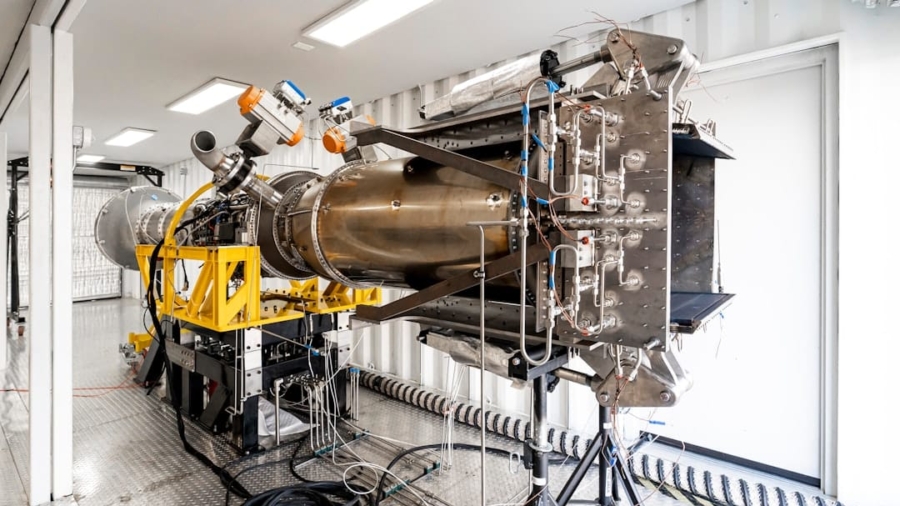
So, you’re wondering about cryogenic cooling systems for quantum processors? In a nutshell, quantum processors need to be incredibly cold – think way, way colder than anything you’re used to – to
FAQs
What is a cryogenic cooling system?
A cryogenic cooling system is a system that uses extremely low temperatures to cool and maintain the temperature of a device or material. It typically uses liquid nitrogen or helium to achieve temperatures close to absolute zero.
Why are cryogenic cooling systems important for quantum processors?
Quantum processors operate at extremely low temperatures to reduce thermal noise and maintain the delicate quantum states of the qubits. Cryogenic cooling systems are essential for achieving and maintaining these low temperatures.
How do cryogenic cooling systems work in quantum processors?
Cryogenic cooling systems use liquid nitrogen or helium to cool the quantum processor to temperatures close to absolute zero. This helps to reduce thermal noise and maintain the quantum states of the qubits, allowing for more accurate and reliable quantum computations.
What are the benefits of using cryogenic cooling systems in quantum processors?
The use of cryogenic cooling systems in quantum processors helps to improve the coherence and stability of qubits, leading to more accurate and reliable quantum computations. It also enables the development of larger and more complex quantum systems.
Are there any challenges associated with cryogenic cooling systems for quantum processors?
One of the main challenges is the cost and complexity of maintaining and operating cryogenic cooling systems. Additionally, ensuring the reliability and efficiency of these systems at extremely low temperatures can be a technical challenge.
Enjoying our content? Make us a preferred source on Google:
Add us as a Preferred Source on Google