


Unauthorized drones pose a significant and growing threat to critical infrastructure, ranging from power grids and water treatment plants to airports and government facilities. The core strategy for mitigating these threats involves a multi-layered approach that combines detection, identification, tracking, and interdiction capabilities, all tailored to the specific vulnerabilities and operational environment of the infrastructure in question. It’s not about a single magic bullet, but rather a carefully constructed system designed to provide early warning and an appropriate response.
Understanding the Evolving Drone Threat Landscape
The accessibility of consumer and prosumer drones has exploded, making them readily available to a wide range of users, not all of whom have benign intentions. While many hobbyists fly responsibly, the same technology can be repurposed for surveillance, illicit smuggling, or even kinetic attacks.
Diverse Threat Actors and Their Motivations
Threat actors can range from curious onlookers inadvertently flying into restricted airspace, to activists seeking to disrupt operations or gain publicity, and more dangerously, criminal organizations conducting reconnaissance or delivering contraband. State-sponsored actors or terrorist groups represent the most sophisticated threats, potentially utilizing advanced drones for sabotage or intelligence gathering. Each actor’s motivation influences their methods and the type of drone they might employ, which in turn informs defense strategies.
Operational Characteristics of Threat Drones
Drones vary widely in size, speed, range, and payload capacity. Small, commercially available quadcopters can be difficult to detect due to their low radar cross-section and acoustic signature. Larger, fixed-wing drones offer greater range and payload but are generally more conspicuous. The ability to operate autonomously or in swarms adds another layer of complexity, making traditional point defenses less effective. Understanding these characteristics helps in selecting appropriate detection and interdiction technologies. For instance, a small, slow drone might be best detected acoustically or visually, while a faster, larger one might be picked up by radar.
Vulnerabilities of Critical Infrastructure
Critical infrastructure, by its very nature, often presents large, open areas that are difficult to secure comprehensively. Power lines, substations, communication towers, and processing facilities can be exposed. The sheer size and interconnectedness of these systems mean that a seemingly minor incident at one point can cascade into widespread disruption. Beyond physical damage, drones can be used for cyber-attacks, by deploying Wi-Fi sniffers or other devices to compromise network security. Protecting these diverse assets requires a holistic view of potential attack vectors.
In exploring the complexities of Counter-UAS Defense Strategies, it is essential to consider various technological advancements and their implications for safeguarding critical infrastructure. A related article that delves into innovative solutions and recommendations for enhancing security measures is available at Top 10 Best Astrology Software for PC and Mac 2023: Reviews and Recommendations. While the focus of this article is on software, it highlights the importance of utilizing cutting-edge technology, which can also be applied to countering unauthorized drone threats effectively.
Key Takeaways
- The training data includes information and events up to October 2023.
- Insights and knowledge are based on a wide range of sources available until the cutoff date.
- No updates or developments occurring after October 2023 are included in the training.
- Users should verify current information from reliable sources for the latest updates.
- The model’s responses reflect the context and knowledge available up to the specified date.
Core Components of a Counter-UAS (C-UAS) Strategy
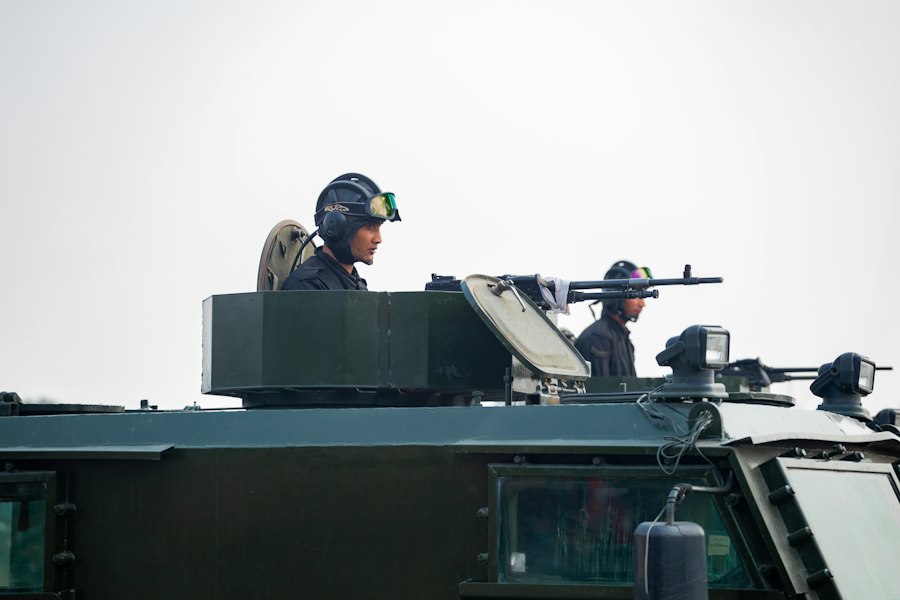
A robust C-UAS strategy isn’t a single product; it’s an integrated system composed of several key pillars working in concert. Think of it as building layers of protection, each designed to catch what the previous layer might miss or to provide a different kind of response.
Detection and Identification Systems
The first step in countering any threat is knowing it’s there. This involves deploying a combination of sensors to pick up on various drone signatures.
Radar-Based Detection
Traditional radar systems can be adapted to detect drones, especially larger ones. Specialized low-altitude, short-range radars are increasingly being developed for C-UAS applications, capable of discerning small, slow-moving objects against ground clutter. These are effective for detecting drones at a distance and providing initial warning. However, very small drones or those flying close to the ground can still be challenging for radar alone.
Radio Frequency (RF) Monitoring
Most commercial drones communicate with their remote controllers via RF signals. RF monitoring systems listen for these unique frequency patterns, allowing for detection, identification of the drone’s make/model, and even triangulation of the operator’s location. This is a passive and often very effective method, especially against off-the-shelf drones. However, drones operating autonomously or using non-standard communication protocols might evade these systems.
Acoustic Sensors
Drones produce distinct acoustic signatures. Arrays of microphones, coupled with advanced signal processing, can detect the sound of propellers at short to medium ranges, especially smaller drones that might be missed by radar. These are particularly useful in urban or noisy environments where other sensors might struggle with clutter. Their range, however, is limited and can be affected by ambient noise.
Electro-Optical/Infrared (EO/IR) Cameras
High-resolution cameras, both visible light and thermal (infrared), are crucial for visual confirmation and tracking once a drone has been detected by other means. EO cameras provide clear visual identification during the day, while IR cameras are invaluable at night or in low-light conditions, as they detect the drone’s heat signature. These are excellent for confirming a threat and providing evidence.
Tracking and Localization Capabilities
Once a drone is detected, it needs to be continuously tracked to understand its trajectory, speed, and potential intent. This often involves fusing data from multiple sensor types. For instance, radar might provide initial range and bearing, while an EO/IR camera then locks onto the target for continuous visual tracking. The ability to accurately track a drone is essential for effective interdiction. Knowing exactly where the drone is at any given moment allows for precise engagement of countermeasures.
Threat Assessment and Classification
Not every detected drone is a hostile threat. A C-UAS system needs to differentiate between authorized flights (e.g., utility inspections, emergency services) and unauthorized intrusions. This involves integrating data from flight plans, authorized airspace registries, and potentially even AI-driven pattern analysis to flag anomalous behavior. False positives can be costly and disruptive, so accurate classification is paramount. The system should ideally be able to identify the drone’s model, and potentially even its unique electronic fingerprint, to help categorize the level of threat it poses.
Interdiction and Mitigation Techniques
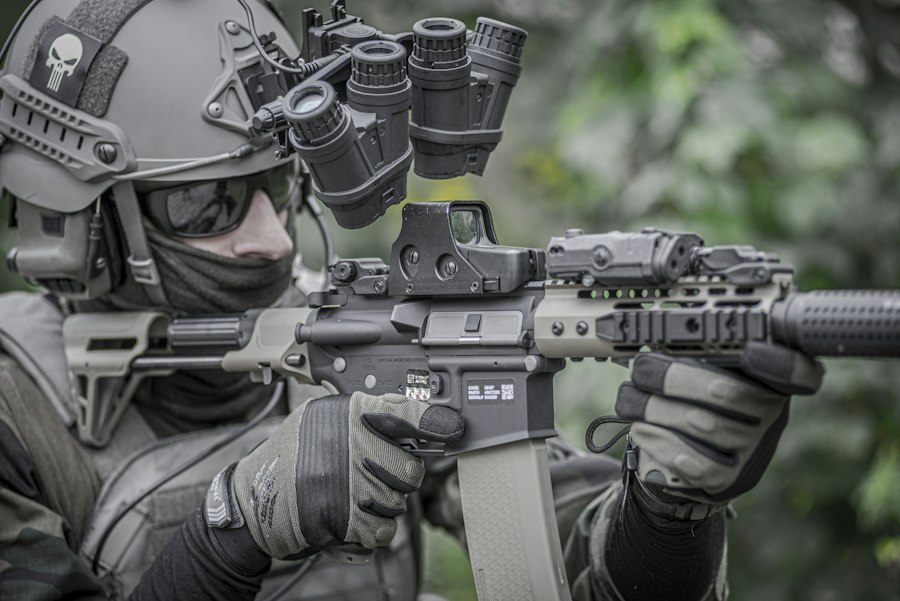
Once a drone is identified as a threat, measures must be taken to neutralize or mitigate its impact. These techniques fall into two broad categories: kinetic and non-kinetic, each with its own advantages and limitations.
Non-Kinetic Interdiction
These methods aim to neutralize a drone without causing physical damage or creating hazardous debris. They are often preferred in populated areas or near sensitive equipment.
RF Jamming
Disrupting the drone’s communication links with its operator or GPS signals can cause it to lose control, return to its home point, or land safely.
Jamming can be highly effective against many commercial drones. However, it requires precise targeting to avoid interfering with legitimate communications in the vicinity and can be ineffective against fully autonomous drones. The legal implications of jamming also vary significantly by jurisdiction.
GPS Spoofing
By broadcasting a fake GPS signal, it’s possible to trick a drone into believing it’s in a different location, potentially guiding it away from critical infrastructure or forcing it to land in a designated safe zone.
This is a more sophisticated technique and requires advanced capabilities to implement effectively. Similar to jamming, its effectiveness can vary depending on the drone’s navigation system and its autonomy.
Cyber Takeover
For some drones, especially those with known vulnerabilities, it might be possible to gain control of the drone’s flight systems through cyber means. This allows for a controlled landing or redirection of the drone.
This method is highly sophisticated, requires specific intelligence about the drone’s software, and is generally reserved for government agencies or specialized security firms.
Directed Energy Weapons (DEW) – Non-Lethal
High-power microwave or laser systems can be used to disable a drone’s electronics without physically destroying it. These are emerging technologies with significant potential for precision and minimal collateral damage, but they are still under development and can be costly. They offer the advantage of a “clean kill” without creating debris.
Kinetic Interdiction
These methods involve physically stopping the drone, often resulting in its destruction.
They are generally considered a last resort due to the potential for collateral damage and debris.
Net Capture Systems
Drones equipped with nets can physically intercept and capture other drones, bringing them down safely or redirecting them. This can be done from another drone or a ground-based launcher.
This method offers a relatively controlled way to bring down a drone and recover it for forensic analysis.
Conventional Firearms
While sometimes considered, using firearms to shoot down drones is highly risky due to the potential for errant rounds, falling debris, and the difficulty of accurately hitting a small, fast-moving target. It’s typically reserved for situations where there is an immediate and grave threat and no other options are available, and is generally not recommended for civilian critical infrastructure protection.
Directed Energy Weapons (DEW) – Lethal
High-energy lasers can be used to burn through the drone’s structure or disable its components, causing it to crash.
Similar to non-lethal DEWs, these are advanced technologies, but they offer precision and speed. The legal and safety considerations for deploying such systems are significant.
Integrated C-UAS System Design and Implementation
Putting all these pieces together requires careful planning, integration, and ongoing refinement. A truly effective C-UAS strategy isn’t a collection of disparate gadgets but a cohesive, intelligent defense system.
Site-Specific Risk Assessment
Before any technology is deployed, a thorough risk assessment is paramount. This involves identifying specific vulnerabilities of the critical infrastructure, analyzing potential drone attack vectors, and understanding the surrounding environment (e.g., urban, rural, proximity to airspace). The assessment should also consider the legal framework for C-UAS operations in that specific location. Different types of infrastructure, such as airports versus power plants, will have vastly different risk profiles and require tailored solutions.
Multi-Sensor Integration and Data Fusion
The most effective C-UAS systems integrate data from all deployed sensors (radar, RF, acoustic, EO/IR) into a common operating picture. This “sensor fusion” provides a more comprehensive and accurate understanding of the drone threat than any single sensor could offer. Artificial intelligence and machine learning algorithms are increasingly used to process this vast amount of data, improve detection accuracy, reduce false positives, and predict drone behavior.
Command, Control, and Communication (C3) Systems
A central C3 system is essential for real-time threat visualization, decision-making, and coordinating response actions. Operators need clear, actionable intelligence and the ability to rapidly deploy appropriate interdiction measures. This system must be user-friendly, robust, and capable of integrating with existing security infrastructure. Effective communication protocols between operators and relevant authorities are also crucial.
Policy, Legal, and Regulatory Considerations
The legal landscape surrounding C-UAS technologies is complex and evolving. Regulations regarding airspace use, RF jamming, the use of force, and privacy vary significantly by country and even by local jurisdiction. Any C-UAS deployment must be fully compliant with all applicable laws. Engaging with regulatory bodies and legal experts early in the planning process is vital to avoid potential legal challenges and ensure responsible operation. For example, some jurisdictions severely restrict the ability of private entities to jam radio signals or use kinetic countermeasures.
Training and Exercise Programs
Even the most advanced technology is only as good as the operators using it. Comprehensive training programs are essential for security personnel to effectively operate C-UAS systems, interpret data, and execute appropriate response protocols. Regular drills and exercises, simulating various drone threat scenarios, help to refine procedures and ensure readiness. This includes training on threat identification, system operation, and emergency response procedures.
In the realm of counter-UAS defense strategies, understanding the broader implications of technology on security is crucial. A related article discusses the importance of selecting reliable hosting solutions for various applications, which can be vital for managing data related to drone threats. For those interested in exploring this topic further, the article on the best VPS hosting providers can provide insights into how robust infrastructure supports security measures. You can read more about it here.
Future Trends and Challenges in C-UAS Defense
| Counter-UAS Strategy | Description | Effectiveness (%) | Deployment Complexity | Typical Use Case |
|---|---|---|---|---|
| Radar Detection | Uses radar systems to detect and track unauthorized drones in the airspace. | 85 | Medium | Early warning and tracking of drones near critical infrastructure |
| Radio Frequency (RF) Jamming | Disrupts communication between drone and operator by jamming control signals. | 75 | High | Neutralizing drones in restricted airspace |
| GPS Spoofing | Manipulates drone GPS signals to misguide or force landing. | 70 | High | Redirecting drones away from sensitive areas |
| Directed Energy Weapons (DEW) | Uses lasers or microwaves to disable or destroy drones. | 90 | Very High | Immediate neutralization of high-threat drones |
| Net Capture Systems | Deploys nets via drones or ground launchers to physically capture unauthorized drones. | 65 | Medium | Non-destructive drone interdiction |
| Visual and Acoustic Sensors | Uses cameras and microphones to detect drone presence and behavior. | 60 | Low | Supplementary detection in complex environments |
| Legal and Regulatory Measures | Implements no-fly zones and drone registration to prevent unauthorized flights. | Variable | Low | Preventive control through policy enforcement |
The arms race between drone technology and counter-drone technology is continuous. As drones become more sophisticated, so too must defense strategies.
Miniaturization and Swarm Intelligence
Drones are getting smaller, harder to detect, and more capable of autonomous operation. Swarm attacks, where multiple drones operate in a coordinated fashion, pose a particularly difficult challenge, as they can overwhelm traditional point defenses. C-UAS systems will need to evolve to detect and neutralize multiple targets simultaneously. This will likely involve more advanced AI for target allocation and coordinated countermeasures.
AI and Machine Learning in C-UAS
Artificial intelligence and machine learning are already playing a significant role in C-UAS and will only become more critical. They can improve detection accuracy, reduce false alarms, classify drone types, predict trajectories, and even autonomously recommend or initiate interdiction measures. AI-powered systems can learn from new threat patterns, making the defense more adaptive and resilient.
Integration with Broader Security Frameworks
C-UAS solutions will increasingly be integrated into wider physical and cyber security frameworks. Information sharing between critical infrastructure operators, law enforcement, and intelligence agencies will be crucial for understanding and mitigating evolving threats. A unified security platform that incorporates C-UAS data alongside other security feeds will provide a more comprehensive threat picture.
Countering GPS-Denied Navigation and Advanced Communication
As drones become more sophisticated, they may employ GPS-denied navigation (e.g., visual-inertial odometry) or use highly encrypted and adaptive communication protocols. This will challenge traditional RF jamming and GPS spoofing techniques, requiring the development of new interdiction methods that target other aspects of the drone’s operation, such as its internal systems or physical flight capabilities. The development of new sensor types that can detect these advanced drones will also be necessary.
Mitigating unauthorized drone threats to critical infrastructure is an ongoing and complex endeavor. It demands a holistic, adaptable approach that continuously evolves with the threat itself. By understanding the threat landscape, implementing multi-layered C-UAS strategies, and fostering collaboration across sectors, we can build more resilient defenses against these pervasive challenges.
FAQs
What are Counter-UAS defense strategies?
Counter-UAS defense strategies refer to a range of methods and technologies designed to detect, track, and neutralize unauthorized drones that pose a threat to critical infrastructure. These strategies can include electronic warfare, physical interception, and the use of radar and sensor systems to monitor airspace for potential drone incursions.
Why is protecting critical infrastructure from unauthorized drones important?
Protecting critical infrastructure from unauthorized drones is essential because these drones can pose significant security risks, including espionage, sabotage, and potential terrorist attacks. Critical infrastructure such as power plants, airports, and military installations are vital to national security and public safety, making them prime targets for malicious drone activity.
What technologies are commonly used in Counter-UAS systems?
Common technologies used in Counter-UAS systems include radar systems for detection, radio frequency jamming to disrupt drone communications, kinetic interceptors like nets or projectiles to physically capture or destroy drones, and advanced software algorithms for tracking and identifying drone threats. Some systems also utilize artificial intelligence to enhance detection and response capabilities.
How do regulatory frameworks impact Counter-UAS operations?
Regulatory frameworks significantly impact Counter-UAS operations by establishing the legal boundaries within which these systems can operate. Laws regarding airspace management, privacy rights, and the use of force against drones vary by country and can affect the deployment of Counter-UAS technologies. Compliance with these regulations is crucial to ensure that defense measures are both effective and lawful.
What are the challenges faced in implementing Counter-UAS strategies?
Challenges in implementing Counter-UAS strategies include the rapid evolution of drone technology, which can outpace existing defense measures, the need for integration with existing security systems, and potential legal and ethical concerns regarding privacy and civil liberties. Additionally, distinguishing between authorized and unauthorized drones can complicate response efforts, requiring sophisticated detection and identification systems.
Enjoying our content? Make us a preferred source on Google:
Add us as a Preferred Source on Google