

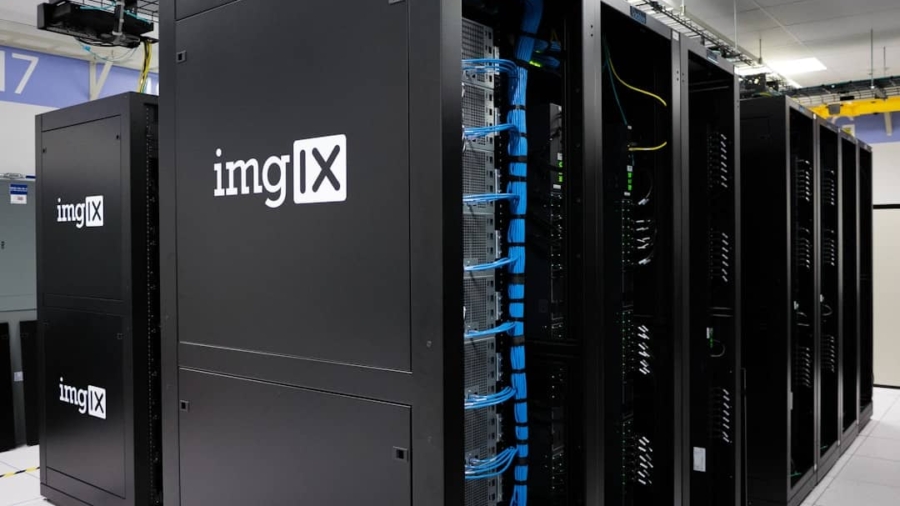
So, what’s the deal with corporate responsibility and the environmental impact of data center expansions? Simply put, as our digital world grows, so does the demand for data centers, and these facilities, while essential, come with a significant environmental footprint that companies need to address seriously. It’s not just about making more space for our cat videos and cloud documents; it’s about a fundamental shift in how businesses handle their digital infrastructure and its environmental implications.
Data centers are the unseen backbones of our modern lives. Every time you stream a movie, send an email, or even use a fitness tracker, you’re interacting with a data center somewhere. And their numbers are exploding. This expansion isn’t without consequence, particularly for our planet.
The Energy Guzzlers
Think of a data center as a massive, always-on computer. These facilities require enormous amounts of electricity to run their servers, storage devices, and networking equipment. Beyond just powering the hardware, a significant portion of that energy goes into cooling. All those blinking lights generate a lot of heat, and if it’s not managed, the equipment overheats and fails. This constant energy demand translates directly into greenhouse gas emissions, especially if the power comes from fossil fuel sources.
Water Consumption: A Hidden Drain
Cooling isn’t just about air conditioning. Many data centers use vast quantities of water for cooling, particularly those employing evaporative cooling systems. While efficient in terms of energy, these systems can put a strain on local water resources, especially in areas already experiencing water scarcity. It’s a trade-off that needs careful consideration.
Material Consumption and E-Waste
Building a data center isn’t just about land; it’s about materials. Concrete, steel, copper – all have an environmental cost to produce and transport. Then there’s the equipment itself. Servers, storage units, and networking gear have a relatively short lifespan in the fast-paced tech world. This leads to a growing mountain of electronic waste, or e-waste, much of which contains hazardous materials that require careful disposal.
In the context of corporate responsibility and the environmental cost associated with data center expansions, it is essential to consider the broader implications of digital marketing trends.
A related article that delves into the evolving landscape of digital marketing and its impact on corporate practices can be found at
5G Innovations (13) Wireless Communication Trends (13) Article (343) Augmented Reality & Virtual Reality (904)
- Metaverse (267)
- Virtual Workplaces (35)
- VR & AR Games (34)
Cybersecurity & Tech Ethics (809)
- Cyber Threats & Solutions (3)
- Ethics in AI (33)
- Privacy Protection (32)
Drones, Robotics & Automation (489)
- Automation in Industry (33)
- Consumer Drones (33)
- Industrial Robotics (33)
EdTech & Educational Innovations (347)
- EdTech Tools (18)
- Online Learning Platforms (4)
- Virtual Classrooms (34)
Emerging Technologies (2,000) FinTech & Digital Finance (451) Frontpage Article (1) Gaming & Interactive Entertainment (385) Health & Biotech Innovations (718)
- AI in Healthcare (3)
- Biotech Trends (4)
- Wearable Health Devices (510)
News (97) Reviews (129) Smart Home & IoT (450)
- Connected Devices (3)
- Home Automation (4)
- Robotics for Home (33)
- SmartPhone (48)
Space & Aerospace Technologies (348)
- Aerospace Innovations (4)
- Commercial Spaceflight (3)
- Space Exploration (62)
Sustainable Technology (788) Tech Careers & Jobs (342) Tech Guides & Tutorials (1,153)
- DIY Tech Projects (3)
- Getting Started with Tech (60)
- Laptop & PC (58)
- Productivity & Everyday Tech Tips (328)
- Social Media (64)
- Software (325)
- Software How-to (3)
Uncategorized (146)