

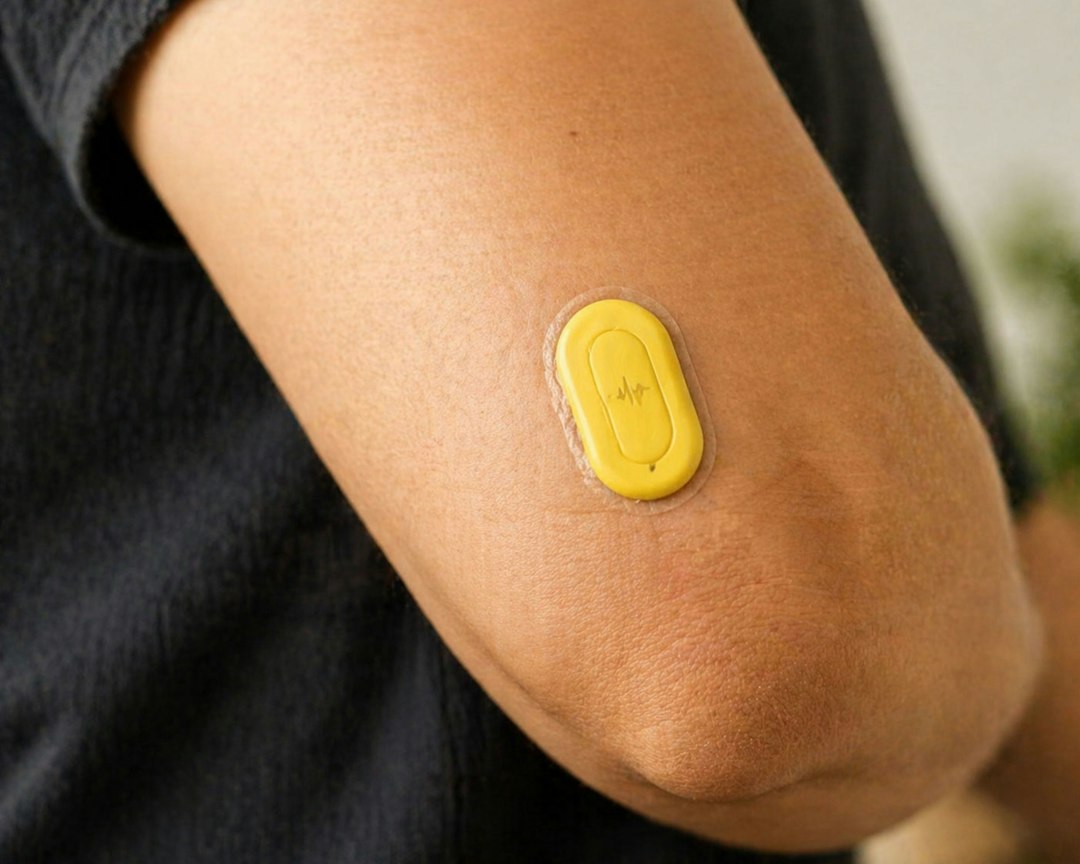
For kids, especially after surgery, keeping an eye on their temperature can be a real challenge. Traditional thermometers are disruptive and can be stressful. This is where continuous temperature patches come in – they offer a much gentler, less intrusive way to track a child’s temperature over time, helping healthcare providers spot fevers or changes quickly and with less fuss for the little patient and their families.
Why Continuous Temperature Monitoring is a Game Changer for Kids
When it comes to pediatric care, especially after an operation, a child’s temperature is a critical vital sign. A fever could signal an infection, while a drop might indicate hypothermia, both of which need quick attention. The problem with traditional temperature taking (oral, rectal, axillary, or temporal) is that it’s often intermittent. You get a snapshot, but you miss everything in between.
The Limitations of Intermittent Readings
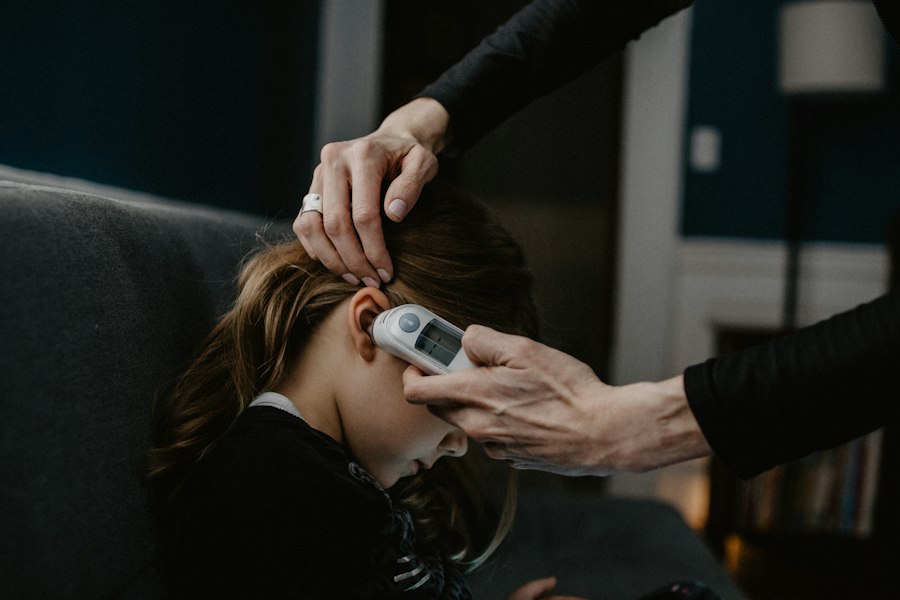
Think about it: a nurse might check a child’s temperature every few hours. What happens if a fever spikes rapidly between those checks? Or if it slowly climbs over an hour before the next scheduled reading? With intermittent monitoring, these crucial changes can be missed, leading to delays in diagnosis and treatment. For a child recovering from surgery, early detection of complications like infection is paramount to a good outcome. Plus, the act of taking a temperature, especially rectally for infants or orally for uncooperative toddlers, can be upsetting for the child and add to their stress in an already unfamiliar hospital environment. This can sometimes even lead to resistance, making accurate readings difficult to obtain.
The Benefits of Constant Tracking
Continuous temperature patches, on the other hand, provide a constant stream of data. This means healthcare providers get a real-time picture of a child’s thermal status. They can see trends, detect subtle increases or decreases, and respond much faster to any significant changes. This proactive approach can significantly improve patient safety and comfort. Imagine being able to see a fever developing in real-time, rather than discovering it hours later when it’s already escalated. This immediate feedback allows for quicker interventions, potentially preventing more serious complications and reducing the need for more aggressive treatments later on. For parents, it also offers a degree of reassurance, knowing that their child is being constantly monitored without constant disturbance.
Continuous temperature patches for pediatric care and post-operative fever monitoring represent a significant advancement in medical technology, enhancing patient comfort and care efficiency. For further insights into how innovative technologies are transforming various sectors, including healthcare, you can explore a related article on the evolving trends in e-commerce. This article discusses the impact of technology on consumer behavior and business practices, which parallels the advancements seen in medical devices. For more information, visit Top Trends in E-Commerce Business.
Key Takeaways
- The training data includes information and events up to October 2023.
- Insights and knowledge are based on a wide range of sources available until the cutoff date.
- No updates or developments occurring after October 2023 are included in the training.
- Users should verify current information from reliable sources for the latest updates.
- The model’s responses reflect the context and knowledge available up to the specified date.
How Continuous Temperature Patches Work
These patches are essentially small, wearable devices that stick to a child’s skin, typically in an area like the armpit or chest. They contain tiny sensors that continuously measure skin temperature. This data is then transmitted wirelessly to a receiver, which could be a bedside monitor, a tablet, or even a smartphone application.
Understanding the Technology Inside
Most continuous temperature patches use thermistors or thermocouples. These are highly sensitive components that change their electrical resistance or generate a voltage in response to temperature fluctuations. The patch converts these electrical signals into a temperature reading. The critical aspect is their small size and flexibility, allowing them to conform to the body without discomfort. Some patches also incorporate sophisticated algorithms to compensate for external factors like ambient temperature changes or movement artifacts, ensuring the readings are as accurate as possible. The aim is to get a reading that closely correlates with core body temperature without the invasiveness of internal probes.
Data Transmission and Interpretation
The data from the patch is usually sent via Bluetooth or Wi-Fi to a central monitoring system. This system can then display the temperature in a graph, showing trends over time. Alarms can be set to alert nurses or doctors if the temperature goes above or below a pre-set threshold. This immediate notification is crucial for rapid response. Many systems also store this data, allowing healthcare teams to review historical temperature patterns, which can be invaluable for understanding the progression of an illness or the effectiveness of treatment. Some advanced systems can even integrate with electronic health records, streamlining documentation and reducing the potential for human error in transcription. The data visualization tools are particularly helpful, turning raw numbers into easily digestible charts that highlight critical changes at a glance.
Specific Applications in Pediatric Care

Continuous temperature patches aren’t just a fancy gadget; they have very practical applications in various pediatric settings. Their utility extends beyond just fever detection to managing a range of conditions.
Post-Operative Monitoring for Infection
After any surgery, there’s always a risk of infection. A rising temperature is often the earliest sign.
With continuous patches, healthcare providers can spot these increases much sooner than with intermittent checks. This means antibiotics can be started earlier, potentially preventing a localized infection from becoming systemic and more serious. For children, who might not be able to articulate symptoms clearly, this objective data is incredibly valuable.
It helps distinguish between a mild post-operative inflammatory response and a true infection, guiding clinical decisions.
Detecting a fever early post-op can also reduce the length of hospital stay by allowing for faster intervention and recovery.
Managing Febrile Seizures
For children prone to febrile seizures, rapid temperature spikes can be very dangerous.
Continuous monitoring can provide early warnings, allowing parents or caregivers to administer fever-reducing medication proactively, potentially preventing a seizure altogether. This is especially beneficial for children being managed at home after a hospital stay, as it empowers parents with real-time data and actionable insights. The peace of mind this offers to parents of children with a history of febrile seizures cannot be overstated.
It transforms anxiety into vigilance, providing an opportunity for early intervention that could mitigate the severity or even incidence of such events.
Neonatal Intensive Care Unit (NICU) Applications
Premature babies and newborns in the NICU are particularly vulnerable to temperature fluctuations. They struggle to regulate their body temperature, and even small changes can have significant health implications. Continuous patches offer a gentle, non-invasive way to monitor their temperature, ensuring they stay within a safe range without disturbing their fragile skin or disrupting their sleep.
This continuous data helps caregivers maintain optimal thermal environments, which is crucial for development and recovery in these tiny patients. It avoids the need for rectal temperature checks, which can be quite invasive and disruptive for a very small and delicate infant. The ability to track even subtle changes helps in maintaining a stable physiological environment, vital for their fragile health.
Oncology Patients and Immunocompromised Children
Children undergoing chemotherapy or who are otherwise immunocompromised are at high risk for infections, often presenting with fever as the only initial symptom.
For these patients, even a low-grade fever can be a medical emergency. Continuous temperature patches allow for constant vigilance, ensuring that any fever, no matter how subtle, is detected immediately. This prompt detection can lead to earlier administration of broad-spectrum antibiotics, which can be life-saving for these vulnerable patients. It allows for a higher degree of safety monitoring without causing additional stress or discomfort to children already enduring significant medical challenges.
Sedated or Unresponsive Patients
For children who are sedated, unconscious, or otherwise unable to communicate, continuous temperature monitoring is indispensable. They cannot tell you if they feel warm or cold, making objective, continuous data the only reliable way to track their thermal status.
This applies to patients in pediatric intensive care units (PICU) or during lengthy surgical procedures where constant vigilance is required. The patches provide critical data without requiring manual intervention that could disrupt their delicate state.
Practical Considerations for Use
While continuous temperature patches offer significant advantages, there are some practical aspects to consider to ensure they are used effectively and safely.
Skin Sensitivity and Adhesion
Children’s skin, especially infants’, is delicate. The adhesive used in these patches needs to be hypoallergenic and gentle to prevent irritation or skin breakdown. Choosing the right patch size and placement is also important to ensure good adhesion without causing discomfort or interfering with movement. Regular inspection of the skin under the patch is necessary to check for any signs of redness or irritation. When removing the patch, gentle techniques should be used to avoid damaging the skin. Some manufacturers offer different adhesive strengths or materials for various skin types, which can be a beneficial feature in a diverse pediatric population.
Accuracy and Calibration
While convenient, it’s important to remember that skin temperature readings from patches may not always perfectly match core body temperature. Healthcare providers need to understand the potential differences and how to interpret the data in context. Regular calibration checks of the devices and validation against traditional temperature readings, especially during initial use or when a significant change is observed, can help ensure accuracy. It’s crucial for clinical staff to be trained on the specific accuracy characteristics of the patches they are using. Understanding the potential offset between skin temperature and core temperature is key to making informed clinical decisions.
Battery Life and Connectivity
These patches are electronic devices, so battery life is a key consideration. They need to last for the intended monitoring period, or have an easy and non-disruptive way to be replaced or recharged. Reliable wireless connectivity is also essential to ensure continuous data transmission without interruptions. In busy hospital environments, interference from other electronic devices can sometimes be an issue, so robust connectivity protocols are important. Ensuring consistent signal strength and minimizing drop-outs is vital for uninterrupted monitoring, particularly in critical care settings.
Cost-Effectiveness
The initial cost of these patches and the associated monitoring systems can be higher than traditional thermometers. However, the potential benefits, such as earlier detection of complications, reduced hospital stays, and improved patient outcomes, can offset these costs in the long run. Healthcare institutions need to evaluate the cost-effectiveness based on their specific patient population and clinical needs. The reduction in nursing time spent on manual temperature checks, and the potential for preventing more serious complications, can also contribute to overall cost savings.
Training and Workflow Integration
Introducing new technology always requires proper training for nursing staff and other healthcare professionals. They need to understand how to apply the patches correctly, interpret the data, troubleshoot common issues, and integrate the monitoring into existing clinical workflows. Seamless integration with electronic health records (EHR) can further enhance efficiency and data management.
Without adequate training, even the most advanced technology can fall short of its potential.
In the realm of pediatric care, the implementation of Continuous Temperature Patches has shown promising results in monitoring post-operative fever, enhancing patient comfort and care efficiency. A related article discusses the advancements in wearable technology and its impact on health monitoring, which can be found here. This exploration into innovative solutions highlights the importance of integrating technology into medical practices, ultimately leading to improved outcomes for young patients.
The Future of Pediatric Temperature Monitoring
| Metric | Description | Typical Range / Value | Importance in Pediatric Care |
|---|---|---|---|
| Temperature Measurement Accuracy | Degree of closeness of the patch reading to core body temperature | ±0.1°C to ±0.3°C | Ensures reliable fever detection and monitoring |
| Continuous Monitoring Duration | Length of time the patch can continuously record temperature | 24 to 72 hours | Allows for ongoing fever tracking without frequent reapplication |
| Data Transmission Method | How temperature data is sent to monitoring devices | Bluetooth Low Energy (BLE) or NFC | Enables real-time remote monitoring by caregivers and clinicians |
| Patch Adhesion Time | Duration the patch remains securely attached to skin | Up to 72 hours | Minimizes discomfort and need for frequent replacement |
| Skin Compatibility | Patch material’s hypoallergenic properties | Medical-grade silicone or hydrocolloid | Prevents skin irritation in sensitive pediatric patients |
| Alert Threshold Settings | Temperature values triggering alerts for fever | ≥38.0°C (100.4°F) | Facilitates timely clinical intervention |
| Battery Life | Operational time before patch requires recharge or replacement | Up to 72 hours | Supports uninterrupted monitoring during critical periods |
| Weight and Size | Physical dimensions and weight of the patch | Small, lightweight ( | Ensures comfort and minimal interference with child’s activities |
The field of continuous temperature monitoring for children is constantly evolving, with exciting developments on the horizon. The goal is to make these devices even more accurate, user-friendly, and integrated into comprehensive healthcare systems.
Miniaturization and Enhanced Comfort
Future patches are likely to become even smaller, thinner, and more flexible, making them almost imperceptible to the child. This will further improve comfort and reduce the likelihood of the child attempting to remove them. Advances in material science could lead to even more skin-friendly adhesives and breathable patch designs, minimizing the risk of irritation, even for prolonged use. Imagine patches that are so small and discreet they are practically invisible and feel like a second skin.
Advanced Analytics and Predictive Capabilities
The vast amount of data collected by these patches opens up opportunities for advanced analytics. Machine learning algorithms could be developed to identify subtle patterns in temperature trends that might predict the onset of infection even before a significant fever spike occurs. This kind of predictive capability could revolutionize proactive care, allowing for interventions at the earliest possible stage. These intelligent systems could learn from individual patient data and adapt their alerts, making them more personalized and reducing false alarms.
Integration with Smart Hospital Systems
Continuous temperature patches are likely to become integral components of “smart hospital” ecosystems. This means seamless integration with other monitoring devices, electronic health records, and even smart beds or environmental controls. A child’s temperature data could automatically trigger adjustments in room temperature or alert the care team to potential issues without manual input. This level of integration aims to create a truly connected and responsive healthcare environment.
Home-Based Monitoring and Telemedicine
As these devices become more sophisticated and user-friendly, they will undoubtedly play a larger role in home-based monitoring. Parents could track their child’s temperature remotely, with data being transmitted directly to their pediatrician. This would be particularly beneficial for children with chronic conditions or those recovering from surgery at home, enabling earlier detection of issues and facilitating telemedicine consultations. Empowering parents with reliable, continuous data can reduce anxiety and improve continuity of care beyond the hospital walls. This also reduces the burden on healthcare facilities by allowing children to be safely monitored in the comfort of their own homes.
Non-Invasive Core Temperature Estimation
While current patches primarily measure skin temperature, ongoing research is exploring ways to more accurately estimate core body temperature non-invasively. This could involve combining temperature data with other physiological parameters or using more advanced sensor technologies to get a closer approximation of true core temperature without the need for rectal or internal probes. Such advancements would significantly enhance the clinical utility and reliability of these patches across all patient populations, especially in critical care settings.
FAQs
What are continuous temperature patches for pediatric care?
Continuous temperature patches are wearable devices that monitor a child’s body temperature continuously without the need for frequent manual checks. These patches are designed to provide real-time temperature readings and can be especially useful for pediatric patients who may not be able to communicate their discomfort effectively.
How do continuous temperature patches work?
Continuous temperature patches typically use sensors to measure the child’s body temperature and transmit the data wirelessly to a monitoring device or smartphone app. The patches are designed to be comfortable, non-invasive, and easy to use, making them suitable for pediatric care and post-operative fever monitoring.
What are the benefits of using continuous temperature patches for pediatric care?
Continuous temperature patches offer several benefits, including early detection of fever or changes in body temperature, reduced need for invasive temperature measurements, improved patient comfort, and the ability to track temperature trends over time. These patches can help healthcare providers make timely interventions and provide better care for pediatric patients.
Are continuous temperature patches safe for pediatric patients?
Continuous temperature patches are designed to be safe for use in pediatric patients. They are made from skin-friendly materials, are non-invasive, and do not cause discomfort or skin irritation. However, it is essential to follow the manufacturer’s instructions for proper application and monitoring to ensure the safety and effectiveness of the patches.
How can continuous temperature patches help in post-operative fever monitoring?
Continuous temperature patches can be particularly useful in post-operative fever monitoring by providing continuous temperature readings and alerting healthcare providers to any sudden changes or spikes in temperature. This early detection can help in the timely management of post-operative complications and infections, leading to better outcomes for patients.
Enjoying our content? Make us a preferred source on Google:
Add us as a Preferred Source on Google