

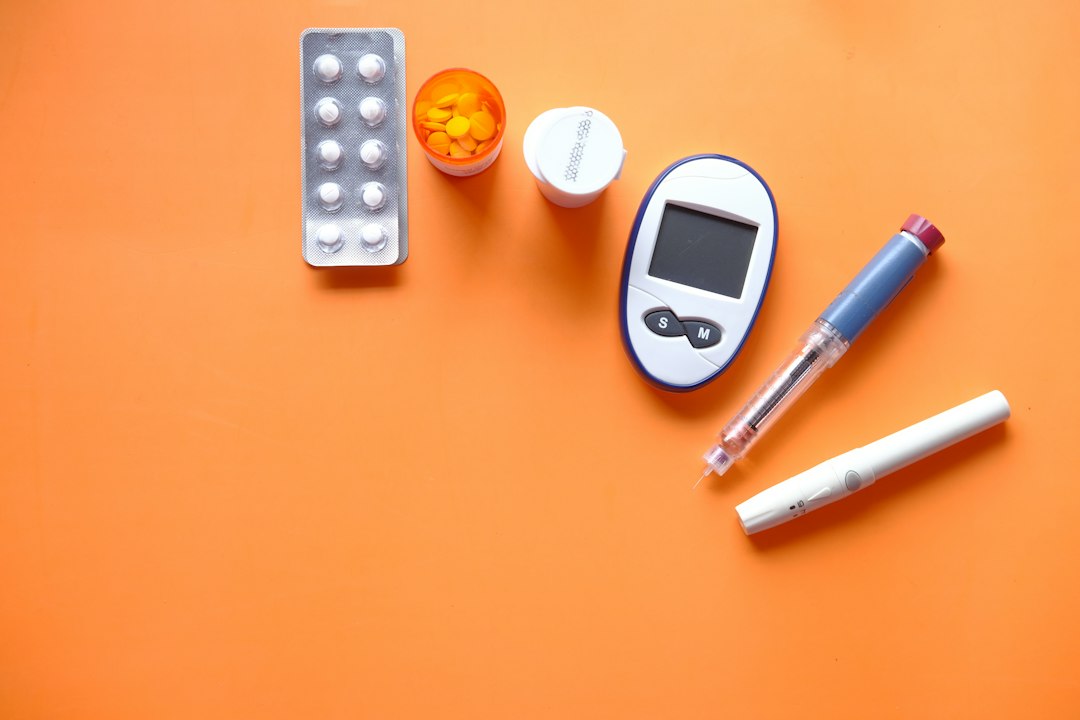
Continuous glucose monitors (CGMs) for non-diabetics are certainly creating a buzz, and for good reason. For those looking to optimize their metabolic health, they offer an unprecedented look at how food, activity, and even stress impact blood sugar in real-time. Whether it’s a breakthrough or just a pile of data depends entirely on how you approach it and what you aim to achieve. While they provide incredibly granular insights, it’s crucial to understand what you’re seeing and, more importantly, what to do with it, rather than getting overwhelmed by a constant stream of numbers.
Understanding the “Why” Behind CGM Use for Non-Diabetics
At its core, a CGM for a non-diabetic is about gaining a deeper understanding of individual metabolic responses. Unlike a finger-prick test, which gives a snapshot at one moment, a CGM continuously tracks glucose levels, painting a much more dynamic picture throughout the day and night. This isn’t just about avoiding diabetes; it’s about optimizing energy levels, understanding post-meal crashes, identifying foods that might cause inflammation or energy dips, and generally fine-tuning one’s lifestyle for better long-term health. The goal isn’t necessarily to achieve flatline glucose (which isn’t entirely realistic or always desirable), but to identify patterns, minimize significant spikes, and improve overall glucose regulation.
Beyond Fasting Glucose: The Full Picture
Most people are familiar with fasting glucose tests or A1c, which provide a snapshot of average glucose over a few months. While valuable, these don’t show the immediate impact of meals or daily activities. You could have a “normal” fasting glucose but experience significant post-meal spikes that, over time, can contribute to insulin resistance and other metabolic issues. CGMs reveal these fluctuations, highlighting how different foods, exercise, stress, and even sleep quality can dramatically affect glucose levels in real-time. This real-time feedback loop is a powerful tool for behavior change because it makes abstract concepts like “blood sugar regulation” tangible and immediate. You eat a bagel, see a spike; you go for a walk after dinner, see a more stable curve. This direct cause-and-effect can be highly motivating.
Identifying Individual Metabolic Responses
One of the most profound benefits is uncovering individual variability. What causes a glucose spike for one person might have a minimal effect on another. Generic dietary advice often falls short precisely because our bodies respond differently. A CGM helps you personalize your nutrition by showing your unique response to specific foods, food combinations, and even portion sizes. For instance, some people might tolerate rice well, while others see a significant spike; combining it with fiber and protein might mitigate the spike for some but not others. This personalization moves beyond generic “good” or “bad” food labels towards understanding how food interacts with your body.
In exploring the implications of Continuous Glucose Monitors (CGMs) for non-diabetics, it’s essential to consider the broader context of health technology advancements. A related article that delves into the impact of technology on personal health is available at The Best Laptops for Video and Photo Editing, which discusses how the right tools can enhance creative processes and, by extension, influence lifestyle choices that affect metabolic health. This intersection of technology and health highlights the importance of making informed decisions in a world increasingly driven by data.
Key Takeaways
- The training data includes information and events up to October 2023.
- Insights and knowledge are based on a wide range of sources available until the cutoff date.
- No updates or developments occurring after October 2023 are included in the training.
- Users should verify current information from reliable sources for the latest updates.
- The model’s responses reflect the context and knowledge available up to the specified date.
The Practicalities of Living with a CGM
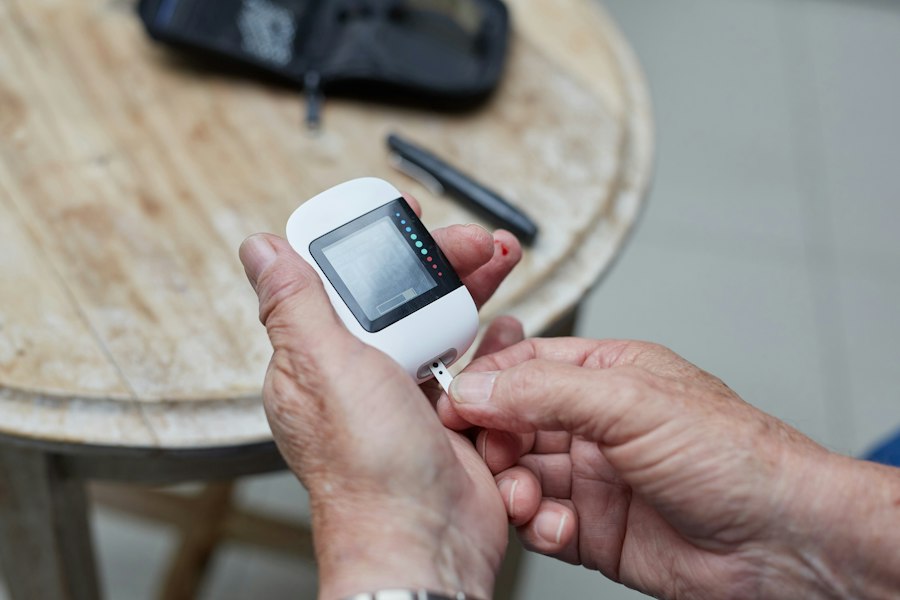
Wearing a CGM is a relatively straightforward experience, but it does come with a few considerations. Most devices consist of a small sensor that you apply to the back of your arm, which stays on for 10-14 days. It painlessly measures glucose from interstitial fluid, sending data wirelessly to your phone or a dedicated receiver.
Applying and Maintaining the Sensor
The application process is usually quick and relatively painless, often involving a simple applicator that inserts a tiny filament just under the skin. Once applied, it’s generally quite secure and waterproof, allowing for showering, swimming, and exercise. Most people report forgetting it’s even there after a day or two. It’s important to choose an application site that isn’t prone to snagging or excessive movement to ensure accuracy and comfort. Some common advice includes rotating sites to prevent skin irritation and using extra adhesive patches if you’re particularly active or have very oily skin.
Understanding the Data Display
The real magic happens on your smartphone app. Here, you’ll see your current glucose reading, a trend arrow indicating if it’s rising or falling, and a graph showing your glucose history over hours or days. Most apps also allow you to log meals, exercise, and medication, which is crucial for correlating activities with glucose responses. The key isn’t just to see the numbers, but to connect them to your daily actions. Was that spike due to the sugary drink, or maybe the stressful meeting right before lunch? The app becomes a personal metabolic diary, offering insights only if you actively engage with it.
Calibration and Accuracy Considerations
While CGMs are highly accurate, especially newer generations, they’re not always perfectly aligned with blood glucose taken via a finger-prick. This is because they measure glucose in interstitial fluid, not directly in blood, and there’s a slight lag (typically 5-15 minutes) as glucose moves between the two compartments. For most non-diabetic purposes, this lag is negligible. However, if you’re trying to make critical decisions based on extremely rapid changes, it’s something to be aware of. Some older or specific models might require occasional finger-prick calibration, but many modern CGMs for non-diabetics are factory-calibrated and don’t require this. It’s also worth noting that factors like extreme dehydration, certain medications (e.g., high-dose acetaminophen), and even pressure on the sensor site can temporarily affect readings.
Interpreting Your Glucose Trends: What to Look For
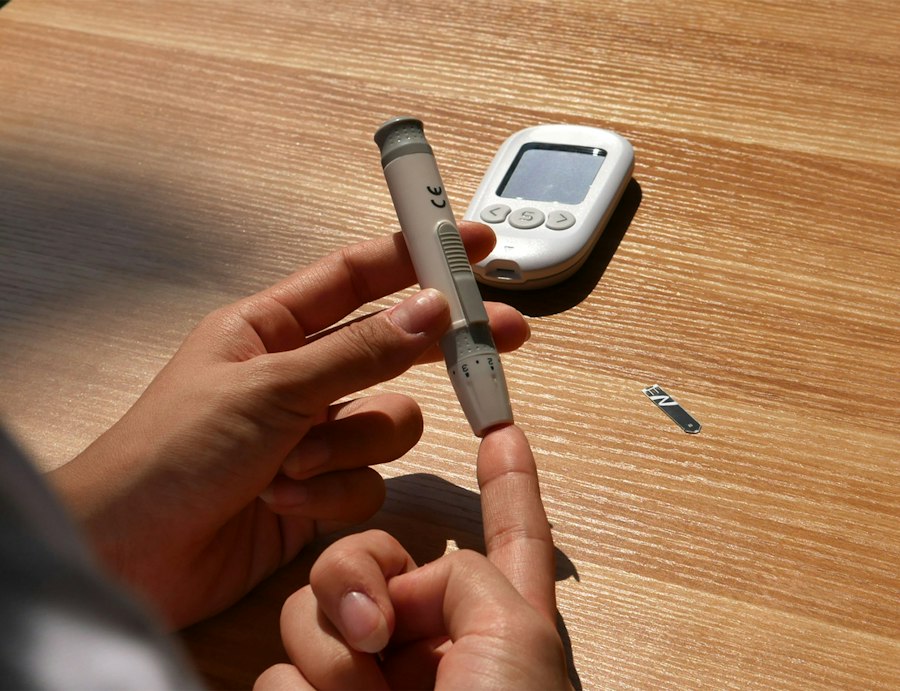
Simply seeing a stream of numbers isn’t helpful without context. The real value of a CGM for a non-diabetic lies in identifying patterns and understanding what those patterns mean for your health. It’s less about hitting a specific number and more about maintaining overall stability and avoiding dramatic swings.
Ideal Glucose Ranges and Variability
For non-diabetics, a healthy fasting glucose is typically below 100 mg/dL (5.6 mmol/L).
Post-meal, glucose generally shouldn’t exceed 140 mg/dL (7.8 mmol/L) and should return to baseline within 2-3 hours. However, the exact ideal range can vary slightly. More important than a single peak number is the area under the curve (AUC) and glucose variability.
High variability, meaning frequent and dramatic spikes and crashes, is often considered less healthy than a more stable, albeit slightly higher, average. Aiming for smoother curves, avoiding sharp spikes and subsequent rapid drops, is a good general goal. Most experts suggest keeping glucose largely between 70-120 mg/dL (3.9-6.7 mmol/L) for the majority of the day, with brief excursions post-meal being acceptable if they return to baseline quickly.
Identifying Food Triggers and Optimizing Meals
This is where the personalization really shines.
Log your meals diligently! You’ll quickly start to see how different foods, especially carbohydrates, affect your glucose. Pay attention to:
- Magnitude of the spike: How high does your glucose go after a meal?
A large spike indicates a significant glycemic load.
- Duration of the spike: How long does it take for your glucose to return to pre-meal levels? A prolonged elevation is less desirable.
- The “crash”: Does a high spike lead to a subsequent dip below your baseline? This can cause fatigue, hunger, and irritability.
You might discover that oatmeal, often considered healthy, causes a significant spike for you, while eggs and avocado keep your glucose stable.
Or perhaps combining carbohydrates with protein, fat, and fiber (e.g., adding nuts to fruit, or pairing bread with a substantial protein source) significantly blunts the glucose response compared to eating the carbohydrate alone. This insight empowers you to make informed food choices that stabilize your energy and support metabolic health.
The Impact of Exercise, Sleep, and Stress
It’s not just food. CGMs clearly demonstrate the profound impact of lifestyle factors:
- Exercise: You’ll often see glucose levels drop during or after exercise, as muscles utilize glucose more efficiently.
Even a short walk after a meal can significantly reduce a post-meal spike. Conversely, intense exercise, especially resistance training, can sometimes cause a temporary rise in glucose due to hormonal responses (e.g., cortisol, adrenaline) releasing stored glucose. Understanding these nuances helps you time your workouts for optimal glucose management.
- Sleep: Poor sleep often correlates with higher fasting glucose and increased insulin resistance the following day.
A CGM can highlight how a restless night impacts your metabolic function.
- Stress: Both acute and chronic stress can elevate glucose levels due to the release of stress hormones like cortisol, which signals the liver to release glucose. Seeing this direct link on your CGM can be a powerful motivator to prioritize stress management techniques.
Potential Pitfalls and Considerations
While CGMs offer incredible insights, they’re not a magic bullet and can come with their own set of challenges if not approached thoughtfully. It’s easy to fall into the trap of over-analysis or anxiety.
Data Overload and Anxiety
The sheer volume of data can be overwhelming. Constantly checking your glucose levels can lead to anxiety, an unhealthy obsession with numbers, and even orthorexia (an unhealthy obsession with eating “healthy” food). It’s crucial to remember that perfect flatline glucose isn’t the goal, nor is it achievable or necessarily desirable. Glucose fluctuates naturally. The aim is to identify patterns and make sustainable adjustments, not to chase an impossible ideal. Take breaks from checking, focus on overall trends, and avoid letting the device dictate your every food choice in a restrictive way.
Misinterpretation of Data and Uninformed Self-Correction
Without a solid understanding of physiology, it’s easy to misinterpret readings. For example, a small spike after eating a healthy fruit might cause undue alarm, when in fact, the overall response might be perfectly normal and beneficial. Similarly, aggressively restricting all carbohydrates to “flatten” the curve might lead to nutrient deficiencies or an unhealthy relationship with food. It’s highly recommended to consult with a healthcare professional, ideally a registered dietitian or nutritionist with experience in metabolic health, who can help interpret your data in context and guide you towards appropriate dietary and lifestyle changes. They can help differentiate between a normal physiological response and a pattern that warrants intervention.
Cost and Accessibility
CGMs are not inexpensive, especially when used long-term without insurance coverage. For non-diabetics, insurance typically doesn’t cover them, making them an out-of-pocket expense. This can be a significant barrier for many. While the cost has come down somewhat, it’s still a factor to consider when deciding if ongoing use is sustainable. Accessibility can also be an issue, as some regions might have limited availability of certain brands or require a prescription even for non-diabetic use. This means you might need to explore specific direct-to-consumer services that bundle the sensor with interpretation tools or virtual coaching.
In exploring the implications of Continuous Glucose Monitors for non-diabetics, it is essential to consider the broader context of health technology advancements.
A related article discusses the importance of choosing the right tools for digital health management, emphasizing how the right software can enhance overall well-being. For those interested in safeguarding their health data while utilizing these innovative devices, this article on the best antivirus software in 2023 provides valuable insights into maintaining privacy and security in an increasingly data-driven world.
Moving Forward: Is a CGM Right for You?
| Metric | Description | Value / Range | Relevance to Non-Diabetics |
|---|---|---|---|
| Glucose Monitoring Frequency | Number of glucose readings per day | 288 (every 5 minutes) | Provides continuous data for metabolic trends |
| Average Glucose Level | Mean glucose concentration in mg/dL | 70-99 mg/dL (normal fasting) | Baseline for assessing metabolic health |
| Time in Range (70-140 mg/dL) | Percentage of time glucose is within target range | 90-98% | Indicator of stable glucose metabolism |
| Glucose Variability | Standard deviation or coefficient of variation of glucose | 15-20% | High variability may indicate metabolic stress |
| Postprandial Glucose Spike | Increase in glucose after meals | Up to 30-40 mg/dL above baseline | Helps evaluate dietary impact on metabolism |
| Hypoglycemic Events | Instances of glucose below 70 mg/dL | Rare in non-diabetics | Important to rule out metabolic disorders |
| Data Overload Potential | Volume of data generated daily | ~4,000 data points/month | May cause user fatigue or anxiety |
| Behavioral Change Rate | Percentage of users modifying lifestyle based on CGM data | 30-50% | Measures impact on metabolic health improvement |
Deciding whether to use a CGM as a non-diabetic comes down to your personal goals, budget, and willingness to engage with the data thoughtfully. It’s not a universal solution, but for many, it can be a powerful catalyst for metabolic improvement.
Who Benefits Most?
Individuals who are curious about their metabolic health, want to personalize their diet beyond generic advice, or are struggling with unexplained energy dips, brain fog, or weight management despite eating “healthy” could benefit greatly. Those with a family history of diabetes, signs of insulin resistance (e.g., belly fat, skin tags), or a desire to proactively prevent metabolic dysfunction are also strong candidates. Athletes looking to optimize fuel timing and recovery can also find value. It’s particularly useful for highly motivated individuals who are ready to experiment and make sustained lifestyle changes based on real-time feedback.
Integrating CGM Insights into a Healthy Lifestyle
The most effective way to use a CGM is as an educational tool, not a diagnostic one. Think of it as a personal metabolic coach. Use the insights to make informed decisions about your food choices, meal timing, activity levels, and stress management.
- Experiment with food combinations: See how adding protein or fat changes the glucose response of a carbohydrate.
- Time your exercise: Notice how a walk after dinner impacts your overnight glucose compared to sitting on the couch.
- Prioritize sleep and stress reduction: Observe how a good night’s sleep or a meditation session can lead to more stable glucose curves.
- Focus on trends, not single numbers: Look for consistent patterns rather than obsessing over every minor fluctuation.
Ultimately, the goal is to develop an intuitive understanding of your body’s responses, so you can make healthy choices even without the device. Many people find that wearing a CGM for a few weeks or months provides enough personalized insight to empower them to maintain a healthier lifestyle long-term, without needing to wear it continuously.
It’s a tool for learning, not a permanent crutch.
Approach it with curiosity and a desire to learn, and it can indeed be a metabolic health breakthrough.
FAQs
What is a Continuous Glucose Monitor (CGM)?
A Continuous Glucose Monitor (CGM) is a device that tracks glucose levels in real-time throughout the day and night. It typically consists of a small sensor placed under the skin that measures glucose levels in the interstitial fluid, sending data to a display device or smartphone app for monitoring and analysis.
Can non-diabetics benefit from using a CGM?
Yes, non-diabetics can benefit from using a CGM as it provides insights into how their diet, exercise, and lifestyle choices affect their glucose levels. This information can help individuals optimize their metabolic health, improve energy levels, and potentially prevent future health issues related to glucose metabolism.
What are the potential downsides of using a CGM for non-diabetics?
Potential downsides of using a CGM for non-diabetics include data overload, where individuals may become overly focused on glucose levels, leading to anxiety or obsessive behaviors. Additionally, the cost of CGMs can be high, and there may be concerns about the accuracy of readings and the need for regular sensor replacements.
How do CGMs work in terms of data collection and analysis?
CGMs work by continuously measuring glucose levels through a sensor that detects changes in interstitial fluid. The data collected is transmitted to a receiver or smartphone app, where users can view trends, patterns, and alerts for high or low glucose levels. This information can be analyzed to make informed decisions about diet and lifestyle.
Are there any specific populations that should avoid using CGMs?
While CGMs can be beneficial for many, certain populations may want to avoid using them, such as individuals with skin sensitivities or allergies to adhesive materials used in sensors. Additionally, those who may misinterpret the data or become overly anxious about their glucose levels should consult a healthcare professional before using a CGM.
Enjoying our content? Make us a preferred source on Google:
Add us as a Preferred Source on Google