

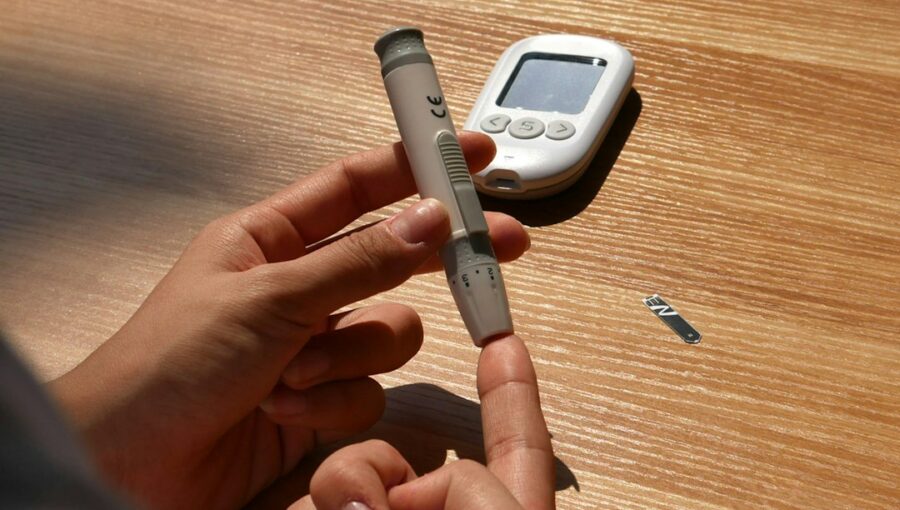
Continuous Glucose Monitoring (CGM) isn’t just for managing diabetes anymore. Increasingly, it’s becoming a valuable tool for anyone interested in understanding their body’s metabolic health and taking proactive steps toward preventive care. Think of it as getting a real-time report on how your diet and lifestyle choices are impacting your blood sugar, even if you don’t have a diabetes diagnosis. This can offer crucial insights into optimizing your energy levels, managing weight, and potentially even preventing the development of chronic diseases down the line.
Understanding Your Metabolic Health
Our metabolism is essentially the sum of all chemical processes that keep us alive. A key player in this is how our bodies handle glucose, or blood sugar, which comes primarily from the food we eat. When we eat, our blood sugar rises, and our pancreas releases insulin to help our cells absorb that glucose for energy. What’s often overlooked, however, is that even in individuals without diabetes, blood sugar responses can vary wildly based on genetics, activity levels, stress, and specific food combinations. These fluctuations, even if they stay within a “normal” range on a single fasting blood test, can provide valuable clues about our overall metabolic health.
The Role of Glucose in Energy and Health
Glucose is our body’s primary fuel source. Every cell in your body needs glucose to function, from your brain to your muscles. However, consistently high or wildly fluctuating glucose levels can put a strain on your system. Over time, this can lead to insulin resistance, where your cells become less responsive to insulin, requiring your pancreas to work harder. This is a slippery slope that can eventually lead to prediabetes and type 2 diabetes. But it’s not just about diabetes; metabolic dysfunction is linked to a host of other health issues including heart disease, certain cancers, cognitive decline, and even fertility problems.
Beyond the Fasting Blood Glucose Test
Traditionally, metabolic health has been assessed with a fasting blood glucose test or an A1C test. While these are useful snapshots, they don’t tell the whole story. A fasting glucose test only shows your blood sugar at one specific moment, after a period of not eating. It doesn’t capture how your body responds to a meal, how quickly your blood sugar returns to normal, or what happens overnight. The A1C test gives an average of your blood sugar over the past two to three months, which is helpful, but it also misses the dynamic ups and downs – those peaks and valleys that can be so informative. CGM fills this gap by providing a continuous stream of data, giving you a much more detailed and nuanced picture of your glucose responses throughout the day and night.
In the realm of preventive care, the advancements in Continuous Glucose Monitoring (CGM) technology are not only beneficial for diabetes management but also for broader metabolic tracking. A related article that explores innovative retail strategies, such as BOPIS (Buy Online, Pick Up In Store), highlights how technology is transforming consumer experiences and can draw parallels to the integration of CGM in health monitoring. For more insights on this topic, you can read the article here: What is BOPIS and How Does it Work?.
Key Takeaways
- The training data includes information and events up to October 2023.
- Insights and knowledge are based on a wide range of sources available until the cutoff date.
- No updates or developments occurring after October 2023 are included in the training.
- Users should verify current information from reliable sources for the latest updates.
- The model’s responses reflect the context and knowledge available up to the specified date.
How CGM Works for Non-Diabetics
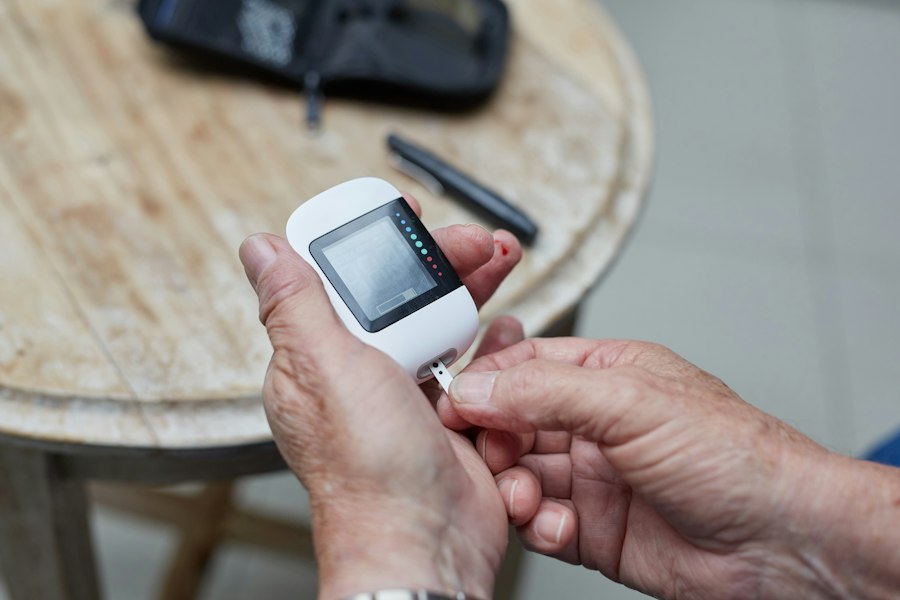
For those without diabetes, CGM offers a unique window into their body’s internal workings. It’s not about diagnosing a disease but about gaining actionable insights into how diet, exercise, stress, and sleep influence blood sugar patterns in real-time.
The Technology Behind the Sensor
A Continuous Glucose Monitor typically consists of a small sensor that you wear on your arm or abdomen. This sensor has a tiny filament that sits just under your skin, measuring glucose levels in the interstitial fluid (the fluid that surrounds your cells). The sensor takes a reading every few minutes and transmits this data wirelessly to a receiver, a smartphone app, or a dedicated device. You can then see your glucose levels in real-time, along with trends and graphs. Most sensors are worn for 10-14 days before needing to be replaced. It’s generally a painless application, and once it’s on, most people forget it’s even there.
Interpreting Your Glucose Trends
The real power of CGM for preventive care lies in interpreting the trends, not just individual numbers. You’ll start to see patterns. For example, how does your blood sugar react after a bowl of oatmeal versus a protein-rich breakfast? Do certain snacks cause a big spike and then a crash? How does a brisk walk after dinner affect your post-meal glucose? You might notice that stress sends your blood sugar up even without eating, or that a poor night’s sleep makes you more sensitive to carbs the next day. These are the kinds of personalized insights that traditional tests simply cannot provide. The goal isn’t necessarily to keep your glucose perfectly flat all the time – some fluctuation is normal – but rather to understand what causes significant spikes and crashes and to identify strategies to smooth them out.
The Difference Between Diabetics and Non-Diabetics
While the technology is the same, the application differs. For someone with diabetes, CGM is crucial for medication adjustments, preventing hypoglycemic (low blood sugar) episodes, and ensuring glucose levels stay within therapeutic targets to prevent complications. For someone without diabetes, the focus shifts to optimization and prevention. It’s about identifying sub-optimal responses that, while not immediately dangerous, could contribute to long-term health issues. It’s also about finding the “sweet spot” for energy levels, exercise performance, and cognitive function.
The acceptable range for glucose fluctuations will also generally be tighter and less extreme for a non-diabetic individual seeking optimal metabolic health.
Practical Applications for Health and Wellness
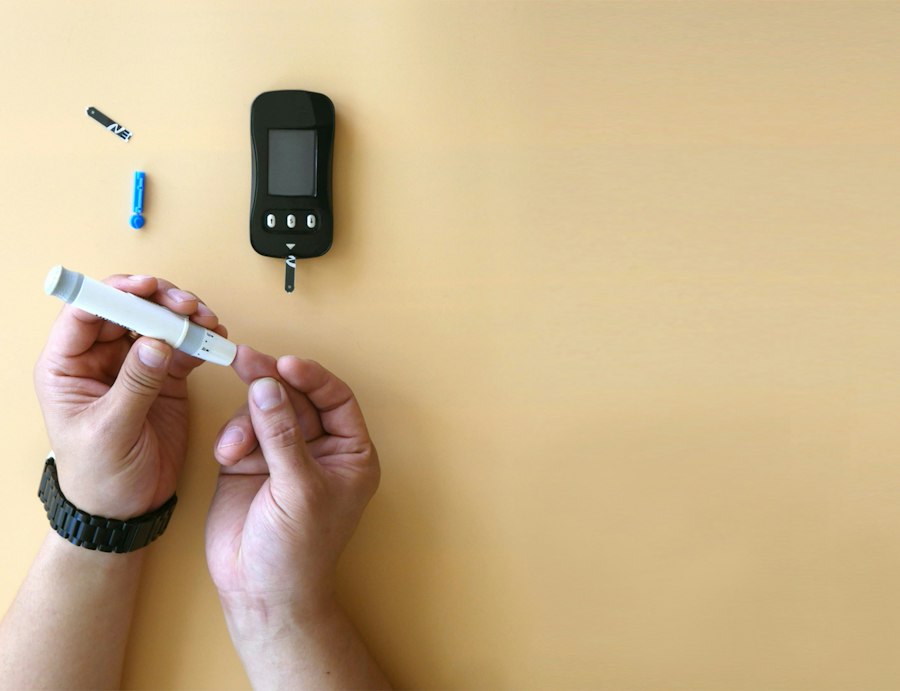
Beyond disease management, CGM offers a wealth of practical applications for everyday health and wellness goals. It transforms abstract dietary advice into concrete, personalized feedback.
Optimizing Diet and Nutrition
This is perhaps the most immediate and impactful application. You might read that whole grains are good for you, but how does your body react to that specific whole-grain bread?
CGM removes the guesswork. You can test different foods and food combinations to see what works best for you.
- Meal Timing and Composition: You might discover that eating your carbs after your protein and fat leads to a smaller glucose spike. Or that a late-night snack, even a healthy one, impacts your morning fasting glucose.
- Identifying “Problem” Foods: Foods that are generally considered healthy for some might cause a significant spike for you due to your individual physiology. For example, some people have a much stronger glucose response to bananas than others.
- Snack Choices: Seeing how different snacks affect your blood sugar can help you choose options that provide sustained energy rather than a quick surge followed by a slump.
Enhancing Exercise Performance and Recovery
Glucose is fuel for your muscles.
Understanding how your body utilizes and replenishes that fuel can be a game-changer for athletes or anyone looking to maximize their workouts.
- Pre-Workout Fueling: Experiment with different pre-workout meals or snacks to find what gives you stable energy without a mid-workout crash.
- During Exercise: Monitor glucose levels during prolonged exercise to understand when you might need to refuel to avoid “hitting the wall.”
- Post-Workout Recovery: See how different recovery meals help replenish glycogen stores and stabilize blood sugar after intense activity. You might find that a combination of protein and carbs works best to bring your levels back to baseline efficiently.
Managing Weight and Energy Levels
Blood sugar swings often go hand-in-hand with energy dips and cravings. By smoothing out these fluctuations, CGM can indirectly support weight management and improve overall energy.
- Reducing Cravings: Large glucose spikes followed by crashes often trigger hunger and cravings for more sugary or carb-rich foods.
By identifying and mitigating these spikes, you can reduce these cravings naturally.
- Sustained Energy: Stable blood sugar translates to more consistent energy throughout the day, avoiding the dreaded 3 PM slump. This can also lead to more productive workouts and better focus.
- Understanding Fat Storage: While complex, repeated large glucose spikes and subsequent insulin surges can make it harder for your body to access fat stores for energy and can promote fat storage. CGM can help identify dietary patterns that contribute to this.
Stress and Sleep Insights
It’s not just food and exercise. CGM can highlight the profound impact of stress and sleep on your metabolic health.
- Stress Response: You might notice your blood sugar elevate during periods of high stress, even without eating.
This is due to stress hormones like cortisol. Recognizing this can be a powerful motivator for stress management techniques.
- Sleep Quality: Poor sleep can impair insulin sensitivity, leading to higher glucose levels the following day. CGM can reveal this connection, encouraging better sleep hygiene.
Conversely, improving sleep can positively impact glucose regulation.
Considerations Before Starting CGM
While CGM offers incredible benefits, it’s not without its considerations. It’s important to approach it with a clear understanding of what it can and cannot do, and how to best integrate it into your health routine.
Cost and Accessibility
Currently, CGM devices are primarily covered by insurance for individuals with diagnosed diabetes. For those without diabetes, it typically means out-of-pocket expenses. Prices can vary depending on the device and whether you purchase through a direct-to-consumer platform or with a doctor’s prescription. It’s worth researching the costs involved and considering if the investment aligns with your health goals and budget. As awareness grows, accessibility and affordability may improve for the general wellness market.
Potential for Data Overload and Anxiety
Having constant data about your body can be empowering, but it can also be overwhelming. It’s easy to get caught up in every single number and develop anxiety around food or normal physiological fluctuations. It’s crucial to remember that perfect flatness isn’t the goal, and some variability is completely normal and healthy. The aim is to understand general trends and identify actionable patterns, not to obsess over every minute-to-minute reading. Approaching CGM with a mindset of curiosity and learning, rather than rigid control, is key.
Need for Professional Guidance (Optional but Recommended)
While many direct-to-consumer CGM services offer their own platforms and educational content, consulting with a healthcare professional can be highly beneficial. A doctor, registered dietitian, or health coach experienced in CGM interpretation can help you:
- Set Realistic Goals: Understand what healthy glucose responses look like for someone without diabetes.
- Interpret Complex Patterns: Help you make sense of the data and identify correlations you might miss.
- Develop Personalized Strategies: Translate insights into practical, sustainable dietary and lifestyle changes.
- Avoid Misinterpretations: Distinguish between normal variations and signals that might warrant further investigation.
Not a Diagnostic Tool
It’s vital to remember that for non-diabetics, CGM is a monitoring and optimization tool, not a diagnostic one. While it can flag concerning patterns that might suggest prediabetes or insulin resistance, any formal diagnosis must come from traditional blood tests ordered and interpreted by a medical doctor. If CGM data reveals consistently elevated fasting glucose or frequent, significant spikes, it’s a clear signal to discuss these findings with your physician.
In exploring the advancements in health technology, the article on Continuous Glucose Monitoring Beyond Diabetes: Metabolic Tracking for Preventive Care highlights the potential of glucose monitoring systems to revolutionize preventive healthcare. This innovative approach not only aids those with diabetes but also offers insights into overall metabolic health, paving the way for personalized wellness strategies. For those interested in cutting-edge technology, a related piece discusses the transformative features of the Samsung Galaxy Z Fold4, which can enhance the user experience in health tracking applications. You can read more about it here.
The Future of Preventive Health with CGM
| Metric | Description | Typical Range | Relevance to Preventive Care |
|---|---|---|---|
| Glucose Variability | Fluctuations in blood glucose levels over time | 10-40 mg/dL standard deviation | High variability linked to increased risk of metabolic syndrome |
| Time in Range (70-140 mg/dL) | Percentage of time glucose levels stay within target range | 70-90% | Higher time in range indicates better metabolic health |
| Postprandial Glucose Excursions | Glucose spikes after meals | Less than 30 mg/dL increase from baseline | Excessive spikes may indicate insulin resistance |
| Fasting Glucose Trends | Glucose levels measured after overnight fast | 70-100 mg/dL | Elevated fasting glucose can signal prediabetes risk |
| Glucose Response to Exercise | Changes in glucose levels during and after physical activity | Variable; typically mild decrease | Helps tailor exercise plans for metabolic improvement |
| Hypoglycemic Events | Episodes of glucose dropping below 70 mg/dL | 0-2 events per week | Frequent events may indicate metabolic dysregulation |
The adoption of CGM for metabolic tracking in the general population is still relatively new, but its potential to transform preventive healthcare is immense. We’re moving towards a more personalized, proactive approach to health.
Personalized Nutrition and Lifestyle Recommendations
Imagine a future where your dietary advice isn’t just generic guidelines but specifically tailored to your unique metabolic response. CGM makes this possible. Instead of guessing, you’ll know exactly how your body reacts to different foods, exercises, and even stress levels. This level of personalization can lead to much more effective and sustainable health interventions. It moves beyond “one size fits all” to truly individualized wellness plans.
Early Detection of Metabolic Dysfunction
CGM has the potential to identify subtle signs of metabolic dysfunction long before they manifest as diagnosable conditions like prediabetes or type 2 diabetes. By catching these trends early, individuals can make timely lifestyle adjustments, potentially reversing course and preventing the onset of chronic disease. This proactive approach could significantly reduce the burden of metabolic diseases on healthcare systems and improve quality of life for millions.
Integration with Other Health Technologies
We’re already seeing CGM data integrate with fitness trackers, smart scales, and other health apps. In the future, this integration will become even more seamless, providing a holistic view of an individual’s health. AI and machine learning could play a significant role in analyzing these vast datasets, identifying complex patterns, and providing highly predictive and prescriptive health recommendations. Imagine an app that not only tells you your blood sugar is rising but also suggests specific meal tweaks or a short walk to mitigate the spike, all based on your historical data and physiological responses.
A Shift Towards Proactive Health Management
Ultimately, the broader use of CGM signifies a cultural shift from reactive medicine (treating illness after it occurs) to proactive health management. Empowering individuals with real-time data about their own bodies fosters a deeper understanding and sense of agency over their health. It encourages experimentation, learning, and the adoption of healthier habits driven by direct feedback rather than abstract advice. This shift can lead to a more engaged and healthier population, equipped with the knowledge to make informed decisions for long-term well-being.
FAQs
What is continuous glucose monitoring (CGM) and how does it work?
Continuous glucose monitoring (CGM) is a method of tracking glucose levels in real-time throughout the day and night. A small sensor is inserted under the skin to measure glucose levels in the interstitial fluid. The sensor sends this data to a receiver or smartphone, providing continuous updates on glucose levels.
Can continuous glucose monitoring be used for preventive care beyond diabetes management?
Yes, continuous glucose monitoring can be utilized for preventive care beyond diabetes management. By tracking glucose levels continuously, individuals can gain insights into how their diet, exercise, and lifestyle choices impact their metabolism. This data can help in making informed decisions to maintain overall health and prevent metabolic disorders.
What are the potential benefits of using continuous glucose monitoring for preventive care?
Some potential benefits of using continuous glucose monitoring for preventive care include early detection of metabolic issues, personalized insights into how food and activities affect blood sugar levels, optimization of nutrition and exercise routines, and overall improvement in metabolic health.
Is continuous glucose monitoring suitable for individuals without diabetes or specific metabolic disorders?
Yes, continuous glucose monitoring can be beneficial for individuals without diabetes or specific metabolic disorders. It can provide valuable information about how the body responds to different foods, activities, and stressors, helping individuals make proactive choices to maintain optimal health and prevent future metabolic issues.
How can continuous glucose monitoring contribute to personalized preventive care plans?
Continuous glucose monitoring can contribute to personalized preventive care plans by offering real-time data on how an individual’s body responds to various factors. This information can be used to tailor nutrition, exercise, and lifestyle recommendations to suit the individual’s unique metabolic profile, ultimately supporting preventive health measures.
Enjoying our content? Make us a preferred source on Google:
Add us as a Preferred Source on Google