

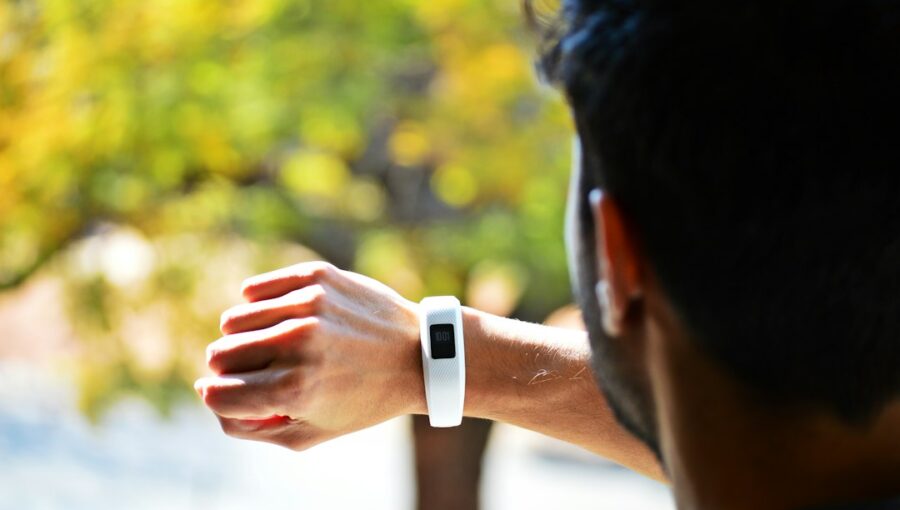
Why Continuous Cortisol Tracking Matters
For anyone grappling with chronic stress or concerns about adrenal health, the idea of continuously tracking cortisol levels isn’t just a futuristic pipe dream anymore; it’s becoming a practical reality. Instead of relying on a one-off blood test that gives you a snapshot of your cortisol at a single moment, or even saliva tests that offer a few data points throughout the day, continuous cortisol tracking wearables aim to provide a much richer, real-time picture of your body’s stress response. This ongoing data can be incredibly valuable for understanding patterns, identifying triggers, and assessing the effectiveness of interventions – something traditional methods simply can’t offer.
In exploring the advancements in health technology, a related article that highlights the capabilities of modern devices is found at this link: The iPhone 14 Pro: Experience the Power of Pro. This article discusses how the latest smartphone innovations can complement continuous cortisol tracking wearables, enhancing our understanding of chronic stress and adrenal health through improved data collection and user experience. By integrating such technologies, individuals can gain deeper insights into their physiological responses and overall well-being.
Key Takeaways
- The training data includes information and events up to October 2023.
- Insights and knowledge are based on a wide range of sources available until the cutoff date.
- No updates or developments occurring after October 2023 are included in the training.
- Users should verify current information for accuracy beyond the training period.
- The model’s responses reflect the context and knowledge available up to the specified date.
The Science Behind Cortisol Tracking Wearables
Understanding how these wearables work requires a quick dive into the biology of cortisol and the technologies attempting to measure it from outside the body. Cortisol, often dubbed the “stress hormone,” is released by your adrenal glands in response to stress. It follows a diurnal rhythm, typically peaking in the morning and gradually declining throughout the day. Chronic stress can disrupt this rhythm, leading to either consistently high, consistently low, or erratic cortisol levels, all of which can contribute to various health issues.
How Cortisol is Currently Measured
Before we look at the future, let’s acknowledge the present. Traditional cortisol measurement largely relies on:
- Blood tests: These provide a precise measurement at the time of the draw but are invasive, stressful for some, and offer only a single data point.
- Saliva tests: Less invasive, these can be done at home and provide several data points throughout the day (e.g., morning, noon, evening, night). This offers a better look at the diurnal rhythm than a single blood test but is still episodic.
- Urine tests (24-hour collection): These capture total cortisol output over a full day, giving an aggregate picture but no temporal resolution on fluctuations.
- Hair strand analysis: This can indicate long-term cortisol exposure (over weeks to months) but doesn’t show daily variations or immediate responses.
Emerging Wearable Technologies
The goal of wearables is to move beyond these episodic measurements to continuous, or at least very frequent, monitoring. This is where things get interesting and complex.
Sweat-Based Biosensors
One of the most promising avenues for continuous cortisol tracking is through sweat. Cortisol is present in sweat, albeit at much lower concentrations than in blood, and its levels in sweat tend to correlate with those in blood.
- Microfluidic patches: These devices adhere to the skin and collect small amounts of sweat. They often incorporate tiny channels and reservoirs to direct sweat to electrochemical sensors. These sensors are designed to detect specific molecules, including cortisol. The challenge here is obtaining a consistent, uncontaminated sweat sample and ensuring the sensor’s sensitivity and specificity are high enough to accurately measure the low concentrations of cortisol.
- Electrochemical detection: Within these patches, the core technology often involves an electrochemical sensor. This sensor typically consists of an electrode modified with a recognition element (like an antibody or an aptamer) that selectively binds to cortisol. When cortisol binds, it causes a change in electrical current or potential, which can then be measured and correlated to cortisol concentration.
- Challenges with sweat analysis: Sweat rate varies significantly between individuals and based on activity levels, temperature, and hydration. This variability can dilute or concentrate analytes, making accurate, real-time quantification difficult. Contamination from skin microbes or external substances is another concern.
Other Potential Biosignals
While sweat is currently the front-runner for direct cortisol measurement, researchers are exploring other avenues:
- Transdermal sensing: Attempts are being made to directly measure substances through the skin without drawing blood or sweat. This is extremely challenging due to the skin’s barrier function.
- Optical sensors: Some research explores using light-based methods to detect biochemical changes associated with cortisol, possibly through changes in tissue optical properties, though this is largely in early experimental stages for direct cortisol detection.
- Indirect physiological markers: While not directly measuring cortisol, many existing wearables track physiological indicators that are influenced by cortisol and the stress response. These include heart rate variability (HRV), skin conductance (electrodermal activity), skin temperature, and sleep patterns. While these don’t give you a cortisol number, they can infer stress levels and offer valuable context. The challenge is differentiating stress from other physiological demands (like exercise) and linking these markers directly to cortisol fluctuations.
Data Acquisition and Processing
Regardless of the sensing method, a crucial part of these wearables is the ability to acquire, process, and transmit data.
- Miniaturized electronics: The sensors and associated circuitry need to be small, lightweight, and low-power to be worn comfortably for extended periods.
- Wireless connectivity: Bluetooth Low Energy (BLE) is commonly used to transmit data from the wearable to a smartphone or other hub.
- On-board processing: Some wearables might perform initial signal processing and calibration on the device itself before transmitting raw or partially processed data.
- Algorithm development: This is where the raw sensor data is converted into meaningful cortisol readings. Sophisticated algorithms are needed to compensate for individual differences, environmental factors, and sensor drift. Machine learning plays a significant role here in improving accuracy over time.
The development in this field is rapid, with many academic labs and startups working on refining these technologies to bring truly accurate and reliable continuous cortisol monitoring to the consumer market.
Practical Applications for Stress Management
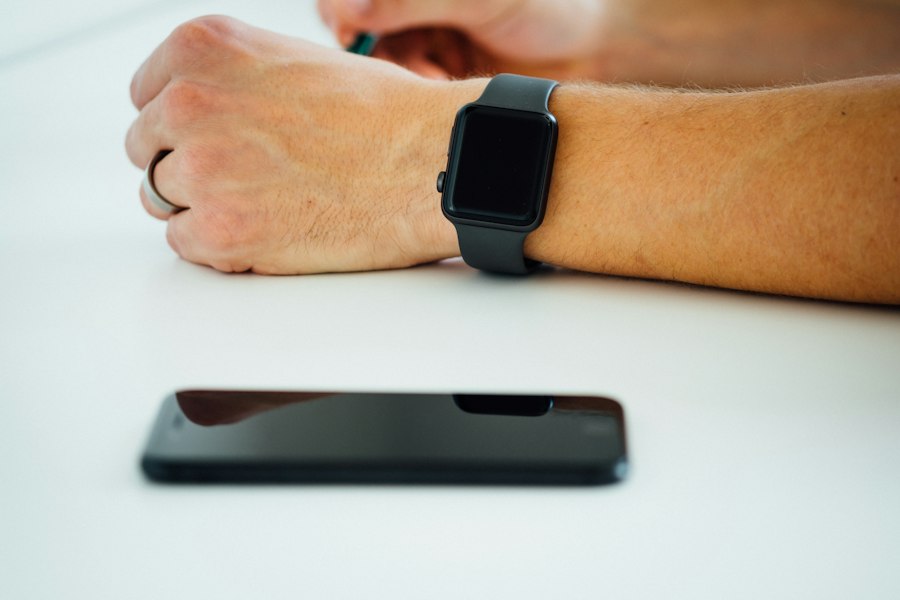
Once reliable continuous cortisol tracking becomes widely available, its potential applications for managing chronic stress and supporting adrenal health are immense. It moves us from a reactive approach (addressing symptoms after they appear) to a proactive and personalized one.
Identifying Stress Triggers
One of the most immediate benefits is the ability to pinpoint what truly stresses your body. We all know general stressors like work deadlines or traffic, but often, the subtle, cumulative stressors or unique individual triggers go unnoticed.
- Real-time feedback: Imagine seeing your cortisol levels start to rise before you even consciously register feeling stressed.
This real-time feedback could come from a wearable indicating a physiological stress response to a particular email, meeting, or even a specific social interaction.
- Pattern recognition: Over time, consistent data would allow you to identify patterns. For example, you might notice that cortisol spikes consistently after certain types of food, during particular times of the day, or in response to specific people or environments. This goes beyond self-reported stress, which can be subjective and influenced by mood.
- Understanding “hidden” stressors: Some stressors are not overtly emotional but physiological.
Perhaps a particular exercise routine, insufficient sleep, or even certain medications are causing a prolonged cortisol elevation that you wouldn’t otherwise attribute to “stress.” Continuous tracking could reveal these.
Tailoring Stress Reduction Techniques
With an understanding of your unique stress profile, you can then personalize your stress management strategies. What works for one person might not work for another, and cortisol tracking offers an objective way to see what’s effective for you.
- Measuring intervention effectiveness: You could try different mindfulness exercises, breathing techniques, short walks, or even dietary changes and objectively see their impact on your cortisol rhythm. Did that 10-minute meditation session actually help bring your levels down?
Did switching to decaf coffee reduce your morning spike?
- Optimizing daily routines: The data could help you optimize your schedule. If you consistently see a cortisol surge after a late-night screen session, it reinforces the need for better “screen hygiene” before bed. If a particular type of exercise leads to a sustained, unhelpful cortisol increase, you might adjust its intensity or timing.
- Personalized biofeedback: In a more advanced setup, the wearable could provide live biofeedback, guiding you through breathing exercises or alerting you to take a break when it detects rising stress markers before you even consciously feel overwhelmed.
Monitoring Adrenal Health Trends
For individuals concerned about adrenal fatigue, adrenal insufficiency, or other conditions affecting adrenal function, continuous monitoring offers a much-needed tool.
- Tracking diurnal rhythm: A healthy cortisol rhythm is characterized by a high morning peak and a gradual decline throughout the day.
Chronic stress or adrenal issues can flatten this curve, reverse it, or make it excessively high or low. Continuous data allows for precise tracking of this rhythm, highlighting deviations.
- Assessing treatment efficacy: For those on medications or supplements to support adrenal function, the wearable could help track whether these interventions are normalizing cortisol levels and rhythm. This could lead to more precise dosing and adjustment.
- Early detection of issues: Sustained abnormal cortisol patterns, if detected early through continuous monitoring, could prompt earlier intervention with a healthcare provider, potentially preventing more severe health complications.
Enhancing Performance and Recovery
Beyond stress reduction, optimized cortisol levels are crucial for physical and cognitive performance, as well as recovery.
- Athletic training: Overtraining can lead to elevated chronic cortisol and impaired recovery.
Athletes could use continuous tracking to monitor their physiological stress load and adjust training intensity or incorporate more recovery days to prevent burnout and injury.
- Cognitive function: Optimal cortisol levels are linked to better memory and focus. Understanding your personal cortisol patterns could help you schedule demanding cognitive tasks during periods of peak performance and avoid them during dips or stressful spikes.
- Sleep optimization: Cortisol levels directly impact sleep. High cortisol at night can interfere with sleep onset and quality.
Tracking this could reinforce better sleep hygiene practices and highlight the impact of daytime stressors on nighttime rest.
The overarching theme here is personalization. Generic advice on stress management only goes so far. Continuous cortisol tracking promises to provide the objective, personalized data needed to truly understand and manage an individual’s unique stress physiology.
Challenges and Limitations
While the promise of continuous cortisol tracking is exciting, there are significant hurdles to overcome before these devices become ubiquitous and fully reliable for general health management.
Accuracy and Reliability
This is arguably the biggest challenge. Measuring a complex hormone like cortisol from outside the body, in tiny concentrations, and in real-time, is incredibly difficult.
- Inter-individual variability: Everyone sweats differently, and the relationship between blood cortisol and sweat cortisol can vary between individuals and even within the same person under different conditions. Calibration for each user is a massive undertaking.
- Intra-individual variability: Sweat rate, body temperature, hydration status, skin pH, and activity levels all influence sweat composition and collection, making consistent measurement difficult.
- Sensor drift and degradation: Wearable sensors are exposed to body fluids and the environment, leading to potential degradation over time, affecting their accuracy. Recalibration or frequent replacement might be necessary.
- Specificity: Ensuring the sensor only detects cortisol and not other similar molecules in sweat or on the skin is crucial to avoid false readings.
- Latency: There’s a natural lag between changes in blood cortisol and their appearance in sweat. This latency needs to be accounted for in interpreting real-time data, as what you’re seeing might be a reflection of a stressor that occurred a few minutes ago.
User Experience and Practicality
For widespread adoption, these devices need to be more than just accurate; they need to be user-friendly and integrate seamlessly into daily life.
- Comfort and aesthetics: Wearables must be comfortable enough to be worn continuously without irritation or discomfort. They also need to be discreet or aesthetically pleasing for users to want to wear them.
- Battery life: Continuous monitoring requires significant power. Achieving long battery life in a small, lightweight form factor is a major engineering challenge.
- Data overload and interpretation: Continuous streams of data can be overwhelming. Users need intuitive interfaces and clear, actionable insights, not just raw numbers. This requires sophisticated software and algorithms.
- Disposable components: If sweat patches are involved, they may need to be replaced frequently (e.g., daily or every few days), which adds to the cost and inconvenience for the user.
- Calibration requirements: Some devices might require regular calibration, potentially involving a reference blood or saliva test, which defeats some of the convenience goals of continuous monitoring.
Regulatory and Ethical Considerations
As with any health-related technology, regulatory oversight and ethical implications are paramount.
- Medical device classification: Depending on the claims made by manufacturers (e.g., for diagnosis or treatment), these devices may be classified as medical devices by regulatory bodies like the FDA. This means rigorous testing, clinical trials, and approval processes, which are costly and time-consuming.
- Data privacy and security: Cortisol data is highly personal health information. Robust security measures are needed to protect this data from breaches and misuse. Who owns the data? How is it stored? Can it be anonymized and used for research? These questions need clear answers.
- Misinterpretation and anxiety: Receiving continuous “stress” data could potentially increase anxiety in some individuals if not presented with careful context and guidance. Users might overreact to natural fluctuations or misinterpret readings without professional help.
- Lack of clinical guidance: If these devices move into the consumer space before healthcare providers are adequately trained on how to interpret this data, it could lead to confusion and inappropriate self-diagnosis or treatment.
- Over-reliance: There’s a risk that people might become overly reliant on the device, potentially neglecting subjective feelings or traditional coping mechanisms.
Cost and Accessibility
Early versions of advanced technology are often expensive, limiting their accessibility.
- Research and development costs: Bringing these complex biosensors to market requires significant investment in R&D, which is reflected in the product’s price.
- Disposable components: If patches or cartridges need frequent replacement, the ongoing cost could be substantial, making it inaccessible for many.
- Insurance coverage: Will health insurance cover these devices, especially if they are initially marketed as “wellness” tools rather than medical devices? Without coverage, they may remain a niche product.
Addressing these challenges will require a collaborative effort between scientists, engineers, medical professionals, regulatory bodies, and product designers to ensure these promising technologies are not only effective but also safe, accessible, and beneficial to the wider public.
Recent advancements in wearable technology have led to the development of continuous cortisol tracking devices, which play a crucial role in managing chronic stress and supporting adrenal health. A related article discusses the implications of these wearables on mental well-being and their potential to revolutionize how we monitor stress levels.
For more insights on this topic, you can read the article on
5G Innovations (13) Wireless Communication Trends (13) Article (343) Augmented Reality & Virtual Reality (902)
- Metaverse (266)
- Virtual Workplaces (35)
- VR & AR Games (34)
Cybersecurity & Tech Ethics (808)
- Cyber Threats & Solutions (3)
- Ethics in AI (33)
- Privacy Protection (32)
Drones, Robotics & Automation (488)
- Automation in Industry (33)
- Consumer Drones (33)
- Industrial Robotics (33)
EdTech & Educational Innovations (347)
- EdTech Tools (18)
- Online Learning Platforms (4)
- Virtual Classrooms (34)
Emerging Technologies (1,996) FinTech & Digital Finance (451) Frontpage Article (1) Gaming & Interactive Entertainment (385) Health & Biotech Innovations (716)
- AI in Healthcare (3)
- Biotech Trends (4)
- Wearable Health Devices (509)
News (97) Reviews (129) Smart Home & IoT (449)
- Connected Devices (3)
- Home Automation (4)
- Robotics for Home (33)
- SmartPhone (48)
Space & Aerospace Technologies (347)
- Aerospace Innovations (4)
- Commercial Spaceflight (3)
- Space Exploration (62)
Sustainable Technology (786) Tech Careers & Jobs (342) Tech Guides & Tutorials (1,150)
- DIY Tech Projects (3)
- Getting Started with Tech (60)
- Laptop & PC (58)
- Productivity & Everyday Tech Tips (327)
- Social Media (64)
- Software (324)
- Software How-to (3)
Uncategorized (146)