

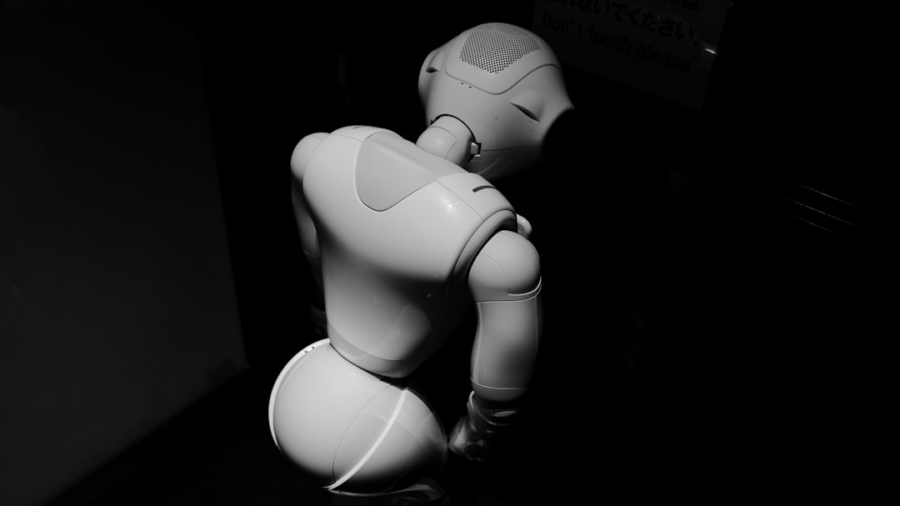
If you’re wondering when humanoid robots will be maintaining your facilities, the short answer is: sooner than you think, but with significant caveats. While the dream of a helpful, all-purpose robot assistant has been around for decades, commercializing these complex machines for routine facility maintenance is a multi-faceted challenge, requiring breakthroughs in AI, robotics, sensor technology, and economic feasibility. We’re not talking about simple floor scrubbers here, but robots capable of navigating dynamic environments, identifying issues, and performing a range of tasks from lightbulb replacement to basic repairs.
The Current State of Humanoid Robotics
Before diving into maintenance specifics, it’s crucial to understand where humanoid robots stand today. They are no longer just laboratory curiosities, but they are also not yet truly plug-and-play solutions for general tasks.
Early Stages of Dexterity and Navigation
Right now, many commercialized robots excel at single, repetitive tasks in controlled industrial settings. Think robotic arms on assembly lines. Humanoid robots, by their very nature, aim for a much broader range of motion and interaction. Boston Dynamics’ Atlas, for instance, showcases incredible agility, but it’s still largely a research platform. Companies like Agility Robotics and Sanctuary AI are making strides with bipedal motion and manipulation, demonstrating impressive capabilities in structured environments. The ability to walk up stairs, open doors, and pick up various objects is becoming more common, but doing so reliably and efficiently in a real-world, unpredictable facility is still a significant hurdle.
The Brains Behind the Brawn
A robot’s physical capabilities are only half the story. Their “brains” – the AI and control systems – are equally critical. Machine learning, particularly reinforcement learning, is enabling robots to learn new tasks and adapt to variations. However, training these models for the sheer variety of tasks encountered in facility maintenance, from identifying a loose screw to interpreting a complex equipment readout, is a monumental undertaking. General AI is still a distant goal, meaning today’s humanoids are typically programmed for specific sets of tasks, not general problem-solving.
In exploring the potential of commercializing humanoid robots for routine facility maintenance, it is interesting to consider the technological advancements that support such innovations. A related article that delves into the best devices for everyday use, which could complement the integration of humanoid robots in various environments, can be found at this link. The insights provided in this article highlight the importance of reliable technology in enhancing operational efficiency, a key factor in the successful deployment of robotic solutions in facility maintenance.
Why Commercializing Humanoids for Maintenance is so Challenging
The leap from a demonstration to a commercially viable product is enormous, especially for complex systems like humanoid robots. Several factors conspire to make this particularly difficult for facility maintenance applications.
The Unpredictable Nature of Facilities
Unlike a factory floor designed for automation, facility environments are inherently unpredictable. People move through them, objects are misplaced, lighting changes, and equipment can be in various states of disrepair.
Dynamic Environments
A robot performing maintenance needs to navigate around people, avoid unexpected obstacles like a misplaced cleaning cart, and operate safely in spaces that weren’t designed with robots in mind. This calls for advanced perception, real-time mapping, and robust collision avoidance – technologies that are continually improving but still face reliability issues in highly dynamic settings.
Task Variety and Ambiguity
Facility maintenance isn’t just one job; it’s hundreds of different jobs. Replacing a lightbulb is different from unclogging a drain, which is different from performing a visual inspection of an HVAC unit. Many tasks also involve a degree of ambiguity or require human-level interpretation, such as discerning the severity of a minor leak or identifying the cause of unusual noise. Programming a robot for this breadth of tasks, and for the nuances within them, is incredibly complex.
Cost and Return on Investment
Currently, the price tag for a truly capable humanoid robot is very high. This makes the economic justification for commercial deployment difficult.
High Initial Investment
The hardware itself – the motors, sensors, actuators, and advanced materials – is expensive to produce. Early models will likely be prohibitively costly for many organizations, even those with large facilities. This means early adopters will need to see significant, demonstrable cost savings or efficiency gains to justify the expense.
Ongoing Operational Costs
Beyond the purchase price, there are ongoing costs associated with maintenance (of the robot itself!), software updates, specialized training for human supervisors, and potential infrastructure modifications to accommodate the robots. Charging stations, dedicated pathways, and even network infrastructure might need upgrades. The total cost of ownership needs to be carefully evaluated against the labor costs they are intended to replace or augment.
Breaking Down the Maintenance Tasks: Where Humanoids Might Start
Despite the challenges, there are specific areas within facility maintenance where humanoid robots could find their initial foothold. These will likely be routine, repetitive, and less ambiguous tasks.
In the quest to enhance efficiency in facility maintenance, the integration of humanoid robots is gaining traction, as highlighted in the article on commercializing these advanced technologies. For those interested in optimizing operations further, exploring scheduling solutions can be beneficial. A related article discusses the top scheduling software options available this year, which can help streamline your processes and improve overall productivity. You can read more about it in this insightful piece on scheduling software.
Routine Inspections and Monitoring
This is perhaps the most immediate application. Robots are excellent at tireless, consistent data collection.
Environmental Monitoring
Humanoids could be deployed to patrol facilities, monitoring temperature, humidity, air quality, and noise levels. They could use onboard sensors to detect anomalies, such as drafts from unsealed windows, unusual heat signatures from faulty equipment, or even the presence of pests. This data could then be relayed to human operators for further investigation.
Visual and Auditory Checks
Imagine a robot systematically scanning gauges, looking for leaks, or listening for unusual sounds from machinery. They could perform highly detailed visual inspections for cracks, wear, or blockages in areas that might be difficult or dangerous for humans to access regularly. Their ability to take consistent photos or videos over time would also be invaluable for trend analysis and predictive maintenance.
Simple Repairs and Replacements
As manipulation capabilities advance, robots could take on more hands-on tasks.
Light Fixture Maintenance
Replacing standard light bulbs or even LED panels could be an early target. This task is often repetitive, involves working at height (which robots don’t mind), and can be standardized relatively well. The robot would need vision systems to identify the correct bulb, dexterity to unscrew and replace it, and possibly a small inventory onboard.
Basic Troubleshooting and Resetting
There are many simple fixes in facilities: resetting a tripped circuit breaker, turning a valve, or performing a basic diagnostic sequence on a piece of equipment. If these actions can be translated into precise, teachable movements, robots could handle them.
The key here is that the robot doesn’t need to understand why the problem occurred, only how to execute the predefined fix.
Cleaning and Organization Support
While dedicated cleaning robots (like floor scrubbers) already exist, humanoids could offer a more versatile approach.
Spot Cleaning and Spill Response
A humanoid could be dispatched to clean up small spills or messes before they become larger problems, possibly using onboard tools or by retrieving a cleaning kit. This requires advanced perception to identify the spill and navigate to it, as well as the dexterity to use cleaning implements.
Item Retrieval and Organization
In larger facilities, humanoids could assist with fetching tools, restocking supplies, or organizing workspaces. This would involve object recognition, path planning for retrieval, and precise manipulation to place items correctly. This is less about traditional cleaning and more about maintaining order.
The Road Ahead: Key Enablers and Future Outlook
Commercialization won’t happen overnight. Several technological and societal factors need to align.
Advancements in AI and Machine Learning
The ability for robots to “learn on the job” and generalize their skills will be paramount.
Generalization and Adaptability
Instead of programming a robot for every single type of lightbulb, AI needs to enable it to understand the concept of changing a bulb and adapt that skill to various fixture designs. This requires much more sophisticated machine learning that can handle novel situations and extrapolate from limited training data.
Natural Language Processing for Instructions
For easier deployment and interaction, robots will ideally need to understand natural language commands or instructions. Imagine a facility manager simply saying, “Check the pressure on the boiler in sector G,” and the robot understanding and executing that command. This requires robust NLP combined with task planning capabilities.
Hardware Refinements and Modularity
The physical robots themselves need to become more robust, energy-efficient, and affordable.
Durability and Reliability
Facility environments are not always gentle. Robots need to be built to withstand bumps, spills, and continuous operation. Mean Time Between Failures (MTBF) will be a critical metric for commercial viability. Downtime due to robot failure can quickly erase any productivity gains.
Modular Tooling and Attachments
Just as a human uses different tools for different jobs, humanoids will benefit from modular end-effectors (hands/grippers) and other attachable tools. This would allow a single robot platform to perform a wider array of tasks without needing a completely different robot for each. Standardization of these interfaces will be important.
Human-Robot Collaboration and Safety
The future isn’t about robots replacing all humans, but rather augmenting them.
Safe Interaction in Shared Spaces
For robots to operate in shared human environments, impeccable safety protocols are essential. This includes advanced sensing for human detection, predictable movement patterns, and robust emergency stop mechanisms. Public acceptance will hinge on the perception of safety.
Training and Oversight for Human Operators
Facility staff will need training on how to interact with, supervise, and troubleshoot these robots. The role of facility maintenance personnel will likely evolve from purely manual labor to supervision, advanced problem-solving, and managing robotic fleets. Establishing clear lines of responsibility and communication between humans and robots will be vital.
Economic Shifts and Policy Considerations
Beyond technology, broader economic and policy factors will influence adoption.
Labor Market Dynamics
As labor costs rise and specialized skills become scarcer in some maintenance areas, the economic appeal of robotic solutions will grow. However, ethical considerations around job displacement will also need to be addressed through retraining programs and a focus on creating new, robotics-adjacent roles.
Regulatory Frameworks and Standards
Governments and industry bodies will need to develop regulations and standards for the safe operation, data privacy, and ethical deployment of humanoid robots in commercial settings. These frameworks will help ensure responsible innovation and build public trust.
In conclusion, the commercialization of humanoid robots for routine facility maintenance isn’t a single switch that will flip.
It’s a gradual process, likely starting with highly controlled, repetitive tasks, and expanding as technology matures, costs decrease, and trust grows.
While fully autonomous, all-purpose robot janitors are still a ways off, the building blocks are rapidly falling into place, promising a future where our facilities are smarter, safer, and perhaps a little more automated.
FAQs
What is the purpose of commercializing humanoid robots for routine facility maintenance?
Commercializing humanoid robots for routine facility maintenance aims to improve efficiency, reduce costs, and enhance safety in various industries by utilizing advanced robotics technology to perform routine maintenance tasks.
How can humanoid robots benefit facility maintenance operations?
Humanoid robots can benefit facility maintenance operations by performing repetitive and physically demanding tasks, accessing hard-to-reach areas, and working in hazardous environments, thus reducing the risk of injury to human workers and increasing overall productivity.
What are some examples of routine maintenance tasks that humanoid robots can perform?
Humanoid robots can perform a wide range of routine maintenance tasks, including cleaning, inspection, equipment monitoring, and minor repairs in facilities such as warehouses, manufacturing plants, and commercial buildings.
What are the challenges in commercializing humanoid robots for routine facility maintenance?
Challenges in commercializing humanoid robots for routine facility maintenance include the development of advanced artificial intelligence, ensuring safety and reliability, addressing regulatory and ethical considerations, and managing the initial investment costs.
What are the potential future developments in the commercialization of humanoid robots for routine facility maintenance?
Potential future developments in the commercialization of humanoid robots for routine facility maintenance include the integration of more sophisticated sensors and AI capabilities, the expansion of robot capabilities to handle a wider range of maintenance tasks, and the adoption of standardized industry practices for robot deployment and operation.
Enjoying our content? Make us a preferred source on Google:
Add us as a Preferred Source on Google