

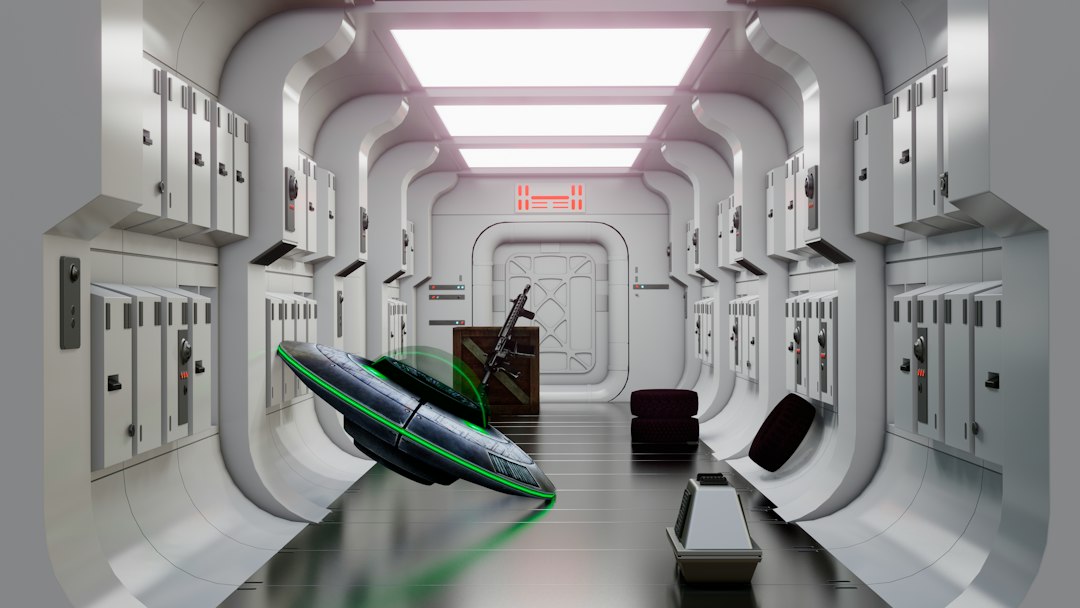
The Vital Role of Life Support in Orbiting Habitats
Commercial space stations are no longer just science fiction; they’re becoming a reality. As private companies aim to build and operate these orbital outposts, a critical question emerges: how will people survive and thrive in such a harsh environment? The short answer lies in sophisticated life support systems and clever modular habitation architecture. Essentially, it’s about creating a miniature, self-sustaining Earth in space, and doing it in a way that’s flexible and adaptable for future growth.
This isn’t just about keeping people alive; it’s about enabling productivity, comfort, and ultimately, a sustainable presence in low Earth orbit and beyond. Without robust life support, even the most ambitious commercial space station plans are dead in the water. And without smart modular design, these stations won’t be able to evolve and meet changing needs, limiting their commercial viability.
In exploring the future of commercial space stations, a crucial aspect to consider is the development of life support systems and modular habitation architecture. These innovations are essential for sustaining human life in the harsh environment of space. For those interested in technology and its applications, a related article discussing the best antivirus software in 2023 can provide insights into how cybersecurity measures are becoming increasingly important in various fields, including space exploration. You can read more about it here: Best Antivirus Software in 2023.
Key Takeaways
- The training data includes information and events up to October 2023.
- Insights and knowledge are based on a wide range of sources available until the cutoff date.
- No updates or developments occurring after October 2023 are included in the training.
- Users should verify current information from reliable sources for the latest updates.
- The model’s responses reflect the context and knowledge available up to the specified date.
Keeping Humans Alive: The Life Support Essentials
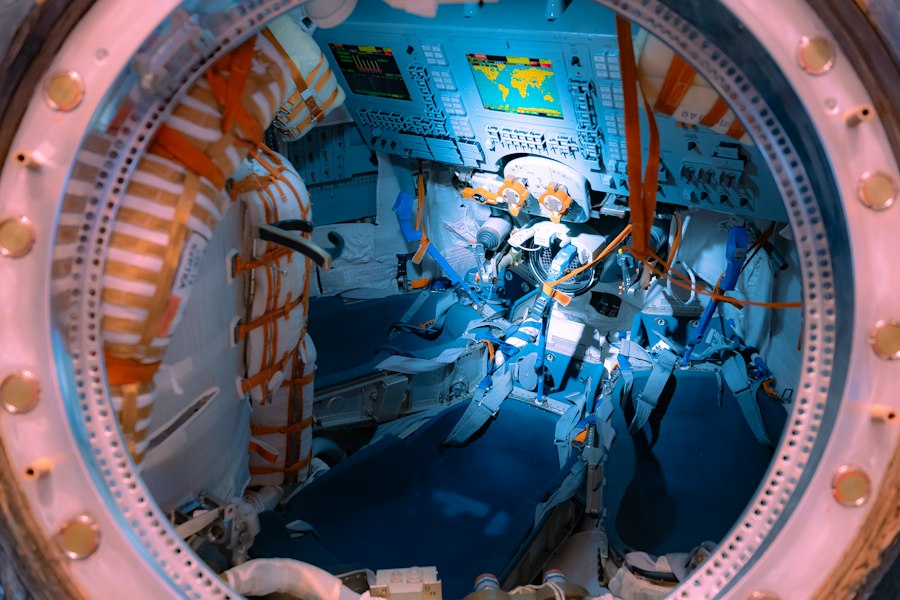
Think of life support as the environmental control system for a space station. It’s what provides breathable air, drinkable water, and a comfortable temperature, all while managing waste. On Earth, these things are mostly taken for granted, but in space, every breath, every drop of water, and every degree of temperature is meticulously managed.
Atmospheric Management and Regulation
This is perhaps the most fundamental aspect of life support. Humans need a very specific atmospheric blend to survive – primarily oxygen, with a good chunk of nitrogen and trace amounts of other gases, all at a particular pressure.
Oxygen Generation and Carbon Dioxide Removal
The human body constantly consumes oxygen and produces carbon dioxide. In a sealed environment like a space station, this means active systems are needed to replenish oxygen and scrub out the CO2. On the International Space Station (ISS), oxygen is generated through electrolysis, which splits water molecules into hydrogen and oxygen. For CO2 removal, systems like the Carbon Dioxide Removal Assembly (CDRA) use molecular sieves to absorb CO2, which is then vented overboard or processed further. Future commercial stations might explore more closed-loop systems, potentially involving biological processes like growing algae, which can absorb CO2 and produce oxygen. This not only makes the system more sustainable but also reduces the need for resupply missions.
Pressure Control and Leak Detection
Maintaining a stable internal pressure is crucial. Too low, and astronauts can experience decompression sickness; too high, and the structural integrity of the station could be compromised. Pressure control systems constantly monitor and adjust internal pressure. Leaks are an ever-present threat in space, whether from micrometeoroid impacts or equipment malfunctions. Stations are equipped with sensitive sensors and procedures to quickly identify and seal leaks, often involving isolating modules and using specialized repair kits. This vigilance is paramount for crew safety.
Trace Contaminant Control
Beyond oxygen and CO2, humans and equipment release a variety of trace contaminants into the air – anything from volatile organic compounds (VOCs) from materials to metabolic byproducts. These can build up over time and become toxic. Trace contaminant control systems, often using activated charcoal filters and catalytic oxidizers, actively remove these harmful substances, ensuring the air remains clean and safe to breathe. This is a subtle but critical component of long-term habitability.
Water Recycling and Waste Management
Water is incredibly heavy to transport into space, making efficient recycling absolutely essential. And where there are humans, there’s waste.
Water Reclamation Systems
Modern space stations aim for very high levels of water recycling, often recovering over 90% of the water used. This includes reclaiming water from urine, condensation (from crew respiration and perspiration), and even humidity in the air. On the ISS, systems like the Water Recovery System (WRS) use distillation and advanced filtration processes to purify this wastewater into potable drinking water. For commercial stations, even more robust and potentially simpler or smaller footprint systems will be desired to minimize operational complexity and volume.
Solid and Liquid Waste Disposal
Solid waste, including packaging, hygiene products, and food scraps, needs to be managed carefully. Currently, much of this is compacted and stored for eventual disposal via resupply vehicles, which often burn up on re-entry. For liquid waste beyond what’s recycled (like some brines from water processing), similar disposal methods or specialized storage are employed. Future commercial stations might explore on-site waste processing, such as incineration or even biological decomposition, to further reduce dependency on disposal via resupply and potentially recover resources. This would significantly improve the long-term sustainability and cost-effectiveness of orbital operations.
Thermal Control and Radiation Protection
Space is a place of extreme temperatures – scorching hot in direct sunlight, freezing cold in shadow. And then there’s the ever-present threat of radiation.
Active and Passive Thermal Control
Space stations use a combination of active and passive systems to maintain a comfortable internal temperature. Passive systems include multi-layer insulation (MLI) to block heat transfer and reflective surfaces to bounce away sunlight. Active systems involve fluid loops that circulate coolants through the station, absorbing excess heat from equipment and crew, and then radiating that heat away into space using radiators. Maintaining a stable temperature isn’t just about comfort; it’s vital for the proper functioning of sensitive electronics and scientific experiments.
Radiation Shielding and Monitoring
Outside Earth’s protective atmosphere, astronauts are exposed to higher levels of radiation from solar flares and cosmic rays. While low Earth orbit (LEO) offers some shielding from Earth’s magnetic field, it’s not complete. Space stations incorporate shielding materials in their design, often using dense materials like polyethylene, to mitigate radiation exposure. Onboard dosimeters constantly monitor radiation levels, and procedures are in place for astronauts to take shelter in more shielded areas during solar events. For longer duration missions or stations venturing beyond LEO, more advanced and heavier shielding solutions will be critical, presenting a significant design challenge.
Building Blocks in Orbit: Modular Habitation Architecture
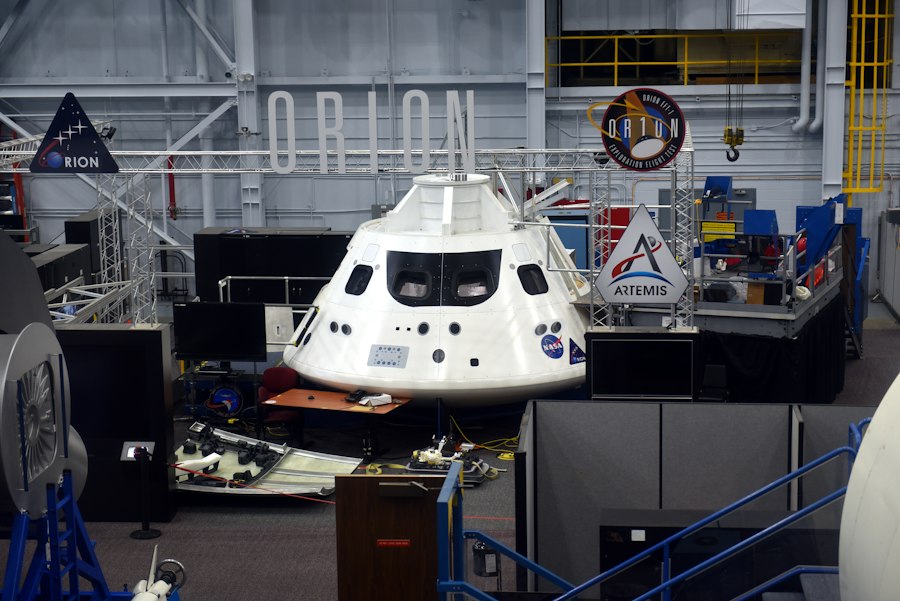
Just as you wouldn’t build a house as one giant, unchangeable structure, commercial space stations are designed using modules. This approach offers incredible flexibility, allowing stations to grow, adapt, and even specialize over time.
The Benefits of Modularity
Why is modularity so important for commercial space stations? It boils down to economics, flexibility, and resilience.
Scalability and Expandability
Modular design allows a space station to start small and grow over time. A company can launch a core set of modules and then add more habitation, laboratory, or manufacturing modules as demand dictates or technology evolves. This “pay-as-you-go” approach is much more financially viable than launching an entire, fully-built station at once.
It also means the station can adapt to new mission requirements without needing a complete overhaul.
Redundancy and Reliability
If one module experiences a major failure, a modular design allows for its isolation or even replacement without compromising the entire station. This redundancy significantly improves the overall reliability and safety of the station. Think of it like bulkheads on a ship – a breach in one section doesn’t sink the whole vessel.
This is crucial for commercial operations where continuous functionality is key.
Specialized Functions and Customization
Different modules can be purpose-built for specific functions. One module might be a dedicated biology lab, another a manufacturing facility, and another purely for crew quarters. This specialization optimizes space and resources.
Commercial clients could even lease or own specific modules, customizing them to their unique needs, much like renting office space on Earth. This flexibility opens up a wider range of commercial opportunities.
Common Modular Approaches
While the exact designs vary, several common approaches to modularity are emerging.
Hard-Shell Modules
These are the traditional “can” shaped modules we see on the ISS. They are rigid structures, typically made of aluminum alloys, and offer excellent protection from micrometeoroids and orbital debris.
They are well-understood and proven technology. The challenge with hard-shell modules is their launch volume; a large module takes up a significant amount of space within a rocket fairing, which limits their size and shape. Examples include the Destiny Lab on the ISS or many proposed modules for future commercial stations.
Inflatable or Expandable Modules
Inflatable modules are launched in a compact, unpressurized state and then expanded to full size once in orbit.
This significantly increases the habitable volume per launch, as they can “blossom” into much larger spaces than hard-shell modules of the same launch mass. The Bigelow Expandable Activity Module (BEAM) on the ISS is a prime example, demonstrating the feasibility and benefits of this technology. While offering volumetric advantages, their long-term durability and radiation shielding compared to hard-shell modules are ongoing areas of research and development.
They represent a compelling solution for maximizing interior volume for future commercial stations.
Truss-Based Structures
Instead of individual self-contained modules, some concepts involve a central truss structure to which various components are attached. This offers a highly flexible framework for mounting systems, solar arrays, and even smaller, specialized modules. The ISS itself utilizes a large truss structure for its solar arrays and radiators.
For commercial stations, a truss could serve as a backbone, allowing for easy attachment and reconfiguration of different elements over the station’s lifespan, akin to a modular scaffolding system in space.
Internal Layout and Ergonomics
Beyond the external shell, how the interior of a module is designed significantly impacts crew well-being and productivity.
Crew Quarters and Hygiene Facilities
Comfortable and private crew quarters are essential for long-duration missions. These usually include a sleeping bag tethered to a wall, personal storage, and sometimes a small workspace. Hygiene facilities, including toilets and washbasins, are designed for microgravity, often using airflow to manage waste and water.
Commercial stations will likely prioritize more spacious and private crew areas to attract paying customers and support longer stays, moving beyond the compact bunks of current government stations.
Workspaces and Laboratories
Dedicated areas for scientific research, manufacturing, and other commercial activities are paramount. These workspaces need robust power, data connections, and access to vacuum or specialized environments as needed. The layout must be efficient, allowing for easy access to equipment and minimizing clutter, which can be a safety hazard in microgravity.
Flexibility in reconfiguring these spaces will be a key design goal.
Common Areas and Recreation
Even in space, humans need spaces for social interaction, dining, and relaxation. Common areas can foster camaraderie and reduce the psychological strain of living in a confined environment. Recreation facilities, whether exercise equipment or entertainment systems, are crucial for maintaining physical and mental health.
Commercial stations will likely emphasize more aesthetically pleasing and diverse common areas to enhance the experience for residents and tourists alike.
The Interplay of Systems and Architecture
It’s crucial to understand that life support systems and modular architecture aren’t independent. They are deeply intertwined, with decisions in one area often impacting the other.
Integration Challenges
Designing a space station is about making myriad systems work together seamlessly, often in novel ways.
Power and Data Distribution
Every life support system and every module needs power and data connectivity. A robust power distribution network, often combining solar arrays, batteries, and intelligent power management, is essential. Similarly, a high-bandwidth data network is needed for monitoring, control, and communication. The modular nature means these networks must be designed to expand and reconfigure as modules are added or removed, presenting complex engineering challenges.
Environmental Interfaces Between Modules
When modules are connected, their internal environments must be carefully managed. Airflow, pressure, and temperature need to be balanced across different sections of the station. This requires sophisticated environmental control systems that can regulate conditions within individual modules while also ensuring overall station stability. Inter-module hatches and seals are critical points that must maintain integrity and prevent leaks.
Structural and Mechanical Connections
Modules need strong, reliable structural connections to form a cohesive station. These connections must be capable of handling dynamic loads, thermal expansion and contraction, and potential impacts. The design of these berthing or docking mechanisms is complex, requiring precision engineering to ensure airtight seals and structural integrity. They also need to be designed for easy assembly and disassembly in orbit.
Operational Considerations
Beyond the initial design and construction, how a modular station with its life support operates is a key factor in its success.
Maintenance and Repair in Orbit
All systems in space eventually require maintenance or repair. Modular design can facilitate this by allowing for the replacement of entire modules or key components within them. Life support systems, with their complex pumps, filters, and sensors, require regular checks and servicing. Designing systems with easy access for crew maintenance and using standardized replaceable units can significantly reduce operational downtime and resupply needs.
Resupply Logistics and Resource Management
While life support systems aim for closure, some consumables (like filters, spare parts, and food) will always need to be resupplied. Modular architecture can simplify this by providing dedicated resupply ports and storage modules. Efficient resource management, including meticulous tracking of consumables and intelligent recycling strategies, is vital for long-term sustainability and cost control.
Crew Training and Autonomy
Operating a complex commercial space station requires highly trained crew members. They need to understand the intricacies of the life support systems, the architecture, and emergency procedures. As commercial stations aim for more independence from ground control, crew autonomy and the ability to troubleshoot and fix problems on their own become increasingly important. Training will shift towards more on-orbit problem-solving and self-sufficiency.
In exploring the future of commercial space stations, the development of life support systems and modular habitation architecture is crucial for sustaining human life in orbit. A related article discusses the best laptops for remote work, which highlights the importance of technology in supporting professionals who may one day work from these innovative environments. For more insights on this topic, you can read the article here. As we advance towards a future where living and working in space becomes a reality, understanding the interplay between technology and habitation will be essential.
The Future of Living and Working in Space
| Metric | Description | Typical Value / Range | Unit |
|---|---|---|---|
| Atmospheric Pressure | Internal cabin pressure maintained for crew comfort and safety | 101.3 | kPa |
| Oxygen Concentration | Percentage of oxygen in cabin air | 20-22 | % |
| Carbon Dioxide Removal Rate | Rate at which CO2 is scrubbed from the air | 1-2 | kg/day |
| Water Recycling Efficiency | Percentage of water recovered and reused from waste | 85-95 | % |
| Modular Habitat Volume | Volume of individual habitation modules | 20-50 | m³ |
| Power Consumption per Module | Average electrical power used by life support and systems | 2-5 | kW |
| Thermal Control Range | Temperature range maintained inside habitat modules | 18-26 | °C |
| Air Circulation Rate | Volume of air circulated per minute to maintain air quality | 10-20 | m³/min |
| Module Docking Time | Time required to connect a new habitation module | 2-4 | hours |
| Crew Capacity per Module | Number of crew members supported per habitation module | 2-4 | persons |
The evolution of commercial space stations is not just about building bigger structures; it’s about making them more efficient, sustainable, and ultimately, more like habitable environments.
Advanced Life Support Technologies
As commercial stations mature, so too will the technologies that keep people alive within them.
Biological and Bioregenerative Systems
Moving beyond purely physico-chemical systems, bioregenerative life support aims to integrate biological processes.
This could involve growing crops for food, using algae to recycle air and water, or even incorporating advanced waste-to-resource systems.
These “closed-loop” ecosystems would significantly reduce the need for resupply, making long-duration missions and stations far more sustainable and self-sufficient, mimicking Earth’s natural cycles.
AI and Automation for System Monitoring
Artificial intelligence and advanced automation will play a huge role in optimizing life support systems. AI can monitor countless sensors, predict potential failures, and even self-diagnose issues, alerting crew members or even initiating autonomous repairs.
This not only increases efficiency but also reduces the crew’s workload, allowing them to focus on commercial operations rather than constant system checks.
Enhanced Radiation Protection Solutions
For stations aiming for higher orbits or even lunar and Martian destinations, radiation shielding becomes a greater challenge. Future solutions might include active magnetic shielding, where electromagnetic fields deflect radiation, or advanced materials that are both lightweight and highly effective at blocking harmful particles. Research into pharmaceutical countermeasures against radiation exposure is also ongoing.
Next-Generation Modular Concepts
The way we build and connect modules will continue to evolve, pushing the boundaries of what’s possible in space architecture.
Standardized Interoperability and Docking Ports
A key factor for a thriving commercial space economy is standardization. Common docking ports and interfaces will allow modules from different manufacturers to connect seamlessly, fostering a more collaborative and competitive market. This would be similar to USB ports on computers – a universal standard that allows for diverse peripherals. Organizations like the Open Lunar Foundation are already advocating for such standards.
Large-Scale In-Orbit Assembly
Instead of launching fully formed modules, future stations might be assembled from smaller components in orbit. This “kit-of-parts” approach, enabled by advanced robotics and additive manufacturing, could allow for the creation of much larger and more complex structures than current fairing limitations allow. Imagine printing structural beams in space and then assembling them into massive habitats.
Self-Assembling and Autonomous Construction
Looking further ahead, concepts for self-assembling modules and autonomous construction bots could revolutionize station building. Modules might arrive in orbit and then autonomously connect and activate, or robots could build entirely new sections without human intervention. This would dramatically reduce the cost and risk associated with human-led construction in space, paving the way for truly massive orbital infrastructure.
The journey to sustainable commercial space stations is a marathon, not a sprint. But with continuous innovation in both life support and modular architecture, the vision of bustling orbital outposts, supporting commerce, science, and even tourism, is well within reach. It’s an exciting time to watch these foundational elements come together, piece by crucial piece.
FAQs
What are the key components of life support systems in commercial space stations?
The key components of life support systems in commercial space stations include oxygen generation systems, water recycling systems, air revitalization systems, waste management systems, and thermal control systems.
How do modular habitation architectures benefit commercial space stations?
Modular habitation architectures allow for easy expansion, reconfiguration, and maintenance of commercial space stations. They also enable efficient use of space and resources, as well as the ability to customize living and working areas based on specific needs.
What challenges are faced in maintaining life support systems in commercial space stations?
Challenges in maintaining life support systems in commercial space stations include ensuring continuous operation of complex machinery in microgravity, managing limited resources such as water and oxygen, and addressing potential malfunctions or failures that could jeopardize the safety of crew members.
How do commercial space stations differ from government-operated space stations in terms of life support systems?
Commercial space stations often prioritize cost-efficiency and innovation in their life support systems, leading to the development of more advanced technologies and streamlined processes compared to government-operated space stations. Additionally, commercial space stations may have different requirements and objectives based on their specific missions and clientele.
What role does sustainability play in the design and operation of commercial space stations?
Sustainability is a key consideration in the design and operation of commercial space stations, as it involves maximizing resource efficiency, minimizing waste generation, and ensuring long-term viability of the station. Sustainable practices help reduce costs, improve self-sufficiency, and support future space exploration endeavors.
Enjoying our content? Make us a preferred source on Google:
Add us as a Preferred Source on Google