

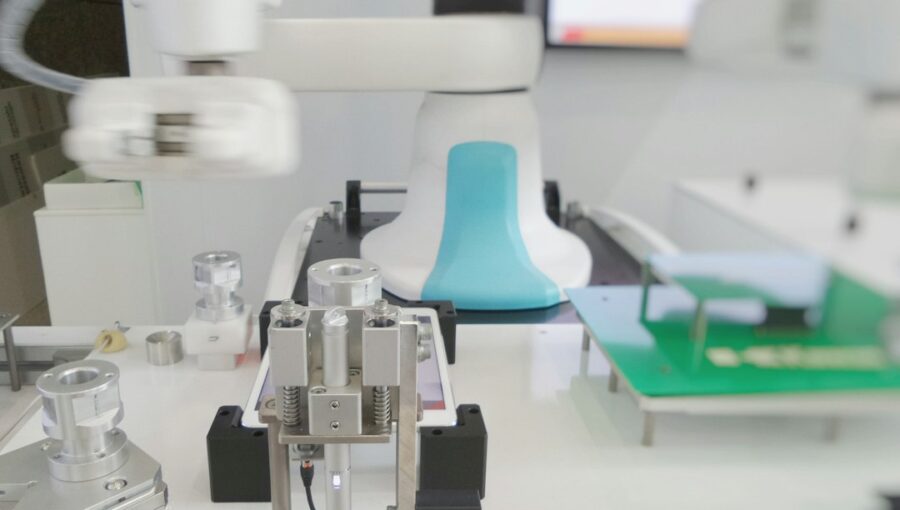
Cobots, or collaborative robots, are proving to be game-changers in precision manufacturing. They’re designed to work safely alongside human operators, taking on repetitive or ergonomically challenging tasks, which can significantly boost efficiency and consistency in delicate production processes. The real magic isn’t just about automation; it’s about intelligent collaboration, where the strengths of both humans and robots are leveraged. This article will dive into how to set them up, ensure everyone stays safe, and ultimately, how they can make your precision manufacturing lines much more efficient.
Understanding Cobots and Their Role
Cobots are a different breed of robot. Unlike traditional industrial robots, which often require safety cages and operate independently of human interaction during production, cobots are built to share a workspace with people. This isn’t just a marketing slogan; it’s fundamental to their design, incorporating features like force and speed monitoring, and intuitive programming. In precision manufacturing, where tasks often involve intricate assembly, fine adjustments, and quality control that demands human judgment, cobots can take on the monotonous, high-repetition aspects, freeing up human workers for more complex, cognitive-heavy roles.
What Makes a Robot “Collaborative”?
The key distinguishing features of a cobot revolve around safety and interaction. Primarily, they are equipped with sensors that allow them to detect collisions and stop or slow down accordingly. This inherent safety mechanism, often combined with rounded edges and limited power, is what enables their close proximity to human workers.
- Safety-Rated Monitored Stop: This means the cobot can halt its motion when a human enters its workspace and resume once the human leaves, without needing to be restarted.
- Hand Guiding: Operators can often physically move the cobot to program its path, making setup more intuitive and less reliant on complex coding.
- Speed and Separation Monitoring: The cobot adjusts its speed based on the distance to a human worker, slowing down as they get closer and stopping if they get too close.
- Power and Force Limiting: These cobots are designed to limit their force output, ensuring that even in the event of a collision, the impact is below injury thresholds. This is a crucial aspect for direct human interaction.
These characteristics collectively enable cobots to integrate seamlessly into existing production lines without the need for extensive, costly, and space-consuming safety barriers.
Why Precision Manufacturing Needs Cobots
Precision manufacturing is all about accuracy, repeatability, and minimal error. Tasks often involve microscopic components, delicate handling, and stringent quality checks. These are areas where human fatigue can lead to inconsistencies, but where traditional automation might lack the necessary dexterity or adaptability.
- Repeatability and Consistency: Cobots can perform the same motion thousands of times with micron-level accuracy, eliminating variations introduced by human fatigue or slight deviations in technique. This is invaluable in tasks like micro-assembly, precise dispensing, or component placement.
- Ergonomics and Injury Prevention: Many precision tasks involve repetitive motions, awkward postures, or handling small, fiddly parts for extended periods, which can lead to musculoskeletal injuries. Cobots can take over these physically demanding roles, improving worker well-being.
- Handling Delicate Components: With appropriate end-effectors (grippers), cobots can handle fragile or sensitive components with a consistent, gentle touch, reducing damage rates that might occur with manual handling.
- Enhanced Quality Control: Cobots can be integrated with vision systems to perform rapid and highly accurate quality inspections, checking for defects or misalignments that might be missed by the human eye over long shifts.
- Flexibility in Production: Precision manufacturing often involves high-mix, low-volume production. Cobots are generally easier to reprogram and re-deploy than traditional industrial robots, making them suitable for adapting to changing product specifications or smaller batch runs.
By integrating cobots, manufacturers can achieve a higher level of consistency and quality, reduce waste from errors, and create a safer, more engaging work environment for their human workforce.
In the realm of precision manufacturing, the integration of Collaborative Robots (Cobots) has revolutionized the industry by enhancing setup, safety, and efficiency. These advanced machines work alongside human operators, streamlining processes and reducing the risk of workplace injuries. For those interested in exploring the broader implications of technology in manufacturing, a related article can be found at this link, which discusses the importance of leveraging modern tools and strategies to optimize production workflows and improve overall operational effectiveness.
Key Takeaways
- The training data includes information and events up to October 2023.
- Insights and knowledge are based on a wide range of sources available until the cutoff date.
- No updates or developments occurring after October 2023 are included in the training.
- Users should verify current information from reliable sources for the latest updates.
- The model’s responses reflect the context and knowledge available up to the specified date.
Strategic Setup and Integration
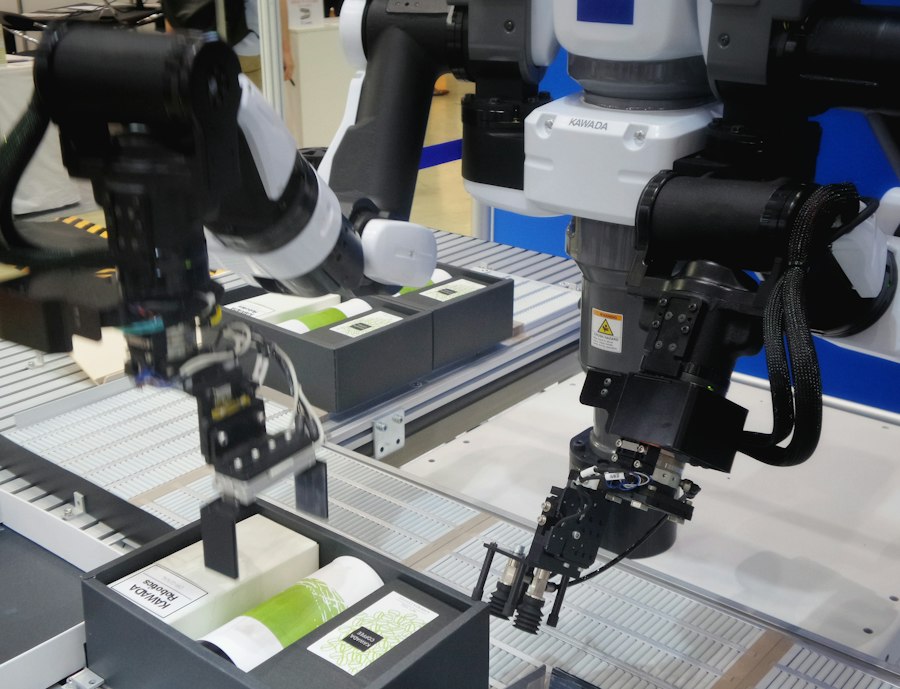
Deploying cobots successfully in precision manufacturing goes beyond simply buying one and plugging it in. It requires careful planning, thoughtful integration with existing processes, and a clear understanding of the specific tasks it will perform. A well-executed setup ensures maximum efficiency and a smooth transition.
Identifying Suitable Tasks for Cobot Collaboration
Not every task is a good fit for a cobot. The trick is to find the sweet spot where a cobot excels and complements human capabilities. This involves a thorough analysis of your current production line.
- Repetitive, High-Volume Tasks: If a human operator is performing the same precise motion hundreds or thousands of times a day, this is a prime candidate for a cobot. Examples include screw driving, gluing, part feeding, or pick-and-place operations for small components.
- Ergonomically Challenging Tasks: Tasks that require awkward postures, heavy lifting (even if components are small, the accumulated weight or repetitive strain can be significant), or fine motor skills for extended periods can lead to fatigue and injury. Cobots can relieve this burden.
- Tasks Requiring Consistent Force or Torque: For applications like delicate polishing, precise deburring, or consistent screw fastening, a cobot can apply a perfectly uniform force that’s difficult for a human to maintain.
- Quality Inspection Points: While humans are excellent at subjective judgment, cobots combined with vision systems can perform objective, high-speed inspections for specific defects or measurements with extreme accuracy and repeatability.
- Machine Tending: Loading and unloading parts from CNC machines, 3D printers, or injection molding machines is often repetitive and can expose workers to hot or sharp objects. Cobots can perform these tasks consistently.
It’s crucial to observe operators, gather data on cycle times, error rates, and any reported discomfort to accurately pinpoint these opportunities.
End-Effector Selection and Customization
The cobot itself is only half the story; its “hand” – the end-effector – is what truly defines its capability in precision manufacturing. Choosing or customizing the right end-effector is critical.
- Grippers: For picking and placing, different types of grippers are available:
- Pneumatic Grippers: Common, robust, and offer good gripping force, but less feedback on force applied.
- Electric Grippers: Offer more precise force control and feedback, essential for delicate parts, and often quieter than pneumatic.
- Vacuum Grippers: Ideal for flat, smooth, or oddly shaped objects that are easily handled by suction. Careful consideration is needed for porosity.
- Soft Grippers: Mimic human fingers, conforming to irregular shapes and offering very gentle handling for fragile or sensitive components.
- Force/Torque Sensors: Integrating these into the end-effector allows the cobot to feel its environment, applying consistent pressure for tasks like sanding, deburring, or precise assembly where components might have slight variations.
- Vision Systems: Essential for precision. Cameras mounted on the cobot or overlooking the workspace allow the cobot to locate parts, verify their orientation, detect defects, or guide its movements with extreme accuracy. This is particularly important for small, non-uniform, or randomly presented parts.
- Specialized Tools: For tasks like screw driving, dispensing adhesives, or soldering, specialized end-effectors that integrate the necessary tools are required. These often feature automatic tool changers if the cobot needs to perform multiple functions.
The end-effector must be chosen not only for its functionality but also for its ability to integrate seamlessly with the cobot’s programming interface and safety features. Customization is often necessary for highly specific or proprietary components.
Programming and Initial Deployment
Modern cobots are designed for user-friendliness, but effective programming for precision tasks still requires a structured approach.
The goal is to make the cobot perform its task accurately and repeatably.
- Teach Pendant Programming: Most cobots come with a graphical teach pendant, allowing operators to move the robot arm to desired positions and record waypoints. This is intuitive for simple pick-and-place but can become cumbersome for complex paths.
- Lead-Through Programming (Hand Guiding): This highly intuitive method allows an operator to physically move the cobot arm through the desired motions, which the cobot then records. It’s excellent for teaching complex trajectories or precise force applications.
- Offline Programming Software: For more complex applications, especially those involving many waypoints, vision systems, or intricate logic, offline software allows programmers to simulate the cobot’s movements and optimize its path before deploying it on the factory floor. This minimizes downtime.
- Integration with PLCs/MES: For true efficiency, the cobot needs to communicate with other machines and the factory’s manufacturing execution system (MES). This integration allows for automated part feeding, quality data logging, and seamless flow of materials and information.
- Defining Workflows and Triggers: The program needs clear start and end conditions, error handling routines, and triggers for interacting with human operators (e.g., waiting for part placement, signaling completion).
- Testing and Refinement: Initial deployment always involves extensive testing. Run the program with dummy parts, monitor for collisions (even with safety features, it’s good practice), check part quality, and refine the program parameters (speed, acceleration, force limits) until the desired precision and cycle time are achieved. This iterative process is crucial.
Successful deployment isn’t just about getting the cobot to move; it’s about making it a reliable, high-performing member of the production team.
Ensuring Workplace Safety
Safety is paramount when integrating cobots into a manufacturing environment, especially when they share the workspace with human operators. While cobots are inherently safer than traditional robots, a comprehensive safety strategy is still essential to prevent accidents and ensure compliance. This isn’t just about meeting regulations; it’s about fostering trust and a secure working environment.
Risk Assessment and Compliance Standards
Before a cobot even starts its first task, a thorough risk assessment is non-negotiable.
This process identifies potential hazards and determines the necessary safeguards.
- Identify Hazards: Think broadly about potential risks: collision with a human, entanglement with clothing or hair, pinch points, unexpected movements, ergonomic strain from interaction, electrical hazards, or even hazards from the end-effector or payload.
- Assess Risk Level: For each identified hazard, evaluate its likelihood and severity. This helps prioritize mitigation efforts. Consider factors like speed, force, payload weight, sharp edges on the end-effector, and the type of human interaction.
- Mitigate Risks: Develop strategies to reduce risks to an acceptable level.
This could involve physical barriers (even partial ones), limiting cobot speed, adding sensors, training, or modifying the task itself.
- Relevant Standards: Adherence to international and local safety standards is crucial. Key standards include:
- ISO 10218-1/2: These are the foundational standards for industrial robot safety, with specific requirements for collaborative operations.
- ISO/TS 15066: This technical specification provides detailed guidance on collaborative robot operations, including human pain threshold limits for different body parts and recommendations for speed and force settings.
- Machinery Directive 2006/42/EC (Europe): A broad directive that applies to machinery, including robots, ensuring safety through design and construction.
- OSHA (USA): While not specific to cobots, OSHA regulations cover general workplace safety and often reference ANSI/RIA R15.06 (the US equivalent of ISO 10218).
Regularly review and update the risk assessment, especially when new tasks are introduced, the workspace changes, or new personnel are involved.
Implementing Safety Features and Zones
Cobot safety is a multi-layered approach, leveraging the robot’s inherent features combined with external safeguards.
- Cobot’s Internal Safety Functions: As discussed earlier, these include force and speed limiting, safety-rated monitored stop, and hand guiding. These are the first line of defense.
- Safety-Rated Software Limits: Configure the cobot’s software to restrict its movement envelope to the minimum necessary for the task, preventing it from reaching into areas where humans might be, or from moving too close to machinery.
- Safety Laser Scanners/Light Curtains: These external sensors create dynamic safety zones.
When a human enters a “warning zone,” the cobot might slow down. If they enter a “safeguarded zone,” the cobot will safely stop. These are critical for applications where the cobot’s full range of motion might extend beyond a fixed boundary.
- Safety Mats: Pressure-sensitive mats placed on the floor can detect human presence and trigger a cobot stop.
- Two-Hand Control/Enabling Devices: For certain operations where a human must be in very close proximity, requiring two hands to initiate a cobot movement ensures the operator’s hands are away from the danger zone.
Enabling devices (buttons held down by the operator) ensure the cobot only moves when the operator is actively supervising.
- Emergency Stop Buttons: Easily accessible E-stop buttons, both on the cobot and within the work cell, are a fundamental safety requirement. They should immediately cut power to the robot and bring it to a halt.
- Visual and Audible Cues: Use warning lights (e.g., flashing when the cobot is in motion) or audible alarms to indicate cobot status or impending movements, especially in noisy environments.
The choice of external safety features depends heavily on the risk assessment and the level of interaction required.
Training and Human-Robot Interaction Protocols
Even the safest technology needs well-trained users. Human error is a significant factor in accidents, so comprehensive training and clear protocols are essential.
- Operator Training: All personnel working near or with the cobot must receive thorough training.
This includes:
- Basic Cobot Operation: How to start, stop, and acknowledge errors.
- Safety Features and Emergency Procedures: Understanding the E-stop, safety zones, and what to do in case of an unexpected event.
- Cobot’s Limitations: What the cobot can and cannot do safely.
- Proper Interaction Techniques: How to hand-guide, load parts, or clear jams safely.
- Recognizing Malfunctions: How to identify unusual behavior from the cobot.
- Maintenance Personnel Training: Technicians need specialized training on troubleshooting, repair, and safe maintenance procedures, including lockout/tagout protocols for maintenance when power is applied.
- Programmer Training: Those responsible for programming the cobot must understand how to implement safety limits, error handling, and integrate safety devices into the cobot’s logic.
- Clear Work Instructions: Develop and display clear, concise work instructions and standard operating procedures (SOPs) for all cobot-assisted tasks. These should include safety warnings and steps to follow.
- Defined Roles and Responsibilities: Clearly define who is responsible for cobot setup, programming, operation, maintenance, and safety monitoring.
- Communication Protocols: Establish clear communication channels between human operators and the cobot, perhaps through visual indicators or simple interface elements, to prevent misunderstandings or unexpected actions.
- Regular Safety Drills: Periodically conduct safety drills to ensure operators know how to respond to emergencies and that safety systems are functioning correctly.
- Feedback Mechanism: Create a system for operators to report safety concerns, near-misses, or suggest improvements to the cobot cell. This continuous feedback loop is vital for ongoing safety improvements.
A culture of safety, reinforced by training and clear procedures, is the bedrock of successful and secure cobot integration.
Maximizing Operational Efficiency
The primary driver for implementing cobots in precision manufacturing, beyond safety and ergonomics, is the promise of increased efficiency. This isn’t just about faster production, but about smarter production – higher quality, less waste, and greater throughput. Unlocking this potential requires optimizing the cobot’s performance and integrating it effectively into the broader manufacturing ecosystem.
Optimizing Cycle Times and Throughput
Even subtle improvements in a cobot’s operation can lead to significant gains in overall efficiency, especially in high-volume precision tasks.
- Path Optimization: The shortest path isn’t always the fastest. Cobots can be taught paths that minimize acceleration and deceleration, leading to smoother, quicker movements without jerking. Offline simulation software is invaluable here for exploring and optimizing different trajectories.
- Speed and Acceleration Tuning: Experiment with increasing the cobot’s speed and acceleration to the maximum safe limits for the specific task and payload. While safety is paramount, many cobots are initially configured conservatively.
- Minimizing Idle Time: Ensure the cobot is always busy. This involves optimizing the timing of part presentation, processing, and removal. If the human operator is slowed down by the cobot, or vice versa, there’s an inefficiency.
- Concurrent Operations: If possible, design the work cell so the cobot can perform part of its task while the human operator is performing another, or while another machine is processing. For example, the cobot might pick the next part while the previous one is still being processed by a machine.
- Optimized Gripper/Tool Changes: If the cobot performs multiple tasks requiring different end-effectors, ensure tool changes are automated and as quick as possible, using efficient tool changing stations.
- Error Recovery Strategies: A well-programmed cobot will have robust error handling routines. This means it can quickly recover from minor issues (e.g., failed pick, slight misalignment) without requiring human intervention, minimizing downtime.
- Batching and Sequencing: For tasks involving multiple similar parts, optimize the batch size and sequencing of operations to reduce setup changes and maximize continuous operation.
Small percentage gains in cycle time can translate into substantial increases in daily throughput.
Data Collection and Performance Monitoring
You can’t improve what you don’t measure. Robust data collection is crucial for understanding cobot performance and identifying areas for further optimization.
- Cycle Time Tracking: Monitor the time it takes for the cobot to complete each task cycle. Look for consistency and identify any unexplained variations.
- Throughput Metrics: Track the number of parts processed per hour or shift. This is the ultimate measure of production efficiency.
- Error Rate Monitoring: Record the number of errors the cobot encounters (e.g., failed picks, misalignments, quality rejections). This highlights areas where programming or end-effector design might need refinement.
- Downtime Analysis: Log all instances of cobot downtime, categorizing them by cause (e.g., human intervention, maintenance, malfunction, material shortage). This helps identify bottlenecks and reliability issues.
- Quality Data: If the cobot is involved in quality checks, collect and analyze the data it generates. This can provide early warnings of process drift.
- Predictive Maintenance: Monitor cobot motor currents, joint temperatures, and other internal diagnostics. This data can be used to predict potential failures, allowing for proactive maintenance and minimizing unscheduled downtime.
- Integration with MES/SCADA Systems: Feed all this data into your manufacturing execution system (MES) or supervisory control and data acquisition (SCADA) system. This provides a holistic view of the production line and allows for real-time adjustments and long-term analysis.
Regular analysis of this data allows for continuous improvement, uncovering subtle inefficiencies and validating the impact of changes made to the cobot’s operation.
Continuous Improvement and Adaptability
The manufacturing landscape is rarely static. Products evolve, processes change, and new technologies emerge. Cobots, with their inherent flexibility, are well-suited for continuous improvement.
- Iterative Process Refinement: Once a cobot is deployed, don’t consider its setup fixed. Continuously look for ways to improve its performance. Involve operators in this process, as they often have the best insights into day-to-day challenges.
- Process Parameter Adjustments: As production volume changes or material properties shift slightly, adapt the cobot’s parameters (speed, force, grip pressure) to maintain optimal performance.
- New Task Integration: As production needs change, consider if the cobot can be repurposed or adapted to take on new tasks. Its ease of reprogramming makes this much more feasible than with traditional automation.
- Modular Tooling: Design end-effectors and fixtures to be easily interchangeable, allowing the cobot to adapt to different product variations or assembly steps with minimal downtime.
- Software Updates and Enhancements: Cobot manufacturers regularly release software updates that can improve performance, add new features, or enhance safety. Stay current with these updates.
- Lean Manufacturing Principles: Apply Lean principles to cobot work cells. Eliminate waste, reduce unnecessary movements, and streamline workflows around the cobot.
- Upskilling Workforce: As cobots take on repetitive tasks, train human operators in higher-level skills such as cobot programming, maintenance, and process optimization. This makes your workforce more versatile and valuable.
- Future-Proofing: When investing in cobots, consider their scalability and compatibility with future technologies (e.g., advanced AI, new sensor types). Choose platforms that allow for easy expansion and integration.
By embracing a mindset of continuous improvement, manufacturers can ensure their cobot investments continue to deliver value and adapt to evolving production demands, keeping them competitive in the precision manufacturing space.
In the realm of precision manufacturing, the integration of Collaborative Robots, or cobots, has revolutionized the way tasks are performed, enhancing both setup and efficiency while prioritizing safety. For those looking to delve deeper into the impact of technology on manufacturing processes, a related article discusses the best software for literature review, which can provide valuable insights into the latest advancements and research in this field. You can explore this further by visiting this link. The synergy between cobots and advanced software tools is paving the way for a more streamlined and effective manufacturing environment.
Long-Term Benefits and Strategic Impact
| Metric | Description | Typical Value / Range | Impact on Precision Manufacturing |
|---|---|---|---|
| Setup Time | Time required to integrate and program cobots for a new task | 2-8 hours | Reduces downtime, enabling faster production changeovers |
| Safety Compliance Level | Adherence to safety standards such as ISO/TS 15066 | 100% compliance required | Ensures safe human-robot collaboration, minimizing accidents |
| Payload Capacity | Maximum weight cobot can handle precisely | 3-20 kg | Determines suitability for handling delicate or heavy components |
| Repeatability | Precision of cobot in returning to a programmed position | ±0.02 mm to ±0.1 mm | Critical for maintaining high-quality manufacturing tolerances |
| Cycle Time Reduction | Percentage decrease in production cycle time after cobot integration | 15-40% | Improves throughput and operational efficiency |
| Energy Consumption | Average power usage during operation | 50-150 W | Lower energy use contributes to sustainable manufacturing |
| Downtime Due to Maintenance | Average hours of downtime per month for cobot maintenance | 1-3 hours | Minimizing downtime ensures continuous production flow |
| Operator Training Time | Time required to train staff to operate and program cobots | 1-3 days | Faster training accelerates adoption and effective use |
Beyond immediate gains in efficiency and safety, integrating cobots into precision manufacturing offers significant long-term strategic advantages. These benefits can shape a company’s competitiveness, foster innovation, and redefine its human capital strategy. It’s about building a more resilient, adaptable, and attractive manufacturing operation.
Enhancing Quality and Reducing Waste
Precision manufacturing lives and dies by quality. Cobots contribute to a step change in quality consistency and waste reduction, directly impacting profitability and brand reputation.
- Unwavering Repeatability: Human operators, even the most skilled, can experience fatigue, distraction, or subtle variations in technique. Cobots perform tasks with exact repeatability, eliminating human-induced variations that can lead to defects in precision components. This is critical for processes requiring micron-level accuracy.
- Reduced Human Error: Many quality issues stem from simple errors: misplacing a component, applying incorrect force, or missing a step in an intricate assembly. Cobots, when programmed correctly, do not make these types of errors, leading to a dramatic reduction in scrap and rework.
- Consistent Process Parameters: For tasks like dispensing adhesives, applying coatings, or tightening fasteners, cobots ensure consistent application of force, speed, and volume. This consistency translates directly into higher product quality and reliability, as well as predictable material usage.
- Early Defect Detection: Integrated vision systems allow cobots to perform rapid, objective quality checks at various stages of production. They can identify misalignments, surface imperfections, or incorrect component presence far more consistently and quickly than a human inspector over extended periods. This early detection prevents defective parts from progressing further down the line, saving significant costs associated with rework or final product rejection.
- Optimized Material Usage: Precise application by cobots can reduce material waste, especially for expensive components or consumables like glues, resins, or specialized coatings.
- Improved Traceability: When combined with data collection systems, cobots can log precise information about each step of the manufacturing process for every individual part. This enhanced traceability is invaluable for quality assurance, compliance, and root cause analysis if a defect does occur.
By delivering superior, consistent quality and significantly cutting waste, cobots directly contribute to a stronger bottom line and a reputation for excellence in precision products.
Workforce Development and Skill Upgrading
The introduction of cobots fundamentally shifts the roles and responsibilities within a manufacturing workforce. Rather than replacing workers, they augment human capabilities, leading to opportunities for skill development and higher-value roles.
- Relief from Repetitive and Dangerous Tasks: Cobots free human operators from dull, dirty, and dangerous jobs. This improves job satisfaction, reduces the risk of musculoskeletal disorders, and allows workers to focus on more engaging and cognitively demanding activities.
- Upskilling Opportunities: As cobots handle manual tasks, human workers can be trained in higher-level skills such as:
- Cobot Programming and Operation: Learning to program, troubleshoot, and fine-tune cobot performance.
- Process Optimization: Analyzing data from cobots to identify bottlenecks and implement continuous improvement initiatives.
- Advanced Quality Control: Focusing on complex visual inspections or subjective judgments that still require human intelligence.
- Maintenance and Repair: Developing skills in robotic maintenance and mechatronics.
- Data Analysis: Interpreting production data to drive strategic decisions.
- Shift to Supervisory and Monitoring Roles: Instead of performing manual tasks, operators become “cobot supervisors,” overseeing multiple cobots, ensuring their smooth operation, and intervening when necessary.
- Increased Job Satisfaction and Engagement: By removing monotonous tasks and offering opportunities for skill growth, cobots can lead to a more engaged and motivated workforce. Workers feel more valued when contributing to problem-solving and optimization rather than repetitive manual labor.
- Attracting New Talent: Modern manufacturing environments that leverage advanced robotics are often more attractive to younger, tech-savvy generations entering the workforce, helping to address skilled labor shortages.
- Enhanced Problem-Solving: With cobots handling routine operations, human teams have more time to dedicate to complex problem-solving, innovation, and product development, fostering a more dynamic work environment.
This evolution of the workforce isn’t just a byproduct of cobot integration; it’s a strategic imperative that builds a more skilled, adaptable, and valuable human capital asset for the future.
Increased Business Agility and Competitiveness
In today’s rapidly changing global market, manufacturing businesses need to be agile to remain competitive. Cobots contribute significantly to this agility.
- Faster Product Introduction: The ease of reprogramming and reconfiguring cobots means new products or product variations can be brought to market much faster. Setup times for new production runs are significantly reduced compared to traditional automation.
- Flexibility for High-Mix, Low-Volume Production: Precision manufacturing often involves producing many different product variations in smaller batches. Cobots excel here because they can be quickly reprogrammed for different tasks and integrated into flexible manufacturing cells, making them ideal for agile production.
- Scalability: Companies can start with a single cobot for a specific bottleneck and gradually scale up their automation as needed, adding more cobots or integrating them into more complex systems. This incremental approach reduces initial investment risk.
- Better Resource Utilization: By automating repetitive tasks, human resources can be reallocated to higher-value activities like R&D, complex assembly, sales, or customer service, maximizing the strategic impact of the workforce.
- Reduced Operational Costs (Long-Term): While there’s an initial investment, the long-term cost savings from reduced labor costs for repetitive tasks, lower error rates, less scrap, and improved quality can be substantial.
- Improved Production Planning and Predictability: Cobots perform tasks with consistent cycle times, which leads to much more predictable production outputs. This improves planning, scheduling, and delivery reliability, enhancing customer satisfaction.
- Enhanced Brand Image: Companies that embrace advanced technology like cobots often project an image of innovation, efficiency, and high quality, which can attract both customers and top talent.
- Resilience to Labor Fluctuations: In regions facing labor shortages or high labor turnover, cobots provide a reliable and consistent workforce for critical tasks, enhancing operational resilience.
Ultimately, by embracing cobots, precision manufacturers are not just automating tasks; they are building a more flexible, efficient, and intelligent production system that can adapt to future challenges and maintain a strong competitive edge in a demanding global market.
FAQs
What are collaborative robots (cobots) in precision manufacturing?
Collaborative robots, or cobots, are robots designed to work alongside humans in a shared workspace. In precision manufacturing, cobots are used to assist human workers in tasks that require high accuracy and repeatability.
How are cobots set up in precision manufacturing environments?
Cobots are typically easy to set up and program, often using intuitive interfaces that allow non-experts to teach the robot tasks. They can be mounted on mobile platforms or fixed to a specific location depending on the manufacturing needs.
What safety features do cobots have in precision manufacturing settings?
Cobots are equipped with various safety features such as sensors, vision systems, and force-limiting technology to ensure safe interaction with human workers. They can detect obstacles, slow down or stop when a person enters their workspace, and have built-in emergency stop buttons.
How do cobots improve efficiency in precision manufacturing processes?
Cobots can work continuously without breaks, reducing cycle times and increasing overall productivity. They can also handle repetitive tasks with precision, freeing up human workers to focus on more complex or strategic aspects of the manufacturing process.
Can cobots be integrated with existing manufacturing equipment?
Yes, cobots are designed to be easily integrated with existing manufacturing equipment such as CNC machines, conveyor belts, and inspection systems. They can be programmed to work in coordination with other machines to streamline the production process.
Enjoying our content? Make us a preferred source on Google:
Add us as a Preferred Source on Google