

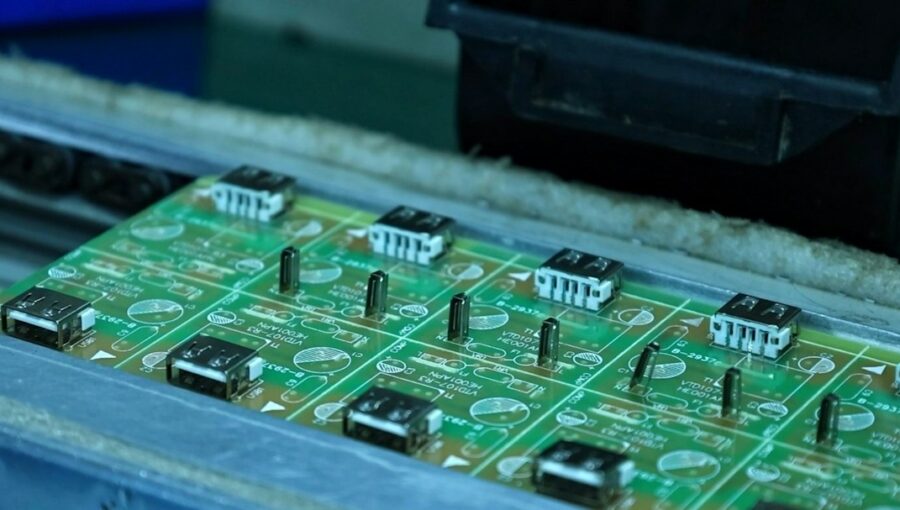
Circular electronics, specifically through modular design, is a powerful approach to tackling the growing problem of e-waste. Instead of tossing out entire devices when one component fails or becomes outdated, modular designs allow us to easily repair, upgrade, and even repurpose individual parts. This fundamentally shifts electronics from a linear “take-make-dispose” model to a circular one, where resources are kept in use for as long as possible. It’s about designing products with their entire lifecycle in mind, right from the start, making repair and recycling much more feasible and less resource-intensive.
The E-Waste Problem: A Pressing Need for Change
Let’s be frank: our current approach to electronics is unsustainable. We’re generating mountains of e-waste, which is not only an environmental disaster but also a significant economic loss. Think about all those valuable materials – precious metals, rare earth elements – buried in landfills or poorly recycled.
The Scale of the Issue
The sheer volume of e-waste is staggering. Millions of tons are produced globally each year, and that number is projected to grow significantly. This isn’t just about old phones and laptops; it includes everything from refrigerators to medical equipment. Much of this waste contains hazardous materials like lead, mercury, and cadmium, which can leach into soil and water, posing serious health risks.
Economic and Resource Implications
Beyond the environmental dangers, e-waste represents a huge squandering of resources. Extracting virgin materials is energy-intensive and often environmentally damaging. By failing to properly recycle and reuse electronic components, we’re effectively throwing away valuable raw materials that could be reintroduced into the manufacturing cycle. This also creates supply chain vulnerabilities, as many of these materials are sourced from a limited number of regions. It’s a lose-lose situation.
The Linear Model’s Flaws
Our current “linear” model of electronics consumption encourages rapid obsolescence. Products are designed to be cheap to manufacture but difficult or impossible to repair. Components are often glued or soldered together, making disassembly a nightmare. Software updates can deliberately slow down older devices, prompting users to upgrade. This entire system is built on planned obsolescence and encourages a throwaway culture, which is precisely what modular design aims to counteract.
In the ongoing discussion about sustainable technology, the article on the iPhone 14 Pro highlights the importance of design choices in reducing electronic waste. By examining how modular design can be integrated into consumer electronics, we can draw parallels to the principles outlined in the article on Circular Electronics: Implementing Modular Design to Eliminate E-Waste. This approach not only promotes longevity and repairability but also aligns with the growing demand for environmentally responsible products. For more insights on innovative design in modern devices, you can read the article here: What is Special About the iPhone 14 Pro?.
Key Takeaways
- The training data includes information and events up to October 2023.
- Insights and knowledge are based on a wide range of sources available until the cutoff date.
- No updates or developments occurring after October 2023 are included in the training.
- Users should verify current information from reliable sources for the latest updates.
- The model’s responses reflect the context and knowledge available up to the specified date.
Understanding Modular Design in Electronics

Modular design isn’t a new concept, but its application to electronics, particularly with a circular economy mindset, is gaining traction. At its core, it’s about breaking down a complex product into smaller, independent, and interchangeable units or modules.
Core Principles of Modularity
The fundamental idea is that each module performs a specific function and can be removed or replaced without affecting the rest of the system. Think of it like building with LEGO bricks; each brick serves a purpose and can be swapped out for another. In electronics, this means components like batteries, displays, cameras, or even processors could be self-contained modules.
Benefits Beyond Repairability
While repairability is a huge driver for modular design, the benefits extend much further. It simplifies manufacturing and assembly, as standardized modules can be produced in larger quantities and then combined in various ways. It also allows for easier diagnosis of faults; if a component fails, you only need to replace that specific module, not the entire device. This can significantly reduce maintenance costs and downtime.
Examples in Action (and Why We Need More)
Some companies have already explored modular design. Remember Project Ara, Google’s ambitious but ultimately shelved modular smartphone? While it didn’t take off commercially, it showcased the potential of such an approach. More recently, companies like Fairphone have successfully brought modular smartphones to market, demonstrating that it’s not just a pipe dream. These examples highlight that while challenging, it is absolutely achievable. The challenge now is to make it the norm, not the exception.
Design Considerations for Modularity
Implementing modularity isn’t as simple as just slapping things together. It requires careful planning. You need standardized interfaces between modules, clear labeling, and user-friendly fastening mechanisms (like screws instead of glue). The modules themselves need to be robust enough to withstand multiple removals and insertions. There’s also the question of software integration – how do different modules communicate and work together seamlessly? These are all engineering challenges, but surmountable ones with the right mindset.
Operationalizing Modularity for a Circular Economy
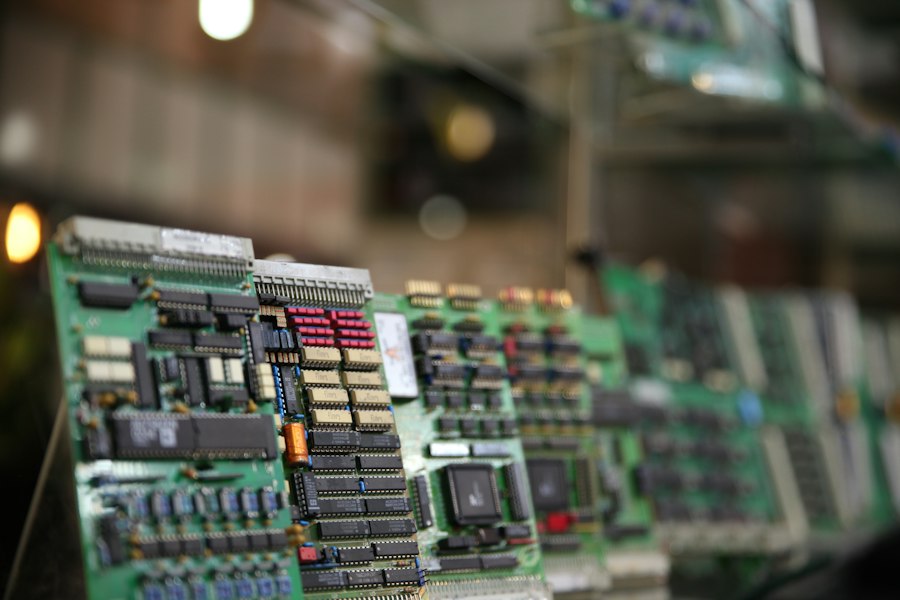
Putting modular design into practice requires more than just a good engineering blueprint. It necessitates a shift in how companies operate, how consumers interact with products, and even how regulations are shaped.
Designing for Disassembly
This is perhaps the most critical operational aspect. Products must be designed from the ground up with disassembly in mind. This means using common fasteners (screws over proprietary ones), minimizing the use of adhesives, and clearly marking components.
The tools required for disassembly should be standard and readily available, not specialized equipment only accessible to authorized repair centers. The easier a product is to take apart, the more likely it is to be repaired, upgraded, and ultimately recycled.
Standardized Interfaces and Components
For modularity to truly flourish, we need a greater degree of standardization. Imagine if every smartphone battery or camera module used a similar connection standard.
This would allow for cross-brand compatibility and reduce the need for manufacturers to produce highly specialized, single-use components. While complete standardization across the industry might be a long shot, even within a brand or product line, it can yield significant benefits. This also ties into the concept of creating an “ecosystem” of interchangeable parts.
The Role of Software Updates and Compatibility
Hardware modularity is only half the battle.
Software plays a crucial role in how different components communicate and function. Manufacturers need to commit to providing long-term software support for modular devices, ensuring that older modules can still function with newer system updates. This might mean designing operating systems to be more adaptable to varying hardware configurations, moving away from tightly integrated, hardware-specific software.
Open-source initiatives could play a significant role here, fostering compatibility.
Reverse Logistics and Supply Chains
A circular economy relies heavily on effective reverse logistics – the process of bringing products and components back into the supply chain. For modular electronics, this means setting up systems for collecting old modules, testing them, repairing them, and then redistributing them as spare parts or for reuse in new products. This requires investment in infrastructure, from collection points to refurbishment centers.
Manufacturers might also need to rethink their relationships with repair shops and recyclers, seeing them as essential partners rather than external entities.
Business Model Innovation
The traditional business model of selling a product once and moving on doesn’t fit well with circular electronics. Companies might need to explore new models, such as “product-as-a-service,” where they retain ownership of the device and are responsible for its maintenance and end-of-life management. Alternatively, they could offer subscription services for upgrades, where customers pay a fee to always have access to the latest components.
This shifts the incentive from selling new devices to maximizing the lifespan and value of existing ones.
The Economic and Environmental Upsides
Implementing circular electronics through modular design isn’t just about doing the “right thing”; it also offers tangible economic and environmental benefits for businesses and consumers alike.
Reduced Manufacturing Costs (Potentially)
While the initial design and engineering effort for modular products might be higher, the long-term manufacturing costs could decrease. Standardizing components and allowing for easier repair and refurbishment means fewer new raw materials are needed.
It can also lead to more efficient production lines for standardized modules.
Furthermore, the ability to reuse components means that the value embedded in those materials is retained, reducing reliance on volatile raw material markets.
New Revenue Streams and Business Opportunities
Modular design opens up new avenues for revenue. Companies can sell individual modules as upgrades, spare parts, or even offer subscription services for module refreshes. This creates an ongoing relationship with the customer beyond the initial purchase. It also fosters a repair economy, creating jobs for technicians and businesses specializing in component refurbishment and resale. Think of the market for used car parts – a similar ecosystem could develop for electronics.
Extended Product Lifespans and Consumer Savings
For consumers, the most immediate benefit is the ability to extend the life of their devices. Instead of buying a whole new smartphone because the battery is failing, they can simply swap out the battery module.
This saves money in the long run and reduces the financial pressure to constantly upgrade.
It also empowers users to maintain their own devices, fostering a sense of ownership and reducing reliance on manufacturer-specific repair services.
Environmental Benefits: Less Waste, Lower Footprint
This is the big one. By designing for longevity, repairability, and reuse, we drastically reduce e-waste. Fewer devices end up in landfills or are shipped overseas for often rudimentary and polluting recycling. This also means a significant reduction in the environmental footprint associated with manufacturing new products – less energy consumption for extraction and processing, and fewer emissions. It contributes directly to a healthier planet.
Resource Security and Resilience
By reducing our reliance on virgin materials, modular design enhances resource security. It makes supply chains less vulnerable to geopolitical instability or fluctuations in commodity prices. Instead of constantly mining for new metals, we can increasingly rely on a closed loop system where existing materials are continuously cycled back into production. This creates a more resilient and sustainable economy.
In the pursuit of sustainable technology, the concept of circular electronics is gaining traction, particularly through the implementation of modular design to eliminate e-waste. This innovative approach allows consumers to upgrade or replace specific components of their devices rather than discarding the entire product. A related article discusses how smartwatches are enhancing connectivity while also considering their environmental impact. For more insights on this topic, you can read about it here. By focusing on modular designs, the tech industry can significantly reduce waste and promote a more sustainable future.
Overcoming Challenges and Fostering Adoption
| Metric | Value | Unit | Description |
|---|---|---|---|
| Average Device Lifespan Increase | 30 | Months | Extended lifespan due to modular design allowing easy repairs and upgrades |
| Reduction in E-Waste Generation | 40 | Percent | Decrease in electronic waste from modular electronics compared to traditional devices |
| Recyclability Rate | 85 | Percent | Percentage of components that can be recycled or reused in modular electronics |
| Repairability Score | 9.2 | Out of 10 | Average repairability rating for modular electronic devices |
| Modular Component Replacement Rate | 70 | Percent | Proportion of devices with at least one replaced module during their lifecycle |
| Energy Savings in Manufacturing | 25 | Percent | Reduction in energy consumption due to modular design and standardized parts |
| Consumer Adoption Rate | 15 | Percent | Percentage of consumers currently using modular electronic devices |
While the benefits are clear, widespread adoption of modular design in electronics faces several hurdles. Addressing these challenges is key to making circular electronics a reality.
The “Disposable” Mindset
Both manufacturers and consumers have become accustomed to a “disposable” culture. Manufacturers benefit from planned obsolescence, driving new sales. Consumers often prefer the convenience of buying new rather than repairing, especially if repairs are costly or difficult. Shifting this mindset requires education, policy incentives, and demonstrable benefits from modular products. We need to show people that repair is easier, cheaper, and more sustainable.
Initial Design and Engineering Costs
Designing products with modularity in mind can be more complex and potentially more expensive upfront. It requires a different approach to engineering, focusing on standardization, robust interfaces, and ease of assembly/disassembly. Companies might be hesitant to invest in these initial costs without a clear return on investment or market demand. Government grants or subsidies for circular design innovation could help mitigate this.
Intellectual Property and Control
Manufacturers often guard their designs fiercely, using proprietary components and repair processes to maintain control over their products and capture aftermarket revenue. Modular design inherently pushes towards more open standards and greater accessibility, which can clash with existing intellectual property strategies. Balancing innovation with openness will be a crucial challenge. Regulatory pushes for “right to repair” are already starting to address this, but more is needed.
Ensuring Compatibility and Quality
With multiple manufacturers potentially producing modules, ensuring compatibility and consistent quality can be difficult. How do you guarantee that a battery module from one brand works perfectly with a display module from another, and that both meet safety and performance standards? Industry-wide collaboration, certification programs, and open specifications will be vital to build trust and ensure interoperability.
The Role of Regulation and Policy
Government intervention will likely be necessary to accelerate adoption. This could include:
Extended Producer Responsibility (EPR) Schemes
These schemes hold manufacturers accountable for the entire lifecycle of their products, including end-of-life management. Stronger EPR laws could incentivize modular design by making it more financially attractive for companies to design for repair and recycling. If companies have to pay for the disposal of their products, they’ll be more inclined to design products that minimize that cost.
“Right to Repair” Legislation
Laws that mandate access to parts, tools, and repair information for consumers and independent repair shops are crucial. This empowers the repair economy and reduces the manufacturer’s monopoly on repairs, directly supporting the modular approach. Such legislation has already gained traction in several regions, but needs to become widespread.
Eco-design Requirements
Governments could introduce minimum eco-design requirements for electronic products, mandating aspects like reparability scores, minimum lifespan guarantees, and the use of modular components for certain parts. This would level the playing field and prevent companies from gaining an unfair advantage by producing non-reparable, disposable goods.
Tax Incentives and Subsidies
Financial incentives for companies that invest in circular design, modular manufacturing, or infrastructure for reverse logistics could encourage adoption. Similarly, taxes on virgin material extraction or non-reparable products could shift market dynamics.
Ultimately, transitioning to circular electronics through modular design is a systemic change. It requires collaboration across the industry, supportive policy frameworks, and a shift in consumer expectations. It’s a journey, but one that promises a more sustainable and resilient future for our technological world.
FAQs
What is circular electronics?
Circular electronics refers to the concept of designing electronic devices in a way that allows for easy disassembly, repair, and recycling, ultimately aiming to reduce electronic waste.
How does modular design help eliminate e-waste?
Modular design in electronics involves creating devices with components that can be easily replaced or upgraded, extending the lifespan of the product and reducing the need for frequent replacements, thus reducing e-waste.
What are the benefits of implementing circular electronics?
Implementing circular electronics can lead to a significant reduction in electronic waste, lower resource consumption, increased product longevity, easier recycling processes, and a more sustainable approach to manufacturing electronic devices.
Are there any challenges in transitioning to circular electronics?
Some challenges in transitioning to circular electronics include the need for changes in design processes, potential resistance from manufacturers accustomed to traditional production methods, and the initial investment required to implement new design strategies.
How can consumers contribute to the success of circular electronics?
Consumers can contribute to the success of circular electronics by choosing products from companies that prioritize sustainability, properly disposing of old electronics at designated recycling facilities, supporting initiatives that promote e-waste reduction, and advocating for more eco-friendly electronic design practices.
Enjoying our content? Make us a preferred source on Google:
Add us as a Preferred Source on Google