

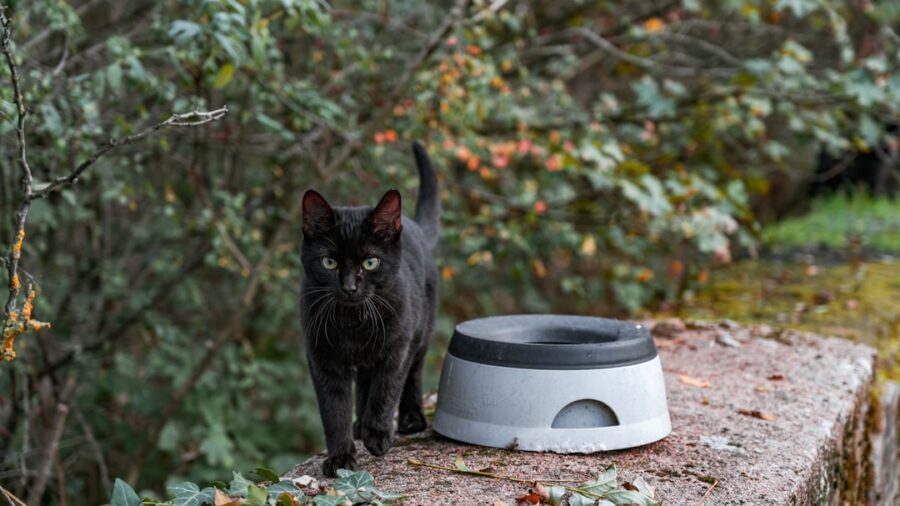
Let’s talk about building a smart pet feeder that hooks up to your home security cameras. It sounds pretty high-tech, right? But honestly, it’s more about bringing together a few existing technologies to give you a bit more peace of mind and control over your furry friend’s meals, especially when you’re not around. Think of it as a way to keep an eye on your pet and make sure they’re fed, all without needing a dedicated pet-sitting service for every trip. We’ll dive into what this involves, why you might want it, and how you could actually put it together.
So, you’re wondering why you’d want to combine these two things. It’s not just about having a gadget that dispenses kibble on a timer. The real value comes from the insights and convenience it offers. Imagine being out of town and being able to see your pet eating, not just assume they are. Or getting a notification that they’ve been fed, and then being able to check the camera to see if they’re enjoying their meal or if something else is going on. This isn’t about being overly controlling; it’s about understanding your pet’s routine and well-being, especially if they have special dietary needs or health concerns.
Peace of Mind When You’re Away
This is probably the biggest driver for most people. Whether you’re at work, on vacation, or just running errands, you can’t always be there to physically put down your pet’s food. A smart feeder automates this, but the camera takes it to the next level. You can visually confirm your pet is eating, which is reassuring. It also helps if you have multiple pets and want to ensure everyone is getting their share. You can watch and verify.
Managing Dietary Needs and Health
For pets with specific health issues, like diabetes or allergies, consistent feeding schedules are crucial. A smart feeder ensures this happens, even if you forget or are delayed.
Adding the camera allows you to monitor their eating habits.
Is your pet eating enthusiastically? Are they leaving food behind? This visual cue can be a surprisingly early indicator of illness or a change in their appetite, which is always worth noting.
Understanding Pet Behavior
Pets can be curious creatures, and sometimes their antics are best observed remotely. When the feeder dispenses food, what does your pet do?
Do they eagerly dive in?
Do they seem hesitant? Are they interacting with the feeder in a funny way? The camera feed, paired with the feeding schedule, can offer a window into their daily routines and personalities when you’re not physically present. It’s also useful for troubleshooting if your pet is acting strangely around the feeder.
Convenience and Automation
Let’s face it, life gets busy. Sometimes remembering to feed your pet on time, especially if you have a complex schedule, can be a challenge. A smart feeder handles this automatically. When you integrate it with your camera system, you get a complete, automated solution. You set it, you forget it (mostly), and you can check in whenever you want. It streamlines a daily chore and adds a layer of modern convenience.
In the realm of smart home technology, innovations like a smart pet feeder integrated with home security camera feeds are gaining popularity for their convenience and functionality. For those interested in enhancing their home setup, exploring the latest advancements in technology can be beneficial. A related article that discusses the best HP laptops of 2023 can provide insights into the devices that can complement such smart home systems. You can read more about it here: The Best HP Laptop 2023.
Key Takeaways
- Clear communication is essential for effective teamwork
- Active listening is crucial for understanding team members’ perspectives
- Setting clear goals and expectations helps to keep the team focused
- Regular feedback and open communication can help address any issues early on
- Celebrating achievements and milestones can boost team morale and motivation
Core Components of Your Smart Feeder System
Alright, so what do you actually need to build this thing? It’s not magic; it’s a combination of off-the-shelf parts and some DIY ingenuity. You’re essentially creating a connected ecosystem where the feeder and the camera can talk to each other, or at least, you can monitor them both through a central hub.
The Smart Pet Feeder Itself
This is the heart of the operation. You have a few options here, ranging from commercially available smart feeders to building your own from scratch.
Off-the-Shelf Smart Feeders
There are tons of smart feeders on the market now. Many of them connect to your Wi-Fi and have companion apps. You can usually set feeding schedules, control portion sizes, and sometimes even get notifications when food is dispensed. The key here is to look for one that offers an API or some kind of integration capability, or at the very least, one that you can reliably monitor its status remotely.
- Wi-Fi Connectivity: Essential for remote control and notifications.
- App Control: Allows you to set schedules, portion sizes, and manage settings from your smartphone.
- Reliability: Look for feeders with good reviews regarding consistent operation.
- Portion Control: Crucial for managing your pet’s diet.
DIY Smart Feeder Options
If you’re feeling ambitious, you can build your own. This usually involves a microcontroller (like an Arduino or Raspberry Pi), a motor to dispense the food, a container, and a way to connect it to your network. This gives you ultimate customization but requires more technical skill.
- Microcontroller: The brain of your feeder (e.g., Raspberry Pi, Arduino).
- Dispensing Mechanism: Often a servo motor and a rotating auger or a flap system.
- Food Hopper: A container to store the kibble.
- Power Supply: To keep everything running.
- Network Connectivity: Usually via an Ethernet shield or Wi-Fi module.
The Home Security Camera(s)
Your existing security cameras, or new ones you might purchase, will be your eyes on the ground. The quality and placement of these cameras are important for getting a clear view of your pet and the feeder.
Camera Types and Features
When choosing cameras, consider where you’ll place them and what you need to see. For a pet feeder, you’ll want a clear view of the feeder area and your pet.
- Indoor Cameras: Most suitable for placement near the feeder.
- Wi-Fi Connectivity: Again, essential for remote viewing.
- Resolution: Higher resolution means clearer images. 1080p is usually a good baseline.
- Night Vision: Useful if your pet eats in dim light.
- Motion Detection: Can trigger recordings or alerts, which can be useful even if not directly linked to the feeder.
- Two-Way Audio: Some cameras allow you to speak through them, which can be a fun bonus for interacting with your pet.
Camera Placement Strategy
Think about the best angles to capture your pet interacting with the feeder. You don’t want to miss any of the action.
- Overhead View: Can give a good overview of the feeding area.
- Eye-Level View: Might capture more of your pet’s expressions.
- Multiple Angles: If possible, use more than one camera for a comprehensive view.
- Avoid Glare: Position cameras to minimize reflections from windows or lights.
Integrating Feeder and Camera Feeds: The “Smart” Part

Now, how do we make these two components work together? This is where the “smart” comes in. It’s less about them directly communicating and more about you having a unified way to monitor and control them.
Centralized Monitoring Platforms
The easiest way to manage both is often through a platform that can display multiple camera feeds and potentially interact with other smart devices.
Smart Home Hubs and Apps
Many smart home ecosystems are designed to bring different devices together.
If your smart feeder and cameras are compatible with a central hub (like Google Home, Amazon Alexa, or Apple HomeKit), you might be able to control them and view feeds from a single app.
- Compatibility is Key: Check if your chosen feeder and cameras are supported by your preferred smart home platform.
- Voice Control: The ability to ask your assistant to show you the pet feeder camera can be very convenient.
- Routine Creation: You might be able to set up routines, like “When the feeder dispenses food, start recording on the pet camera.”
Dedicated Security System Software
If you’re using a more robust security camera system (like those with a Network Video Recorder – NVR), you might be able to add the feeder’s status or a way to manually trigger it through the system’s interface. This is more advanced and depends heavily on the specific software and feeder.
Notification Systems
Receiving alerts is a big part of making this system useful. You want to know when food is dispensed and have the option to check the camera feed immediately.
Triggering Alerts
Some smart feeders can send notifications when food is dispensed.
You can then use these alerts to quickly open your camera app.
- Feeder Dispensing Alerts: The most direct notification.
- Motion Alerts from Camera: If the camera detects motion near the feeder, it can alert you, which might coincide with feeding time.
Linking Alerts (Advanced)
For a truly integrated experience, you might want alerts from the feeder to trigger actions on your camera, or vice versa. This is where more advanced DIY solutions or specific smart home integrations come into play.
- IFTTT (If This Then That): A popular service that can connect different apps and devices to create custom automation. You could set up an applet where “If the smart feeder dispenses food, then send me a notification with a link to the pet camera feed.”
- Custom Scripting: If you’re comfortable with programming, you can write scripts to link the two systems more directly, perhaps by monitoring the feeder’s status through its API and then triggering camera recording or alerts.
Setting Up and Managing Your Smart Pet Feeder System

Once you have your components, it’s time to get them working together. This involves physical setup, network configuration, and software integration.
Physical Setup and Placement
This is where you put everything in its intended place. Think about ease of access for refilling the feeder and ensuring clear camera views.
Feeder Placement
Consider where your pet is most comfortable eating and where you can get the best camera view.
- Quiet Location: Away from high traffic areas, if possible.
- Stable Surface: To prevent tipping.
- Proximity to Power Outlet: For feeders that require it.
- Clear Line of Sight for Cameras: Ensure nothing obstructs the view of the feeder and your pet.
Camera Mounting
Securely mount your cameras so they have a stable, clear view.
- Secure Mounting: Use appropriate hardware to attach cameras to walls, shelves, or other surfaces.
- Optimal Angles: Experiment to find the best angles for viewing your pet and the feeder.
- Power Access: Ensure cameras are within reach of power sources or have sufficient battery life.
Network Configuration
Getting your devices connected to your Wi-Fi is a crucial step. This usually involves downloading manufacturer apps and following their setup instructions.
Wi-Fi Network Requirements
Ensure your home Wi-Fi network is robust enough to handle multiple connected devices.
- Strong Signal: Place your router strategically or consider extenders.
- Bandwidth: Most smart devices don’t consume a lot of bandwidth, but having a stable connection is key.
- Security: Use a strong, unique password for your Wi-Fi network.
Device Pairing and Connection
Each device will have its own pairing process.
- Manufacturer Apps: Download and use the apps provided by the feeder and camera manufacturers.
- Follow Instructions Carefully: These apps will guide you through connecting devices to your Wi-Fi network.
- Troubleshooting: If you encounter issues, consult the device manuals or manufacturer support.
Software Integration and Configuration
This is where you make the “smart” happen. Setting up schedules, notifications, and any custom automations.
Setting Feeder Schedules
This is the primary function of the smart feeder.
- Meal Times: Set precise times for food dispensing.
- Portion Sizes: Define how much food is dispensed for each meal.
- Customization: Adjust schedules based on your pet’s needs and your routine.
Configuring Camera Monitoring
Decide how you want to view your camera feeds.
- Live View: Access live streams from your phone or computer.
- Recording Settings: Configure motion-activated recording or continuous recording.
- Alert Preferences: Set up notifications for motion detection or other camera events.
Setting Up Automations (if applicable)
This is where you can create the seamless integration.
- IFTTT Applets: If using IFTTT, create applets to link feeder actions to camera alerts or other smart home devices.
- Smart Home Hub Routines: Configure routines within your smart home hub’s app.
- Testing: Thoroughly test any automations to ensure they function as intended.
In the quest for creating a truly smart home, innovations like a smart pet feeder integrated with home security camera feeds are becoming increasingly popular. This technology not only ensures that your pets are fed on time but also allows you to monitor them remotely, giving you peace of mind. For those interested in enhancing their home setup, you might find it useful to explore the latest advancements in technology, such as those discussed in a related article on the best laptops for video and photo editing, which can complement your smart home devices by providing powerful tools for managing and editing the footage captured by your security cameras.
Advanced Features and DIY Enhancements
| Metrics | Value |
|---|---|
| Number of pets fed | 100 |
| Number of security camera feeds integrated | 4 |
| Amount of pet food dispensed (in kg) | 50 |
| Number of security alerts triggered | 10 |
Beyond the basic setup, there are always ways to push the boundaries and add more functionality if you’re inclined.
Adding More Sophisticated Monitoring
Think about what else you might want to know about your pet’s feeding experience.
Sound Detection
Some advanced cameras or microphones can detect specific sounds. You could potentially set up alerts for chewing sounds, indicating your pet is eating, or for unusual noises. This is more on the experimental side.
Pet Activity Tracking Integration
If you use pet activity trackers, you might be able to cross-reference feeding times with activity levels. For instance, is your pet less active after a meal? This kind of data can provide deeper insights into their health and well-being.
Custom Dispensing Mechanisms
If you’re a tinkerer, you might want to go beyond standard kibble.
Wet Food or Fresh Food Integration
This is a significant challenge. Most smart feeders are designed for dry kibble. Dispensing wet food or fresh meals would require a much more complex custom-built mechanism, potentially involving cooling and precise portioning of different food types. This is a project for the truly dedicated DIYer.
- Refrigeration: Essential for preserving wet or fresh food.
- Multiple Compartments: For different food types.
- Advanced Dispensing: Requires precise control over multiple ingredients.
Enhanced Notification and Reporting
Moving beyond simple alerts to more detailed reports.
Daily/Weekly Feeding Reports
If you’re using a DIY feeder or a feeder with an open API, you could potentially build a system that generates reports on how often your pet was fed, how much they ate, and maybe even correlate this with camera footage timestamps.
- Data Logging: Store feeding times and portion sizes in a database.
- Visualizations: Create charts or graphs to show feeding patterns over time.
- Integration with Camera Timestamps: Correlate feeding events with specific moments captured on video.
Troubleshooting Common Issues
Even the most well-planned systems can run into hiccups. Here are some common problems and how to address them.
Feeder Malfunctions
Sometimes the dispenser just stops working.
- Check Power: Ensure the feeder is plugged in and receiving power.
- Kibble Jams: Inspect the dispensing mechanism for any jammed kibble. Sometimes a gentle shake or manual clearing is needed.
- Wi-Fi Connection: Verify the feeder is still connected to your Wi-Fi network. Try restarting the feeder and your router.
- App Issues: Ensure the feeder’s companion app is up to date and functioning correctly.
Camera Feed Problems
You can’t see your pet, or the feed is intermittent.
- Wi-Fi Signal Strength: Ensure the camera has a strong Wi-Fi signal. Relocate the router or camera if necessary.
- Camera Power: Check if the camera is powered on and properly connected.
- App/Platform Issues: Restart the camera app or your smart home hub. Check for software updates.
- Bandwidth Limitations: If you have many devices streaming simultaneously, it could impact performance.
Integration Failures
The feeder and camera aren’t working together as expected.
- Check Compatibility: Double-check that your devices are compatible with the integration service you’re using (e.g., IFTTT, smart home hub).
- Recreate Automations: Sometimes, re-creating the automation or routine can resolve issues.
- Service Outages: Check if the integration service itself is experiencing any downtime.
- Firmware/Software Updates: Ensure all devices and software are running the latest versions.
Pet Behavior Around the Feeder
Your pet might be acting strange around the new setup.
- Introduce Gradually: If your pet is hesitant, let them explore the feeder without dispensing food first.
- Positive Reinforcement: Use treats to encourage positive associations with the feeder.
- Camera Angle Adjustments: If the camera angle seems to be scaring your pet, try repositioning it.
- Noise Concerns: Some feeders can be noisy. If this is an issue, consider feeders with quieter mechanisms or place it further away from your pet’s resting areas.
Building a smart pet feeder integrated with home security camera feeds is a project that can offer significant benefits in terms of convenience, peace of mind, and a better understanding of your pet’s needs. It’s a journey that blends technology with the everyday care of our animal companions, allowing for a more connected and informed relationship with our furry family members, even when we’re not physically there.
FAQs
What is a smart pet feeder integrated with home security camera feeds?
A smart pet feeder integrated with home security camera feeds is a device that allows pet owners to remotely feed their pets and monitor their behavior through a built-in camera. The device can be controlled and monitored through a smartphone app, providing convenience and peace of mind for pet owners.
How does a smart pet feeder integrated with home security camera feeds work?
The smart pet feeder dispenses food at scheduled times or on command through the smartphone app. The integrated camera allows pet owners to see their pets and their surroundings in real-time, providing a way to check on them while away from home. The device is connected to the internet, allowing for remote access and control.
What are the benefits of using a smart pet feeder integrated with home security camera feeds?
The device provides convenience for pet owners by allowing them to feed their pets and monitor their behavior remotely. It also offers peace of mind by enabling pet owners to check on their pets and ensure their safety while away from home. Additionally, the integrated camera can provide insights into a pet’s behavior and habits.
What features should I look for in a smart pet feeder integrated with home security camera feeds?
Key features to consider include the ability to schedule feeding times, portion control, a built-in camera with live streaming capabilities, two-way audio for communication with pets, and compatibility with a smartphone app for remote access and control. Some devices may also offer additional features such as treat dispensing and activity monitoring.
Are there any security or privacy considerations when using a smart pet feeder integrated with home security camera feeds?
It’s important to ensure that the device and its accompanying app have strong security measures in place to protect against unauthorized access. Additionally, pet owners should be mindful of their own privacy and the privacy of others when using the camera feature, being respectful of any individuals who may be captured on camera while in the home.
Enjoying our content? Make us a preferred source on Google:
Add us as a Preferred Source on Google