

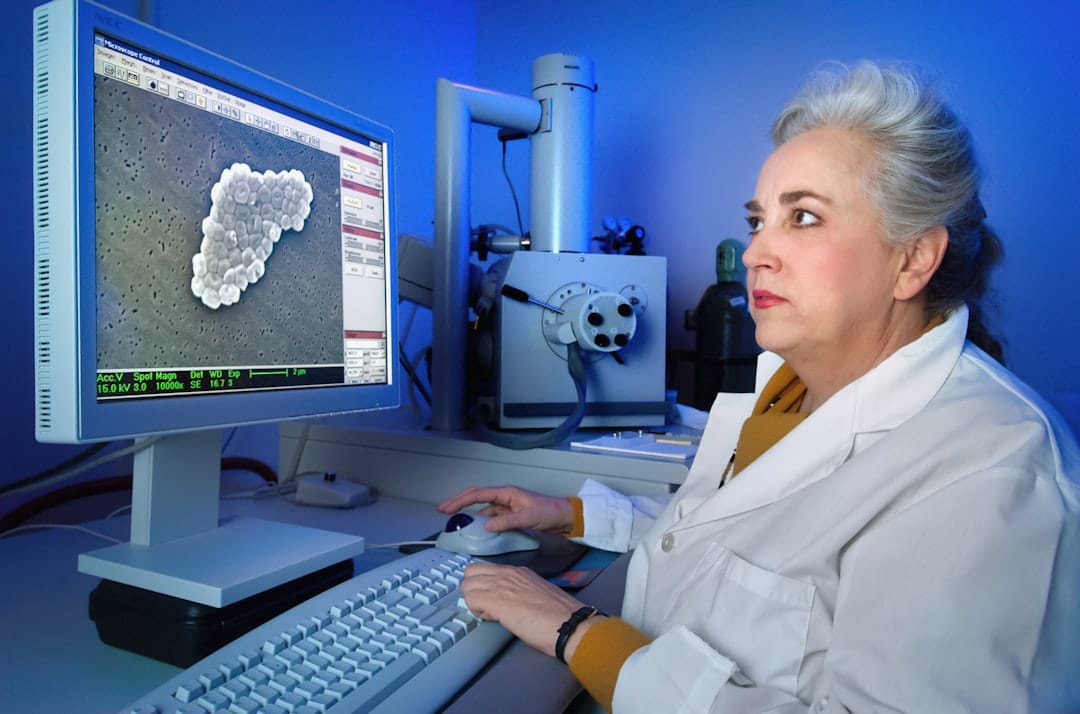
Bioprinting is an innovative technology that combines principles of 3D printing with biological materials to create living tissues and organs. This process involves the layer-by-layer deposition of bioinks, which are composed of living cells and biomaterials, to fabricate structures that mimic the natural architecture of human tissues. The potential applications of bioprinting are vast, ranging from regenerative medicine to drug testing, and it represents a significant advancement in the field of tissue engineering. As researchers continue to refine bioprinting techniques, the hope is to develop functional tissues that can be used for therapeutic purposes or as models for studying disease and drug interactions.
The significance of bioprinting lies not only in its technical capabilities but also in its potential to address longstanding challenges in biomedical research. Traditional methods of drug testing often rely on animal models, which can be ethically contentious and may not accurately predict human responses. Bioprinted tissues offer a promising alternative, providing a more relevant platform for evaluating drug efficacy and safety. As the technology matures, it could revolutionize the way drugs are developed and tested, ultimately leading to more effective treatments with fewer ethical concerns.
Bioprinting 3D tissues for drug testing is a groundbreaking advancement that aims to replace traditional animal testing methods, offering a more ethical and efficient approach to pharmaceutical research. For those interested in the intersection of technology and user experience, a related article can provide insights into the best software tools that enhance the design and functionality of bioprinting applications. You can explore this topic further in the article found at Best Software for UX.
Key Takeaways
- Bioprinting 3D tissues offers a promising alternative to traditional animal testing in drug development.
- Ethical concerns about animal testing drive the need for innovative methods like bioprinting.
- Bioprinted tissues can improve drug testing accuracy by better mimicking human biology.
- Despite its potential, bioprinting faces technical and regulatory challenges that must be addressed.
- The future of drug testing may rely heavily on bioprinting, potentially reducing animal use and enhancing drug safety.
The Ethical and Moral Implications of Animal Testing
Animal testing has been a cornerstone of biomedical research for decades, providing insights into human biology and the effects of drugs. However, this practice raises significant ethical and moral questions. Critics argue that subjecting animals to experimentation can cause unnecessary suffering and that the results obtained from animal studies do not always translate effectively to humans. The differences in physiology between species can lead to misleading conclusions about drug safety and efficacy, prompting calls for alternative methods that do not involve animal subjects.
The ethical implications extend beyond the welfare of animals; they also encompass broader societal values regarding the treatment of living beings. Many advocate for a shift towards more humane research practices that respect animal rights while still advancing scientific knowledge. The development of bioprinting technologies presents an opportunity to reduce reliance on animal testing by providing human-relevant models for drug testing. This shift could not only alleviate ethical concerns but also enhance the reliability of preclinical research outcomes.
The Advantages of Bioprinting 3D Tissues for Drug Testing
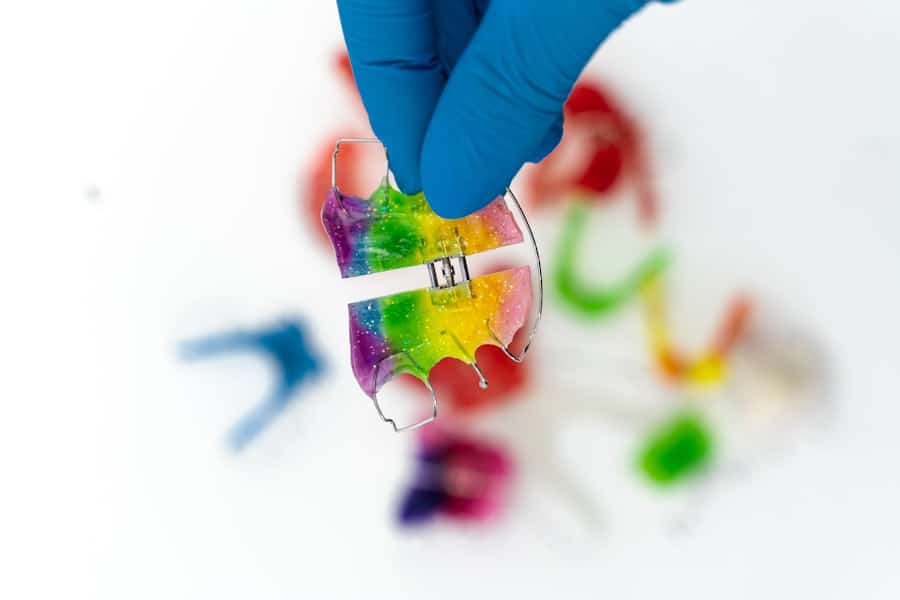
Bioprinting 3D tissues offers several advantages over traditional drug testing methods, particularly in terms of relevance and efficiency. One of the primary benefits is the ability to create human-like tissues that closely mimic the physiological conditions found in the human body. This allows researchers to study drug interactions in a more accurate context, potentially leading to better predictions of how a drug will perform in clinical settings. By using bioprinted tissues, scientists can observe cellular responses to drugs in real-time, providing valuable insights into mechanisms of action and toxicity.
Additionally, bioprinting can streamline the drug development process. Traditional methods often involve lengthy and costly animal studies, which can delay the introduction of new therapies to the market. In contrast, bioprinted tissues can be produced relatively quickly and at a lower cost, enabling faster screening of drug candidates. This efficiency not only accelerates research timelines but also reduces the overall financial burden associated with drug development. As a result, bioprinting has the potential to make drug testing more efficient while simultaneously improving the quality of data obtained.
The Process of Bioprinting 3D Tissues
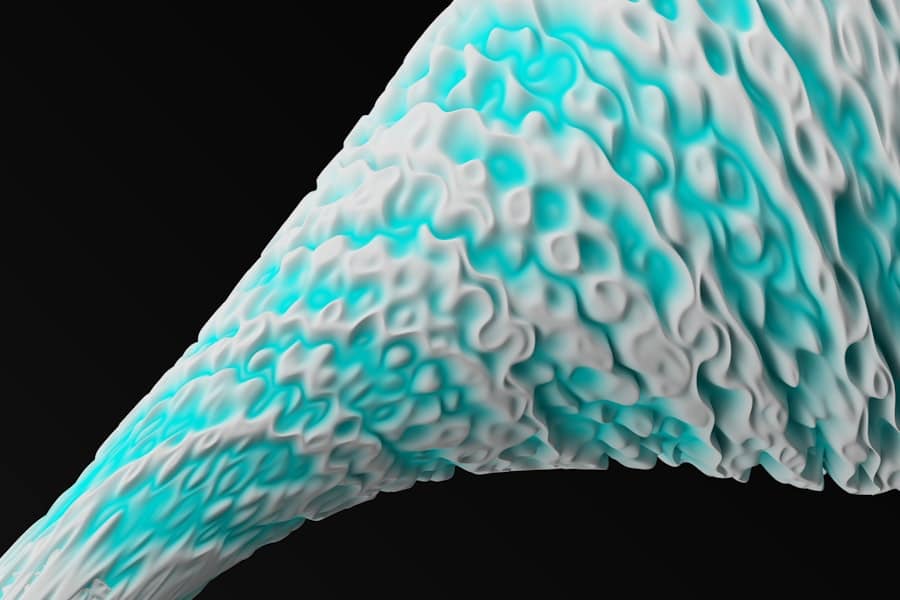
The process of bioprinting 3D tissues involves several key steps, beginning with the selection of appropriate bioinks. Bioinks are typically composed of living cells mixed with biomaterials that provide structural support and promote cell viability. These materials must be carefully chosen to ensure that they mimic the extracellular matrix found in natural tissues. Once the bioink is prepared, it is loaded into a bioprinter, which uses computer-aided design (CAD) software to create precise patterns for tissue construction.
During the printing process, the bioprinter deposits layers of bioink according to the predetermined design. This layer-by-layer approach allows for the creation of complex tissue structures with varying cell types and spatial arrangements. After printing, the tissues often undergo a maturation phase, where they are cultured in bioreactors that provide optimal conditions for cell growth and differentiation. This maturation process is crucial for developing functional tissues that can respond appropriately to external stimuli, such as drugs or environmental changes.
Recent advancements in bioprinting have opened new avenues for drug testing, significantly reducing the reliance on animal models. A related article discusses the best software for 3D animation, which plays a crucial role in visualizing and simulating the complex structures of bioprinted tissues. By utilizing such software, researchers can enhance their understanding of tissue behavior and drug interactions, ultimately leading to more effective and ethical testing methods. For more insights on this technology, you can explore the article on 3D animation software.
Challenges and Limitations of Bioprinting 3D Tissues
| Metric | Value | Unit | Notes |
|---|---|---|---|
| Accuracy of Drug Response Prediction | 85-95 | Percent | Compared to traditional animal models |
| Time Reduction in Drug Testing | 30-50 | Percent | Faster results using bioprinted tissues |
| Cost Reduction | 40-60 | Percent | Compared to animal testing expenses |
| Viability of Bioprinted Tissues | 7-30 | Days | Duration tissues remain functional for testing |
| Types of Tissues Bioprinted | 5-10 | Types | Includes liver, heart, skin, kidney, lung |
| Reduction in Animal Use | 60-80 | Percent | Estimated decrease in animal testing |
| Cell Density in Bioprinted Tissue | 1-10 | Million cells per mL | Varies by tissue type |
| Resolution of Bioprinting | 50-200 | Micrometers | Layer thickness for tissue fabrication |
Despite its promise, bioprinting 3D tissues faces several challenges and limitations that must be addressed before it can be widely adopted in drug testing and other applications. One significant hurdle is achieving vascularization within printed tissues. For larger tissue constructs to survive and function effectively, they require a network of blood vessels to supply nutrients and remove waste products. Current bioprinting techniques struggle to create these vascular networks at scale, limiting the size and complexity of viable tissues.
Another challenge lies in ensuring cell viability during the printing process. The mechanical forces involved in bioprinting can be detrimental to sensitive cells, leading to reduced survival rates post-printing. Additionally, maintaining cell functionality over time remains a concern, as printed tissues may not fully replicate the dynamic environment found in vivo. Researchers are actively exploring various strategies to overcome these limitations, including optimizing bioink formulations and developing advanced printing techniques that minimize cellular stress.
The Future of Bioprinting 3D Tissues for Drug Testing
The future of bioprinting 3D tissues for drug testing appears promising as advancements in technology continue to emerge. Ongoing research aims to enhance the complexity and functionality of printed tissues, making them more representative of actual human organs. Innovations such as incorporating multiple cell types and creating organ-on-a-chip systems could further improve the relevance of bioprinted models for drug testing purposes.
Moreover, as regulatory frameworks evolve to accommodate new technologies, bioprinted tissues may gain acceptance as valid alternatives to traditional testing methods. This shift could lead to broader implementation in pharmaceutical research and development, ultimately transforming how drugs are evaluated before reaching clinical trials.
The integration of bioprinting into standard practices could not only expedite drug discovery but also contribute to more ethical research methodologies by reducing reliance on animal models.
Regulatory and Legal Considerations for Bioprinting 3D Tissues
As bioprinting technology advances, regulatory and legal considerations will play a crucial role in its adoption within the pharmaceutical industry. Regulatory agencies must establish guidelines that address the unique challenges posed by bioprinted tissues, including issues related to safety, efficacy, and quality control. Developing standardized protocols for evaluating bioprinted models will be essential for ensuring their reliability as substitutes for traditional testing methods.
Additionally, intellectual property rights surrounding bioprinting technologies will need careful consideration. As researchers develop novel bioinks and printing techniques, questions regarding patentability and ownership may arise. Establishing clear legal frameworks will be necessary to protect innovations while promoting collaboration within the scientific community. Balancing these regulatory aspects with the need for rapid technological advancement will be critical in shaping the future landscape of bioprinting.
The Potential Impact of Bioprinting 3D Tissues on Drug Testing and Animal Welfare
In conclusion, bioprinting 3D tissues holds significant potential for transforming drug testing practices while addressing ethical concerns associated with animal testing. By providing human-relevant models that better predict drug responses, bioprinted tissues could enhance the efficiency and effectiveness of drug development processes. As researchers continue to overcome existing challenges and refine bioprinting techniques, the technology may become an integral part of biomedical research.
The implications extend beyond scientific advancements; they also encompass broader societal values regarding animal welfare and ethical research practices. By reducing reliance on animal models, bioprinting could contribute to a more humane approach to scientific inquiry while still advancing our understanding of human biology and disease treatment. As this field evolves, it will be essential to navigate regulatory landscapes thoughtfully and ensure that innovations are implemented responsibly for the benefit of both science and society at large.
FAQs
What is bioprinting in the context of 3D tissue fabrication?
Bioprinting is an advanced manufacturing process that uses 3D printing technology to create living tissues by precisely layering bioinks composed of cells and biomaterials. This technique enables the fabrication of complex tissue structures that mimic natural human tissues.
How does 3D bioprinting contribute to drug testing?
3D bioprinting allows researchers to produce human-like tissue models that can be used to test the efficacy and safety of new drugs. These models provide more accurate and relevant biological responses compared to traditional cell cultures or animal models, improving the predictability of drug effects in humans.
Why is bioprinting considered a potential replacement for animal testing?
Bioprinted tissues can replicate human physiology more closely than animal models, reducing the ethical concerns and biological differences associated with animal testing. This technology offers a more humane, cost-effective, and potentially faster alternative for evaluating drug toxicity and effectiveness.
What types of tissues can be bioprinted for drug testing purposes?
Various tissues such as skin, liver, heart, and kidney tissues have been successfully bioprinted. These tissues are used to study drug metabolism, toxicity, and therapeutic effects, providing insights into how drugs interact with specific human organs.
What are the main challenges facing bioprinting for drug testing?
Challenges include replicating the complex architecture and functionality of native tissues, ensuring cell viability during and after printing, and scaling up production for widespread use. Additionally, regulatory acceptance and standardization of bioprinted tissue models remain ongoing hurdles.
How does bioprinting improve the accuracy of drug toxicity testing?
By using human cells arranged in three-dimensional structures that mimic real tissue environments, bioprinted models provide more physiologically relevant responses to drugs. This leads to better prediction of adverse effects and reduces false positives or negatives common in animal testing.
Is bioprinting currently used in pharmaceutical industries?
Yes, several pharmaceutical companies and research institutions are adopting bioprinting technologies to develop tissue models for drug screening and disease modeling. While still emerging, bioprinting is increasingly integrated into preclinical testing workflows.
What ethical benefits does bioprinting offer over traditional animal testing?
Bioprinting reduces the need for animal subjects, addressing animal welfare concerns and aligning with the principles of the 3Rs (Replacement, Reduction, and Refinement) in scientific research. It promotes more ethical research practices by minimizing animal suffering.
Can bioprinted tissues be used to model specific diseases for drug development?
Yes, bioprinted tissues can be engineered to replicate disease conditions by incorporating patient-derived cells or genetic modifications. This allows for personalized drug testing and better understanding of disease mechanisms.
What is the future outlook for bioprinting in drug testing?
The future of bioprinting in drug testing is promising, with ongoing advancements in biomaterials, printing techniques, and tissue maturation. As these technologies mature, bioprinted tissues are expected to become standard tools in drug development, reducing reliance on animal models and improving drug safety assessments.