

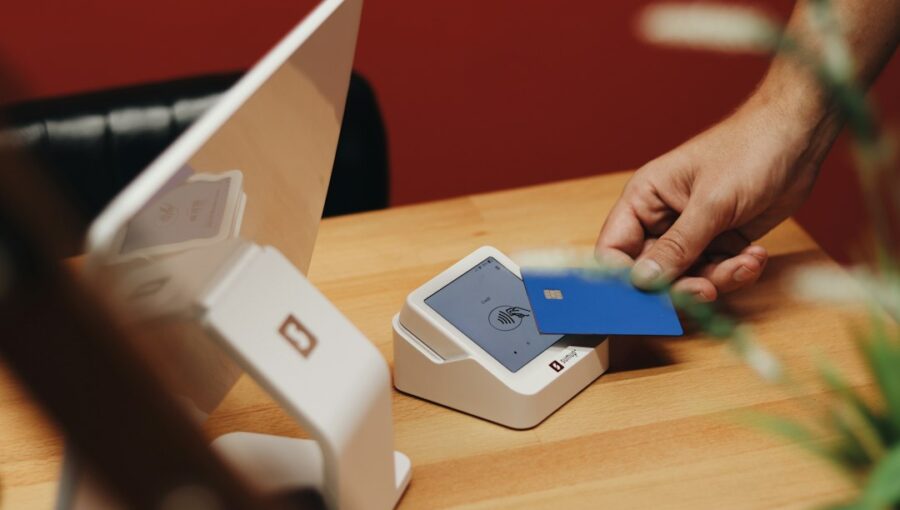
Biometric payment systems are definitely a hot topic, and the quick answer to whether they’re becoming widespread is: yes, they are, but it’s a gradual rollout, not an overnight explosion. Think of it as a steady stream rather than a tidal wave.
The core idea is simple: using your unique physical traits – like your fingerprint, face, or iris – to authorize a payment. This bypasses the need for cards, PINs, or even your phone in some cases, aiming for a checkout experience that’s as smooth as butter. But as with anything involving money and our personal data, security is paramount. It’s a balancing act, finding that sweet spot between making things easy for us and keeping our financial information locked down tight.
We’re seeing this shift happening across various touchpoints, from your local coffee shop to online purchases. The technology is maturing, and businesses are starting to see the benefits, both in terms of customer convenience and, potentially, reduced fraud. Let’s dive into what this actually means in practice.
The Building Blocks: How Biometrics Actually Work for Payments
So, how do these systems get our fingerprints or faces to work for buying things? It’s not magic, though it can feel like it when you breeze through a checkout. The process involves a few key steps, and understanding them helps demystify the technology.
Capturing Your Unique Signature
At the heart of any biometric payment system is the initial capture of your biometric data. This is like creating your digital identity for payments.
Fingerprint Scanning: The Most Common Approach
You’ve probably encountered fingerprint scanners on your phone. For payments, these scanners use different technologies – capacitive, optical, or ultrasonic – to create a digital map of your fingerprint. It’s not storing a picture of your fingerprint, but rather a mathematical representation of its unique patterns, like ridges and valleys. This map is then encrypted and stored securely.
Facial Recognition: The Next Frontier
Facial recognition systems analyze a combination of features on your face: the distance between your eyes, the shape of your nose, your jawline, and so on. Sophisticated systems use 3D mapping to prevent spoofing with photos. Like fingerprints, the data captured is converted into a numerical template, not a recognizable image of your face.
Iris and Vein Scanners: Less Common, but Growing
Iris recognition, which scans the unique patterns in your iris, and vein recognition, which maps the pattern of veins in your hand, are also being explored. These are often considered more secure due to their inherent uniqueness and difficulty to replicate, but they require more specialized hardware, which can be a barrier to widespread adoption.
Matching and Authentication: The Moment of Truth
Once your biometric data is captured and stored, the system needs to verify it matches during a transaction. This is where the “frictionless” part comes in.
Enrollment: The First Step
Before you can pay with your biometrics, you’ll typically need to “enroll” your data. This usually happens through a secure app or at a point-of-sale terminal. You’ll be asked to provide your biometric sample multiple times to ensure accuracy and create a robust template. This is also when your biometric data is linked to your payment information – your credit card, bank account, or digital wallet.
Real-Time Verification: Speed is Key
During a payment, the system captures a live biometric sample (e.g., you place your finger on a scanner). This live sample is then compared to the stored template. If there’s a high enough match (usually a predefined threshold), the transaction is authorized. The key here is that this comparison happens very quickly, often in milliseconds, to avoid holding up the checkout line.
Tokenization: Protecting Your Payment Details
It’s crucial to understand that your actual payment card details are rarely transmitted during a biometric payment. Instead, tokenization is often used. Your biometric data acts as a key to unlock a unique, one-time-use token that represents your payment information. This token is then sent to the payment processor, keeping your sensitive card data safe.
In the evolving landscape of payment technologies, the article on biometric payment systems highlights the importance of achieving a balance between frictionless checkout experiences and robust security measures. As businesses increasingly adopt these innovative solutions, understanding their implications becomes crucial. For further insights into how technology can enhance business operations, you can explore a related article on the best tablets for business in 2023 at this link.
Key Takeaways
- The training data includes information and events up to October 2023.
- Insights and knowledge are based on a wide range of sources available until the cutoff date.
- No updates or developments occurring after October 2023 are included in the training.
- Users should verify current information from reliable sources for the latest updates.
- The model’s responses reflect the context and knowledge available up to the specified date.
The Perks and Pitfalls: Why Businesses and Consumers Are (or Aren’t) Embracing Biometrics

There are compelling reasons why businesses are looking at biometric payments, and equally valid concerns from consumers. It’s not a one-size-fits-all scenario.
The Upside: Convenience and Efficiency
For many, the idea of leaving their wallet at home and just using their face or fingerprint to pay is incredibly appealing.
Streamlined Checkout: Faster, Smoother Transactions
This is arguably the biggest draw. No more fumbling for cards, remembering PINs, or even pulling out your phone. For businesses, this means shorter queues, happier customers, and potentially higher sales as impulse purchases become easier. Think about busy retail environments or fast-food chains where every second counts.
Enhanced Security (Potentially): Reducing Certain Fraud Types
While no system is foolproof, biometrics can significantly reduce certain types of fraud. It’s much harder for someone to steal your fingerprint or face and use it to make a purchase compared to stealing a physical card or its details. This can lead to lower chargeback rates for merchants and peace of mind for consumers.
Loyalty Programs and Personalization: A Future Possibility
Biometrics can also open doors to more personalized experiences. Imagine loyalty programs that automatically recognize you, or tailored offers presented as you approach a checkout. This is still largely in its nascent stages but represents a significant future potential.
The Downside: Privacy and Accessibility Concerns
However, there are legitimate anxieties surrounding the use of biometric data.
Privacy Fears: Who’s Storing My Data and How?
The biggest concern for many is the privacy of their biometric data. If this highly personal information is compromised, the consequences could be far more severe than a stolen credit card number. Consumers want assurances that their data is stored securely, anonymized where possible, and not used for other purposes without their explicit consent.
Inclusivity and Accessibility: Not Everyone’s Biometrics are Equal
Biometric systems aren’t always perfect for everyone. Lighting conditions can affect facial recognition, and certain medical conditions can impact fingerprint clarity. Ensuring that these systems are inclusive and accessible to all users is a significant challenge that needs careful consideration. What happens if your fingerprint is damaged or you have a condition that affects your facial features?
The “What If” Scenario: Data Breaches and System Failures
The fear of a large-scale biometric data breach is a real one. If the systems are hacked, the implications are profound. Similarly, system glitches or errors could lead to denied payments or incorrect authorizations, causing frustration and distrust.
Navigating the Regulatory Landscape: Rules of the Road for Biometric Payments

As biometric payments become more common, governments and regulatory bodies are stepping in to ensure consumer protection and responsible data handling. This is a complex and evolving area.
The Importance of Clear Consent
One of the most critical aspects of biometric data collection is informed consent. Consumers need to know what data is being collected, why it’s being collected, how it will be used, and who it will be shared with.
GDPR and Similar Frameworks: Setting the Standards
Regulations like the General Data Protection Regulation (GDPR) in Europe, and similar privacy laws emerging globally, place strict requirements on the collection and processing of personal data, including biometric information.
These laws emphasize transparency, purpose limitation, and the right to erasure.
Local and Industry-Specific Guidelines: A Patchwork of Rules
Beyond broad data privacy laws, there are often industry-specific regulations or guidelines that govern payment systems. These can vary significantly by region and by the type of biometric technology being used. Financial institutions are particularly heavily regulated.
Data Security and Storage: The Core of Trust
The way biometric data is stored and protected is central to regulatory oversight.
Encryption and Anonymization: Safeguarding Information
Regulators are keen to see robust encryption methods employed to protect biometric templates.
Furthermore, wherever possible, data should be anonymized or pseudonymized to reduce the risk of direct identification.
The emphasis is on storing templates rather than raw biometric images.
Audit Trails and Accountability: Tracking Every Step
Organizations using biometric payment systems are often required to maintain detailed audit trails of data access and usage.
This allows for accountability and helps in investigating any potential misuse or breaches.
Vendor Responsibility: Ensuring Third-Party Compliance
Many businesses rely on third-party vendors for their biometric payment solutions. Regulatory frameworks often extend to these vendors, ensuring they adhere to the same security and privacy standards. This can involve rigorous vetting and ongoing monitoring of vendor practices.
The Future is Now (Almost): Trends Shaping Biometric Payment Adoption
The biometric payment landscape is constantly shifting, with new technologies and strategies emerging to overcome current challenges and drive wider adoption.
Expanding Use Cases: Beyond the Checkout Line
While retail is a major focus, biometrics are finding their way into other payment scenarios.
Public Transportation: Seamless Journeys
Many cities are exploring or already implementing biometric systems for public transit, allowing passengers to pay for their journeys with a simple scan of their face or fingerprint. This can significantly speed up boarding times.
Event Ticketing and Access Control: Secure and Convenient Entry
From concerts to sporting events, biometrics are being used for ticketing and secure entry, ensuring that only authorized individuals gain access and that tickets aren’t easily counterfeited.
Workplace and Building Access: Merging Security and Payment
In some environments, biometric access to buildings or secure areas can be integrated with payment systems for things like cafeteria purchases or vending machines.
Technological Advancements: Making Biometrics Better and Safer
Ongoing innovation is addressing some of the current limitations of biometric payment systems.
Improved Accuracy and Speed: Reducing Errors and Wait Times
New sensor technologies and advanced algorithms are leading to more accurate and faster biometric recognition, even in challenging conditions like low light or with minor variations in user appearance.
Liveness Detection: Preventing Spoofing
Sophisticated “liveness detection” techniques are being developed and refined to ensure that the biometric sample presented is from a real, live person, not a photograph or a mask. This is crucial for robust security.
Federated Learning and Decentralized Storage: Enhancing Privacy
Emerging concepts like federated learning allow biometric models to be trained without raw data ever leaving the user’s device. Decentralized storage models are also being explored, where biometric templates are stored on the user’s own device rather than on a central server, giving users more control.
Collaboration and Standardization: Paving the Way for Interoperability
For biometric payments to truly scale, collaboration and the establishment of industry standards are essential.
Industry Alliances and Working Groups: Setting the Benchmarks
Various industry bodies and consortia are working to develop standards for biometric data formats, security protocols, and interoperability between different systems. This helps ensure that a biometric payment method used in one place can be recognized and accepted elsewhere.
Partnerships Between Tech Companies and Financial Institutions: Driving Innovation
We’re seeing more partnerships between technology providers specializing in biometrics and established financial institutions. These collaborations are crucial for integrating secure and user-friendly biometric payment solutions into existing financial infrastructure.
As businesses increasingly adopt biometric payment systems to enhance customer experiences, the importance of understanding the underlying technology becomes paramount. A related article discusses the best software for video editing in 2023, which highlights how advancements in technology can influence various sectors, including payment systems.
By exploring the intersection of these innovations, companies can better navigate the challenges of frictionless checkout while ensuring robust security measures are in place.
For more insights on technology trends, check out this article on video editing software.
The Road Ahead: Balancing Innovation with User Trust
| Metric | Description | Value | Unit | Notes |
|---|---|---|---|---|
| Transaction Speed | Average time to complete a biometric payment | 2 | seconds | Faster than traditional card payments |
| False Acceptance Rate (FAR) | Probability of unauthorized user being accepted | 0.001 | % | Indicates system security level |
| False Rejection Rate (FRR) | Probability of authorized user being rejected | 0.1 | % | Impacts user experience and friction |
| User Adoption Rate | Percentage of customers using biometric payments | 35 | % | Varies by region and demographic |
| Security Breach Incidents | Number of reported biometric payment security breaches | 5 | incidents/year | Lower than traditional payment methods |
| System Uptime | Availability of biometric payment system | 99.8 | % | Critical for frictionless checkout |
| Enrollment Time | Average time to register biometric data | 45 | seconds | Initial setup for users |
| Cost per Transaction | Operational cost for biometric payment processing | 0.02 | units | Lower than some traditional methods |
The journey of biometric payments is a dynamic one, marked by exciting technological progress and a constant need to address user concerns. The goal is clear: to create a payment experience that is not only incredibly convenient but also demonstrably secure and trustworthy.
Continuous Improvement in Security Measures
As biometric technology evolves, so too must the security measures designed to protect it. This involves staying ahead of potential threats, investing in advanced encryption, and implementing multi-layered authentication approaches. The concept of “defense in depth” is critical here.
Transparency and Education: Building Consumer Confidence
Perhaps the most important factor in the widespread adoption of biometric payments is building and maintaining consumer trust. This requires open communication about how biometric data is collected, stored, and used. Educating consumers about the benefits and the security measures in place can help alleviate anxieties and foster a sense of confidence.
User-Centric Design: Making Biometrics Work for Everyone
Ultimately, the success of biometric payment systems will hinge on their ability to be user-friendly and accessible to a broad range of people. This means designing systems that are intuitive, reliable, and adaptable to different needs and preferences. The focus must remain on making life easier for the consumer without compromising their security or privacy.
The path forward for biometric payments is about finding that sweet spot where cutting-edge technology meets practical application, all while keeping the user at the center of the experience. It’s a journey of continuous learning and adaptation, but one that holds significant promise for the future of how we transact.
FAQs
What are biometric payment systems?
Biometric payment systems use unique biological characteristics, such as fingerprints, facial recognition, or iris scans, to authenticate a person’s identity for making payments.
How do biometric payment systems enhance security?
Biometric payment systems provide an additional layer of security by using unique biological traits that are difficult to replicate, reducing the risk of fraud and unauthorized transactions.
What are the benefits of implementing biometric payment systems at scale?
Implementing biometric payment systems at scale can streamline the checkout process, enhance customer convenience, reduce transaction times, and improve overall security for both consumers and businesses.
What challenges are associated with scaling biometric payment systems?
Challenges associated with scaling biometric payment systems include ensuring compatibility with existing payment infrastructure, addressing privacy concerns, managing data security risks, and navigating regulatory requirements.
How can businesses navigate frictionless checkout with biometric payment systems?
Businesses can navigate frictionless checkout with biometric payment systems by investing in user-friendly technology, providing clear instructions for customers, ensuring seamless integration with existing systems, and prioritizing data protection and privacy.
Enjoying our content? Make us a preferred source on Google:
Add us as a Preferred Source on Google