

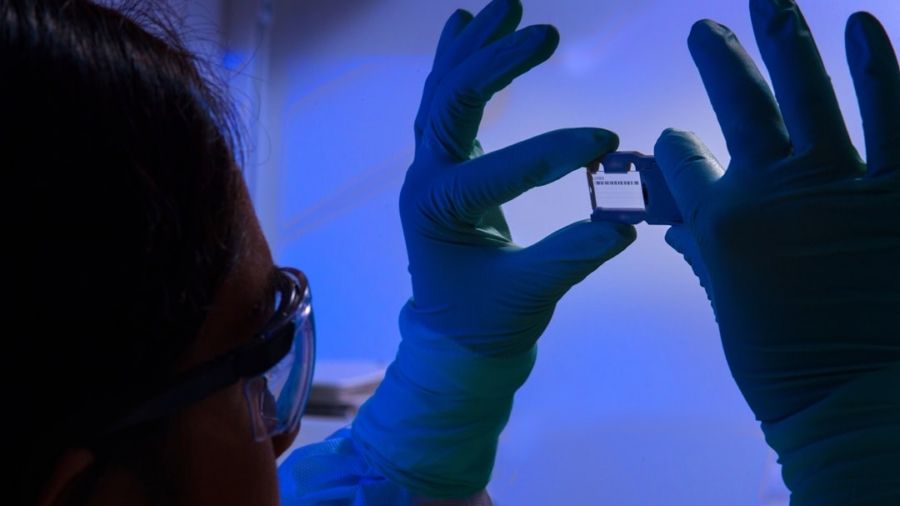
So, you’re wondering about a career in bioinformatics? Put simply, it’s where cutting-edge software engineering techniques meet the fascinating world of healthcare and biological data. Think of it as being a translator – taking mountains of complex biological information, often from things like DNA sequencing or patient records, and using computational tools to make sense of it all. It’s a field that’s exploding, and if you have a knack for both coding and biology, it’s definitely worth exploring.
Why is bioinformatics suddenly such a big deal? Well, a few key things have happened. First, the cost of generating biological data, particularly genetic sequencing, has plummeted. What once cost millions now costs hundreds. This means we’re drowning in data – more DNA sequences, more protein structures, more clinical trial results than ever before.
Second, our computational power has grown exponentially. We have faster processors, more sophisticated algorithms, and better cloud infrastructure to handle these massive datasets. Traditional biological labs simply can’t process this volume and complexity manually.
Finally, the healthcare industry is increasingly relying on personalized medicine. Understanding an individual’s unique biology, often down to their genetic makeup, is becoming central to diagnosing diseases, predicting treatment efficacy, and developing new drugs. Bioinformatics is the bridge that connects this raw biological data to actionable healthcare insights.
What’s Driving the Growth?
- Genomic Sequencing: Everyone from newborns to cancer patients is having their genomes looked at. This generates a massive amount of raw data that needs to be assembled, annotated, and interpreted.
- Drug Discovery: Developing new medicines is expensive and slow. Bioinformatics helps identify potential drug targets, predict drug efficacy, and even design new molecules computationally, speeding up the process and reducing costs.
- Personalized Medicine: Imagine tailoring a cancer treatment based on the specific genetic mutations in a patient’s tumor. Bioinformatics makes this a reality, moving away from a one-size-fits-all approach.
- Infectious Disease Surveillance: Tracking the evolution of viruses like COVID-19 or influenza requires constant analysis of their genetic sequences. Bioinformatics plays a crucial role in understanding outbreaks and developing vaccines.
In exploring the dynamic field of bioinformatics careers, one can gain valuable insights by examining the relationship between software engineering and healthcare.
A related article that delves into the best niches for affiliate marketing, which can also intersect with bioinformatics and healthcare, is available at
5G Innovations (13) Wireless Communication Trends (13) Article (343) Augmented Reality & Virtual Reality (906)
- Metaverse (268)
- Virtual Workplaces (35)
- VR & AR Games (34)
Cybersecurity & Tech Ethics (810)
- Cyber Threats & Solutions (3)
- Ethics in AI (33)
- Privacy Protection (32)
Drones, Robotics & Automation (491)
- Automation in Industry (33)
- Consumer Drones (33)
- Industrial Robotics (33)
EdTech & Educational Innovations (349)
- EdTech Tools (18)
- Online Learning Platforms (4)
- Virtual Classrooms (34)
Emerging Technologies (2,006) FinTech & Digital Finance (453) Frontpage Article (1) Gaming & Interactive Entertainment (387) Health & Biotech Innovations (721)
- AI in Healthcare (3)
- Biotech Trends (4)
- Wearable Health Devices (511)
News (97) Reviews (129) Smart Home & IoT (451)
- Connected Devices (3)
- Home Automation (4)
- Robotics for Home (33)
- SmartPhone (48)
Space & Aerospace Technologies (349)
- Aerospace Innovations (4)
- Commercial Spaceflight (3)
- Space Exploration (62)
Sustainable Technology (790) Tech Careers & Jobs (344) Tech Guides & Tutorials (1,156)
- DIY Tech Projects (3)
- Getting Started with Tech (60)
- Laptop & PC (58)
- Productivity & Everyday Tech Tips (329)
- Social Media (64)
- Software (326)
- Software How-to (3)
Uncategorized (146)