

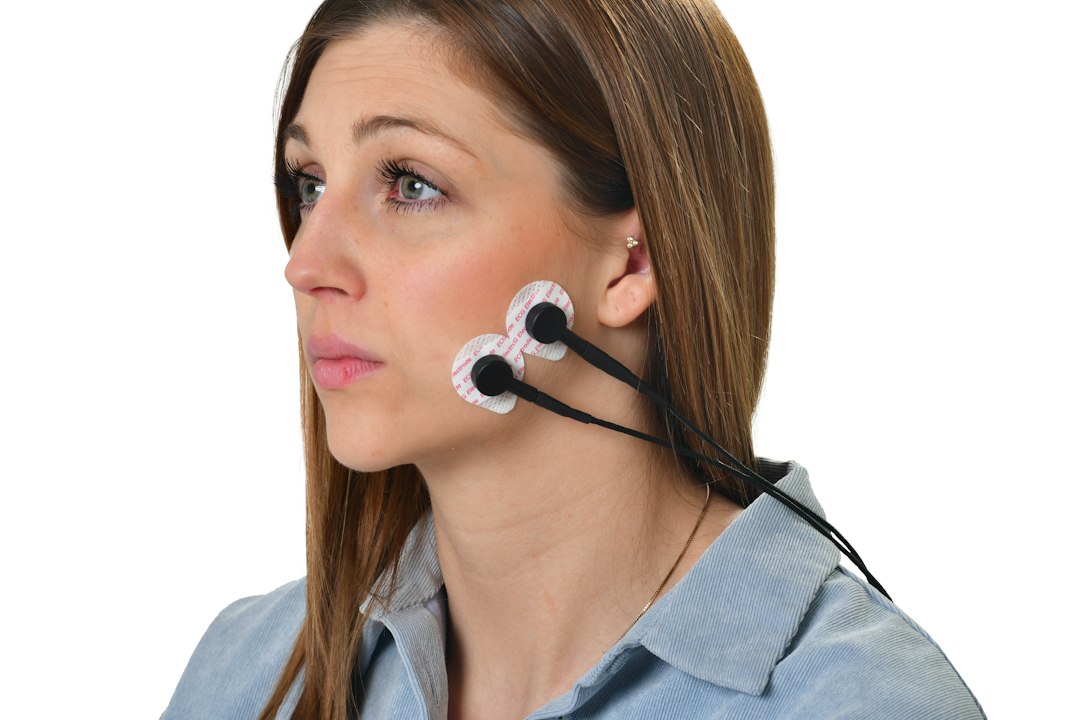
So, you’re probably wondering if there’s a different way to tackle those persistent chronic inflammatory disorders, something beyond just medication. Well, there’s a fascinating and increasingly promising field called bioelectronic medicine, and a big part of that involves stimulating the vagus nerve. Essentially, we’re talking about using tiny electrical signals to ‘talk’ to your body’s built-in anti-inflammatory pathways, helping your system regulate itself better. It’s about leveraging your own biology to reduce inflammation, which could be a real game-changer for conditions like rheumatoid arthritis, Crohn’s disease, and even long COVID symptoms.
Understanding the Vagus Nerve and Its Role
Let’s break down what the vagus nerve actually is and why it’s such a big deal for inflammation. Think of it as a major information highway, the longest cranial nerve in your body, stretching all the way from your brainstem down to your abdomen. It’s a key player in the parasympathetic nervous system, often called the “rest and digest” system. While it handles things like heart rate, digestion, and breathing, its anti-inflammatory power is what really interests us here.
The vagus nerve acts like a kind of internal peacekeeper.
When your body senses inflammation, either from an infection or an autoimmune response, it sends signals up the vagus nerve to the brain. In turn, the brain can send signals back down the vagus nerve, particularly through a pathway called the “cholinergic anti-inflammatory pathway,” to dampen that inflammatory response. It essentially tells your immune system to calm down and stop overreacting. This pathway primarily works by releasing acetylcholine, a neurotransmitter that interacts with specific receptors on immune cells, inhibiting the production of pro-inflammatory cytokines like TNF-alpha. When this pathway isn’t working optimally, inflammation can spiral out of control, leading to chronic conditions.
The Cholinergic Anti-inflammatory Pathway
This is the core mechanism we’re trying to activate with vagus nerve stimulation. Imagine your immune cells are like little soldiers. When they’re activated by an invader or a perceived threat, they release inflammatory signals. However, when acetylcholine binds to specific receptors (alpha-7 nicotinic acetylcholine receptors, to be precise) on these immune cells, it’s like a signal to stand down. It reduces the release of those inflammatory signals, preventing an excessive or prolonged immune response. This internal brake on inflammation is incredibly sophisticated and underscores the body’s innate ability to maintain balance.
Conditions Responsive to VNS
While research is ongoing, several chronic inflammatory conditions have shown promise with vagus nerve stimulation (VNS). We’re talking about autoimmune diseases where the immune system mistakenly attacks healthy tissues.
- Rheumatoid Arthritis (RA): This is one of the most studied conditions. VNS has been shown to reduce disease activity, pain, and the need for conventional medications in some patients.
- Crohn’s Disease and Ulcerative Colitis (Inflammatory Bowel Disease – IBD): Given the vagus nerve’s direct connection to the gut, it’s a natural target for these conditions. VNS aims to reduce gut inflammation and improve symptoms.
- Systemic Lupus Erythematosus (SLE): While less studied than RA, early findings suggest VNS could help modulate the widespread inflammation seen in lupus.
- Psoriatic Arthritis: Another autoimmune inflammatory arthritis that could potentially benefit from VNS by targeting systemic inflammation.
- Long COVID Syndrome: For those experiencing persistent inflammation, fatigue, and “brain fog” after COVID-19, VNS is being explored as a way to rebalance the autonomic nervous system and reduce chronic inflammation.
- Fibromyalgia and Chronic Fatigue Syndrome (ME/CFS): Although not purely inflammatory, these conditions often involve dysregulation of the autonomic nervous system and inflammatory markers, making VNS a potential therapeutic avenue to explore.
In exploring the innovative approaches to managing chronic inflammatory disorders, the article on Vagus Nerve Stimulation Protocols for Bioelectronic Medicine provides valuable insights into the therapeutic potential of neuromodulation. For those interested in understanding how technology can influence health decisions, a related article discussing the considerations for selecting a child’s first smartphone can be found at this link. This resource highlights the intersection of technology and health, emphasizing the importance of informed choices in both medical treatments and everyday devices.
Key Takeaways
- The training data includes information and events up to October 2023.
- Insights and knowledge are based on a wide range of sources available until the cutoff date.
- No updates or developments occurring after October 2023 are included in the training.
- Users should verify current information from reliable sources for the latest updates.
- The model’s responses reflect the context and knowledge available up to the specified date.
Vagus Nerve Stimulation Protocols: The How-To

Now that we understand the ‘why,’ let’s get into the ‘how.’ There are a couple of main ways to stimulate the vagus nerve: surgically implanted devices and non-invasive methods. Each has its own set of considerations, benefits, and drawbacks, influencing the protocols used.
Implantable VNS Devices
This is the more established method, originally approved for epilepsy and depression. It involves a surgical procedure to implant a small device, similar to a pacemaker, under the skin in the chest. A lead wire is then threaded under the skin and wrapped around the left vagus nerve in the neck. The device delivers programmed electrical pulses to the nerve.
- Surgical Procedure: It’s typically an outpatient procedure done under general anesthesia. Risks are generally low but include infection, vocal cord paralysis (temporary or permanent), or discomfort at the incision site.
- Stimulation Parameters: Once implanted, the device is programmed by a healthcare professional. Key parameters include:
- Frequency: How many pulses per second (Hz). For anti-inflammatory effects, lower frequencies (e.g., 5-20 Hz) are often explored.
- Pulse Width: The duration of each electrical pulse (microseconds).
- Current Amplitude: The strength of the electrical current (milliamperes – mA). This is gradually increased to find the optimal therapeutic window, often described as the “threshold of perception” or just below causing significant side effects.
- On/Off Time: The duration of stimulation (“on” time) and the pause between stimulation bursts (“off” time). Protocols often involve cycles, such as 30 seconds on, 5 minutes off.
- Dosing and Titration: This is a crucial aspect. The starting dose is usually very low and slowly increased over weeks or months. The goal is to find the lowest effective dose that provides benefits without causing bothersome side effects like hoarseness, throat tickling, or coughing. Patients typically cannot adjust the parameters themselves, making regular follow-up with the medical team essential.
- Patient Experience: Patients generally don’t feel the stimulation constantly but might notice a tingling sensation or a slight voice alteration during the “on” cycles. This becomes less noticeable over time for many.
Non-Invasive VNS (nVNS) Methods
This is where a lot of the excitement and recent research is focused, precisely because it avoids surgery. Non-invasive devices deliver electrical pulses externally, without needing an incision. This makes them much more accessible and appealing to a broader range of patients.
- Transcutaneous Auricular Vagus Nerve Stimulation (taVNS): This is perhaps the most common non-invasive approach. The device is placed on specific points of the ear, typically the tragus or cymba concha, where branches of the vagus nerve are superficial.
- Devices: Handheld devices, often battery-operated, connect to electrodes that clip onto the ear. Examples include the gammaCore device (approved for cluster headaches and migraine) and various research-grade devices.
- Protocols for Inflammation: Protocols vary widely in research, but common parameters include:
- Frequency: Often in the range of 1-30 Hz.
- Pulse Width: 200-500 microseconds.
- Intensity: Adjusted by the user to a comfortable, strong sensation without pain. This is often described as “just below discomfort.”
- Duration: Sessions typically last 15-60 minutes, once or twice daily.
- Treatment Course: Can be acute (for symptom flares) or chronic (daily use for ongoing management).
- Cervical Vagus Nerve Stimulation (cVNS): These devices are placed on the neck, over the vagus nerve. The gammaCore device is an example here, specifically designed for this placement.
- Devices: Usually a handheld unit that’s applied directly to the skin of the neck.
- Protocols for Inflammation: Similar parameters to taVNS, with adjustment for optimal nerve engagement. The primary aim is to deliver electrical impulses that penetrate the skin and stimulate the underlying vagus nerve fibers.
- Patient Experience: Can cause local tingling or muscle twitching, similar to taVNS.
- Advantages of nVNS: The biggest draw is avoiding surgery, which reduces risks and costs. It offers greater flexibility and allows for at-home use.
- Disadvantages of nVNS: The main challenge is ensuring effective and consistent nerve stimulation through the skin, which can be more variable than with an implanted device. Research is still refining optimal protocols and device designs.
- Safety Profile: Generally considered safe with minimal side effects, mainly transient skin irritation, discomfort, or dizziness during stimulation.
Patient Selection and Considerations
Not everyone is a candidate for VNS, and it’s certainly not a first-line treatment for most conditions. Careful patient selection is crucial for maximizing benefits and minimizing risks. It’s often considered when conventional therapies haven’t been fully effective or when patients experience significant side effects from medication.
Who is a Good Candidate?
- Refractory Cases: Individuals whose chronic inflammatory disorders haven’t responded adequately to standard pharmacological treatments (e.g., biologics, DMARDs).
- Intolerant to Medications: Patients who experience severe or debilitating side effects from conventional therapies, making continued use impractical.
- Clear Inflammatory Markers: Conditions with objectively measurable inflammation (e.g., elevated C-reactive protein, ESR, specific cytokines) tend to be better targets, allowing for monitoring of treatment effectiveness.
- Commitment to Treatment: Both implantable and non-invasive VNS require consistent adherence to protocols and regular follow-ups.
- Absence of Contraindications: Certain conditions preclude VNS (see below).
Contraindications and Potential Side Effects
While generally safe, VNS isn’t for everyone.
- Absolute Contraindications (Implantable VNS):
- Pre-existing vagotomy (surgical cutting of the vagus nerve).
- Cardiac arrhythmias, particularly bradyarrhythmias, or other significant heart conditions that could be exacerbated by vagal stimulation.
- Use of certain medications that affect heart rate or rhythm.
- Progressive neurological disorders (in some cases).
- Absolute Contraindications (Non-Invasive VNS):
- Active implantable medical devices near the stimulation site (e.g., pacemakers, hearing aids, cochlear implants).
- Metallic implants in the head or neck.
- Severe active bleeding.
- Certain cardiac conditions or medications (consultation with a cardiologist is often recommended).
- Common Side Effects (Implantable VNS):
- Hoarseness or voice changes (most common).
- Coughing, throat pain, or dysphagia (difficulty swallowing).
- Shortness of breath.
- Local pain or infection at the incision site.
- Rarely, cardiac events.
- Common Side Effects (Non-Invasive VNS):
- Skin irritation or redness at the stimulation site.
- Tingling, itching, or mild discomfort during stimulation.
- Headache or dizziness (less common).
- Voice changes (less common and usually milder than with implanted devices).
Interdisciplinary Approach
Implementing VNS, especially for chronic inflammatory disorders, demands a team effort.
This isn’t a treatment you’ll get from just one doctor. You’ll likely involve:
- Rheumatologists/Gastroenterologists/Neurologists: The specialists managing the primary inflammatory condition.
- Pain Specialists: If chronic pain is a significant component.
- Neuromodulation Specialists/Neurosurgeons: For implantable devices, they handle the surgical aspect and device programming.
- Nurses/Patient Educators: Crucial for teaching patients how to use non-invasive devices, manage expectations, and troubleshoot minor issues.
- Cardiologists: To screen for cardiac contraindications, particularly for implanted devices.
- Psychologists/Psychiatrists: If mental health conditions like depression or anxiety co-occur, as they often do with chronic illness.
This collaborative approach ensures comprehensive care, appropriate device selection, safe implementation, and ongoing monitoring for both efficacy and side effects.
Monitoring and Adjusting Protocols
Once a VNS protocol is initiated, whether implanted or non-invasive, it’s not a set-it-and-forget-it situation. Ongoing monitoring is essential to ensure the treatment is working as intended and to make necessary adjustments. This iterative process is key to optimizing outcomes.
Tracking Clinical Outcomes
The primary goal is to improve the patient’s condition. This means regularly assessing:
- Disease Activity Scores: For conditions like rheumatoid arthritis, validated scores (e.g., DAS28, CDAI) are used to track inflammation and joint involvement. For IBD, clinical indices (e.g., Crohn’s Disease Activity Index – CDAI, Mayo score for Ulcerative Colitis) and endoscopic evaluations are critical.
- Inflammatory Biomarkers: Blood tests for C-reactive protein (CRP), erythrocyte sedimentation rate (ESR), and specific cytokines (if available in a research setting) can provide objective evidence of reduced inflammation.
- Symptom Diaries: Patients can keep track of their pain levels, fatigue, sleep quality, gut symptoms, and overall well-being. This provides valuable subjective data, especially for conditions with less clear objective markers.
- Quality of Life Questionnaires: Generic (e.g., SF-36) and disease-specific questionnaires can capture the broader impact of the treatment on a patient’s daily life.
- Medication Usage: A reduction in the need for conventional medications (e.g., corticosteroids, biologics) can be a significant indicator of VNS effectiveness.
Adjusting Stimulation Parameters
Based on the clinical outcomes and any reported side effects, the VNS parameters may need fine-tuning.
- For Implantable VNS: This typically requires a clinic visit with the programming specialist. They can modify the current amplitude, frequency, pulse width, and on/off cycles. The goal is often to increase stimulation intensity gradually until therapeutic effects are observed or side effects become limiting. If side effects are prominent, parameters might be reduced or cycles adjusted.
- For Non-Invasive VNS: Patients often have some control over the intensity of stimulation within a safe range. They might be advised to increase intensity if they’re not seeing benefits or reduce it if they experience discomfort. The healthcare provider might suggest changes to frequency, duration, or number of daily sessions based on ongoing assessment. It’s a balance between sufficient stimulation to achieve a therapeutic effect and avoiding discomfort.
Managing Side Effects
Side effects, though generally mild, can occur.
- Voice Changes/Cough: For implantable VNS, these are often intensity-dependent. Reducing the current amplitude or adjusting the “on” time can help. For non-invasive VNS, ensuring proper device placement and reducing intensity are first steps.
- Skin Irritation: For non-invasive devices, trying different electrode placements, using hypoallergenic gels, or taking short breaks from stimulation can be helpful.
- Dizziness/Lightheadedness: This can sometimes happen with over-stimulation. Reducing intensity or frequency of stimulation usually resolves it.
- Troubleshooting: Patients should be educated on how to troubleshoot common minor issues with their devices and when to contact their healthcare team.
Effective monitoring and a willingness to adjust protocols collaboratively between the patient and the medical team are paramount for successful long-term management with VNS.
In exploring the innovative approaches to managing chronic inflammatory disorders, the article on Vagus Nerve Stimulation Protocols for Chronic Inflammatory Disorders in Bioelectronic Medicine highlights the potential of neuromodulation therapies. This topic is further enriched by examining how advancements in technology, such as those discussed in the article about what makes the Google Pixel phone different, can influence healthcare solutions. The intersection of cutting-edge devices and therapeutic protocols opens new avenues for treatment and patient care. For more insights, you can read the article here.
The Future of Bioelectronic Medicine and VNS
| Parameter | Description | Typical Range/Value | Notes |
|---|---|---|---|
| Stimulation Frequency | Electrical pulses per second delivered to the vagus nerve | 5 – 30 Hz | Lower frequencies (5-10 Hz) often used for anti-inflammatory effects |
| Pulse Width | Duration of each electrical pulse | 100 – 500 microseconds | Shorter pulse widths reduce discomfort |
| Stimulation Intensity | Amplitude of electrical current | 0.5 – 3.5 mA | Adjusted to patient tolerance and therapeutic response |
| Duty Cycle | Ratio of stimulation ON time to OFF time | 30 sec ON / 5 min OFF | Commonly used to balance efficacy and side effects |
| Session Duration | Length of each stimulation session | 30 – 60 minutes | Varies depending on protocol and disorder |
| Frequency of Sessions | Number of stimulation sessions per week | 3 – 7 sessions/week | Daily stimulation may improve outcomes in some cases |
| Target Disorders | Chronic inflammatory diseases treated | Rheumatoid arthritis, Crohn’s disease, Psoriasis | Clinical trials ongoing for multiple indications |
| Biomarkers Monitored | Inflammatory markers to assess response | TNF-α, IL-6, CRP levels | Reduction correlates with clinical improvement |
We’re really just scratching the surface of what bioelectronic medicine, and VNS in particular, can achieve for chronic inflammatory disorders. The field is evolving rapidly, driven by technological advancements and a deeper understanding of neuro-immune interactions.
Emerging Technologies
The future holds exciting possibilities for more sophisticated and personalized VNS.
- Miniaturization: Devices are becoming smaller, less intrusive, and more comfortable. Imagine VNS integrated into earbuds or discreet wearable patches.
- Smart Devices and AI: Future devices might incorporate biosensors to continuously monitor inflammatory markers, heart rate variability, or other physiological signals. AI algorithms could then dynamically adjust stimulation parameters in real-time to optimize anti-inflammatory effects, creating a truly closed-loop system. This would move beyond pre-set protocols to highly personalized, responsive therapy.
- Targeted Stimulation: Researchers are exploring ways to stimulate specific branches or fibers of the vagus nerve to achieve even more precise effects, minimizing off-target side effects. This could involve highly focused ultrasound, optogenetics (using light to stimulate genetically modified neurons), or advanced electrode designs.
- Non-invasive Advancements: Expect to see more user-friendly, effective, and perhaps even over-the-counter non-invasive VNS devices that are rigorously tested and validated for specific conditions. The ease of use and accessibility of nVNS will continue to drive its adoption.
Research Directions
Beyond device innovation, our understanding of the vagus nerve’s intricate role in immunology is deepening.
- Mechanism Elucidation: While the cholinergic anti-inflammatory pathway is well-established, there are likely other pathways and neurotransmitters involved. Research is exploring how VNS influences other immune cells, the gut microbiome, and the intricate communication between the nervous and immune systems.
- Biomarker Identification: We need better biomarkers to predict which patients will respond best to VNS and to monitor treatment effectiveness more precisely. This includes genetic markers, specific cytokine profiles, or even autonomic nervous system measures like heart rate variability.
- Combination Therapies: VNS might not always be a standalone treatment. Research is looking into how it can be combined with existing pharmaceutical therapies (e.g., biologics, DMARDs) to achieve synergistic effects, potentially allowing for lower drug doses or improved responses.
- Expanded Indications: As our understanding grows, VNS protocols are being explored for a wider range of conditions, including other autoimmune diseases, sepsis, acute respiratory distress syndrome (ARDS), and even conditions associated with neuroinflammation.
- Standardized Protocols: While nVNS offers great flexibility, the wide variety of devices and stimulation parameters used in research makes it difficult to compare studies. Future research will focus on developing standardized, evidence-based protocols that can be widely adopted in clinical practice.
The journey of bioelectronic medicine and vagus nerve stimulation is just beginning. It represents a paradigm shift from purely pharmacological interventions to leveraging the body’s own healing capabilities. For those living with chronic inflammatory disorders, it offers a hopeful, innovative, and increasingly personalized path toward better health and a higher quality of life.
FAQs
What is bioelectronic medicine?
Bioelectronic medicine is an interdisciplinary field that combines biology, engineering, and medicine to develop devices that can modulate biological processes through electrical stimulation. This approach aims to treat various diseases by targeting specific neural pathways, such as the vagus nerve, to influence immune responses and reduce inflammation.
How does vagus nerve stimulation (VNS) work?
Vagus nerve stimulation involves delivering electrical impulses to the vagus nerve, which plays a crucial role in regulating the autonomic nervous system. By stimulating this nerve, VNS can help modulate inflammatory responses, improve mood, and alleviate symptoms associated with chronic inflammatory disorders.
What chronic inflammatory disorders can benefit from VNS?
Vagus nerve stimulation has shown potential benefits for various chronic inflammatory disorders, including rheumatoid arthritis, inflammatory bowel disease, and asthma. Research indicates that VNS may help reduce inflammation and improve overall disease management in these conditions.
Are there any risks associated with vagus nerve stimulation?
While vagus nerve stimulation is generally considered safe, it can have side effects such as hoarseness, throat discomfort, and changes in heart rate. In rare cases, more serious complications may occur. Patients should consult with their healthcare provider to weigh the benefits and risks before starting VNS therapy.
What protocols are typically followed for VNS in treating chronic inflammatory disorders?
Protocols for vagus nerve stimulation can vary based on the specific disorder being treated and the individual patient’s needs. Typically, VNS involves a series of sessions where electrical impulses are delivered at specific frequencies and durations. Healthcare providers will tailor the stimulation parameters to optimize therapeutic outcomes for each patient.
Enjoying our content? Make us a preferred source on Google:
Add us as a Preferred Source on Google