

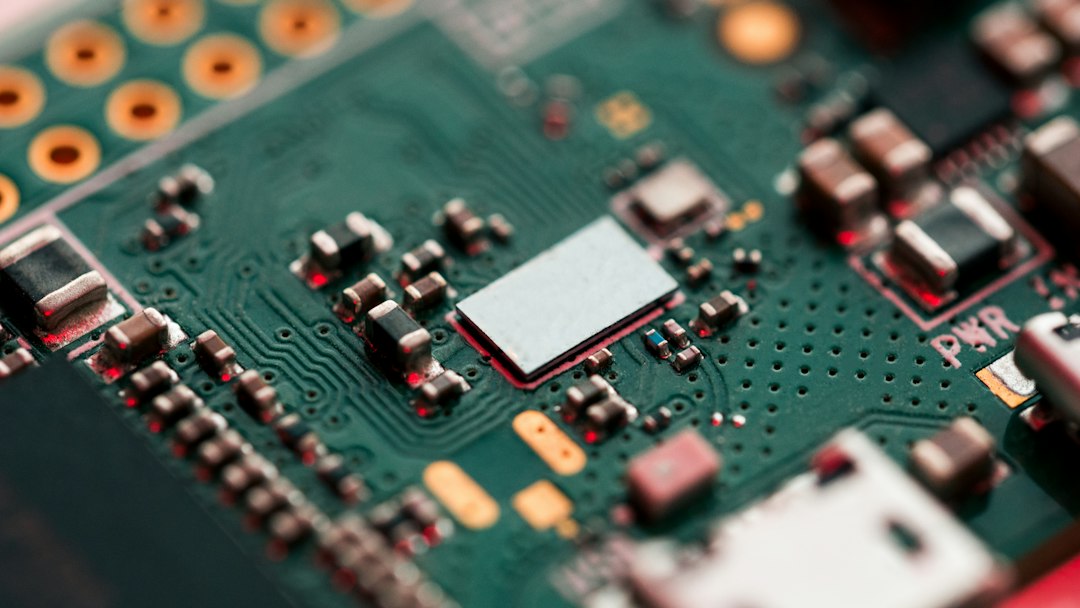
Bio-based plastics are definitely making inroads into consumer electronics, offering a real alternative to traditional petroleum-derived polymers. While they won’t replace everything overnight, these materials are already being used in components like device casings, internal structures, and even some flexible parts, driven by a growing push for sustainability and circularity in the tech industry. It’s not just about looking green; it’s about finding functional materials that perform.
Why the Shift to Bio-Based?
The primary driver for exploring bio-based plastics in consumer electronics is straightforward: sustainability. The environmental footprint of traditional plastics, from resource extraction to end-of-life, is a significant concern. Petroleum-derived polymers rely on finite fossil fuels, and their decomposition often contributes to persistent pollution. Bio-based alternatives, conversely, source their carbon from renewable biomass, such as corn, sugarcane, or even algae.
Reducing Environmental Impact
By utilizing renewable resources, bio-based plastics can help lower greenhouse gas emissions associated with plastic production. The biomass captures carbon dioxide from the atmosphere as it grows, potentially offsetting some of the emissions released during manufacturing. Furthermore, many bio-based plastics offer improved end-of-life options, from industrial composting to enhanced recyclability, reducing reliance on landfills and incineration. This isn’t a silver bullet, but it’s a step in the right direction for an industry that churns out billions of devices annually.
Consumer and Regulatory Pressure
Consumers are increasingly aware of the environmental impact of their purchases and are often willing to support brands that demonstrate a commitment to sustainability. This translates into market pressure on electronics manufacturers to adopt greener materials. Simultaneously, governments and regulatory bodies worldwide are implementing stricter environmental regulations, including mandates for extended producer responsibility and targets for recycled content. For instance, the European Union’s ecodesign regulations are pushing manufacturers to consider the entire lifecycle of their products, making bio-based options more attractive.
Innovation and Performance Advantages
Beyond the environmental benefits, advancements in material science are also making bio-based plastics more competitive in terms of performance. While early bio-plastics sometimes struggled with durability or heat resistance, newer formulations can rival, and in some cases even surpass, the properties of their petroleum-based counterparts. This means they can be engineered for specific applications within electronics, from robust outer casings to intricate internal components, without compromising device integrity or user experience.
In the ongoing quest for sustainable materials, the article on Bio-Based Plastics in Consumer Electronics highlights the potential of replacing petroleum-derived polymers with eco-friendly alternatives. This shift not only addresses environmental concerns but also aligns with the growing consumer demand for greener products. For further insights into making informed choices in technology, you might find the article on choosing a VPS hosting provider useful, as it discusses how to select the right services that can support sustainable practices in the digital realm. You can read more about it here: