

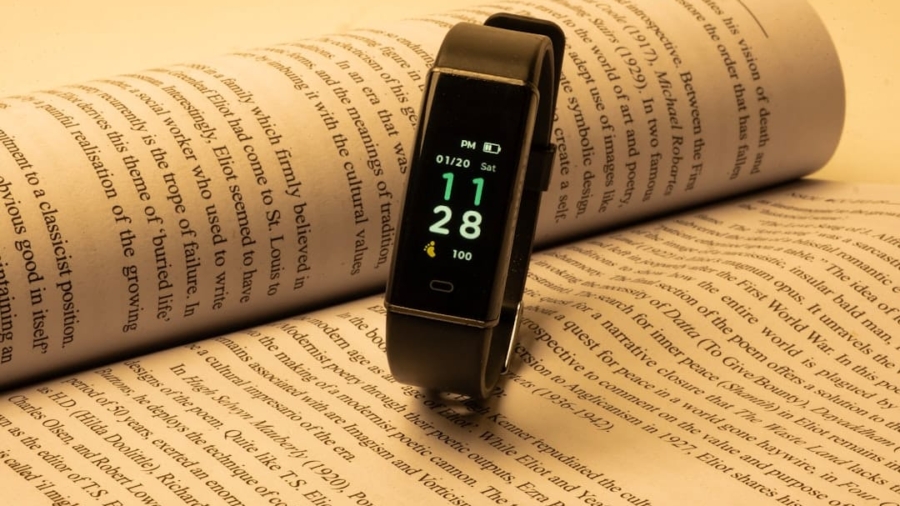
Smartwatches today are far more than just fancy pedometers. While counting steps is still a feature, their real power lies in their increasingly sophisticated abilities to monitor our heart health. They’ve moved beyond simple heart rate checks to offer insights that can genuinely make a difference in understanding and managing your cardiac well-being. Think of them as tiny, personal health assistants, right there on your wrist, gently nudging you towards a healthier lifestyle and sometimes even flagging potential issues that might otherwise go unnoticed.
Let’s start with the foundation: heart rate. It’s been a staple of fitness trackers for years, but its role in cardiac health monitoring is still incredibly important.
Resting Heart Rate: A Baseline for Health
Your resting heart rate (RHR) is the number of times your heart beats per minute while you’re at rest. For most healthy adults, this typically falls between 60 and 100 beats per minute. A consistently lower RHR often indicates better cardiovascular fitness, as your heart doesn’t have to work as hard to pump blood.
Smartwatches track this automatically, usually overnight or when you’re inactive.
- What it tells you: A significant increase in your RHR could be a sign of stress, illness, poor sleep, or even overtraining. A sudden, unexplained drop might also be worth noting.
- Practical Use: Regularly checking your RHR trend can give you early warnings about your body’s stress levels or impending illness. It’s a simple, yet powerful, indicator of your overall well-being.
Active Heart Rate: Gauging Your Effort
During exercise, your heart rate naturally increases. Smartwatches continuously track this, giving you real-time feedback on your exertion levels.
- What it tells you: Are you in your target heart rate zone for cardio? Are you pushing too hard, or not hard enough? Different exercise goals (fat burning, endurance, peak performance) correspond to different heart rate zones.
- Practical Use: This helps you optimize your workouts, ensuring you’re getting the most out of your efforts without overdoing it. Many smartwatches will even alert you if your heart rate goes too high or too low during a workout.
Heart Rate Recovery: A Fitness Indicator
Heart rate recovery (HRR) measures how quickly your heart rate drops after exercise.
The faster it returns to your resting state, generally the fitter you are.
- What it tells you: A rapid drop in heart rate post-exercise indicates a well-conditioned cardiovascular system. A slow recovery might suggest fatigue, overtraining, or a need to improve fitness.
- Practical Use: Some advanced smartwatches will even calculate and display your HRR. It’s a great metric to track your fitness progress over time, showing the tangible benefits of your exercise regimen.
In addition to the advancements in smartwatch technology for monitoring cardiac health, readers may find interest in a related article that explores the features of the Samsung Galaxy Book Odyssey. This article delves into the innovative capabilities of this device, showcasing how it complements modern health tracking by providing a seamless experience for users who prioritize both fitness and productivity. For more information, you can read the article here: Exploring the Features of the Samsung Galaxy Book Odyssey.
Key Takeaways
- Clear communication is essential for effective teamwork
- Active listening is crucial for understanding team members’ perspectives
- Setting clear goals and expectations helps to keep the team focused
- Regular feedback and open communication can help address any issues early on
- Celebrating achievements and milestones can boost team morale and motivation
Electrocardiogram (ECG): Peeking at Your Heart’s Electrical Activity
This is where smartwatches start to get really interesting. An ECG, or EKG, measures the electrical signals that make your heart beat. Traditionally, this was a clinical procedure, but now it’s available on your wrist.
How Smartwatch ECGs Work
Most smartwatches use a single-lead ECG setup. You typically place a finger from your opposite hand on the watch’s crown or bezel for about 30 seconds. This creates a closed circuit with your arm, allowing the watch to record the electrical impulses of your heart.
- What it tells you: The primary function of smartwatch ECGs is to detect signs of Atrial Fibrillation (AFib). AFib is an irregular and often rapid heart rate that can lead to blood clots, stroke, heart failure, and other heart-related complications.
- Practical Use: If the smartwatch detects an irregular rhythm suggestive of AFib, it will often prompt you to consult a doctor. It’s not a diagnostic tool in itself, but it can provide valuable data for your physician. For individuals already diagnosed with AFib, it can help monitor the frequency and duration of episodes.
Limitations and Important Considerations
While incredibly useful, it’s crucial to understand the limitations of smartwatch ECGs.
- Not a Diagnostic Tool: It doesn’t diagnose heart conditions. It’s an indicator that suggests you should seek professional medical advice.
- Single Lead vs. 12-Lead: Clinical ECGs use 12 leads, providing a much more comprehensive view of the heart. Smartwatch ECGs, with their single lead, offer a more limited perspective. They can’t detect all heart conditions, such as heart attacks.
- User Error: Proper placement and stillness are essential for an accurate reading. Movement or poor contact can lead to inconclusive results.
- Not for Everyone: If you’re experiencing chest pain or other severe symptoms, don’t rely on your smartwatch; seek immediate medical attention.
Blood Oxygen Saturation (SpO2): A Window into Respiratory Health

More and more smartwatches now include a pulse oximeter, allowing them to measure your blood oxygen saturation (SpO2) levels. This is a measure of the amount of oxygen-carrying hemoglobin in your blood relative to total hemoglobin.
How SpO2 Monitoring Works
The smartwatch uses a technique called photoplethysmography (PPG), similar to traditional pulse oximeters. It shines red and infrared light through your skin and measures the amount of light that’s reflected back.
Oxygenated blood absorbs more infrared light, while deoxygenated blood absorbs more red light. By analyzing these differences, the watch can estimate your SpO2.
- What it tells you: A healthy SpO2 level is typically between 95% and 100%. Lower readings can indicate issues with lung function or oxygen delivery, suggesting conditions like sleep apnea, asthma, or other respiratory illnesses.
- Practical Use: Consistent tracking, especially overnight, can highlight potential breathing problems like sleep apnea, which often goes undiagnosed.
It can also be useful for altitude sickness monitoring for hikers or climbers. During illness, particularly respiratory infections, tracking SpO2 can provide an early warning if oxygen levels drop significantly.
Best Practices for SpO2 Readings
Getting an accurate SpO2 reading from your wrist can be tricky.
- Stillness is Key: During a reading, hold your arm still and flat.
- Proper Fit: The watch needs to be snug, but not uncomfortably tight, on your wrist.
- Avoid Cold: Cold hands can restrict blood flow and affect readings.
- Not a Substitute for Medical Grade Devices: While useful for general well-being, for critical health monitoring, a dedicated medical-grade pulse oximeter is more accurate.
Irregular Rhythm Notifications: Your Early Warning System

Beyond on-demand ECGs, many smartwatches now actively monitor your heart rhythm in the background and can alert you to potential irregularities.
How Continuous Monitoring Works
These smartwatches use their optical heart rate sensor (photoplethysmography, or PPG) to continuously sample your pulse throughout the day and night. Algorithms analyze these readings for patterns that deviate from a normal sinus rhythm.
- What it tells you: If the watch detects multiple instances of an irregular rhythm that could be AFib, it will send a notification. This is proactive monitoring, catching potential issues even when you’re not actively taking an ECG.
- Practical Use: This feature is particularly valuable for individuals who might be asymptomatic or unaware they have AFib. Early detection can lead to earlier intervention, potentially reducing the risk of serious complications like stroke.
Understanding the Alerts
Getting an irregular rhythm notification can be concerning, but it’s important to react appropriately.
- Not a Diagnosis: The alert means the watch has detected an irregular rhythm suggestive of AFib. It doesn’t mean you have AFib.
- Consult Your Doctor: If you receive an alert, the next step is usually to share this information with your doctor. They might recommend further tests, like a 12-lead ECG or a Holter monitor study, for a definitive diagnosis.
- False Positives/Negatives: Like any technology, there can be false positives (an alert when there’s no AFib) or false negatives (no alert when AFib is present). It’s a screening tool, not an infallible identifier.
In the evolving landscape of wearable technology, smartwatches have transcended their initial purpose of simple step counting to become sophisticated devices that monitor various aspects of cardiac health. A related article explores how emerging technologies are shaping this field, highlighting innovations that enhance our understanding of heart conditions and overall wellness. For more insights into these advancements, you can read the article on