

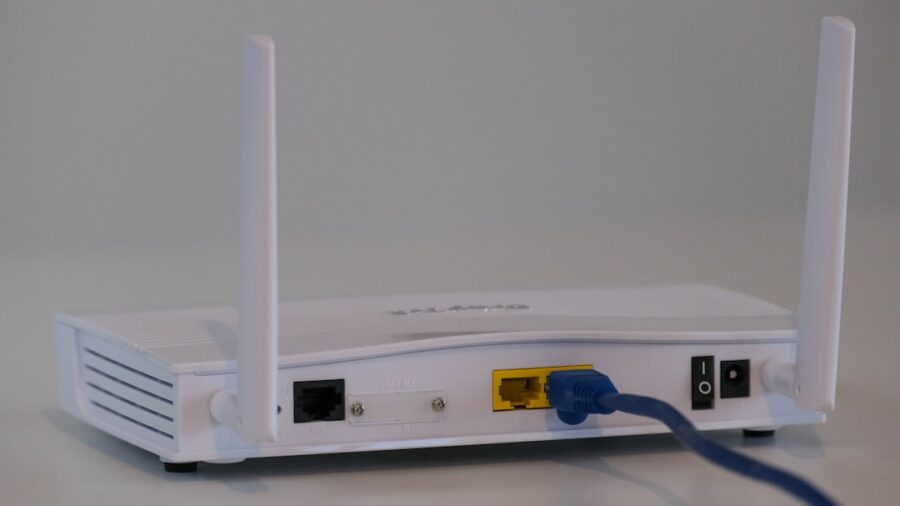
So, you’re looking to get wireless backhaul working smoothly in remote areas, huh? The short answer is: it’s all about balancing reliability, cost, and the unique challenges of your environment. You need a robust plan that considers everything from power to local regulations. Let’s dive into the practicalities.
Setting up wireless backhaul in remote locations isn’t like deploying it in a city. You’re dealing with a different beast entirely. Forget about easy access to power or fiber optic lines – those luxuries are usually long gone.
The Power Problem
Power is often the biggest headache. In remote areas, you’re usually looking at off-grid solutions. This means generators, solar panels, wind turbines, or a hybrid approach. It’s not just about generating enough power; it’s about making sure it’s reliable, manageable, and doesn’t break the bank.
Environmental Extremes
From scorching deserts to freezing tundras, remote areas often experience extreme weather.
Your equipment needs to withstand these conditions.
Think about temperature fluctuations, humidity, dust, high winds, and even lightning strikes. This isn’t just about the radio itself, but also the mounting hardware, cables, and enclosures.
Logistics and Accessibility
Getting equipment, personnel, and fuel to a remote site can be a logistical nightmare. Roads might be non-existent or impassable for large vehicles. This impacts installation time, maintenance, and emergency repairs. Every trip adds significant cost and time.
Security Concerns
Physical security for your equipment can be a real issue. Remote sites are often unattended for long periods, making them vulnerable to theft or vandalism. You need to consider robust enclosures, alarms, and potentially even surveillance.
Spectrum Availability and Interference
While remote areas often mean less interference than urban environments, you still need to be mindful of spectrum availability. Are there existing users you need to coordinate with? Are there potential sources of interference from other remote operations (mining, oil and gas, etc.)?
In exploring the challenges and solutions associated with establishing reliable communication networks in remote areas, it is essential to consider various technological advancements and trends that can influence implementation strategies.
A related article that discusses emerging trends in digital communication is available at Top Trends on TikTok 2023. This article highlights how social media platforms are adapting to new technologies, which can provide insights into user engagement and connectivity that may be relevant when planning wireless backhaul solutions in underserved regions.
Key Takeaways
- Clear communication is essential for effective teamwork
- Active listening is crucial for understanding team members’ perspectives
- Setting clear goals and expectations helps to keep the team focused
- Regular feedback and open communication can help address any issues early on
- Celebrating achievements and milestones can boost team morale and motivation
Choosing the Right Wireless Technology
This is where the rubber meets the road. There’s no one-size-fits-all solution, but certain technologies shine in remote backhaul scenarios.
Point-to-Point (PtP) Microwave
PtP microwave links are often the go-to for remote backhaul due to their high capacity, reliability, and long-range capabilities. They can handle significant data loads over many kilometers, making them ideal for connecting remote sites to a central network.
Licensed vs. Unlicensed Spectrum
- Licensed Microwave: Offers guaranteed spectrum, meaning less interference. This provides more stable and predictable performance, which is crucial for critical applications. However, it involves regulatory hurdles and associated costs for spectrum licenses.
- Unlicensed Microwave: Cheaper and quicker to deploy as it avoids licensing fees and delays. However, you’re sharing the spectrum with other users, which can lead to unpredictable interference and performance fluctuations. Careful site surveys and channel planning are essential here.
Point-to-Multipoint (PtMP) Wireless
If you need to connect several smaller remote sites to a central hub, PtMP can be a more efficient solution than multiple PtP links. It’s often used for last-mile connectivity from a main backhaul point.
Advantages of PtMP in Remote Scenarios
PtMP can reduce the number of base stations required, simplifying deployment and reducing overall costs. It’s also more flexible for adding new subscriber sites later on.
Satellite Backhaul
For truly extreme remote locations where terrestrial wireless isn’t feasible, satellite is often the only option. It offers ubiquitous coverage, but comes with higher latency and significantly higher operational costs.
Geostationary vs. Low Earth Orbit (LEO) Satellites
- Geostationary (GEO): High latency (due to the distance the signal travels) but very stable and wide coverage. Good for applications that aren’t extremely sensitive to delay.
- Low Earth Orbit (LEO): Much lower latency, making it more suitable for real-time applications. However, it requires more sophisticated antenna tracking and is a newer, rapidly evolving technology.
Mesh Networks
While less common for primary backhaul, mesh networks can be useful for extending connectivity within a very localized remote area, like a large mining camp or a research station. They offer redundancy as traffic can re-route if a link fails.
Site Planning and Surveying: Don’t Skip This Step!

This is probably the most critical phase. Rushing your site planning will almost certainly lead to costly headaches down the line. A thorough survey helps you avoid surprises and design a robust solution.
Path Loss and Line-of-Sight (LoS)
The fundamental principle of wireless backhaul is line-of-sight.
Any obstruction between your antennas will significantly degrade performance or completely block the signal.
Fresnel Zone Considerations
It’s not just about seeing the other antenna. You need to ensure the Fresnel zone (an elliptical area around the line-of-sight path) is clear of obstructions. Even partial obstructions can introduce significant signal loss. Tools like Google Earth and specialized path analysis software are invaluable here.
Tower and Mounting Infrastructure
The type of tower or pole you use will depend on the terrain, desired height, and wind loading. Monopoles, guyed towers, and self-supporting towers all have their pros and cons.
Ensure your mounting solution is robust enough to handle the environmental conditions and the weight of your equipment.
Power Requirements and Sizing
Based on your chosen equipment, calculate the precise power draw. Then, design your power system (solar, wind, generator) with sufficient redundancy and battery backup to handle periods of low generation or outages. Over-specifying here can prevent future headaches.
Grounding and Lightning Protection
In remote areas, lightning strikes are a serious threat.
Proper grounding and lightning arrestors are non-negotiable. This protects your expensive equipment and ensures operational continuity.
Security Assessment
Evaluate potential security risks and design physical security measures accordingly. This might include reinforced enclosures, locks, alarms, and even remote surveillance cameras.
Regulatory Compliance
Check local regulations for tower height restrictions, spectrum usage, environmental impact assessments, and building permits.
Ignoring these can lead to costly delays or fines.
Installation and Deployment Best Practices

Even with the best planning, installation in remote areas presents its own set of challenges.
Qualified Personnel
Use experienced technicians who understand the nuances of working in remote environments. They need to be proficient in tower climbing, RF alignment, electrical work, and safety protocols.
Staging and Pre-Configuration
Whenever possible, pre-configure and test all equipment in a controlled environment before sending it to the remote site. This minimizes troubleshooting time in the field, which can be very expensive.
Antenna Alignment Precision
Accurate antenna alignment is paramount for maximizing signal strength and minimizing interference. Use high-quality alignment tools (spectrum analyzers, GPS-assisted aligners) rather than relying solely on built-in signal indicators.
Cabling and Connectors
Use high-quality, weather-rated outdoor cabling (e.g., UV-resistant Ethernet, LMR-400 equivalent for RF). Properly seal all connectors with weatherproofing tape and dielectric grease to prevent moisture ingress, which is a common cause of link failure.
Power System Setup
Carefully install and test all components of your power system. Ensure solar panels are oriented correctly, batteries are properly connected and charged, and generators are correctly fueled and maintained. Implement remote monitoring for power systems.
Documentation
Thoroughly document every aspect of the installation: equipment serial numbers, IP addresses, configuration settings, antenna alignment values, power system details, and photos of the completed site. This documentation is invaluable for future maintenance and troubleshooting.
In the quest for effective communication solutions in remote areas, understanding the role of mobile devices can be crucial. A related article that explores the best tablets equipped with SIM card slots can provide valuable insights into selecting the right technology for wireless backhaul implementations. By examining the features and capabilities of these devices, one can enhance connectivity in challenging environments. For more information, you can check out this insightful piece on the best tablets with SIM card slots.
Ongoing Monitoring and Maintenance
“`html
| Best Practices | Metrics |
|---|---|
| Site Survey | Signal Strength, Interference Level |
| Equipment Selection | Throughput, Latency |
| Antenna Placement | Line of Sight, Signal Coverage |
| Power Supply | Reliability, Backup Options |
| Security Measures | Encryption, Access Control |
“`
Once your backhaul is up and running, the work isn’t over. Remote sites demand proactive monitoring and a solid maintenance plan.
Remote Monitoring Systems
Implement a robust network management system (NMS) that can monitor key performance indicators (KPIs) like signal strength, throughput, latency, packet loss, power levels, and temperature. Alerts should be configured to notify technicians of potential issues before they become critical.
Power System Monitoring
Crucially, monitor your power system. Track battery health, solar panel output, generator fuel levels, and run times. Early detection of power issues can prevent costly outages.
Regular Preventative Maintenance
Schedule regular site visits for preventative maintenance. This might include:
- Tower and Antenna Inspection: Check for loose bolts, corrosion, cable damage, and antenna alignment shifts (due to wind or settlement).
- Power System Checks: Inspect solar panels for dirt or damage, test batteries, service generators, and check all electrical connections.
- Environmental Enclosure Inspection: Ensure enclosures are sealed, vents are clear, and there’s no pest intrusion.
Spare Parts Management
Maintain an inventory of critical spare parts for each site. Given the logistical challenges of remote locations, having spares readily available can drastically reduce downtime during an equipment failure.
Emergency Response Plan
Develop a clear emergency response plan for outages. This should outline who to contact, what steps to take, and how to dispatch technicians and replacement parts efficiently. Consider backup communication methods if the primary backhaul link fails completely.
Firmware Updates and Security Patches
Regularly apply firmware updates and security patches to your wireless equipment. This ensures optimal performance and protects against known vulnerabilities. However, plan these updates carefully to minimize service disruption.
By carefully considering these aspects, from the initial design to ongoing maintenance, you’ll be well on your way to building a reliable and effective wireless backhaul solution in even the most challenging remote environments. It’s a challenging endeavor, but with the right approach, it’s entirely achievable.
FAQs
What is wireless backhaul?
Wireless backhaul refers to the wireless communication link that connects the access point or base station to the core network, typically in remote or rural areas where wired connections are not feasible.
What are the best practices for implementing wireless backhaul in remote areas?
Best practices for implementing wireless backhaul in remote areas include conducting a thorough site survey, selecting the appropriate frequency band, ensuring line-of-sight for point-to-point links, using high-gain antennas, and implementing proper security measures.
What are the benefits of using wireless backhaul in remote areas?
Using wireless backhaul in remote areas offers benefits such as cost-effectiveness, rapid deployment, scalability, and the ability to provide connectivity in areas where traditional wired infrastructure is not available.
What are the challenges of implementing wireless backhaul in remote areas?
Challenges of implementing wireless backhaul in remote areas include limited available spectrum, potential interference from other wireless systems, environmental factors such as foliage and terrain, and the need for reliable power sources in off-grid locations.
What are some key considerations for selecting wireless backhaul equipment for remote areas?
Key considerations for selecting wireless backhaul equipment for remote areas include the required throughput, frequency band availability, environmental conditions, power requirements, and the need for remote management and monitoring capabilities.
Enjoying our content? Make us a preferred source on Google:
Add us as a Preferred Source on Google