

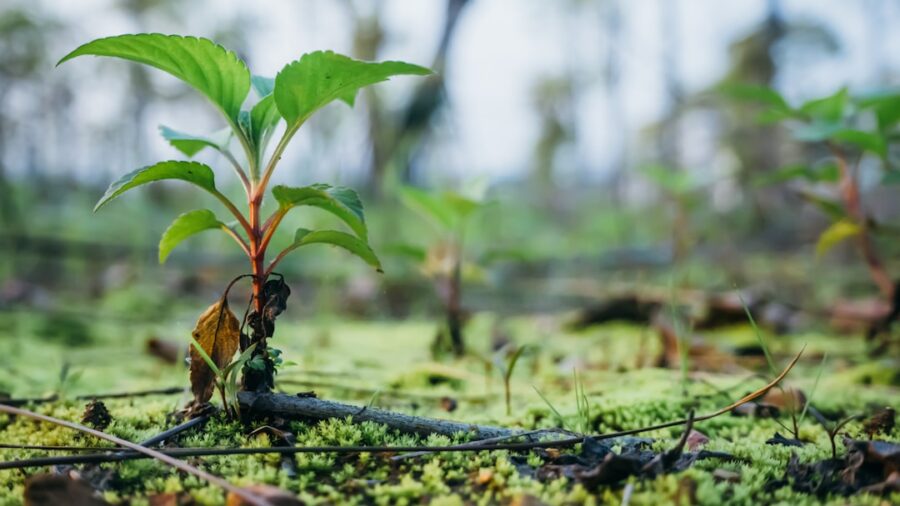
Let’s talk about autonomous reforestation and how drones are stepping up to the plate. The short answer to whether drones can effectively reforest areas is a resounding yes, though with some important caveats we’ll dive into. This isn’t science fiction anymore; it’s a practical, rapidly developing field aiming to tackle the massive challenge of restoring our planet’s forests. Imagine areas devastated by wildfires, logging, or even agricultural expansion, now being replanted not by hand, but by precise, unmanned aerial vehicles. It’s an exciting prospect, offering speed, scale, and access to places humans might struggle to reach.
Traditional reforestation methods, while valuable, often can’t keep up with the sheer scale of deforestation we’re facing globally. Millions of acres are lost every year, and manual planting is slow, labor-intensive, and can be dangerous in rugged or remote terrain. This is where autonomous solutions really shine.
The Scale of the Problem
When we talk about deforestation, we’re not just talking about losing trees; we’re talking about losing critical habitats, disrupting water cycles, accelerating climate change, and impacting the livelihoods of countless communities. The numbers are staggering, and traditional planting efforts, while well-intentioned, often feel like a drop in the ocean compared to the vast areas needing restoration. Think about regions decimated by large-scale wildfires, or vast tracts of land cleared for unsustainable agriculture. Getting boots on the ground for these areas is a logistical nightmare.
Limitations of Manual Planting
Don’t get me wrong, manual planting has its place, and dedicated volunteers and workers do incredible work. However, it’s inherently limited.
The speed at which humans can plant is finite.
Access to remote, steep, or otherwise difficult terrain can be a major safety concern and expense. Plus, finding and mobilizing enough skilled labor for large-scale projects can be a significant hurdle. This often means that while some areas get replanted, many others remain barren for extended periods, further exacerbating ecological damage.
Speeding Up Restoration
This is perhaps the most compelling argument for autonomous reforestation. Drones can cover vast areas much more quickly than human teams. This speed is crucial, especially in post-disaster scenarios like after wildfires, where rapid intervention can prevent further erosion, soil degradation, and the spread of invasive species. Getting seeds into the ground sooner can make a huge difference in the long-term success of a restoration project. It’s about beating the clock on ecological recovery.
In the quest for innovative solutions to combat deforestation, the article on Autonomous Reforestation: Deploying Seed-Bombing Drones to Restore Deforested Ecosystems highlights the potential of technology in environmental restoration. This approach not only utilizes drones for efficient seed dispersal but also emphasizes the importance of integrating modern tools into conservation efforts. For those interested in exploring more about cutting-edge technology, you can read about the Samsung Galaxy Book2 Pro and how it can enhance productivity in various fields, including environmental science, by following this link: Samsung Galaxy Book2 Pro.
Key Takeaways
- Clear communication is essential for effective teamwork
- Active listening is crucial for understanding team members’ perspectives
- Conflict resolution skills are necessary for managing disagreements
- Trust and respect are the foundation of a successful team
- Collaboration and cooperation are key for achieving common goals
How Seed-Bombing Drones Work
It’s not as simple as just dropping seeds from the sky. There’s a lot of clever engineering and ecological science that goes into making these seed bombs effective.
Drone Technology in Action
We’re generally talking about larger, multi-rotor drones, sometimes fixed-wing, capable of carrying a significant payload. These aren’t your typical hobby drones. They’re equipped with GPS for precise navigation, mapping capabilities to identify optimal drop zones, and specialized dispensers. The flight paths are pre-programmed based on detailed terrain and ecological surveys, ensuring seeds are distributed where they have the best chance of survival. Think of them as flying, robotic planters.
The Science Behind Seed Bombs
This is where the “bomb” part comes in, though it’s less explosive and more protective. A seed bomb typically consists of seeds (often a mix of native species suitable for the specific ecosystem), nutrient-rich soil or compost, and a binding agent, sometimes mixed with clay or other materials. This protective casing serves several purposes:
Protecting Seeds from Pests
Bare seeds dropped from the sky are easy pickings for birds, rodents, and insects. The protective shell of a seed bomb creates a barrier, giving the seeds a better chance to germinate before they become a snack.
Providing Initial Nutrients
The soil or compost within the seed bomb gives the germinating seedling a head start, providing essential nutrients that might be lacking in degraded soils. This can be particularly important in areas where the topsoil has been eroded or depleted.
Moisture Retention
Some seed bomb formulations are designed to retain moisture, creating a micro-environment that aids germination, especially in arid or semi-arid regions. This is a big deal, as water availability is often a bottleneck for new seedlings.
Targeting Specific Microclimates
With advanced mapping and drone precision, different seed bomb compositions (and therefore different tree species) can be strategically deployed to specific microclimates within a larger restoration area. This could mean one mix for sun-exposed slopes and another for shadier, damper valleys, optimizing success rates.
Planning and Precision: Beyond Just Dropping Seeds

Effective reforestation isn’t just about getting seeds into the ground; it’s about getting the right seeds into the right ground at the right time, and that requires meticulous planning.
Site Assessment and Species Selection
Before any drone takes flight, extensive groundwork (often literally) is needed. This involves detailed ecological surveys of the target area. What was the native ecosystem like?
What are the soil conditions? What is the climate like, including rainfall patterns? Understanding these factors is crucial for selecting appropriate native tree species. Planting non-native or ill-suited species can do more harm than good. It’s about restoring ecological function, not just adding green cover.
Soil Analysis
Knowing the soil’s pH, nutrient content, and composition (sandy, clay, loamy) directly informs seed bomb composition and species choice.
Some species thrive in acidic soil, others prefer alkaline. If the soil is severely degraded, additional soil amendments might be incorporated into the seed bombs.
Climate Data Integration
Rainfall patterns, temperature ranges, and sun exposure are all critical. Seeds need water to germinate and young seedlings need specific conditions to survive their first few vulnerable months.
Drone deployment schedules are often timed to coincide with ideal rainfall or growing seasons.
Biodiversity Considerations
It’s not just about planting a monoculture. Healthy ecosystems are biodiverse. Reforestation projects aim to restore a variety of native species, creating a resilient and functioning ecosystem.
This means selecting a mix of tree species, and potentially even understory plants, to mimic natural forest structures.
Mapping and Flight Path Optimization
This is where the “autonomous” aspect really shines. High-resolution drone mapping (LiDAR, multispectral imagery) is used to create detailed 3D models of the terrain. This data helps identify:
Optimal Planting Zones
Areas with suitable soil, adequate sunlight, and protection from strong winds might be prioritized.
Conversely, areas with dense existing vegetation or rocky outcrops might be avoided.
Avoiding Obstacles and Existing Vegetation
We don’t want to plant seeds where trees already exist or where they’ll be immediately outcompeted. The mapping allows for intelligent avoidance of existing tree cover or other obstacles.
Precision Targeting
The drone’s GPS system allows for incredibly precise placement of seed bombs. This means seeds can be dropped in a dispersed pattern that mimics natural regeneration or concentrated in specific areas identified as ideal for germination and growth.
Timing is Everything
When you plant matters almost as much as what you plant and where.
Drones can be deployed rapidly, but their schedule is still dictated by environmental factors.
Seasonal Considerations
Planting seeds just before a rainy season is often ideal, as it provides the necessary moisture for germination. Planting during a dry season would likely lead to failure.
Post-Disaster Rapid Response
After a wildfire, for example, rapid deployment is critical to prevent soil erosion and allow native species to recolonize before invasive species take hold. Drones offer that speed without putting human lives at risk in potentially unstable terrain.
Challenges and Considerations

While incredibly promising, autonomous reforestation isn’t a silver bullet. There are practical hurdles and ethical considerations to address.
Seed Survival Rates
Dropping seeds from a drone, even in a protective shell, still faces lower success rates than planting seedlings by hand.
Seed bombs can still be eaten by wildlife, fail to germinate due to insufficient moisture, or get washed away.
This means a higher density of seed drops might be necessary, increasing costs.
Environmental Factors
Beyond predation, environmental variability is a huge factor. Unforeseen droughts, sudden floods, or unexpected temperature extremes can devastate newly germinated seedlings, regardless of how they were planted.
Germination Barriers
Some native seeds have natural dormancy mechanisms that require specific conditions (like cold stratification or fire exposure) to germinate. Ensuring these conditions are met, or pre-treating seeds, adds complexity to the seed bomb design.
Cost and Technology Access
The advanced drones, mapping software, and specialized seed bomb formulations aren’t cheap. This can be a barrier for smaller organizations or developing nations where reforestation is desperately needed. Scaling up these operations also requires significant investment.
Initial Investment
The upfront cost of purchasing specialized drones, training pilots and ecological data analysts, and developing bespoke seed bomb recipes can be substantial.
Operational Expenses
Maintenance of drones, fuel (or battery charging infrastructure), and the continuous development and procurement of seed materials also contribute to ongoing costs.
Ethical and Ecological Concerns
It’s crucial to ensure that autonomous reforestation doesn’t become a justification for further deforestation or a way to sidestep responsible land management. It should be an aid to, not a replacement for, broader conservation efforts.
Monoculture Risk
If not carefully planned, there’s a risk of drones being used to plant vast areas with a single, fast-growing species, creating monocultures that lack ecological resilience and biodiversity. This defeats the purpose of ecological restoration.
Displacement of Human Labor
While drones offer efficiency, it’s important to consider the potential impact on communities that rely on manual tree planting for income. Projects should ideally integrate both approaches where feasible, creating new job roles in drone operation and data analysis.
“Greenwashing”
There’s a concern that companies might use drone reforestation as a “greenwashing” tactic, offsetting emissions without genuinely reducing their environmental impact at the source. The technology must be used as part of a holistic environmental strategy.
In the quest for innovative solutions to combat deforestation, the concept of autonomous reforestation has gained significant attention, particularly through the use of seed-bombing drones to restore degraded ecosystems. This approach not only enhances the efficiency of reforestation efforts but also aligns with broader sustainability goals. For those interested in the intersection of technology and environmental conservation, a related article discusses how one founder realized the potential of sustainable energy, which can complement initiatives like drone-assisted reforestation. You can read more about this fascinating topic here.
The Future of Autonomous Reforestation
| Metrics | Data |
|---|---|
| Number of seed-bombing drones deployed | 25 |
| Area of deforested land restored | 500 acres |
| Types of tree seeds used | Pine, Oak, Maple |
| Success rate of seed germination | 85% |
| Cost per acre of reforestation | 500 |
Despite the challenges, the potential of autonomous reforestation is undeniable. The technology is rapidly evolving, becoming more efficient, affordable, and intelligent.
AI and Machine Learning Integration
Future drones will likely integrate even more sophisticated AI. Imagine drones that can autonomously identify suitable planting spots in real-time, adapting to changing ground conditions, or even detecting early signs of disease in young saplings. Machine learning could optimize seed bomb dispersal patterns based on real-time climate data and historical success rates.
Predictive Analytics
AI could analyze vast datasets of climate, soil, and ecological information to predict which species will have the highest survival rate in a given area under future climate scenarios, making reforestation efforts more resilient to climate change.
Autonomous Monitoring
Beyond planting, drones equipped with AI could continuously monitor the health and growth of planted areas, identifying areas needing intervention (e.g., watering, pest control) or success metrics without human oversight.
Enhanced Seed Bomb Technology
We’ll likely see even more advanced seed bomb designs. Think about biodegradable casings that slowly release nutrients, or seeds pre-treated with symbiotic fungi to boost root growth and nutrient uptake. Genetic sequencing could ensure the use of genetically diverse seeds from local provenances, increasing resilience.
Bioremediation Components
Seed bombs could be engineered to include components that help remediate contaminated soils, making reforestation possible in areas previously thought too damaged for recovery.
Micro-Sensors
Imagine seed bombs with tiny, biodegradable sensors that report back on soil moisture, temperature, and germination success, providing invaluable data for optimizing future deployments.
Collaboration and Accessibility
As the technology matures, efforts will focus on making it more accessible globally. This means developing lower-cost solutions, fostering international partnerships, and sharing best practices. The goal is to put this powerful tool into the hands of those who need it most.
Autonomous reforestation isn’t just about planting trees; it’s about leveraging cutting-edge technology to heal our planet on an unprecedented scale. It’s a testament to human ingenuity in the face of ecological challenges, and a hopeful glimpse into a greener future.
FAQs
What is autonomous reforestation?
Autonomous reforestation refers to the use of technology, such as drones, to plant trees in deforested areas without the need for human intervention. This method aims to restore ecosystems and combat deforestation on a large scale.
How do seed-bombing drones work?
Seed-bombing drones are equipped with containers filled with seeds and fertilizers. They are programmed to fly over deforested areas and release the seed bombs at specific locations. Once the seed bombs land, they break open and the seeds are planted, helping to reforest the area.
What are the benefits of using seed-bombing drones for reforestation?
Using seed-bombing drones for reforestation offers several benefits, including the ability to cover large areas quickly and efficiently, reaching remote or difficult-to-access locations, and reducing the need for manual labor. Additionally, this method can help restore biodiversity and mitigate the effects of climate change.
Are there any challenges associated with autonomous reforestation using drones?
Challenges associated with autonomous reforestation using drones include the need for accurate mapping and planning to ensure the seeds are planted in suitable locations, as well as the potential for technical malfunctions or environmental factors that could affect the success of the reforestation efforts.
Where has autonomous reforestation using seed-bombing drones been implemented?
Autonomous reforestation using seed-bombing drones has been implemented in various regions around the world, including areas affected by wildfires, deforestation, and other environmental disturbances. This technology has been used to restore ecosystems in countries such as the United States, Australia, and Brazil.
Enjoying our content? Make us a preferred source on Google:
Add us as a Preferred Source on Google