

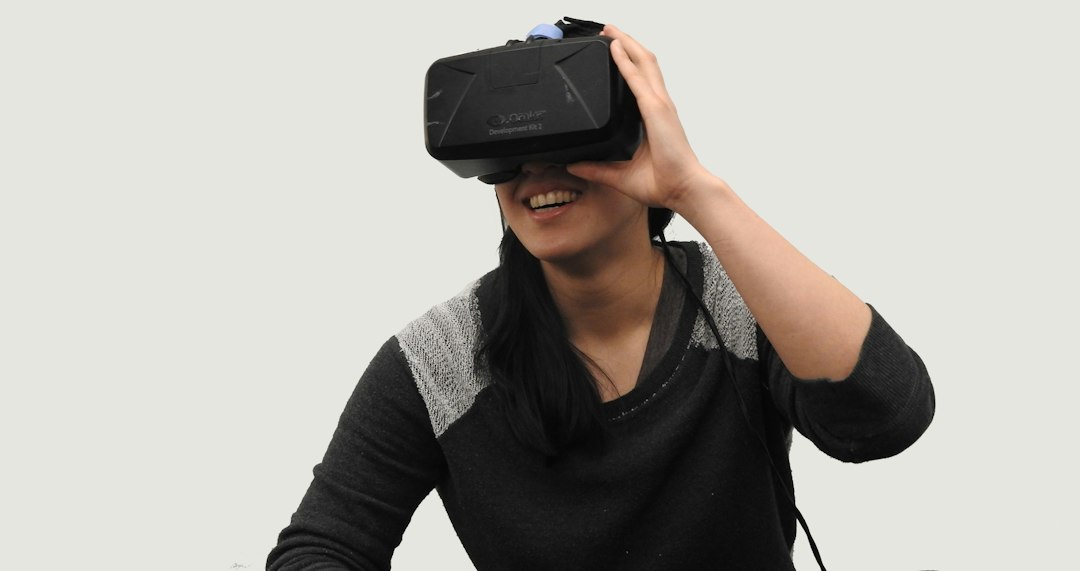
Augmented reality telepresence is essentially a way to bring expert knowledge to a remote location without the expert physically being there.
Think of it as a super-powered video call where a remote expert can “see” what a local technician sees, but also overlay digital information, annotations, and even 3D models directly into the technician’s real-world view.
This isn’t just about chatting; it’s about interactive, context-aware collaboration that dramatically improves how field support and diagnostics are handled, making processes faster, more accurate, and ultimately more efficient.
What is Augmented Reality Telepresence?
At its core, augmented reality (AR) telepresence marries the real world with digital overlays to facilitate remote communication and collaboration. Unlike a standard video call, where a remote expert might struggle to guide a local technician solely through verbal instructions or by pointing at a screen, AR telepresence allows for a shared, interactive visual space. The local technician wears an AR device, often smart glasses or a tablet, which captures their real-world environment. This live feed is then streamed to a remote expert.
The magic happens when the expert, from their own location, can interact with this live feed. They can highlight specific components, draw arrows, place virtual objects, or even project intricate 3D schematics directly onto the technician’s view of the machinery. This digital information appears anchored in the real world for the local technician, providing unambiguous guidance. It’s like having the expert looking over your shoulder, but with the added benefit of digital enhancements that clarify complex tasks and reduce ambiguity. This technology fundamentally changes the dynamic of remote support from descriptive instructions to interactive, visual guidance.
Beyond Basic Video Calls
While video calls revolutionized remote communication, they have inherent limitations for hands-on tasks. Imagine trying to fix a complex piece of equipment with someone on a video call: “See the blue wire? No, not that one, the other blue one, slightly to the left.” This ambiguity costs time and can lead to errors. AR telepresence eliminates much of this guesswork. The remote expert doesn’t just describe; they show. They can virtually “point” to the exact wire, highlight the precise screw, or overlay a critical measurement directly onto the component in question.
Moreover, AR telepresence systems often integrate with other data sources. This means the expert isn’t just seeing a live video feed; they might also have access to real-time sensor data from the equipment, its maintenance history, or detailed technical manuals – all accessible within the same AR interface. This holistic view provides a much richer context for diagnostics and problem-solving, moving beyond simple observation to informed, data-driven support. It’s a significant leap from passive observation to active, guided intervention.
Core Components of an AR Telepresence System
An effective AR telepresence system relies on several key components working in concert. Firstly, there’s the client-side AR device, typically smart glasses (like Microsoft HoloLens, Magic Leap, or various industrial AR headsets) or ruggedized tablets. These devices feature cameras to capture the environment, display technology to project AR overlays, and often microphones and speakers for communication.
Secondly, a robust network connection is crucial for streaming high-quality video and transmitting AR data with minimal latency. This often necessitates reliable Wi-Fi, 4G, or increasingly 5G connectivity in field environments.
Thirdly, the expert’s interface on the remote side is essential. This is usually a computer workstation with specialized software that allows the expert to view the live feed, access relevant data, and create and manipulate AR annotations. This software often includes tools for drawing, placing markers, sharing documents, and sometimes even projecting 3D models.
Finally, a powerful backend platform manages the data, user authentication, session management, and often integrates with enterprise systems like CRM, ERP, or CMMS (Computerized Maintenance Management System) to provide comprehensive contextual information. The combination of these elements creates a seamless and powerful remote support experience.
Augmented Reality Telepresence is revolutionizing remote field support and diagnostics by enabling technicians to interact with complex systems in real-time, regardless of their physical location. This innovative technology not only enhances problem-solving efficiency but also reduces downtime and travel costs. For further insights into the latest advancements in consumer technology, including developments in augmented reality, you can read a related article at CNET’s coverage of consumer technology breakthroughs.
Key Takeaways
- The training data includes information and events up to October 2023.
- Insights and knowledge are based on a wide range of sources available until the cutoff date.
- No updates or developments occurring after October 2023 are included in the training.
- Users should verify current information from reliable sources for the latest updates.
- The model’s responses reflect the context and knowledge available up to the specified date.
Enhancing Field Support with AR Telepresence
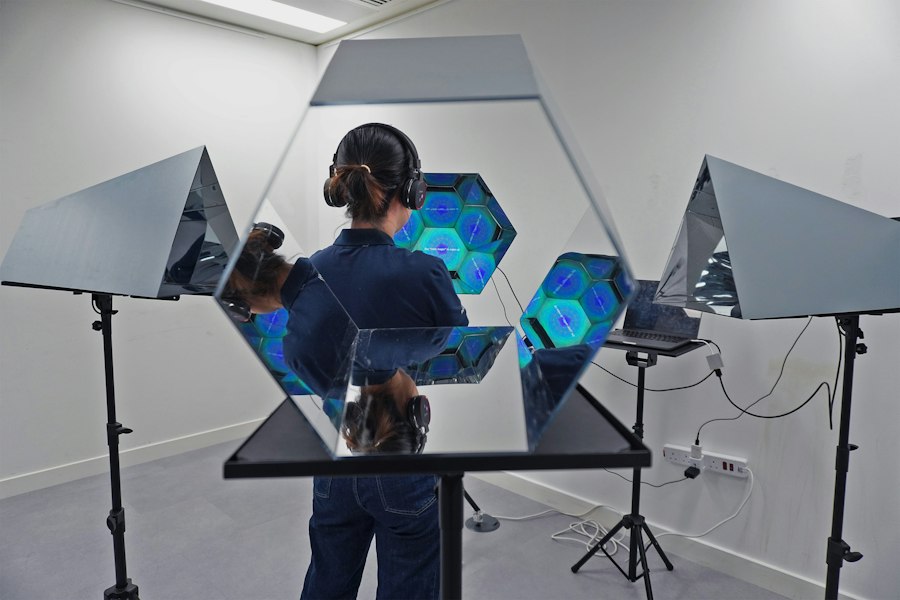
The practical applications of AR telepresence in field support are numerous and impactful. It fundamentally changes how organizations approach maintenance, repair, and installation tasks, particularly in industries where skilled labor is scarce or equipment is complex and geographically dispersed. The ability to bring specialized knowledge to any location, instantly, is a game-changer for operational efficiency and customer satisfaction.
Instant Access to Expert Knowledge
One of the most significant benefits is the immediate availability of specialized expertise. Instead of waiting for a senior technician or engineer to travel to a remote site, which can take hours or even days and incur significant costs, a local technician can connect with an expert virtually within minutes. This means faster problem resolution, reduced downtime for critical equipment, and improved first-time fix rates.
Imagine a situation where a piece of critical industrial machinery breaks down in a remote factory. With traditional methods, a local technician might attempt basic troubleshooting, but if the issue is complex, they’d have to call in a specialist. This could involve travel time, accommodation, and significant expense. With AR telepresence, the local technician, wearing smart glasses, can instantly stream their view of the machine to the expert back at headquarters. The expert can then guide them step-by-step, highlighting components, overlaying diagnostic information, and visually instructing the technician on how to proceed. This drastically cuts down resolution time and keeps operations running smoothly.
Reducing Travel and Costs
The cost savings associated with reduced travel are substantial. Flights, hotels, per diems, and lost productivity during travel time add up quickly. By enabling remote assistance via AR telepresence, companies can significantly reduce their travel budgets while maintaining or even improving service levels. This not only saves money but also contributes to a smaller carbon footprint, aligning with sustainability goals.
Beyond direct travel costs, there’s also the indirect cost of technician downtime. When a specialist is traveling, they aren’t actively solving problems. AR telepresence allows experts to support multiple field technicians from a single location, maximizing their productivity and spreading their valuable knowledge across a wider area. This efficient allocation of human resources means that skilled technicians can focus on more complex, hands-on tasks that genuinely require their physical presence, while routine or guided tasks are handled remotely.
Improving First-Time Fix Rates
A common frustration in field service is the need for multiple site visits to resolve a single issue. This often stems from technicians lacking the specific knowledge or tools required for a particular problem. AR telepresence addresses this by providing comprehensive, real-time guidance. When a technician is virtually guided by an expert, they are less likely to make mistakes or misdiagnose an issue. This leads to a higher probability of resolving the problem on the first visit.
Higher first-time fix rates translate directly into increased customer satisfaction, reduced operational costs (fewer return visits), and improved technician morale. It also builds confidence in the technicians themselves, knowing they have expert backup whenever needed. Furthermore, the structured guidance provided through AR can act as a learning tool, subtly upskilling the local technician over time as they tackle diverse problems under expert supervision.
Revolutionizing Diagnostics with Augmented Reality
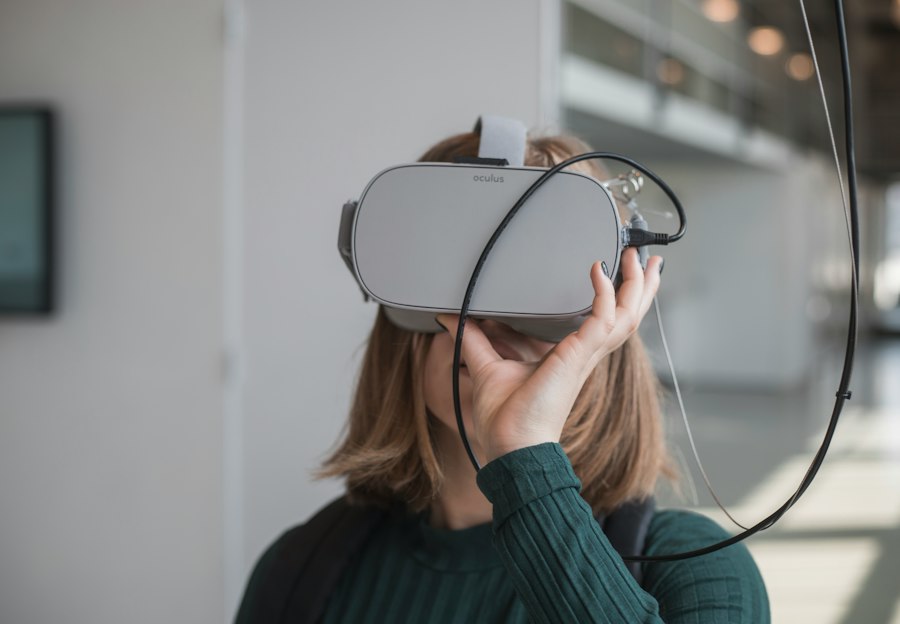
Beyond just providing support for repairs, AR telepresence fundamentally changes how diagnostics are performed. It moves beyond subjective descriptions to objective, visually guided analysis, leading to quicker and more accurate identification of problems. This is particularly valuable when dealing with complex machinery or systems where a precise understanding of component interaction is critical.
Visual Problem Identification
One of the biggest hurdles in remote diagnostics is accurately understanding the physical context of the problem.
A technician might describe a “weird noise” or a “flashing light,” but without seeing it in person, it’s difficult for an expert to pinpoint the exact source. AR telepresence eliminates this challenge. The remote expert sees exactly what the local technician sees, allowing them to visually identify abnormalities, wear patterns, misalignments, or incorrect configurations.
Moreover, the ability to overlay digital information directly onto the live view enhances this visual identification. The expert could project a thermal map onto a motor to identify hot spots, or overlay a flow diagram onto a piping system to visualize pressure points. This visual precision significantly reduces the time spent on troubleshooting and helps isolate the root cause of an issue much faster than traditional methods.
Interactive Data Overlays and Sensors
Modern industrial equipment is often brimming with sensors that collect vast amounts of data.
AR telepresence can integrate this sensor data directly into the technician’s field of view. Imagine a technician looking at a pump, and simultaneously seeing its real-time pressure, temperature, and vibration readings overlaid on the physical pump itself. The remote expert can also see this data, making a highly informed diagnosis.
This capability extends to overlaying historical performance data, maintenance logs, or even live feeds from other diagnostic tools.
For example, an expert could project a digital representation of what a healthy pressure gauge should read next to the actual, potentially faulty gauge. This provides immediate, contextualized information that helps both the local technician and the remote expert make a precise diagnosis without having to juggle multiple screens or reference separate manuals. This integration of digital data with the physical world is a powerful diagnostic accelerator.
Guided Troubleshooting Workflows
For many diagnostic scenarios, there are established troubleshooting workflows. AR telepresence can embed these workflows directly into the user experience. The expert can guide the local technician through a step-by-step diagnostic process, literally highlighting which component to check next, which value to measure, or which button to press.
This ensures that no critical step is missed and that the diagnosis is performed systematically.
These guided workflows can be dynamic, adapting based on the technician’s input or the live sensor data. If a specific reading is out of range, the AR system could automatically prompt the technician to check a related component or perform an additional test. This structured approach not only accelerates diagnostics but also serves as a training tool, ensuring that even less experienced technicians can perform complex diagnostic procedures with expert supervision.
The system can even log each step, creating an audit trail for future reference and compliance.
Training and Knowledge Transfer Made Easy
AR telepresence isn’t just for immediate problem-solving; it’s a powerful tool for long-term knowledge transfer and workforce development. By allowing less experienced technicians to work alongside virtual experts, it facilitates on-the-job training in a highly effective and engaging manner. This addresses critical skills gaps and ensures that institutional knowledge is preserved and disseminated.
On-the-Job Mentoring and Upskilling
Traditional training often involves classroom settings or shadowing an experienced technician, which can be resource-intensive and not always practical for complex field scenarios. AR telepresence offers a dynamic alternative: real-time, hands-on mentoring. A junior technician, equipped with an AR device, can perform tasks under the direct, visual guidance of a senior expert located elsewhere.
As the junior technician works, the expert can provide immediate feedback, demonstrate techniques through AR overlays, and explain complex procedures in context. This “learn-by-doing” approach, combined with expert supervision, leads to much faster and more effective skill acquisition. It’s like having a personal tutor for every task, available on demand. This ongoing upskilling helps build a more capable and resilient field service team, reducing reliance on a small number of highly specialized individuals.
Creating and Accessing Digital Work Instructions
Beyond live interaction, AR telepresence platforms can also be used to create and distribute digital work instructions. As an expert guides a technician through a repair, the AR system can record the session, including all the expert’s annotations and spoken instructions. This recorded session can then be transformed into a reusable, step-by-step AR guide.
When another technician encounters the same issue in the future, they can simply access this pre-recorded AR instruction set. The digital overlays and instructions will guide them through the process without needing a live expert.
This capability is invaluable for standardizing procedures, ensuring consistency, and capturing tribal knowledge before experienced workers retire.
It turns every expert-guided interaction into a potential training module, creating a living library of best practices.
Building a Digital Knowledge Base
Every interaction, every guided repair, and every diagnostic session conducted via AR telepresence contributes to a growing digital knowledge base. This repository of information isn’t just text-based; it includes visual data, interactive overlays, and detailed logs of problem resolution. This rich data set can be analyzed to identify common issues, optimize workflows, and refine training materials.
Over time, this knowledge base becomes an invaluable asset, allowing organizations to learn from every field incident. It can help predict future maintenance needs, improve equipment design, and even inform product development. By transforming transient interactions into persistent, actionable data, AR telepresence facilitates continuous improvement and creates a self-reinforcing cycle of learning and efficiency within the organization.
Augmented Reality Telepresence is revolutionizing the way remote field support and diagnostics are conducted, enhancing efficiency and collaboration across various industries. For those interested in exploring how emerging technologies are shaping the decision-making landscape for IT professionals, a related article can provide valuable insights. You can read more about this topic in the article from TechRepublic, which helps IT decision-makers identify technologies that can transform their operations. Check it out here for a deeper understanding of the technological advancements influencing remote support solutions.
Implementation Considerations and Future Outlook
| Metric | Description | Value / Impact | Source / Notes |
|---|---|---|---|
| Remote Issue Resolution Time | Average time taken to resolve field issues remotely using AR telepresence | Reduced by 40-60% | Industry case studies |
| First-Time Fix Rate | Percentage of issues fixed on the first remote support attempt | Improved from 65% to 85% | Field service reports |
| Travel Cost Reduction | Decrease in travel expenses due to remote diagnostics and support | Reduced by up to 70% | Company financial reports |
| Technician Training Time | Time required to train technicians using AR telepresence tools | Reduced by 30% | Training program analytics |
| Customer Satisfaction Score | Customer feedback rating after AR-enabled remote support | Increased by 15% | Customer surveys |
| Downtime Reduction | Decrease in equipment or system downtime due to faster diagnostics | Reduced by 25% | Operational metrics |
| AR Telepresence Adoption Rate | Percentage of field support teams using AR telepresence technology | Currently 45%, projected 75% in 2 years | Market research |
While the benefits of AR telepresence are clear, successful implementation requires careful planning and consideration of various factors. It’s not just about buying the hardware; it’s about integrating the technology into existing workflows, ensuring user adoption, and addressing potential challenges. The future of this technology also holds exciting possibilities as it evolves.
Choosing the Right Hardware and Software
The market for AR hardware and software is rapidly evolving. When selecting devices, organizations need to consider factors such as:
- Form Factor: Smart glasses offer hands-free operation but might have a steeper learning curve or battery limitations. Tablets are more familiar but require one hand to operate.
- Ruggedness: Field environments are often harsh, so devices need to withstand dust, drops, and temperature variations.
- Field of View (FoV): For smart glasses, a wider FoV provides a more immersive AR experience.
- Connectivity: Ensuring reliable Wi-Fi, 4G, or 5G connectivity is crucial for smooth streaming.
- Software Features: The accompanying software needs to offer intuitive annotation tools, robust data integration capabilities, and a user-friendly interface for both field technicians and remote experts.
- Security: Data privacy and secure communication are paramount, especially when dealing with sensitive operational information.
A thorough pilot program with different hardware and software options can help determine the best fit for specific organizational needs and use cases.
Integrating with Existing Systems
For AR telepresence to deliver its full value, it needs to integrate seamlessly with an organization’s existing IT ecosystem. This includes:
- CMMS/EAM Systems: Connecting to Computerized Maintenance Management Systems or Enterprise Asset Management systems allows AR technicians and experts to access equipment history, maintenance schedules, and parts inventories directly within the AR interface.
- ERP Systems: Integration with Enterprise Resource Planning systems can facilitate ordering parts or tracking work orders.
- Knowledge Bases: Linking to existing documentation, manuals, and troubleshooting guides enriches the information available to users.
- Communication Platforms: Ensuring compatibility with existing video conferencing or collaboration tools can streamline adoption.
API-driven integration is key to creating a cohesive digital workflow, avoiding data silos, and maximizing the utility of the AR telepresence solution.
Addressing Connectivity and Security Challenges
Connectivity in remote field locations can be a significant hurdle. Organizations need to assess their typical operating environments and invest in robust network solutions or choose AR systems that can function effectively with lower bandwidth or even offer offline capabilities for certain tasks.
Security is another critical concern. Transmitting live video feeds and sensitive operational data requires strong encryption, secure authentication protocols, and compliance with relevant data privacy regulations. Organizations must ensure that their chosen AR telepresence solution meets rigorous security standards to protect their intellectual property and operational integrity. Regular security audits and employee training on data handling are also essential.
The Future of AR Telepresence
The evolution of AR telepresence is poised for exciting advancements. We can expect to see:
- More Advanced AI Integration: AI could automate parts of diagnostics, suggest solutions based on historical data, or even proactively identify potential issues before they occur. AI-powered object recognition will become more sophisticated, allowing the system to automatically identify components and display relevant information.
- Haptic Feedback: The ability to “feel” what the remote expert is doing, or to feel resistance from virtual tools, could add another layer of immersion and precision to remote guidance.
- Improved 3D Reconstruction and Digital Twins: As AR devices become more capable, they’ll be able to create more accurate and detailed 3D reconstructions of the environment in real-time, feeding into a “digital twin” of the equipment. This would allow remote experts to manipulate a virtual copy of the physical object with incredible accuracy.
- Broader Adoption and Standardization: As the technology matures and becomes more affordable, it will likely see widespread adoption across a diverse range of industries, leading to greater standardization of platforms and interoperability between different systems.
- Swarm Robotics Integration: Imagine an expert guiding not just a human technician, but also an AR-enabled drone or robot to perform inspections or tasks in hazardous environments, all through the telepresence interface.
AR telepresence is not just a temporary solution; it’s a foundational technology that will continue to reshape how we work, learn, and collaborate in a geographically distributed world. Its journey from a niche tool to an indispensable component of modern field operations is well underway.
FAQs
What is augmented reality telepresence?
Augmented reality telepresence refers to the integration of augmented reality (AR) technology with remote communication tools, allowing users to interact with digital information overlaid on the real world during remote support sessions. This technology enables experts to provide guidance and assistance to field technicians or customers in real-time, enhancing the effectiveness of remote diagnostics and support.
How does augmented reality telepresence improve remote field support?
Augmented reality telepresence improves remote field support by providing visual aids and interactive elements that help technicians understand complex tasks. By overlaying instructions, diagrams, or 3D models onto the technician’s view of the equipment, experts can guide them step-by-step, reducing the likelihood of errors and increasing the speed of problem resolution.
What industries can benefit from augmented reality telepresence?
Various industries can benefit from augmented reality telepresence, including manufacturing, healthcare, telecommunications, and maintenance services. These sectors often require remote assistance for troubleshooting, repairs, and training, making AR telepresence a valuable tool for enhancing operational efficiency and reducing downtime.
What are the key technologies used in augmented reality telepresence?
The key technologies used in augmented reality telepresence include AR software applications, mobile devices or smart glasses equipped with cameras and sensors, and high-speed internet connectivity. These technologies work together to capture real-world environments, process visual data, and deliver interactive content to users in real-time.
What are the potential challenges of implementing augmented reality telepresence?
Potential challenges of implementing augmented reality telepresence include the need for reliable internet connectivity, the cost of AR hardware and software, and the requirement for user training to effectively utilize the technology. Additionally, ensuring data security and privacy during remote sessions is crucial to protect sensitive information.
Enjoying our content? Make us a preferred source on Google:
Add us as a Preferred Source on Google