


The dream of ambient room-temperature superconductivity – materials that conduct electricity with zero resistance at everyday temperatures and pressures – is closer than ever, but still faces significant practical hurdles. While recent breakthroughs have pushed the boundaries of what’s possible, moving from lab curiosities to widespread applications requires overcoming material stability issues, manufacturing challenges, and verification complexities. This article will explore the current state of this exciting field, highlighting key discoveries, the scientific journey behind them, and the very real practicalities that lie between today’s headlines and tomorrow’s revolutionary technologies.
A Quick Dive into the Latest Discoveries
Recent years have seen a surge in claims and counter-claims regarding room-temperature superconductivity. Two materials, in particular, have captured significant attention: LK-99 and compounds based on hydrides. It’s important to understand that “room-temperature” isn’t a single, universally defined point; it generally refers to temperatures above approximately -20°C (around -4°F) and often implies pressures that are also accessible outside of extreme lab conditions. The “ambient” aspect adds the crucial condition of atmospheric pressure, making the material truly practical for widespread use.
The LK-99 Saga: Hope and Skepticism
In mid-2023, a team from South Korea published pre-print papers claiming to have synthesized a lead-apatite derivative, dubbed LK-99, which exhibited superconductivity at ambient pressure and temperatures up to 127°C (400 K). The initial claims included observations of levitation – a hallmark of the Meissner effect in superconductors – and a sharp drop in electrical resistivity.
The scientific community responded with a flurry of independent replication attempts. Many groups, while able to synthesize materials structurally similar to LK-99, found inconsistencies in their electrical and magnetic properties. Some observed diamagnetism (repulsion by a magnetic field) which could be mistaken for the Meissner effect but was later attributed to impurities like copper sulfide. Others noted significant decreases in resistivity but not true zero resistance. The consensus eventually leaned towards LK-99 being a highly resistive semiconductor or showing properties attributable to phase transitions or impurities, rather than true ambient superconductivity.
This experience highlights the critical importance of rigorous, reproducible experimental verification in breakthrough science.
Hydride Superconductors: Pushing Pressure Limits
Before LK-99, the most promising contenders for “warm” superconductivity were hydrogen-rich compounds (hydrides). These materials leverage the unique properties of hydrogen atoms under extreme compression. For decades, theorists predicted that metallic hydrogen and hydrides could be superconductors at high temperatures.
- Lanthanum Hydride (LaH10): In 2019, a German team reported superconductivity in LaH10 at a remarkable -23°C (250 K) – the warmest ever at that time – but under immense pressure, around 170 gigapascals (GPa). To put that into perspective, 170 GPa is about 1.7 million times atmospheric pressure, achievable only in diamond anvil cells.
- Carbonaceous Sulfur Hydride (CSH): In late 2020, a U.S. team announced superconductivity in a carbonaceous sulfur hydride material at 15°C (288 K), a new record for temperature, but again, under extreme pressure (around 267 GPa). This breakthrough garnered significant attention for crossing the room-temperature threshold. However, this claim also faced scrutiny, with some later publications questioning the integrity of the data and the measurement techniques.
- Nitrogen-doped Lutetium Hydride (Lu-N-H): More recently, the same U.S. team published a paper in Nature in 2023 claiming superconductivity in a nitrogen-doped lutetium hydride at 21°C (294 K) and a comparatively lower pressure of 1 GPa. While 1 GPa is still very high, it’s a significant step down from the hundreds of GPa required for earlier hydride superconductors. This particular claim also generated considerable debate, leading to a retraction of the paper in Nature due to concerns about data integrity and manipulation.
The story of hydride superconductors demonstrates a clear trend: achieving higher temperatures requires higher pressures. While the absolute temperature records are impressive, the practical limitation of extreme pressure remains a fundamental barrier to their widespread application.
Recent advancements in ambient room-temperature superconductivity research have opened new avenues for technological innovation, much like the transformative potential highlighted in the article about the Samsung Galaxy Chromebook. This article discusses how cutting-edge technology can enhance productivity and creativity, paralleling the way superconductors could revolutionize energy transmission and electronic devices. For more insights on how innovative technology is shaping our future, you can read the article here: Unlock a New World of Possibilities with the Samsung Galaxy Chromebook.
Key Takeaways
- The training data includes information and events up to October 2023.
- Insights and knowledge are based on a wide range of sources available until the cutoff date.
- No updates or developments occurring after October 2023 are included in the training.
- Users should verify current information from reliable sources for the latest updates.
- The model’s responses reflect the context and knowledge available up to the specified date.
The Physics and Materials Science Behind the Hype

Understanding why these materials are even considered for superconductivity requires a brief look at the underlying physics. Conventional superconductivity, described by the BCS theory, relies on electron-phonon coupling. Electrons, rather than repelling each other, form “Cooper pairs” mediated by vibrations in the crystal lattice (phonons). These pairs can then move through the material without resistance. The strength of this coupling determines the critical temperature (Tc) at which superconductivity emerges.
Electron-Phonon Coupling in Hydrides
Hydrides are interesting because hydrogen, with its light mass, can vibrate at very high frequencies when compressed. These high-frequency phonons can lead to strong electron-phonon coupling, theoretically enabling higher critical temperatures. The extreme pressures involved force the hydrogen atoms into a metallic state, providing the free electrons necessary for superconductivity. Doping these hydrides with other elements, like carbon, sulfur, nitrogen, or lanthanides, can further tune their electronic structure and phonon modes, potentially optimizing the conditions for superconductivity.
The challenge with hydrides is twofold: first, synthesizing these materials consistently and characterizing them accurately under extreme pressure is incredibly difficult. Second, the fundamental requirement for such high pressures makes them impractical for most applications. Researchers are actively looking for ways to “chemically pre-compress” these structures or find new hydride formulations that are stable at lower pressures.
The Mystery of LK-99 and Unconventional Superconductivity
LK-99, if it were a superconductor, would operate on entirely different principles than hydrides. Its proposed structure, a modified lead-apatite, does not naturally suggest strong electron-phonon coupling. This led some to speculate that if it were a superconductor, it would be an “unconventional” one, meaning it wouldn’t fit neatly into the BCS framework. Unconventional superconductors, like high-temperature cuprates, often involve strong electron-electron interactions rather than electron-phonon coupling.
The proposed mechanism for LK-99 involved subtle structural distortions due to copper substitution in the lead-apatite lattice, creating specific quantum well structures. However, without reproducible zero-resistance and full Meissner effect demonstrations, these theoretical explanations remain speculative. The lack of clarity around LK-99’s mechanism, coupled with the difficulty in replication, contributed significantly to the skepticism surrounding it.
The Scientific Process: Replication, Scrutiny, and Verification
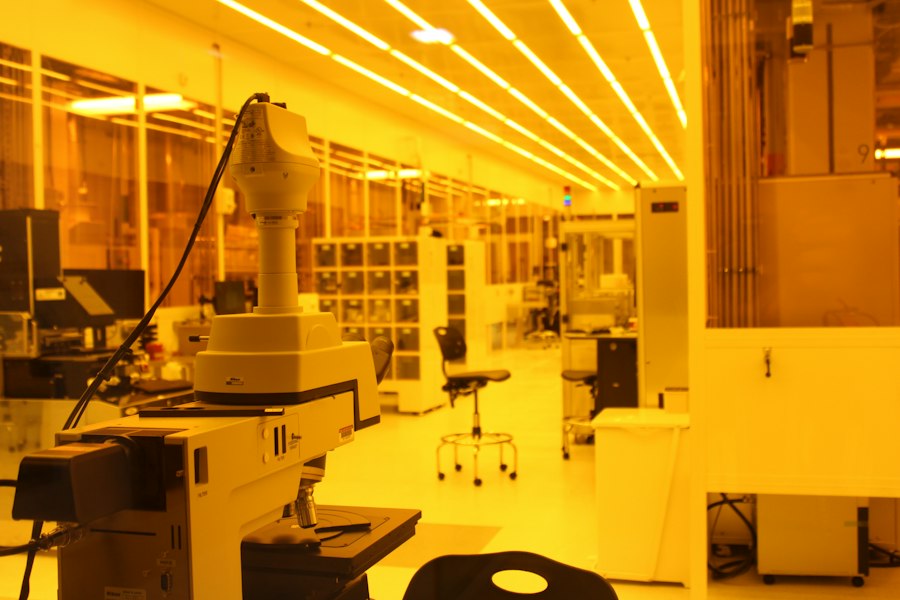
The rollercoaster ride of LK-99 and the debated hydride claims vividly illustrate the self-correcting nature of the scientific process. When a groundbreaking claim emerges, especially one with such profound implications, it undergoes intense scrutiny.
The Importance of Independent Replication
Independent replication is the cornerstone of scientific validity. For a discovery to be accepted by the broader scientific community, other research groups must be able to reproduce the experimental results using the same methods.
In the case of LK-99, the rapid dissemination of pre-prints and the relatively straightforward synthesis instructions (compared to high-pressure experiments) led to a global effort to replicate the findings. The varied and often contradictory results from these replication attempts were crucial in tempering the initial excitement.
Rigorous Characterization and Data Integrity
Superconductivity is not just about a drop in resistance. It requires a confluence of distinct physical phenomena:
- Zero Electrical Resistance: Measured by passing a current through the material and checking for a voltage drop, typically using a four-probe measurement to eliminate contact resistance.
- Meissner Effect: The expulsion of a magnetic field from the interior of a superconductor, resulting in perfect diamagnetism and potentially levitation.
This is a thermodynamic property distinct from just being a perfect conductor.
- Critical Temperature (Tc) and Critical Current (Jc): The temperature below which the material becomes superconducting, and the maximum current it can carry without resistance.
- Critical Magnetic Field (Hc): The magnetic field strength above which superconductivity is destroyed.
For a true superconductor, all these properties must be consistently observed and accurately measured. Furthermore, concerns about data integrity, such as those raised regarding some hydride claims (e.g., manipulated background signals or data smoothing), highlight the ethical responsibilities of researchers and the need for transparency in publishing raw data.
Challenges in High-Pressure Research
Replication in high-pressure superconductivity research is inherently more challenging. The tiny sample sizes, the difficulty of precise measurements within a diamond anvil cell, and the specialized equipment mean fewer labs can perform these experiments.
This makes independent verification slower and more difficult, emphasizing the need for robust data sharing and collaborative efforts within the high-pressure community.
The Reality of “Ambient Room-Temperature” and Future Prospects
While the term “ambient room-temperature superconductivity” excites the public imagination, the reality is that researchers are still some distance from a truly practical material.
Defining “Ambient” and “Room-Temperature”
- Room-Temperature: While 15°C or 21°C technically crosses the “room temperature” threshold, the goal for practical applications is closer to a broader range, say, 0°C to 40°C (32°F to 104°F), stable across typical environmental fluctuations.
- Ambient Pressure: This is the biggest hurdle. “Ambient” truly means atmospheric pressure (around 0.1 MPa or 1 bar), where the material can be easily manufactured and used without specialized containment or enormous forces. The GPa pressures currently required for hydrides are far from ambient, making them lab curiosities rather than practical technologies. Even 1 GPa, while lower than 200 GPa, is still 10,000 times atmospheric pressure.
Obstacles to Practical Application
Even if a true ambient room-temperature superconductor were discovered tomorrow, several engineering and manufacturing challenges would remain:
- Material Stability: Many high-temperature superconductors are chemically unstable, reactive with air or moisture, or degrade over time. Maintaining their superconducting properties requires robust encapsulation or controlled environments.
- Formability and Scalability: Superconductors need to be formed into wires, films, or other useful shapes. Many current experimental materials are powders or tiny single crystals, making large-scale manufacturing and integration into devices incredibly difficult.
- Cost of Materials and Synthesis: Rare elements, complex synthesis pathways, or energy-intensive processes can make these materials prohibitively expensive for widespread adoption.
- Critical Current Density: A superconductor must not only conduct without resistance but also be able to carry a significant amount of current without losing its superconductivity. Many experimental superconductors have low critical current densities, limiting their practical utility.
- Magnetic Field Tolerance: Superconductivity can be destroyed by strong magnetic fields. For applications like MRI or fusion reactors, high critical magnetic fields are essential.
Promising Avenues for Research
Despite the challenges, research continues with vigor, exploring several promising directions:
- New Material Classes: Beyond hydrides and lead-apatite structures, researchers are exploring layered materials, topological superconductors, and other novel compounds that might exhibit unconventional superconductivity at higher temperatures and lower pressures.
- Computational Material Design: Advanced simulations and machine learning are being used to predict new candidate materials and optimize their properties, accelerating the discovery process.
- Chemical Pre-compression: Instead of external pressure, researchers are looking for ways to build in “internal pressure” through chemical bonding or crystal structure engineering, stabilizing high-pressure phases at lower external pressures.
- Thin Films and Nanostructures: Growing materials as thin films or nanostructures can sometimes alter their properties, potentially enabling superconductivity at conditions not seen in bulk materials.
- Understanding Unconventional Mechanisms: A deeper theoretical understanding of unconventional superconductivity is crucial. If we can unravel the mysteries behind materials like the cuprates, it might guide the design of new, even warmer superconductors.
Recent advancements in ambient room-temperature superconductivity research have sparked significant interest in the scientific community, as researchers strive to unlock the potential of these materials for practical applications. A related article discusses the latest breakthroughs in technology, which could have implications for various fields, including electronics and energy storage. For those looking to explore how innovative technologies are reshaping our daily lives, you might find the insights in this article on smartwatch apps particularly intriguing. These developments highlight the intersection of cutting-edge research and consumer technology, showcasing the broader impact of scientific progress on everyday experiences.
The Impact if We Get There
| Research Group | Material Studied | Critical Temperature (K) | Pressure Conditions (GPa) | Key Breakthrough | Current Limitations | Publication Year |
|---|---|---|---|---|---|---|
| University of Rochester | Carbonaceous Sulfur Hydride | 287 | 267 | Highest Tc recorded under high pressure | Extremely high pressure required | 2020 |
| MIT | Lanthanum Superhydride (LaH10) | 250 | 170 | Near-room temperature superconductivity | Pressure still impractical for applications | 2019 |
| University of Tokyo | Hydrogen Sulfide (H3S) | 203 | 150 | First superconductor above 200 K | High pressure and material stability issues | 2015 |
| Max Planck Institute | Yttrium Superhydride (YH9) | 243 | 180 | High Tc with relatively lower pressure | Pressure still too high for practical use | 2021 |
| Various Labs | Cuprates and Iron-based Superconductors | Up to 135 | Ambient | Ambient pressure superconductivity | Lower Tc compared to hydrides | Ongoing |
The realization of true ambient room-temperature superconductivity would be one of the most transformative scientific breakthroughs in human history, fundamentally reshaping various aspects of technology and daily life.
Energy Transmission and Storage
Imagine power grids with zero energy loss. Currently, around 5-10% of electricity is lost as heat during transmission over long distances. Superconducting power lines would eliminate this loss, making energy distribution vastly more efficient and sustainable. It would also enable more effective energy storage solutions, as superconducting coils could store energy indefinitely without dissipation. This would significantly aid the integration of intermittent renewable energy sources like solar and wind.
Transportation and Levitation
Maglev trains, currently requiring expensive cooling systems for their superconducting magnets, could become mainstream. The ability to levitate at room temperature would dramatically reduce friction, enabling faster, quieter, and more energy-efficient transportation. Personal levitating vehicles, while still in the realm of science fiction, would become theoretically possible.
Medical Imaging and Diagnostics
MRI machines, which rely on powerful superconducting magnets, would become smaller, cheaper, and require no cryogenic cooling. This could make MRI technology more accessible globally, improving diagnostics and medical research. New biomedical devices, currently limited by the need for bulky cooling systems, could also emerge.
Electronics and Computing
While current superconductors are used in specialized applications like SQUIDs (Superconducting Quantum Interference Devices) for ultra-sensitive magnetic field measurements, room-temperature superconductors could revolutionize computing. They could enable ultra-fast, energy-efficient processors with zero heat generation, leading to vastly more powerful computers and data centers. Quantum computing, which often relies on extremely cold temperatures for qubit stability, could also see significant advancements if materials could maintain quantum coherence at ambient temperatures.
Scientific Research and Industrial Processes
New generations of scientific instruments, from particle accelerators to research magnets, would become more powerful and less costly to operate. Industrial processes that require strong magnetic fields, such as certain types of material separation or purification, would also benefit from highly efficient, room-temperature superconducting magnets.
The journey to ambient room-temperature superconductivity is a testament to scientific perseverance, marked by incredible breakthroughs and equally significant challenges. While the recent headlines have shown us tantalizing glimpses of a future where electricity flows freely, the path from lab experiment to widespread practical application is long and arduous. It requires not just the discovery of the right material, but also the ability to synthesize it affordably, consistently, and in usable forms, while also ensuring its stability and performance under real-world conditions. The scientific community’s rigorous verification process, sometimes frustrating in its caution, is ultimately essential for building a foundation of reliable knowledge. The dream is real, the progress is undeniable, but the ultimate reality remains a destination still being charted.
FAQs
What is ambient room-temperature superconductivity?
Ambient room-temperature superconductivity refers to the phenomenon where certain materials exhibit superconducting properties at temperatures that are easily achievable and sustainable in everyday environments, such as room temperature.
What are the current breakthroughs in ambient room-temperature superconductivity research?
Recent breakthroughs in ambient room-temperature superconductivity research include the discovery of materials that can superconduct at higher temperatures, advancements in understanding the mechanisms behind these phenomena, and the development of new experimental techniques to study and create superconducting materials.
What are the potential applications of ambient room-temperature superconductors?
Ambient room-temperature superconductors have the potential to revolutionize various industries, such as energy transmission, transportation, medical imaging, and quantum computing, by enabling more efficient and powerful technologies that were previously limited by the need for extreme cooling.
What are the challenges researchers face in achieving ambient room-temperature superconductivity?
Challenges in achieving ambient room-temperature superconductivity include finding materials that can exhibit superconducting properties at higher temperatures, understanding the complex mechanisms involved in these phenomena, and overcoming technical obstacles in creating and maintaining superconducting states in practical applications.
Are there any practical limitations to ambient room-temperature superconductivity?
While ambient room-temperature superconductivity holds great promise for various applications, there are still practical limitations such as the need for further research to improve the stability and performance of superconducting materials, as well as the cost and scalability of producing these materials on a commercial scale.
Enjoying our content? Make us a preferred source on Google:
Add us as a Preferred Source on Google