

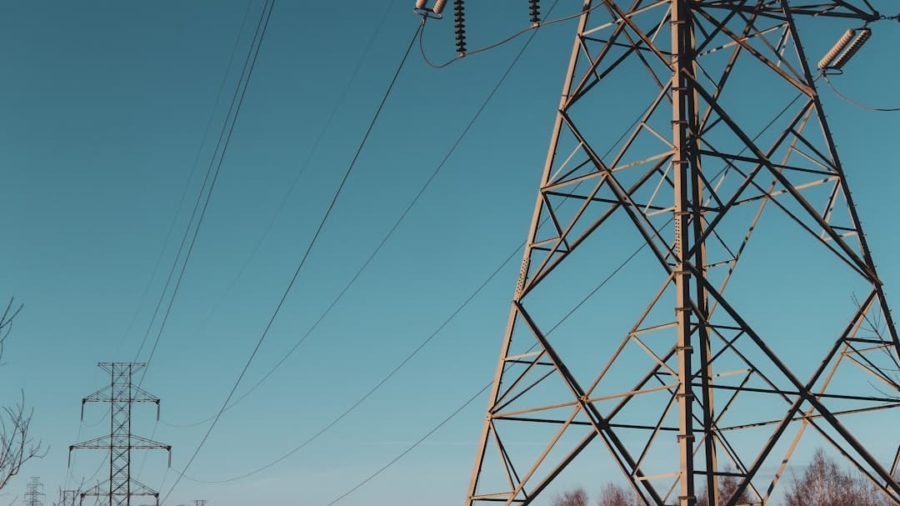
We’re seeing some pretty exciting stuff happening with how we get electricity, especially when it comes to renewable energy. The big question many folks are wondering is, “How is AI actually changing how renewable energy gets to our homes and businesses?” The short answer is, AI is making our electricity grids much smarter and more efficient, especially when it comes to handling the ups and downs of solar and wind power. Instead of old, clunky systems, we’re moving towards grids that can predict, adapt, and distribute renewable energy like never before. This article will break down some of the key ways this is happening.
Think of the traditional electricity grid like an old road system. It was built for one-way traffic, with power flowing from big power plants to consumers. It’s got a certain capacity, and if you overload it, well, things can get a bit dicey. Now, imagine trying to add a bunch of new roads that only work when the sun is shining or the wind is blowing. That’s kind of what integrating massive amounts of renewables into the old grid feels like. It’s not designed for that kind of variability.
The Old Way: One-Way Streets for Power
For decades, the electricity grid operated on a pretty simple principle. Large, centralized power plants – think coal, natural gas, or nuclear – would generate electricity. This power would then travel long distances over transmission lines to substations, and finally, to our homes and businesses. The demand for electricity was also somewhat predictable, allowing for a fairly stable supply.
The Renewable Challenge: Sunshine and Wind Don’t Clock In
Renewable energy sources like solar and wind are fantastic for the environment, but they come with a natural challenge: intermittency. The sun doesn’t always shine, and the wind doesn’t always blow at a consistent speed. This means the amount of electricity they can provide fluctuates constantly. Trying to balance this unpredictable supply with the ever-changing demand is where the traditional grid starts to show its age.
Enter AI: The Grid’s New Brain
This is where Artificial Intelligence, or AI, steps in. AI isn’t just a buzzword in this context; it’s a set of powerful tools that can process vast amounts of data, learn from patterns, and make intelligent decisions in real-time. For the electricity grid, this translates to a system that can anticipate changes, optimize operations, and ensure a reliable flow of power, even with a high percentage of renewable energy. It’s like upgrading from a basic map to a GPS that reroutes you automatically based on traffic conditions.
The integration of AI-driven smart grids is transforming the landscape of renewable energy distribution, enabling more efficient management and utilization of resources. For a deeper understanding of how technology is reshaping various sectors, you can explore a related article on the best Apple laptops of 2023, which highlights advancements in technology that can support innovations like smart grids. Check it out here: The Best Apple Laptops 2023.
Key Takeaways
- Clear communication is essential for effective teamwork
- Active listening is crucial for understanding team members’ perspectives
- Setting clear goals and expectations helps to keep the team focused
- Regular feedback and open communication can help address any issues early on
- Celebrating achievements and milestones can boost team morale and motivation
Predicting the Unpredictable: AI’s Forecasting Prowess
One of the biggest hurdles with renewables is their variability. If we can accurately predict when and how much solar and wind power will be generated, managing the grid becomes a whole lot easier. This is where AI really shines.
Weather is King, and AI is its Translator
AI algorithms are incredibly good at analyzing complex datasets. For renewable energy forecasting, this includes a wealth of information: current and historical weather patterns, satellite imagery, atmospheric pressure readings, wind turbine performance data, and solar panel output.
By crunching these numbers, AI can create highly accurate predictions of solar irradiance and wind speeds.
Machine Learning for Sunny Days (and Cloudy Ones)
Machine learning, a subset of AI, is particularly useful here. Models are trained on years of weather data and the corresponding energy output from renewable sources. This allows them to identify subtle correlations and patterns that humans might miss. For example, an AI might learn that a specific cloud formation type, even if it looks small on a satellite, is consistently associated with a significant drop in solar output in a particular region.
Beyond Simple Averages: Granular Forecasts
It’s not just about predicting the total amount of energy a region will produce tomorrow. AI can provide much more granular forecasts, down to the hour or even minute, and for specific locations. This level of detail is crucial for grid operators who need to know precisely how much power will be available at any given moment to match it with demand.
Demand Forecasting: Knowing Who Needs Power and When
Just as AI can predict supply, it can also predict demand. This might seem straightforward – people use more electricity in the evening, for instance – but AI can add a hyper-detailed layer to this. By analyzing data from smart meters, historical usage patterns, economic indicators, and even social media trends (which can sometimes signal large public events that might impact energy consumption), AI can anticipate demand more precisely than ever before.
Smart Meter Data: The Personal Power Footprint
Smart meters, installed in many homes and businesses, provide a constant stream of data on electricity usage. AI can analyze this data from millions of points to understand individual and collective consumption habits. This allows grid operators to see not just how much power is needed, but where and at what times.
Influencing Demand: Encouraging Off-Peak Usage
Accurate demand forecasting also opens the door to influencing demand. Utilities can use AI-powered insights to offer dynamic pricing. This means electricity might be cheaper during times of low demand and high renewable generation, incentivizing consumers and businesses to shift their energy-intensive activities (like charging electric vehicles or running industrial machinery) to those times.
Optimizing the Flow: AI’s Role in Distribution and Balancing

Once we have a clearer picture of both supply and demand, the next big challenge is to make sure that renewable energy gets where it’s needed, when it’s needed, without overwhelming the system. This is where AI’s optimization capabilities come into play, effectively becoming the traffic controller for our electricity.
The Balancing Act: Keeping the Grid Stable
The electrical grid is like a constant tightrope walk. The frequency of the electricity (how many cycles per second, such as 60 Hz in North America) needs to be maintained within a very narrow range.
If supply and demand don’t match perfectly, this frequency can fluctuate, which can lead to blackouts. AI plays a critical role in this balancing act.
Real-Time Adjustments: AI as the Conductor
AI systems can monitor grid conditions in real-time and make instantaneous adjustments. If there’s a sudden surge in solar power, AI can redirect that excess energy or dispatch energy storage systems.
If there’s an unexpected drop in wind power, it can signal other sources, like battery storage or even traditional power plants (if necessary), to ramp up their output to fill the gap.
Managing Distributed Energy Resources (DERs): A Complex Puzzle
The rise of renewables also means more decentralized energy generation. Rooftop solar panels, small wind turbines, and battery storage systems are popping up everywhere. These are known as Distributed Energy Resources (DERs).
Managing thousands, or even millions, of these individual sources is a monumental task.
AI as the Orchestrator of DERs
AI acts as an orchestrator for these DERs. It can communicate with them, aggregate their output, and integrate them seamlessly into the larger grid. Instead of each DER operating in isolation, AI can command them collectively to act in the best interest of the entire grid, smoothing out supply and demand fluctuations.
Congestion Management: Avoiding the Grid’s Traffic Jams
Just like roads, transmission lines have a capacity limit.
If too much power is trying to flow through a particular line, it can become congested, leading to inefficiencies and potential outages. AI can predict and manage this congestion.
Predictive Routing: Sending Power the Smart Way
By analyzing predicted energy flows and network capacity, AI can identify potential congestion points before they become a problem. It can then dynamically reroute power to less congested lines, or even adjust the output of certain generation sources to alleviate pressure.
Energy Storage: The Missing Piece, Made Smarter by AI

Renewable energy alone is great, but its intermittent nature means we often need a way to store surplus energy for later use. Battery storage is the most prominent technology here, and AI is making it much more effective.
Smart Charging and Discharging: AI at Work
AI is crucial for optimizing how batteries are charged and discharged. This isn’t just about plugging them in and letting them go.
Maximizing Renewable Use: Storing When It’s Abundant
AI algorithms can analyze forecasts for renewable energy generation. When there’s a surplus of solar or wind power (and prices are low), AI can direct batteries to charge. Then, when renewable generation drops and demand peaks (and prices rise), AI can instruct the batteries to discharge their stored energy, effectively acting as a flexible power source that complements renewables.
Extending Battery Lifespan: AI for Longevity
Batteries have a finite lifespan, and how they are charged and discharged significantly impacts this. AI can manage charging and discharging cycles in a way that minimizes stress on the battery, extending its operational life. This means batteries are more durable and cost-effective over time.
Integrating Different Storage Technologies
The future of energy storage might not be just one type of battery. There are pumped hydro, thermal storage, and other emerging technologies. AI can be programmed to manage and integrate these diverse storage solutions, optimizing their collective performance for the grid.
The integration of AI-driven smart grids is transforming the landscape of renewable energy distribution, enabling more efficient management of resources and enhancing grid reliability. This innovative approach not only optimizes energy flow but also supports the growing demand for sustainable energy solutions. For further insights into the technological advancements that are shaping the future of energy management, you can explore this related article on software tools that facilitate energy efficiency and design, which can be found here.
Maintaining Reliability and Resilience: AI’s Role in Grid Stability
| Metrics | Data |
|---|---|
| Renewable Energy Capacity | Increasing due to AI-driven smart grids |
| Energy Distribution Efficiency | Improved with AI optimization |
| Grid Stability | Enhanced through AI predictive maintenance |
| Carbon Emissions | Reduced as renewable energy usage grows |
| Cost Savings | Realized through AI-optimized energy distribution |
While we’re focused on integrating renewables, the fundamental job of the grid is to deliver reliable power. AI is enhancing this reliability and building a more resilient grid, capable of withstanding disruptions.
Predicting and Preventing Outages: The Proactive Approach
Instead of reacting to problems after they occur, AI enables a more proactive approach to grid maintenance. By analyzing sensor data from across the grid, AI can identify anomalies that might indicate potential equipment failures.
Predictive Maintenance: Fixing Before It Breaks
AI can analyze patterns in equipment performance, temperature readings, vibration data, and other metrics. If a transformer, for example, shows subtle signs of stress or unusual operating parameters, AI can flag it for inspection and maintenance before it fails, preventing an outage.
Enhancing Grid Security: Defending Against Threats
The increasing digitization of the grid also makes it more vulnerable to cyber threats. AI is being deployed to bolster grid security.
Anomaly Detection for Security: Spotting the Unwelcome Guest
AI algorithms can monitor network traffic and system logs for unusual activity that might indicate a cyberattack. By learning what normal network behavior looks like, AI can quickly identify deviations and alert security teams to potential breaches.
Faster Response to Disturbances: AI’s Quick Reflexes
When grid disturbances do occur, such as sudden equipment failures or extreme weather events, speed is of the essence. AI can process information and recommend or even automatically implement corrective actions much faster than human operators alone. This rapid response can minimize the impact of a disturbance and reduce the risk of cascading failures.
The integration of AI-driven smart grids is transforming the landscape of renewable energy distribution, enabling more efficient management of resources and enhancing grid reliability. This innovation is not only optimizing energy consumption but also facilitating the seamless incorporation of diverse renewable sources. For a deeper understanding of how technology is shaping our energy future, you can explore an insightful article on the subject at How-To Geek, which discusses various technological advancements and their implications for energy systems.
The Future is Connected: AI and the Evolving Smart Grid
The evolution of AI in smart grids isn’t a destination; it’s an ongoing process. As technology advances and more data becomes available, the capabilities of AI will continue to expand, making our energy systems even more efficient, reliable, and sustainable.
The Rise of the “Prosumer”: Consumers as Producers
As more people adopt rooftop solar and battery storage, the line between consumers and producers of electricity blurs. These “prosumers” create a more dynamic and complex grid. AI is essential for managing this increased complexity, allowing prosumers to contribute to the grid in a structured and beneficial way.
Grid Modernization and Investment: A Smart Choice
Implementing AI-driven solutions in smart grids often requires significant investment in infrastructure, sensors, and software. However, the benefits in terms of efficiency, reliability, and the ability to integrate more renewable energy sources often justify the outlay. Utilities and governments are increasingly recognizing that a modernized, AI-powered grid is a crucial investment for the future.
Continued Innovation: What’s Next?
We’re likely to see further advancements in AI’s ability to optimize complex energy networks, manage a multi-directional flow of electricity, and even coordinate with other smart systems like electric vehicle charging networks and smart home appliances. The goal is a fully integrated, intelligent energy ecosystem that is both sustainable and provides power precisely when and where it’s needed.
This isn’t science fiction; it’s the practical application of AI that’s actively transforming how we power our world.
FAQs
What are AI-driven smart grids?
AI-driven smart grids are advanced systems that use artificial intelligence (AI) to optimize the distribution and management of renewable energy. These grids use AI algorithms to analyze data and make real-time decisions to improve efficiency and reliability.
How do AI-driven smart grids revolutionize renewable energy distribution?
AI-driven smart grids revolutionize renewable energy distribution by enabling better integration of renewable energy sources, such as solar and wind power, into the existing energy infrastructure. They also help in predicting energy demand, optimizing energy storage, and reducing energy wastage.
What are the benefits of AI-driven smart grids?
The benefits of AI-driven smart grids include improved energy efficiency, reduced carbon emissions, increased reliability of energy supply, lower operational costs, and better integration of renewable energy sources into the grid.
How does AI technology contribute to the development of smart grids?
AI technology contributes to the development of smart grids by enabling advanced data analytics, predictive maintenance, real-time monitoring, and autonomous decision-making. AI algorithms help in optimizing energy distribution and managing the variability of renewable energy sources.
What are some examples of AI-driven smart grid applications?
Some examples of AI-driven smart grid applications include demand response management, energy forecasting, grid optimization, predictive maintenance of infrastructure, and real-time energy monitoring. These applications help in making the energy distribution system more efficient and sustainable.
Enjoying our content? Make us a preferred source on Google:
Add us as a Preferred Source on Google