

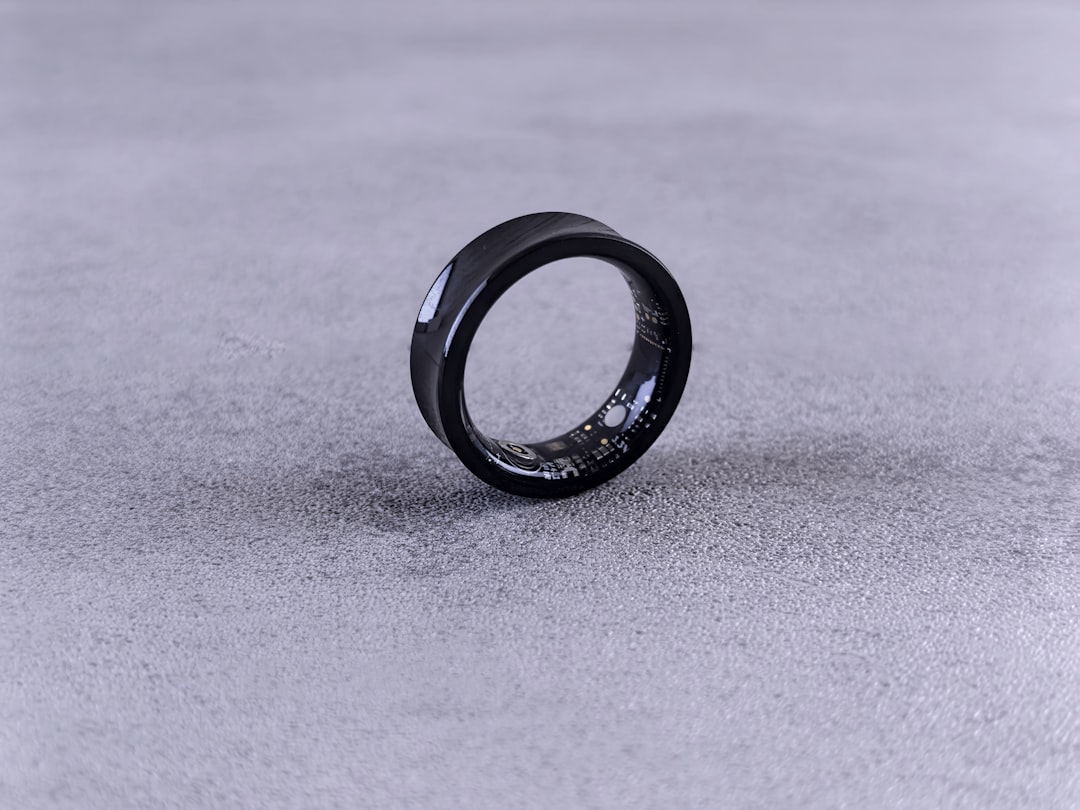
The advent of wearable technology has revolutionized various sectors, with telemedicine being one of the most significantly impacted fields. Wearable tech encompasses a range of devices, from smartwatches and fitness trackers to more sophisticated medical-grade monitors that can track vital signs and other health metrics. These devices are designed to be worn on the body, providing continuous data collection and real-time feedback, which is particularly beneficial in the context of remote healthcare delivery.
As telemedicine continues to gain traction, especially in light of the COVID-19 pandemic, the integration of wearable technology has become increasingly vital for enhancing patient care and improving health outcomes. Telemedicine, which allows patients to consult healthcare providers remotely, has seen a surge in adoption due to its convenience and accessibility. The combination of telemedicine and wearable technology creates a powerful synergy that enables healthcare professionals to monitor patients’ health status without the need for in-person visits.
This integration not only facilitates timely interventions but also empowers patients to take an active role in managing their health. As we delve deeper into the various aspects of wearable tech in telemedicine, it becomes evident that these innovations are not merely supplementary; they are essential components of modern healthcare delivery.
Key Takeaways
- Wearable technology enhances remote patient monitoring by providing real-time health data.
- It plays a crucial role in managing chronic diseases through continuous tracking and alerts.
- Wearables improve telemedicine consultations by offering accurate and timely health information.
- The integration of wearable tech offers significant advantages, including increased patient engagement and better health outcomes.
- Future developments aim to address current challenges and further integrate wearables into telemedicine systems.
How Wearable Tech Improves Remote Monitoring
Wearable technology significantly enhances remote monitoring by providing healthcare professionals with continuous access to patients’ health data. Devices such as smartwatches and fitness trackers can monitor heart rate, blood pressure, oxygen saturation, and even sleep patterns. This real-time data collection allows for a more comprehensive understanding of a patient’s health status, enabling clinicians to make informed decisions based on accurate and timely information.
For instance, a patient with a history of cardiovascular issues can wear a device that alerts their healthcare provider if their heart rate exceeds a certain threshold, prompting immediate intervention if necessary. Moreover, the data collected by wearable devices can be integrated into electronic health records (EHRs), creating a seamless flow of information between patients and providers. This integration not only streamlines the monitoring process but also enhances communication between healthcare teams.
This proactive approach to monitoring can lead to better management of chronic conditions and ultimately improve patient outcomes.
The Role of Wearable Tech in Chronic Disease Management
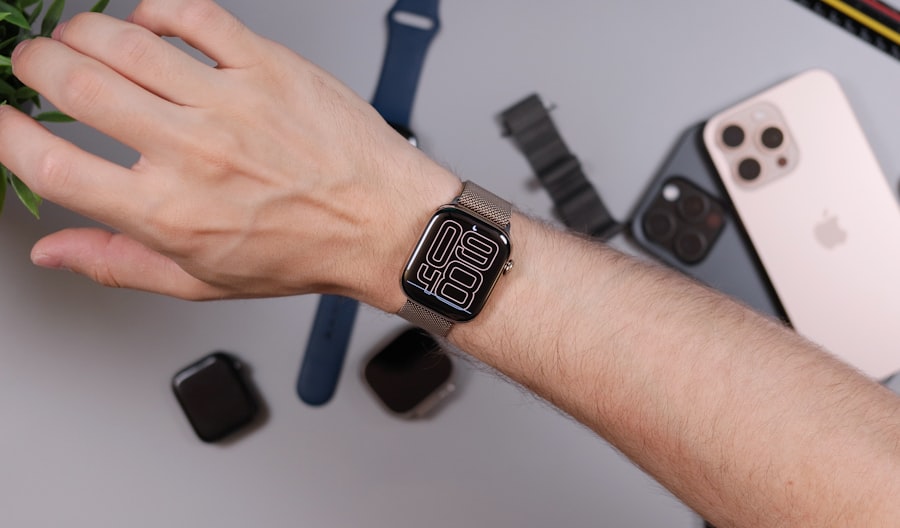
Chronic disease management is one of the most promising applications of wearable technology in telemedicine. Conditions such as diabetes, hypertension, and heart disease require ongoing monitoring and management, making them ideal candidates for the integration of wearable devices. For instance, patients with diabetes can benefit from continuous glucose monitors that provide real-time feedback on their blood sugar levels.
This information allows patients to make immediate adjustments to their diet or insulin dosage, reducing the risk of complications associated with poorly managed diabetes. In addition to glucose monitoring, wearable devices can track other vital signs relevant to chronic disease management. For example, patients with hypertension can use smartwatches equipped with blood pressure monitoring capabilities to keep track of their readings throughout the day.
This continuous monitoring helps identify patterns and triggers that may lead to elevated blood pressure, enabling patients and their healthcare providers to implement lifestyle changes or medication adjustments as needed. The ability to collect and analyze this data over time empowers patients to take control of their health while providing clinicians with valuable insights into their patients’ conditions.
Wearable Tech’s Impact on Telemedicine Consultations
The integration of wearable technology into telemedicine consultations has transformed the way healthcare providers interact with patients. During virtual visits, clinicians can access real-time data from wearable devices, allowing for more informed discussions about a patient’s health status. For example, if a patient reports experiencing shortness of breath during a telehealth appointment, the clinician can quickly review data from a smartwatch that monitors oxygen saturation levels.
This immediate access to relevant information enhances the quality of care provided during virtual consultations. Furthermore, wearable tech facilitates more personalized care by enabling healthcare providers to tailor their recommendations based on individual patient data. For instance, if a patient using a fitness tracker shows a decline in physical activity levels over several weeks, the clinician can address this issue during the consultation and suggest specific interventions to encourage increased activity.
This level of personalization not only improves patient engagement but also fosters a stronger patient-provider relationship built on trust and collaboration.
The Advantages of Wearable Tech for Telemedicine
| Metric | Description | Impact on Telemedicine |
|---|---|---|
| Real-time Health Monitoring | Continuous tracking of vital signs such as heart rate, blood pressure, and oxygen levels | Enables immediate intervention and personalized care plans |
| Patient Engagement | Percentage increase in patient adherence to treatment plans due to wearable reminders and feedback | Improves treatment outcomes and reduces hospital readmissions |
| Remote Data Transmission | Frequency and accuracy of health data sent from wearables to healthcare providers | Facilitates timely diagnosis and reduces need for in-person visits |
| Chronic Disease Management | Reduction in emergency visits for chronic conditions monitored via wearables | Enhances long-term health management and lowers healthcare costs |
| Patient Satisfaction | Survey scores reflecting patient comfort and trust in telemedicine supported by wearables | Increases adoption rates and overall effectiveness of telemedicine services |
The advantages of incorporating wearable technology into telemedicine are manifold. One significant benefit is the increased accessibility it offers to patients who may have difficulty attending in-person appointments due to mobility issues or geographic barriers. Wearable devices allow these individuals to receive continuous monitoring and support from healthcare providers without the need for travel.
This is particularly important for elderly patients or those living in rural areas where access to healthcare services may be limited. Additionally, wearable tech promotes proactive health management by encouraging patients to take an active role in monitoring their own health metrics. Many devices come equipped with user-friendly interfaces that allow individuals to track their progress over time, set health goals, and receive reminders for medication or exercise.
This empowerment can lead to improved adherence to treatment plans and healthier lifestyle choices. For example, a patient using a smartwatch may receive notifications to stand up and move after prolonged periods of inactivity, promoting better overall health.
Addressing Concerns and Challenges with Wearable Tech in Telemedicine
Despite the numerous benefits associated with wearable technology in telemedicine, several concerns and challenges must be addressed to ensure its effective implementation.
As wearable devices collect sensitive health information, there is an inherent risk of data breaches or unauthorized access.
Healthcare providers must implement robust security measures to protect patient data and comply with regulations such as the Health Insurance Portability and Accountability Act (HIPAA) in the United States. Another challenge lies in ensuring that wearable devices are user-friendly and accessible to all patients, particularly those who may not be technologically savvy. Older adults or individuals with limited experience using technology may struggle with complex interfaces or may be hesitant to adopt new devices altogether.
To overcome this barrier, healthcare providers should offer education and support to help patients understand how to use wearable technology effectively. Additionally, manufacturers should prioritize designing intuitive devices that cater to a diverse user base.
Future Developments and Integration of Wearable Tech in Telemedicine
The future of wearable technology in telemedicine holds immense potential for further advancements and integration into healthcare systems. As technology continues to evolve, we can expect more sophisticated devices capable of monitoring an even broader range of health metrics. For instance, emerging technologies such as biosensors may enable continuous monitoring of biomarkers like cortisol levels or hydration status, providing deeper insights into patients’ overall health.
Moreover, advancements in artificial intelligence (AI) and machine learning will likely enhance the capabilities of wearable devices by enabling predictive analytics based on collected data. This could lead to early detection of potential health issues before they escalate into more serious conditions. For example, AI algorithms could analyze patterns in heart rate variability data from wearables to identify individuals at risk for cardiac events, prompting timely interventions.
The integration of wearable tech into telemedicine will also benefit from improved interoperability between devices and healthcare systems. As more manufacturers adopt standardized protocols for data sharing, healthcare providers will have access to comprehensive patient profiles that include information from various sources. This holistic view will facilitate better decision-making and personalized care plans tailored to individual patient needs.
The Growing Importance of Wearable Tech in Telemedicine
The growing importance of wearable technology in telemedicine cannot be overstated. As healthcare continues to evolve towards more patient-centered models, the integration of wearables offers unprecedented opportunities for improving health outcomes through enhanced monitoring, personalized care, and proactive disease management. While challenges remain regarding data privacy and accessibility, ongoing advancements in technology and increased awareness among healthcare providers will pave the way for broader adoption.
As we look ahead, it is clear that wearable tech will play an integral role in shaping the future landscape of telemedicine. By harnessing the power of these innovative devices, healthcare professionals can provide more effective care while empowering patients to take charge of their health journeys. The synergy between wearable technology and telemedicine represents a significant leap forward in delivering high-quality healthcare that is accessible, efficient, and tailored to individual needs.
Wearable technology is revolutionizing telemedicine by providing real-time health data and enhancing patient monitoring, making healthcare more accessible and efficient. For further insights into the latest advancements in technology that complement these trends, you can check out the article on the best tech products of 2023. This article highlights innovative devices that are shaping the future of health and wellness, including those that integrate seamlessly with telemedicine platforms.
FAQs
What is wearable technology in telemedicine?
Wearable technology in telemedicine refers to electronic devices worn on the body that collect health-related data. These devices can monitor vital signs such as heart rate, blood pressure, oxygen levels, and physical activity, enabling remote health monitoring and management.
How does wearable tech improve telemedicine effectiveness?
Wearable tech enhances telemedicine by providing real-time, continuous health data to healthcare providers. This allows for more accurate diagnoses, timely interventions, personalized treatment plans, and better chronic disease management without the need for frequent in-person visits.
What types of health data can wearable devices collect?
Wearable devices can collect a variety of health data including heart rate, electrocardiogram (ECG) readings, blood oxygen saturation (SpO2), blood pressure, body temperature, sleep patterns, physical activity levels, glucose levels, and respiratory rate.
Are wearable devices secure for transmitting health information?
Most wearable devices use encryption and secure communication protocols to protect health data during transmission. However, the level of security can vary by manufacturer, so it is important to choose devices that comply with healthcare data privacy standards such as HIPAA.
Can wearable technology detect medical emergencies?
Yes, some advanced wearable devices can detect irregular heart rhythms, falls, or sudden changes in vital signs and alert both the user and healthcare providers, enabling rapid response to potential medical emergencies.
Is wearable technology suitable for all patients?
While wearable technology benefits many patients, especially those with chronic conditions, it may not be suitable for everyone. Factors such as age, comfort with technology, and specific health needs can influence its effectiveness and usability.
How does wearable tech support chronic disease management?
Wearable devices enable continuous monitoring of conditions like diabetes, hypertension, and heart disease. This ongoing data helps healthcare providers adjust treatments promptly, track disease progression, and encourage patient engagement in self-care.
Do wearable devices replace traditional medical examinations?
No, wearable devices complement but do not replace traditional medical examinations. They provide additional data that can enhance clinical assessments but in-person evaluations remain essential for comprehensive care.
What are some examples of wearable devices used in telemedicine?
Examples include smartwatches with health monitoring features, fitness trackers, continuous glucose monitors, wearable ECG monitors, and pulse oximeters.
How can patients get started with wearable technology for telemedicine?
Patients should consult their healthcare provider to determine which wearable device suits their health needs. Providers can recommend appropriate devices and guide patients on how to use them effectively as part of their telemedicine care plan.